Domestic flight baggage limits in Nepal for trekkers
Small aircraft on Nepal mountain routes have tight baggage limits. This guide explains the Tara Air allowance we could verify, what we could not, how to pack for Lukla and Jomsom flights, what happens with excess, and how to store the rest.
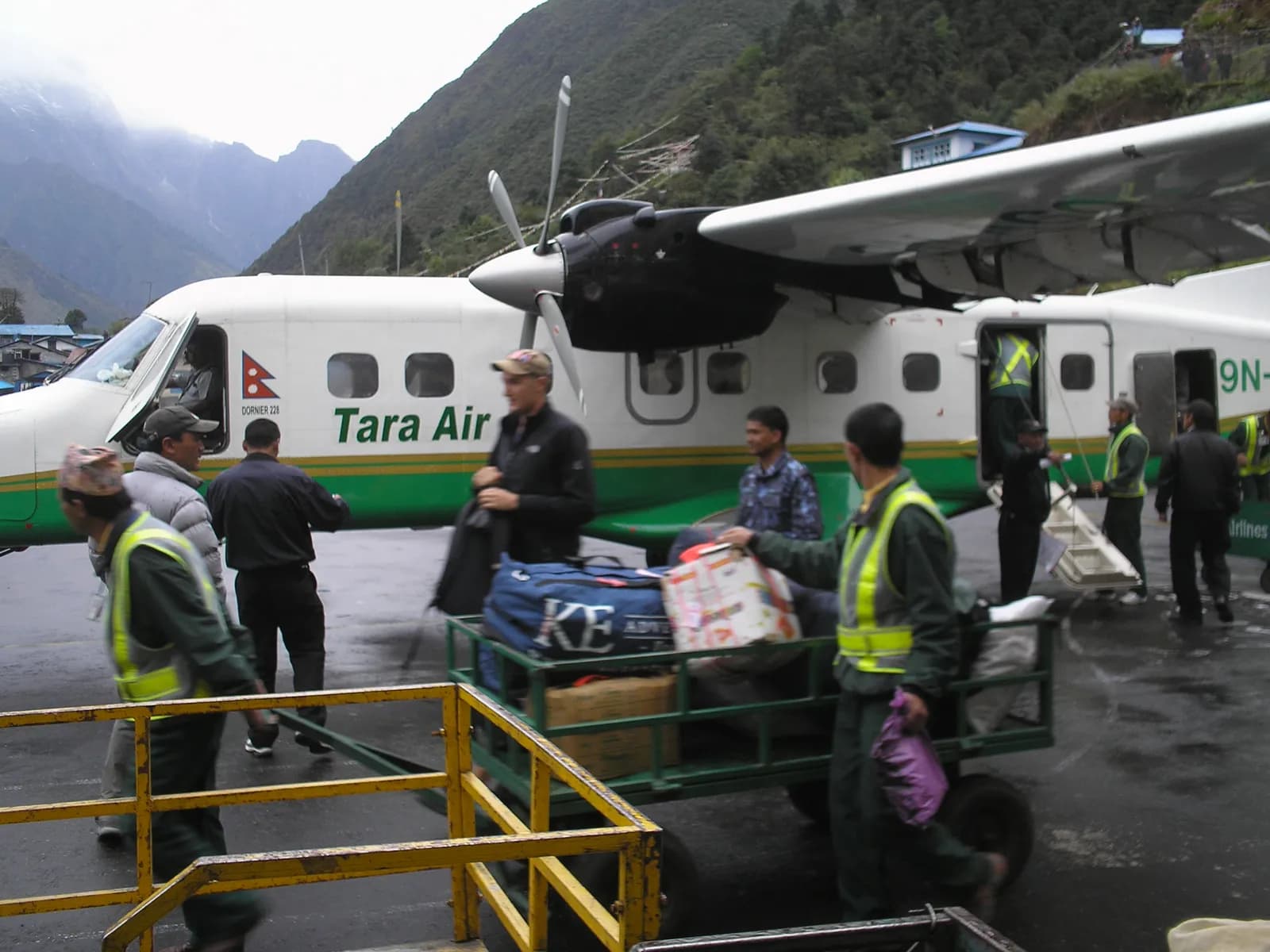
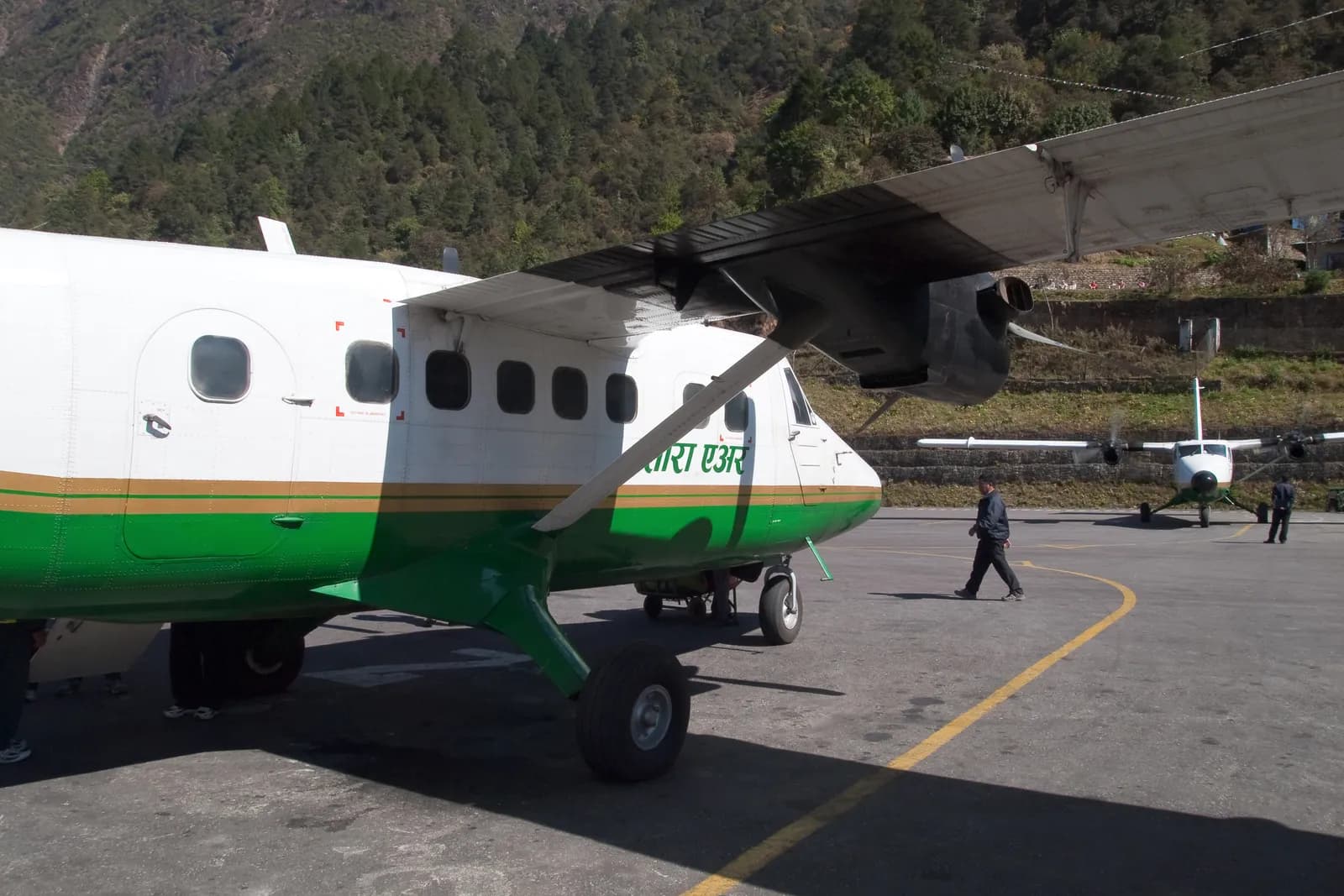
The one domestic baggage allowance we could verify is Tara Air's: 10 kg of checked baggage plus 5 kg of hand carry, 15 kg in all, and 7 kg for children under 12. For every other airline on the mountain sectors we could not confirm a published figure, so the rule is to get your allowance in writing and pack to the smallest number you are given. Small aircraft cannot lift much, so the limit is far below an international allowance and excess is the most common surprise on the way to Lukla and Jomsom. This guide explains what we know, what we do not, how to pack and what to do with the rest.
We quote no excess-baggage rates because our cost tables do not include them and the sources we found do not give a fixed figure. For the flights themselves, see the Kathmandu to Lukla flight guide and the flight costs guide. Facts here were checked on 19 October 2026.
Everest Base Camp Trek的開放行程
由正在尋找夥伴的健行者發布的真實行程。
What we verified and what we could not
| Airline | What we found |
|---|---|
| Tara Air | A published policy gives 10 kg checked plus 5 kg hand carry, 15 kg in all, and 7 kg for children under 12 |
| Summit Air | Public policy page states only a liability limit; no mountain-sector allowance verified |
| Yeti Airlines | Baggage page lists per-kilo excess rates for other sectors only; no mountain-sector figure verified |
| Sita Air | No allowance verified |
Trekking operators describe the same 10 kg plus 5 kg split for Lukla flights, and one operator notes it can arrange extra weight of up to 15 kg checked, but that is an operator's arrangement, not an airline rule. If your agency books the flight, ask it for the allowance in writing and which airline you are on.
Why the limits are so tight
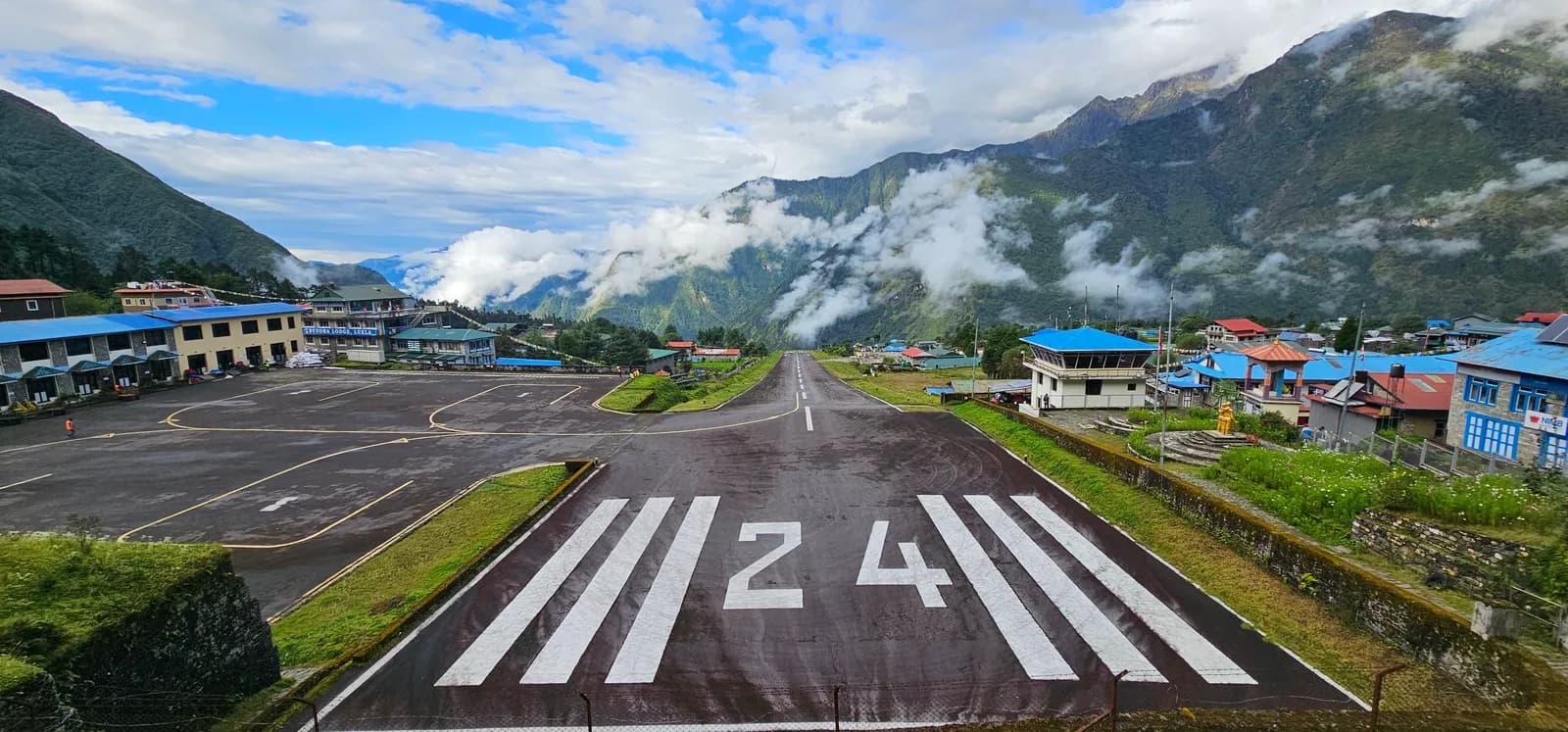
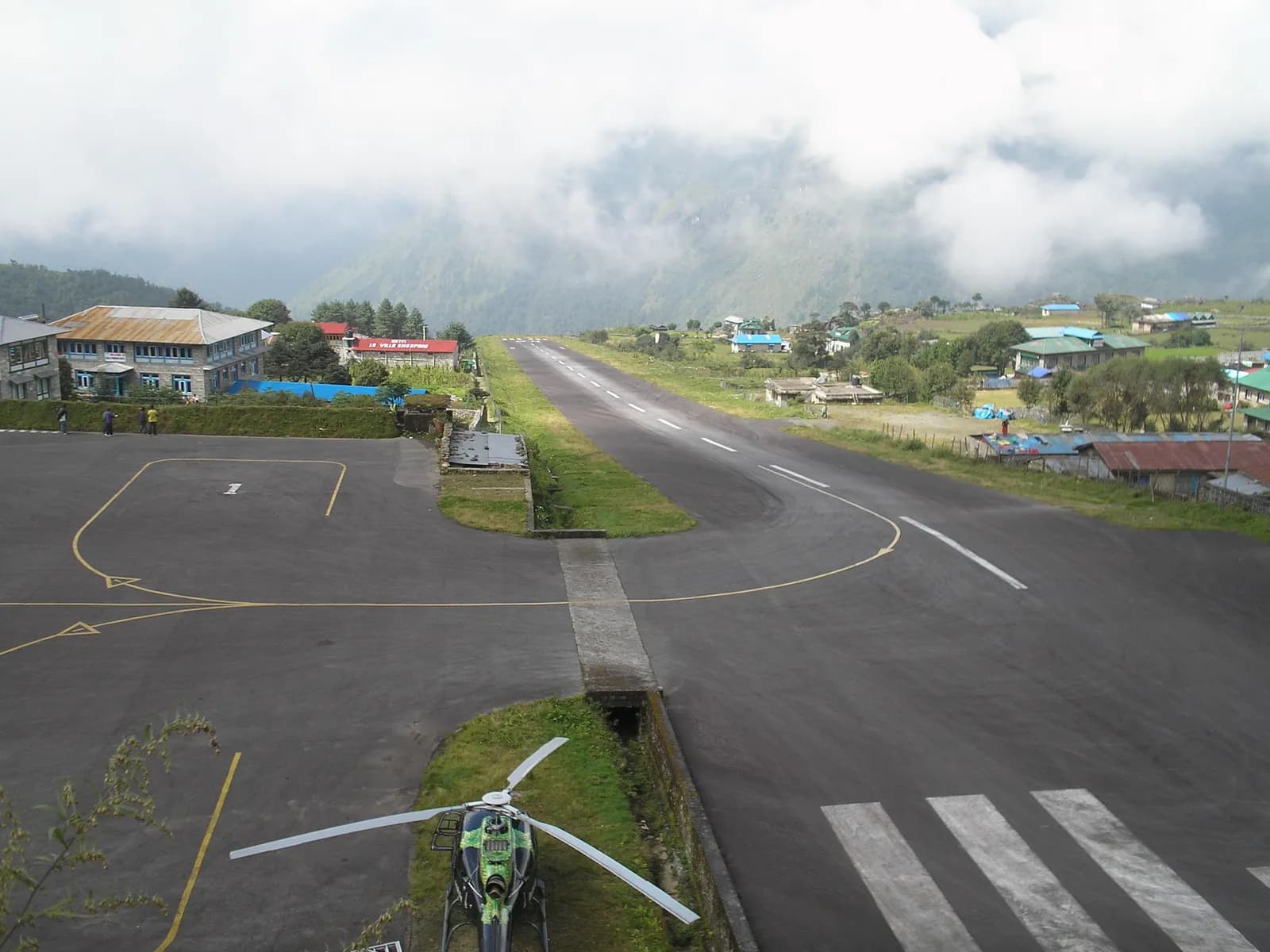
The aircraft are small, with a few dozen seats or fewer, and they fly into short, high airstrips where weight directly affects safety. At Lukla the airport sits on a ledge with a short sloped runway, per the Tenzing-Hillary Airport entry. Airlines therefore control weight carefully and may leave bags behind if the aircraft is full. Do not argue with the limit; plan around it.
What happens with excess
According to the sources we found, excess baggage may be charged, or left behind if the aircraft is full, and a bag left behind may follow on a later flight. For a trek, that can mean a day or more without your kit, in a place where you cannot buy a replacement. The risk is real enough that the safe plan is to carry nothing you cannot do without in the checked bag, and to keep medication, documents, a warm layer and essentials in your daypack.
How to pack to the limit
- Weigh everything, the duffel and the daypack together, with a hand scale before you leave the hotel.
- Decide what you need on the trail, not what might be useful. Our Nepal trek packing list and the Everest Base Camp spring list show a lean kit.
- Wear your heaviest items on the plane if you are over, such as boots and a jacket.
- Rent rather than carry bulky cold-weather items where it makes sense; see renting versus buying gear.
- Keep valuables, medication and fragile items in your hand carry, within its limit.
- Leave non-essentials in the city. Most hotels store a bag, free for returning guests in many cases, but ask first.
- Re-weigh at the airport, and have your partner's bag weighed too, because airlines may combine group weights differently.
Porters, duffels and the flight
On a trek with a porter, your main bag is often carried by the porter on the trail, but on the flight it is part of your checked allowance. Agencies often supply a duffel, and some tell you to pack it to a stated limit. Ask your agency in advance how weight is handled, including porters' own baggage if they fly, which is the agency's matter. Our guide versus porter roles guide explains who carries what.
Storage in the city
Many Kathmandu and Pokhara hotels and agencies keep luggage while you trek. Agree it up front:
- What can you leave, and for how long?
- Is the room locked, and who has the key?
- What receipt do you get?
- What if your return is delayed? A delayed flight can add days.
Carry cash, passport, insurance papers and medication with you, not in the stored bag. See where to stay in Kathmandu and where to stay in Pokhara for how to choose a hotel.
By route
On the Everest Base Camp route, the Lukla flight is the single constraint, and the flight can leave from Ramechhap in busy months, a 4 to 5 hour drive from Kathmandu, so pack to the limit the night before. On Upper Mustang, the flight from Pokhara to Jomsom is a morning flight, and the same advice applies. On both routes, a delay can leave you waiting, so keep your daypack stocked as if you might spend an extra night.
Sharing weight with partners
Partners can share communal items, such as a first-aid kit, a filter and a repair kit, so that each bag is lighter. Agree who carries what before you pack; our trekking partner hub explains how to find partners and what to agree before you book lists the questions.
A checklist
- Airline and allowance confirmed in writing.
- Duffel and daypack weighed together.
- Valuables, medication and a warm layer in the daypack.
- Spare kit stored with a receipt.
- A buffer day for delays; see buffer days.
- Insurance checked for delay and baggage cover; see trekking insurance.
How to decide what goes in the first 10 kg
Because the checked allowance is so small, the useful exercise is a priority list, not a packing list. Start with what you cannot trek without: boots on your feet, a warm layer, a waterproof shell, base layers, spare socks, a headlamp, your medication and your documents. Those are the first items, and several of them live in your hand carry or on your body.
Next come the items that make the trek comfortable but are not critical: a second set of clothes, a book, a camera accessory, toiletries in small containers. Weigh each one, and ask whether you would feel the loss on the fourth day. If the answer is no, it stays in the city. Finally, the bulky warm items you may rent, such as the sleeping bag and down jacket, should be weighed in your total, because a heavy rented jacket counts the same as a heavy owned one.
What happens at the airstrip
At small mountain airports the check-in area is a counter with a scale, and staff weigh each bag and sometimes each passenger's hand carry. Queues form early, flights depart in the morning window and the process is quick. Have your bags ready, do not repack in the middle of the queue and keep your boarding documents in your pocket. If you are over, you will be asked to pay for excess or to remove items; having a plan for what to leave behind with your hotel or agency avoids a rushed decision.
If a bag does not travel with you
Airlines may leave excess or low-priority bags behind when the aircraft is full, and they travel on a later flight. If that happens, do not panic: tell your guide, ask the airline when the bag will follow and make sure your daypack holds what you need for the first night, including medication, a warm layer and a charging cable. Our buffer days guide explains why a spare day also covers this problem.
Group weighing and fairness
When partners fly together, agree before you pack how to treat weight. Some airlines are strict per passenger, so one person's spare capacity cannot be used by another; others may be flexible. Ask in advance, and do not assume. If one of you is carrying communal items, such as a shared first-aid kit, note whose bag they are in so that a bag left behind does not take the kit with it.
Seasonal differences
In the busy spring and autumn windows, aircraft are fuller and the pressure on weight is higher, so excess is more likely to be left behind. In quieter months there may be more spare capacity, but you cannot count on it. The safest habit is to pack to the verified limit in every season and to leave a little room. For the wider picture of how the flights work, see the Kathmandu to Lukla flight guide and the flight costs guide.
More guides are in the transport and logistics hub. Policies change; confirm allowances with your airline or agency before you fly.