Internal flight costs: Lukla, Jomsom, Nepalgunj and more
What Nepal domestic flights cost trekkers: Lukla, Jomsom, Nepalgunj, Tumlingtar and Suketar, with one-way and return figures from our October 2026 cost tables, what is not published and how sharing and delays change the bill.
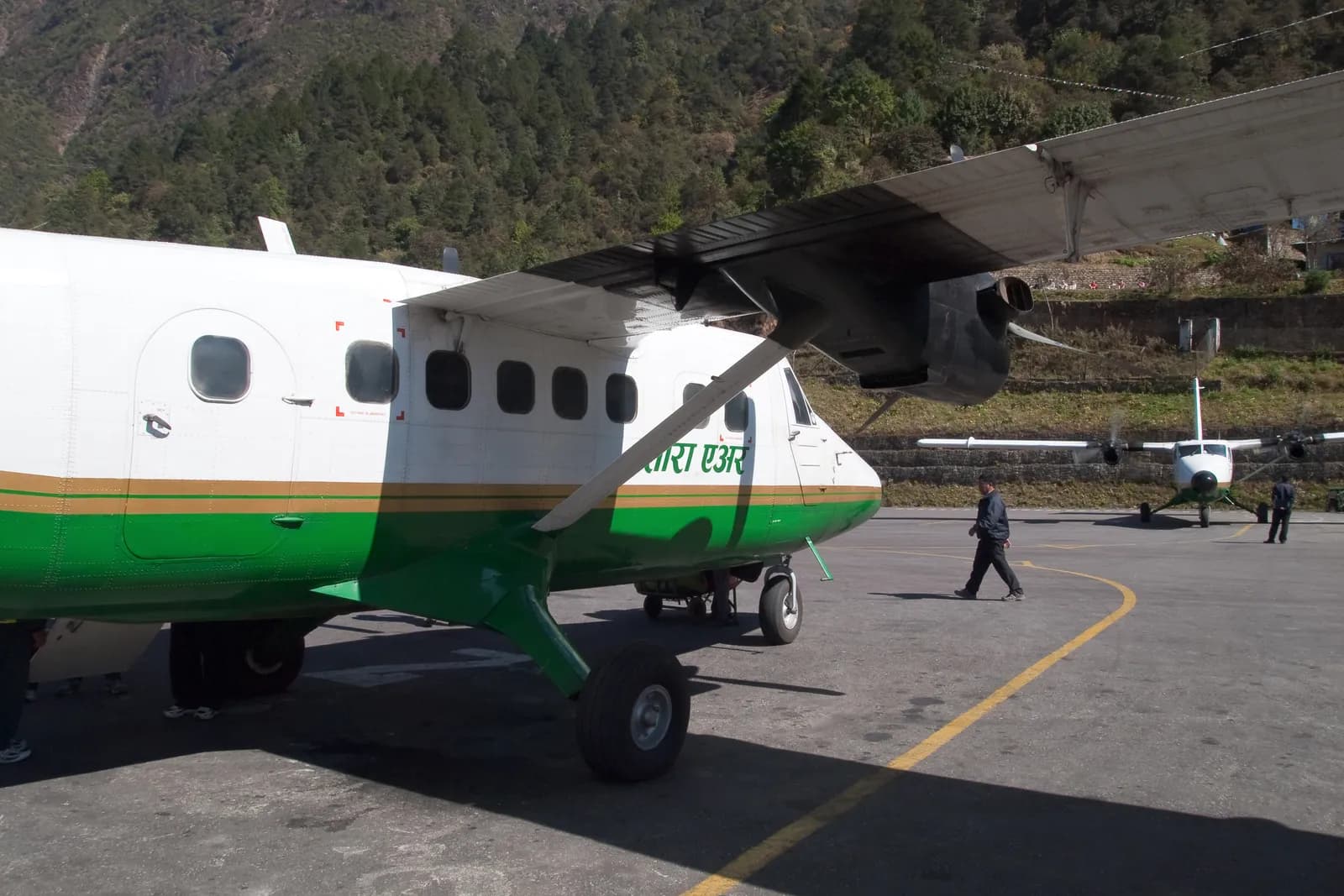
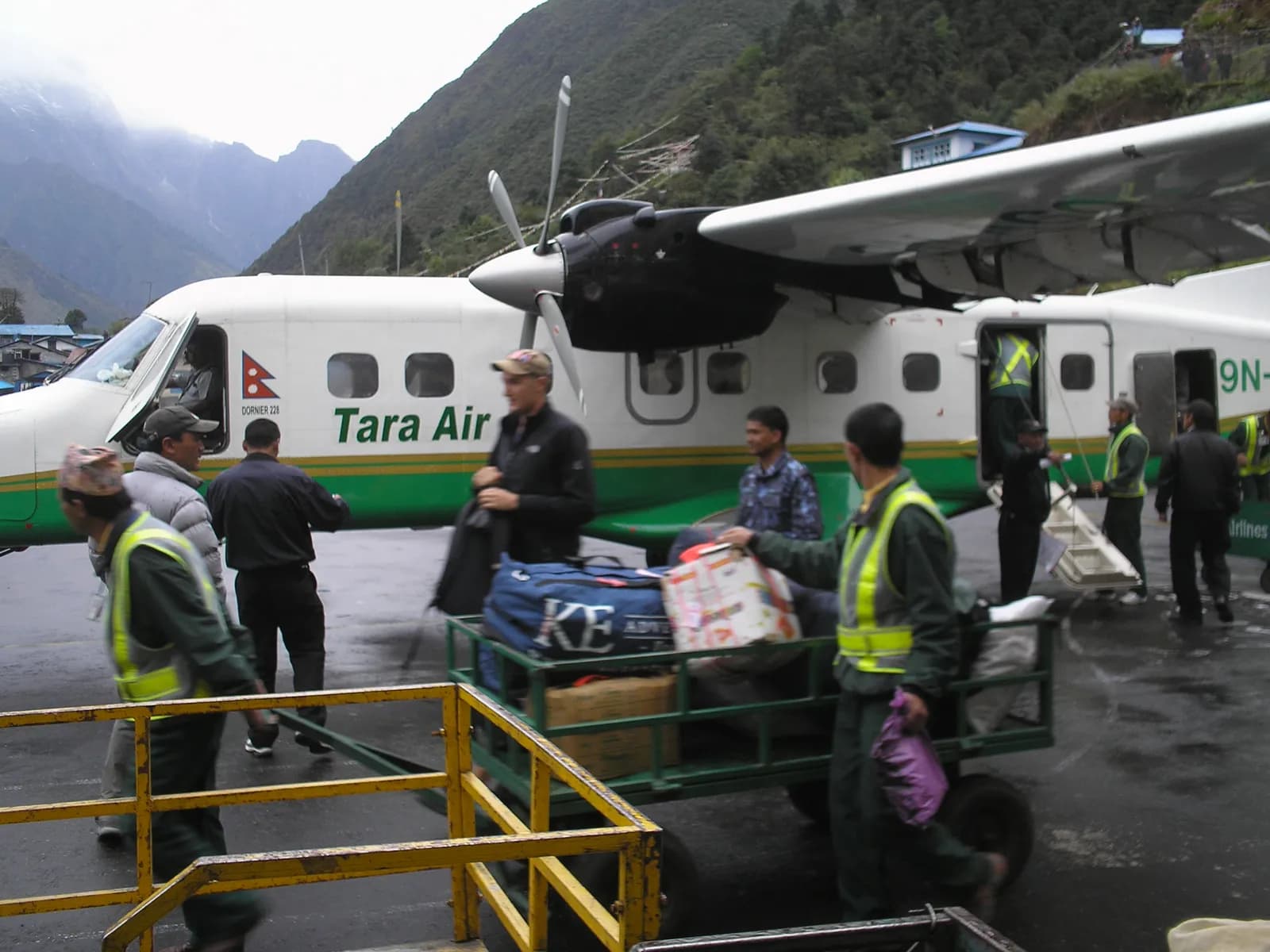
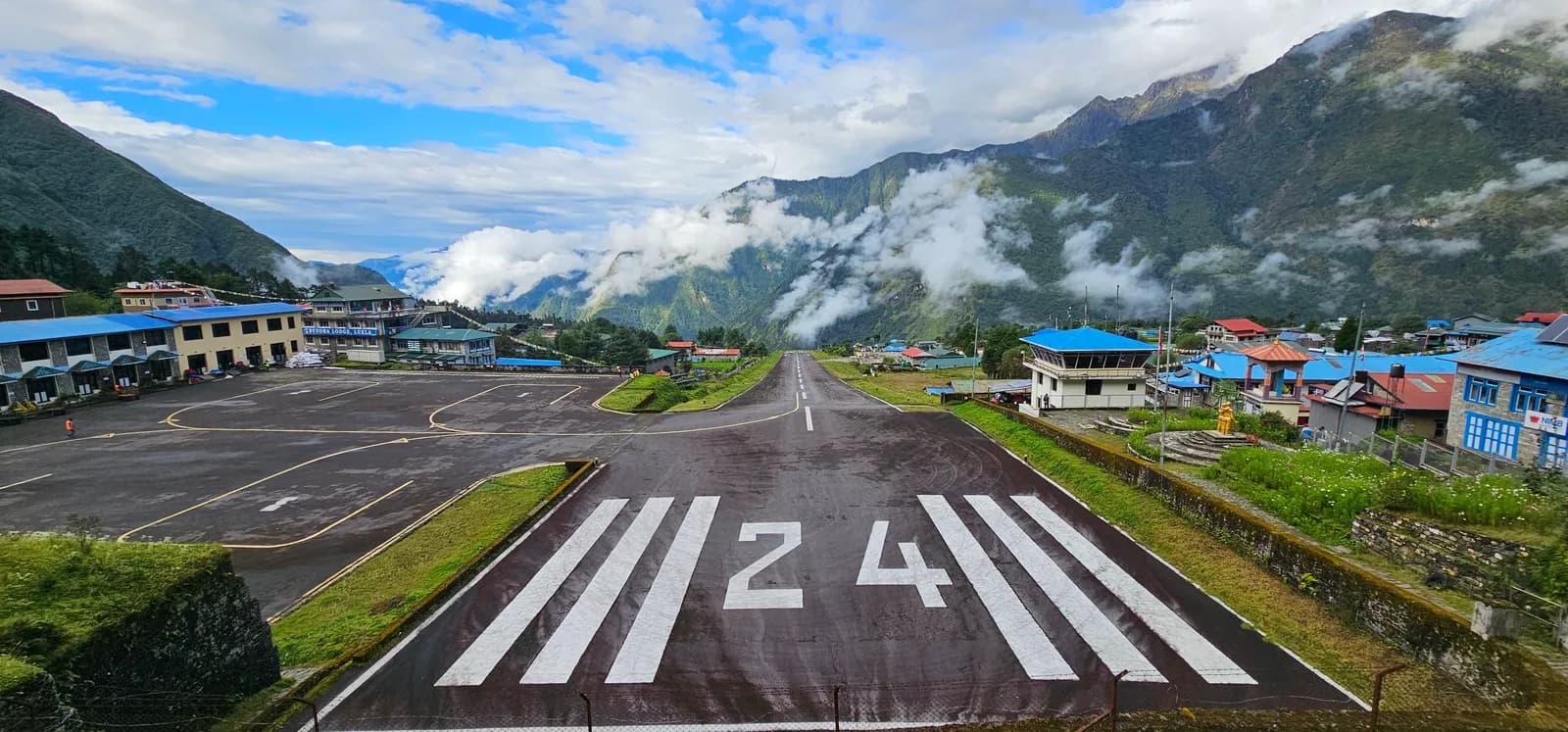
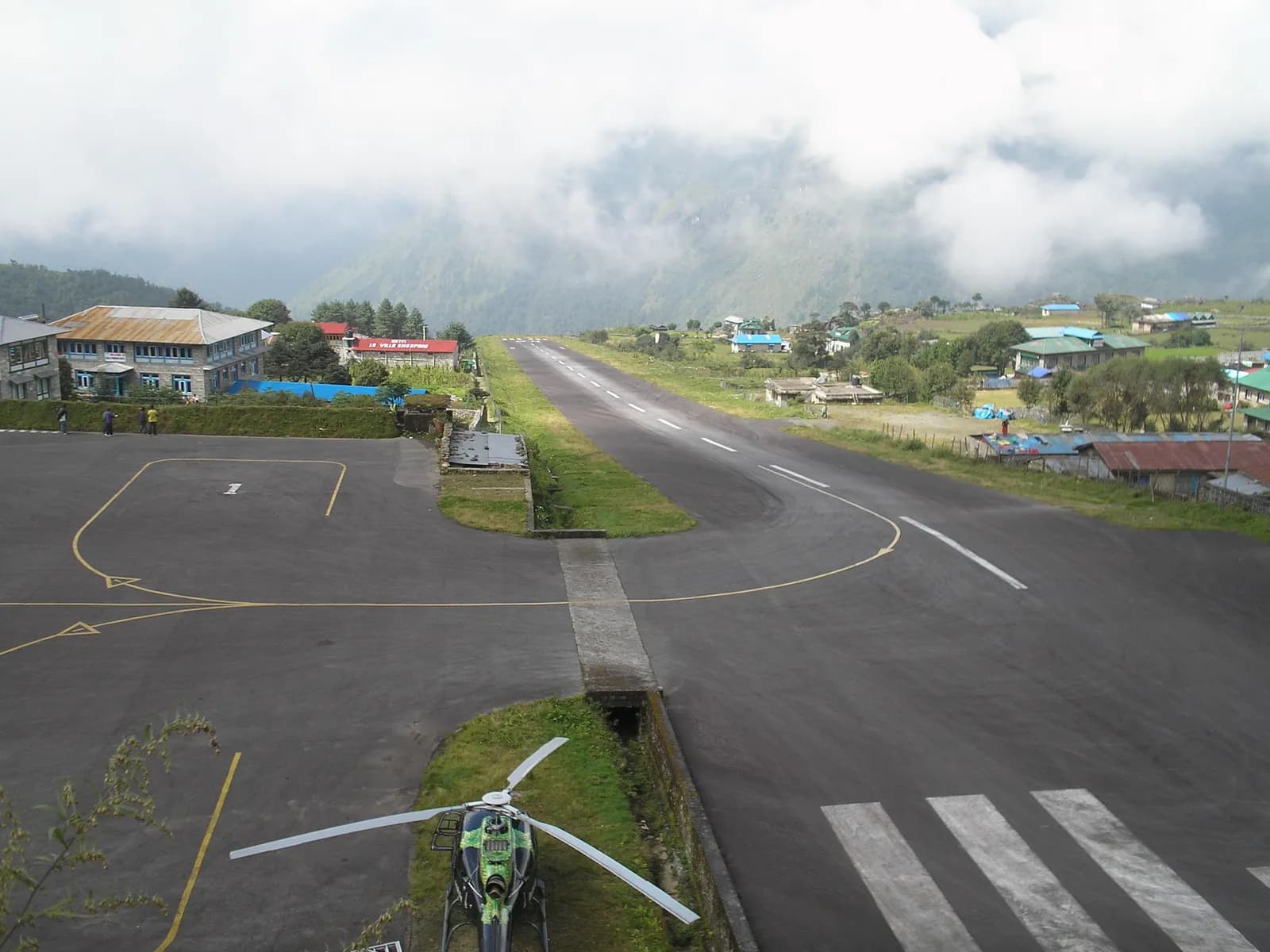
The Kathmandu to Lukla flight costs about USD 190 to 240 each way for foreigners in our October 2026 tables, and the Pokhara to Jomsom flight about USD 120 to 200 each way. Those two fares are the biggest transport lines in most Nepal trek budgets, and a return flight costs double the one-way figure. This guide collects every domestic flight fare in our cost tables in one place, shows what the return costs, and flags the legs where no fare is published instead of guessing. All figures are as of October 2026, from our region cost tables verified on 18 October 2026, and US dollar quotes are converted at about NPR 134.
These are market ranges from operator guides and news reports, not an airline tariff. Fares change, and the same seat is quoted differently by different sellers, so treat them as the scale of the cost and get the exact price in writing when you book. For how the flights work on the day, read the Kathmandu to Lukla flight guide and the Pokhara to Jomsom flight versus jeep guide.
Open trips on Everest Base Camp Trek
Real trips posted by trekkers looking for partners.
The fares at a glance
| Flight | One way, USD | One way, NPR | Return, NPR | Route pages that use it |
|---|---|---|---|---|
| Kathmandu to Lukla | 190 to 240 | 25,500 to 32,200 | 51,000 to 64,400 | Everest Base Camp, Gokyo, Three Passes |
| Pokhara to Jomsom | 120 to 200 | 16,100 to 26,800 | 32,200 to 53,600 | Upper Mustang, Dhaulagiri finish |
| Kathmandu to Tumlingtar | 150 to 200 | 20,100 to 26,800 | 40,200 to 53,600 | Makalu Base Camp |
| Kathmandu to Nepalgunj | 100 to 140 | 13,400 to 18,800 | 26,800 to 37,600 | Rara, Dolpo, Humla |
| Nepalgunj to Talcha (Rara) | 100 to 150 | 13,400 to 20,100 | 26,800 to 40,200 | Rara Lake |
| Kathmandu to Suketar (Taplejung) | not quoted | 9,267 to 12,000 | not quoted | Kanchenjunga |
Fares that are not published in our sources, and so are not priced here: Kathmandu to Bhadrapur, Kathmandu to Dhangadhi (65 to 90 minutes, for Api and Khaptad), Nepalgunj to Juphal (for Dolpo) and Nepalgunj to Simikot (for Humla). Our route pages show these as lines to check with your agency. Where a number is missing, we say so instead of rounding up an unsourced guess.
Lukla: the largest single line
The Everest region needs a flight unless you walk in from Phaplu or Jiri, which adds days. Our Everest cost note puts the fare at about USD 190 to 240 each way and records that fares rose on 1 March 2026. For a Base Camp trek that is NPR 51,000 to 64,400 for the return, per person, before the guide, porters, lodges and permits. On the Everest Base Camp route page the flight leg is the largest transport line; on the Gokyo Lakes route it is the same.
Two practical points about this fare. First, in the busiest months many Lukla flights leave from Ramechhap (Manthali), a 4 to 5 hour drive from Kathmandu, so the real cost includes a pre-dawn road transfer that our tables do not price. Second, the fare does not buy certainty: Lukla flights stop in poor weather, and our buffer days guide explains why you need a spare day or two at each end.
Jomsom: cheaper, but a morning-only flight
The Pokhara to Jomsom flight is about USD 120 to 200 each way in our Annapurna notes, or NPR 16,100 to 26,800. The Upper Mustang route lists the return, NPR 32,200 to 53,600, and the Dhaulagiri Circuit lists a single Jomsom to Pokhara flight at the end of the trek. Flights fly in the morning only, because the wind in the Kali Gandaki valley builds later in the day, so a cancelled morning often means a lost day. The alternative is a long jeep ride; see the flight versus jeep guide for what each costs in time and risk, and our Jomsom to Muktinath and Kagbeni transport guide for the road beyond.
The far west and east: two flights, no fixed fare
Treks in the west start with a flight to Nepalgunj, about USD 100 to 140 each way, and for Rara Lake a second flight to Talcha at USD 100 to 150 each way. That makes the Rara Lake route's two return flights NPR 26,800 to 37,600 plus NPR 26,800 to 40,200, together NPR 53,600 to 77,800 per person, before anything else. The alternative our Rara notes give is to travel to Surkhet by bus and then by jeep, at USD 70 to 110 one way. See getting to Rara Lake for the route.
In the east, Kanchenjunga trekkers can fly Kathmandu to Suketar on Nepal Airlines, which quoted NPR 9,267 in November 2025 and NPR 12,000 in April 2026 for three flights a week, often cancelled. The usual plan is to fly to Bhadrapur and drive 9 to 10 hours to Taplejung, as described in getting to Kanchenjunga. For Makalu, the flight to Tumlingtar is about USD 150 to 200 each way, with a jeep onward to Seduwa that has no published fare in our sources.
What the fare does not include
- Baggage. Small aircraft have tight allowances and excess weight is charged. See our guide to domestic flight baggage limits.
- Delay costs. Extra nights in Kathmandu, Pokhara, Nepalgunj or Lukla are yours unless insurance pays. Our trekking insurance guide lists what to ask.
- Transfers to the airport and Ramechhap. Not priced in our tables.
- Return and onward flights. International departures after a trek need a margin; leave a day or two.
How to budget flights without overpaying
- Count the legs. A return Lukla trek is two flights; a Jomsom trek that ends by jeep may be one.
- Use the high end of the range for planning, and treat anything lower as a bonus.
- Ask whether the quote includes taxes and whether there is a fuel surcharge.
- Check who sells the seat. Airlines, agents and trekking agencies quote different totals for the same flight. Compare in writing.
- Keep buffer days, because a cancelled flight costs a night of room and food in addition to the delay.
Sharing the cost
Flights are per seat, so unlike a guide or a jeep, they do not get cheaper with more people. That makes them the one big line that sharing does not reduce, and it is why the guide and the vehicle are where partners save. Our Nepal trekking cost guide shows which lines divide by group size, and our trekking partner hub explains how to find people to split them with. For a trek where the flight is a major cost, such as Upper Mustang, the guide is the line to share; the permit is per person.
Where to read next
Sample flight budgets for four treks
Using the fares in the table, here are the flight lines for four routes, per person, return unless noted.
- Everest Base Camp. Two Lukla flights: NPR 51,000 to 64,400.
- Upper Mustang. Two Pokhara to Jomsom flights: NPR 32,200 to 53,600.
- Rara Lake. Two Kathmandu to Nepalgunj flights plus two Nepalgunj to Talcha flights: NPR 53,600 to 77,800.
- Makalu Base Camp. Two Kathmandu to Tumlingtar flights: NPR 40,200 to 53,600, plus an unpriced jeep to Seduwa.
The Everest line is the most predictable because Lukla is the standard start, and the western routes are the least predictable because two flights each way have more chances to be delayed. A trekker who needs a firm return date should add a buffer to each leg and think about insurance for delays.
Comparing a flight with the alternatives
A flight is not the only way to reach most of these places, but alternatives cost days. The Everest region can be reached by driving to Phaplu, Salleri or Jiri and walking, which adds days to the route. Jomsom can be reached by a long jeep ride. Rara can be reached by bus to Surkhet and then by jeep, at USD 70 to 110 one way in our note. Compare the cash and the days: the cheapest route on paper may cost more in time than a flight saves in money. Our getting to trailheads guide shows the options.
Booking and payment habits
Book through your agency or directly with an airline or a reputable agent, and get the fare, the date, the airport and the baggage allowance in writing. Check the passenger name against your passport. If you pay in advance, ask about the refund and change terms, particularly for weather cancellations. Keep the e-ticket on your phone and a paper copy. Do not pay a stranger who approaches you at an airport. For the baggage details, see domestic flight baggage limits.
What happens after a cancellation
Flights cancelled for weather are normally rebooked on the next available seat, which may be the following day, and the queue can be long. Your hotel, meals and onward connections are your cost unless your policy pays. Photograph the cancellation notice, keep receipts and tell your insurer. If you are on a tight schedule, ask early whether a helicopter charter is realistic, but note that it is a costly last resort; see our helicopter charters guide.
The getting to Nepal trailheads guide covers every start point, the jeep and bus costs guide prices the road alternatives, and the costs and budget hub lists the rest of the budget lines. Fares here are approximate; confirm them with your airline or agency before you pay.