Helicopter charters as trailhead shortcuts in Nepal
When a helicopter charter makes sense as a trailhead shortcut or a Lukla delay fix in Nepal, why we publish no price, how seat sharing and weather work, what insurance usually does not cover and a checklist for booking one safely.
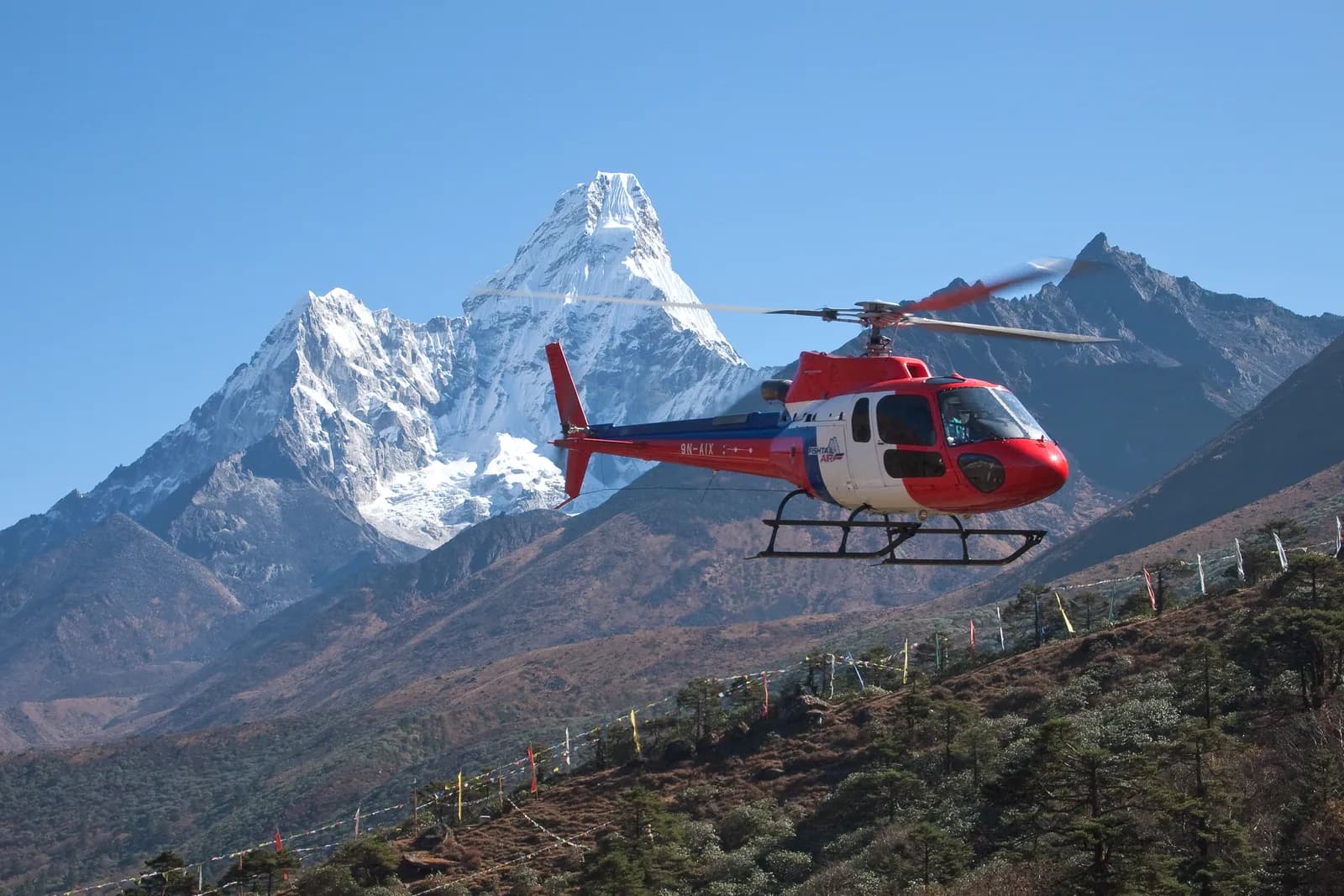
A helicopter charter in Nepal is a way to skip a closed road or a weather-bound flight when you have a hard deadline, and it is a poor value as a convenience: it costs far more per seat than a scheduled flight and it is limited by the same weather. We publish no price, because our cost tables have no helicopter fares we can verify and quotes depend on the route, the aircraft, the season and the number of seats. What we can give you is the situations where a charter makes sense, how seat sharing works, what insurance usually does and does not do, and a booking checklist that protects you from the worst outcomes. For the scheduled flight it replaces, see internal flight costs and the Kathmandu to Lukla flight guide.
Facts about the routes come from our pages, verified 19 October 2026.
Open trips on Everest Base Camp Trek
Real trips posted by trekkers looking for partners.
When a charter makes sense
A charter is an expensive tool for a few specific problems:
- A Lukla delay with a deadline. Weather at Lukla can stop flights for a day or more, and a trekker who must catch an international flight may consider a charter. Our Everest note says to keep one to two spare days precisely to avoid this decision; see buffer days.
- A road closure. Landslides cut roads such as the Langtang, Rolwaling and Kanchenjunga roads in the monsoon, according to our region notes. A charter can bypass a closure, if the weather allows a flight.
- A medical need. That is evacuation, which is a different thing, covered by insurance if it is medically necessary. See trekking insurance.
- A tight schedule. Some trekkers fly out of a remote start or finish to save days. It is rarely worth the cost compared with a spare day.
If none of these applies, a scheduled flight, a bus or a jeep is the better choice. Compare the options in getting to Nepal trailheads.
Weather limits helicopters too
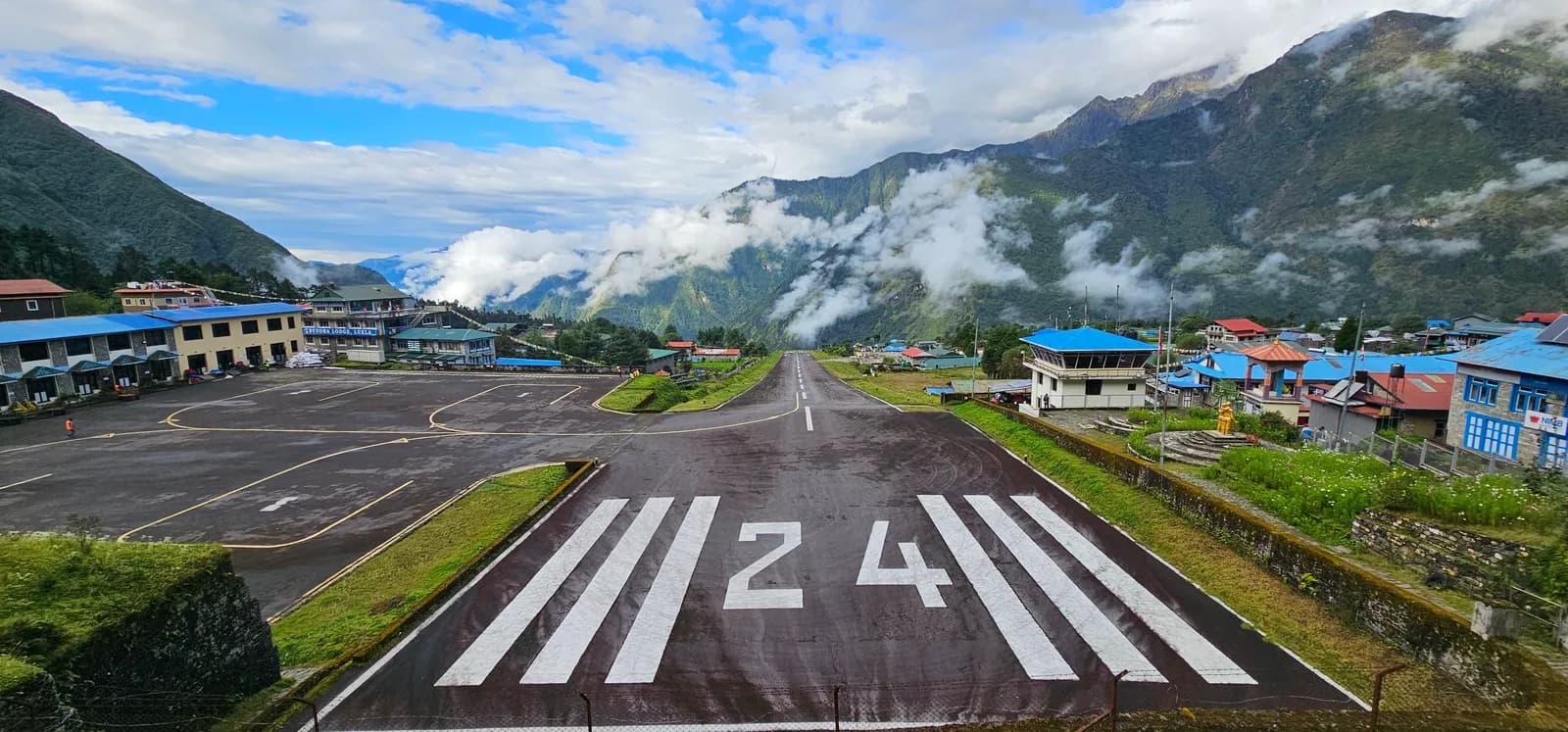
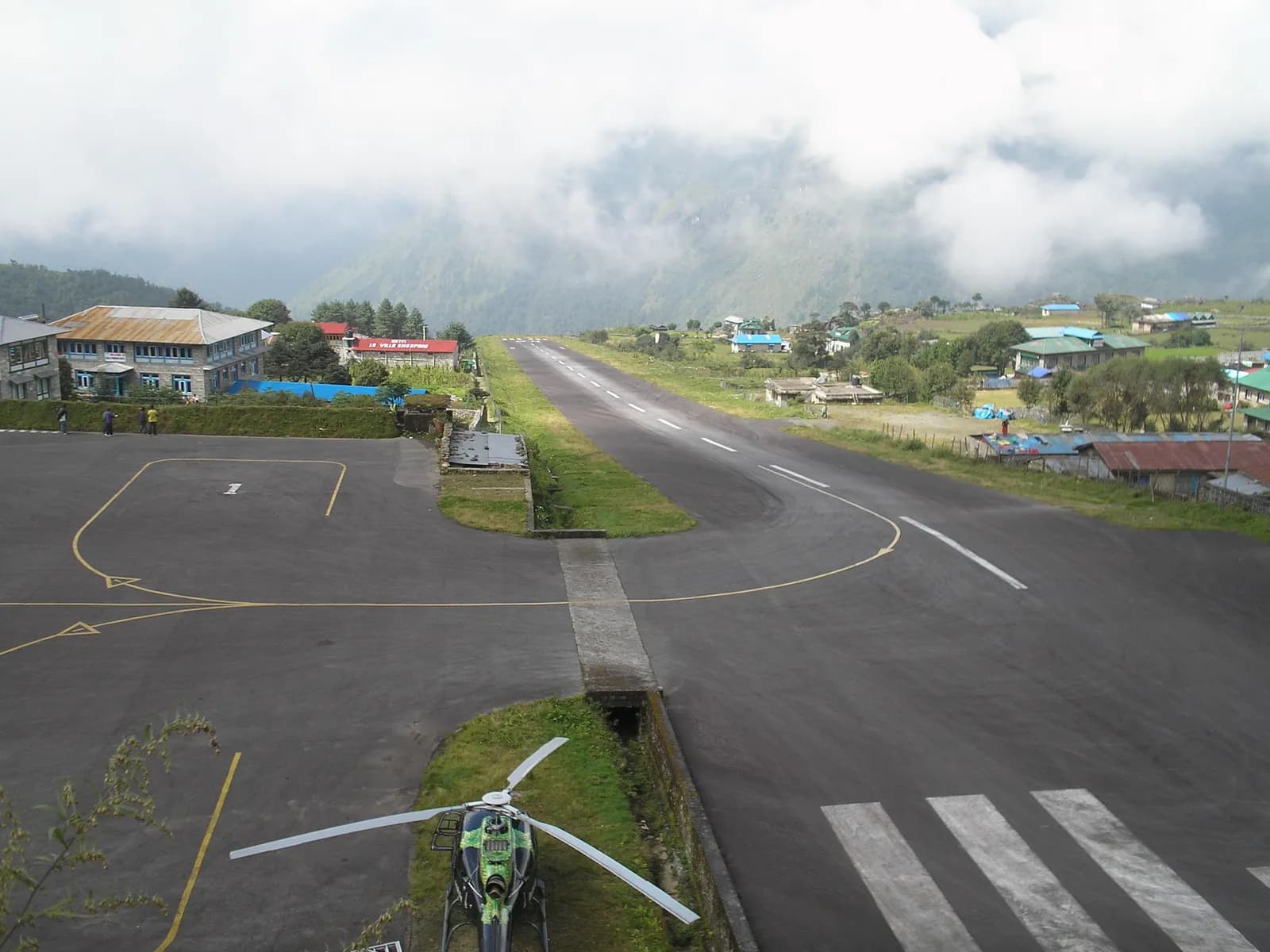
A helicopter does not fly above the weather. Cloud, wind and low visibility close mountain flying, and a charter booked in a bad spell can be delayed for the same reasons a scheduled flight is. That is the key point for a shortcut: you may pay a high price and still wait. Ask the operator what happens if the flight cannot go: whether you are charged, whether the booking can be moved and who decides. Lukla's airstrip sits on a ledge with a short sloped runway, per the Tenzing-Hillary Airport entry, and weather there is the main cause of delays. A helicopter can use other landing places, but the sky is the same.
Sharing a charter
A helicopter has a limited number of seats, so the cost is shared among passengers. When flights stop, trekkers waiting in Kathmandu or Lukla sometimes share a charter, which divides the price. Practical points:
- Agree the number of seats and the price per seat before anyone pays.
- Know who is on board. Weight limits matter, so the operator will ask for your weight and your baggage.
- Check baggage limits; a helicopter is tighter than a scheduled aircraft. See domestic flight baggage limits.
- Agree what happens if someone drops out. The aircraft price does not fall.
- Pay the operator, not an intermediary, and ask for a receipt.
If you have trekking partners through our trekking partner hub, agree before the trek whether you would share a charter in a delay, and what your limit is; our what to agree guide lists the points.
What insurance does and does not do
Insurance generally covers a medically necessary evacuation, with a stated altitude cap and conditions, not a charter booked because a flight was cancelled. Some policies include delay or curtailment cover that can help, and others do not. Ask your insurer, before you book, whether a charter is covered and under what circumstances, and keep every receipt and message. Our trekking insurance guide explains the wording to check.
For a medical flight rather than a convenience charter, read our guide to helicopter evacuation in Nepal: how it works and what it costs.
Be careful who you book with
Rescue and charter flights have a history of fraud in Nepal. A 2018 government fact-finding committee investigated helicopter companies, hospitals and agencies over inflated and duplicate insurance claims, and press reports in 2026 say police have since charged 32 people in a fake-rescue case, though the reports differ on some details. For a convenience charter the lesson is to deal with a registered operator, get the price and conditions in writing, avoid pressure and be sceptical of any unrequested "rescue". Our trekking scams guide covers this in more detail.
Questions to ask before booking
- Who is the operator, and is it registered with the civil aviation authority?
- What is the total price, what does it include and how many seats are there?
- What are the baggage and weight limits?
- What if the weather stops the flight?
- What are the payment and refund terms?
- Who can I call if something goes wrong?
- Will my insurer cover it?
If a quote cannot answer these, do not book.
By route
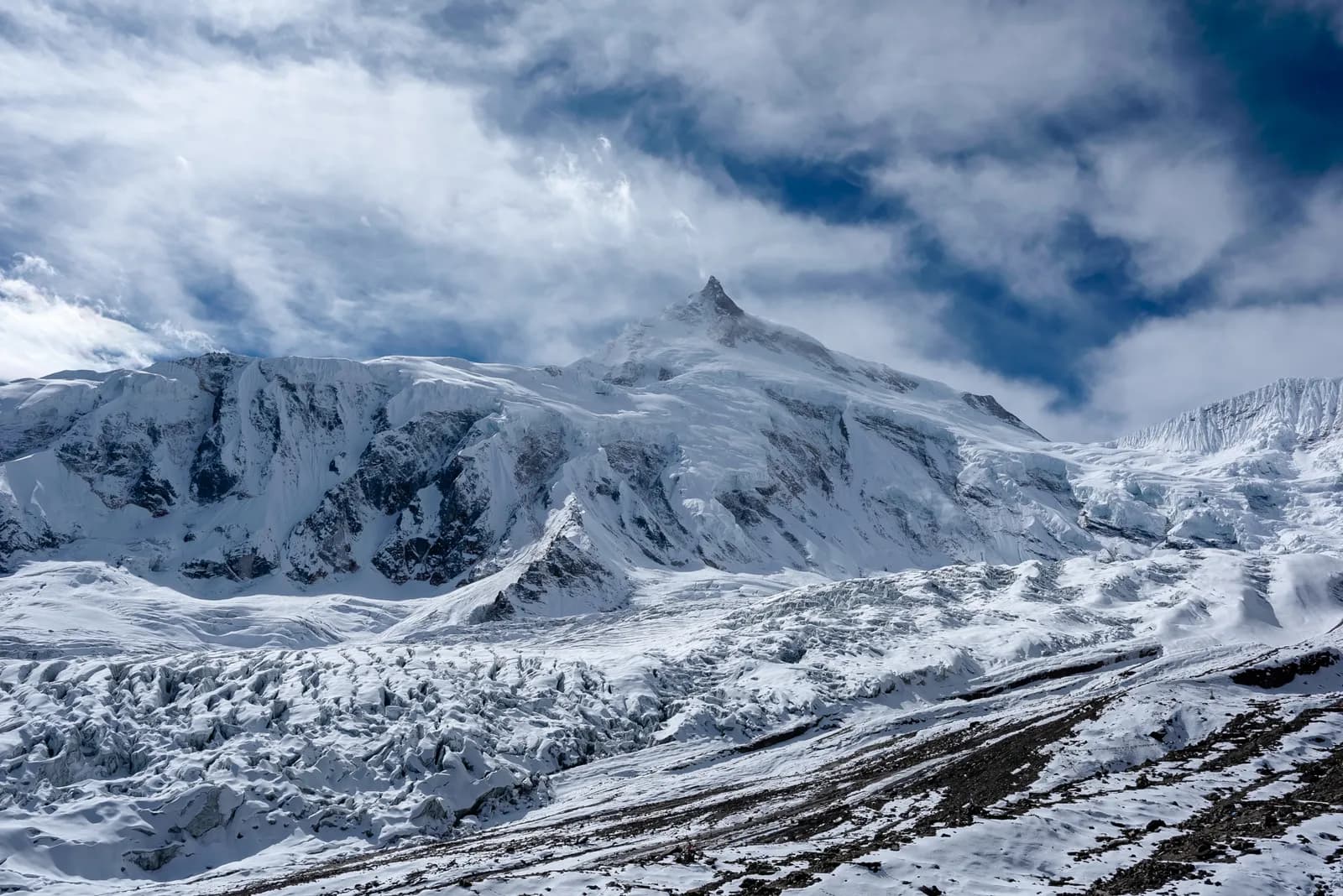
On the Everest Base Camp route, the scheduled flight is the standard start and the Everest note says to keep one to two spare days for delays; a charter is the emergency option. The Manaslu Circuit has no air access in our region note, so a road closure there is a trek-planning problem, not one a scheduled flight can solve; an agency can advise on options. Always check the route's own page for the access notes.
Alternatives that cost less
- A spare day or two at each end.
- A bus or jeep where the road is open, see road and jeep safety.
- Changing the plan, such as shortening the trek or leaving by another route.
- Waiting for the next scheduled flight, which is the usual outcome.
A decision tree for a flight delay
If your scheduled flight is cancelled, ask four questions in order. First, how many spare days do you have before your next hard commitment? If you have two or more, wait for the next flight; the cost of waiting is a room and food, far less than a charter. Second, is the weather forecast to improve? Your guide, the airline or the agency may know. Third, is anyone else in the same position who might share a charter, and can you agree the terms with them quickly? Fourth, would your insurer pay for any part of it? Only if the answers point toward a charter and you accept the cost should you ask for quotes.
Seat-sharing arithmetic
The arithmetic is simple: the charter price is divided by the number of seats actually filled. If the quoted price is P and four seats are filled, each person pays P divided by four. If a fifth person joins before departure, each share falls; if someone drops out, each share rises, which is why you should agree in writing what happens in that case. Ask whether the price is for the whole aircraft or per seat, and whether it includes landing fees, waiting time and the return of the aircraft. Do not pay until the number of seats and the total are written down.
Documents and identification
A charter flight, like any aircraft, needs the names and passport details of passengers, and the operator will ask for weights. Have your passport and permits with you, and tell the operator about any medical needs. Keep a copy of the booking, the receipt and the operator's contact details. If your trek is in a restricted area, check with your agency before you change your route by air, because your permit and your guide are tied to the planned itinerary.
Landing places and what they imply
A scheduled aircraft needs an airstrip, and a helicopter can land on a smaller area, but both need clear weather and a safe spot. The advantage of a helicopter is flexibility; the limit is that it is exposed to the same cloud and wind that stop the aircraft. Do not assume it can reach the place you want without checking. Ask the operator which landing places it uses and how it will pick you up.
Environmental and community considerations
Helicopters are noisy and carbon-intensive, and in busy valleys their flights are a nuisance to villagers and walkers. If a delay is manageable, waiting a day is kinder to the valley as well as cheaper. If you do fly, travel with a full aircraft rather than a half-empty one. Our buffer days guide shows how to plan so that you rarely need one, and our overland from India guide discusses other ways to reach the start of a trek.
More guides are in the transport and logistics hub. Prices and rules change; confirm every detail with the operator, your agency and your insurer.