Trekking in Nepal in September
What September is like on the trail: the fading monsoon, green trails, clear rain-shadow regions, rising permit prices for Manaslu and Tsum and the build-up to Dashain. Region by region.
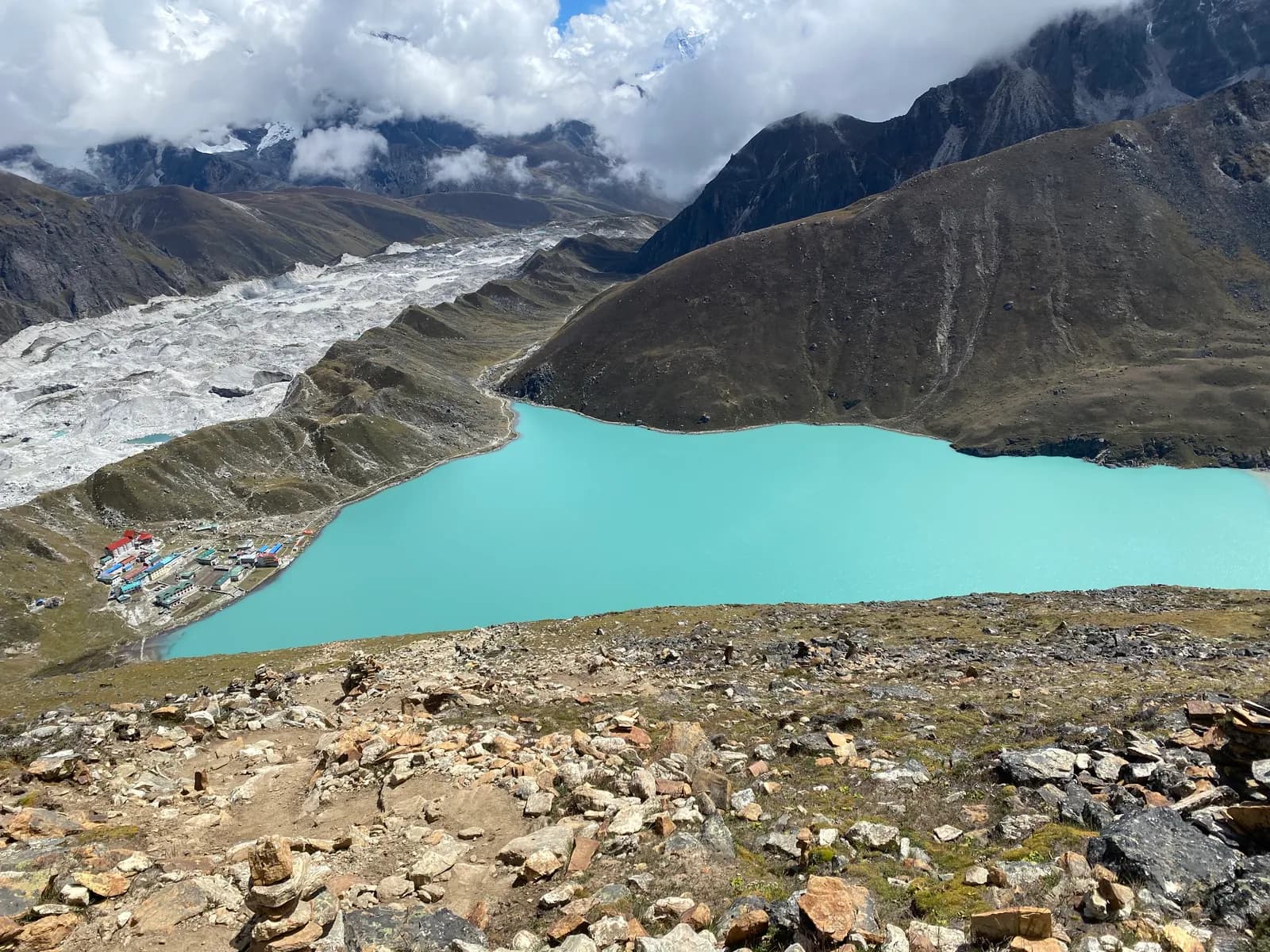
September is the month Nepal's trekking season starts to come back, and it is a gamble that pays off on the right routes. The monsoon is fading, trails are green and washed, the rain-shadow regions are clear and stable, and the crowds of October have not arrived yet. On the southern, wetter routes, early September is still wet, and the first clear weeks tend to arrive toward the end of the month.
Whether September works depends on the route and on the week. Upper Mustang calls this a good month, Dolpo and Rara list September among their best seasons, and Manaslu's Larkya La may still be wet and icy early on. This guide covers the weather service's numbers, region-by-region advice, the permit pricing that changes this month and the festival and flight pressure that builds toward the end.
ทริปที่เปิดรับใน Upper Mustang Trek (Lo Manthang)
ทริปจริงที่นักเทรคโพสต์เพื่อหาเพื่อนร่วมทาง

What the monsoon calendar says
Nepal's Department of Hydrology and Meteorology gives 13 June as the normal monsoon onset and 2 October as the normal withdrawal, a normal season of 112 days. September is therefore the tail of the monsoon. In recent years withdrawal has come later than the normal date: 15 October in 2023, 12 October in 2024 and 10 October in 2025. So treat September as a month of improving odds, not a guarantee. Rain can come in any week, and the clearest spells often start in the last days of the month or in October.
Region by region
| Region | September conditions |
|---|---|
| Everest | Monsoon fades through the month; trails dry out and the air clears by the end |
| Annapurna | Monsoon fades; trails are green and the air clears toward the end |
| Langtang | Rains fade |
| Manaslu | Pass wet and icy early in the month |
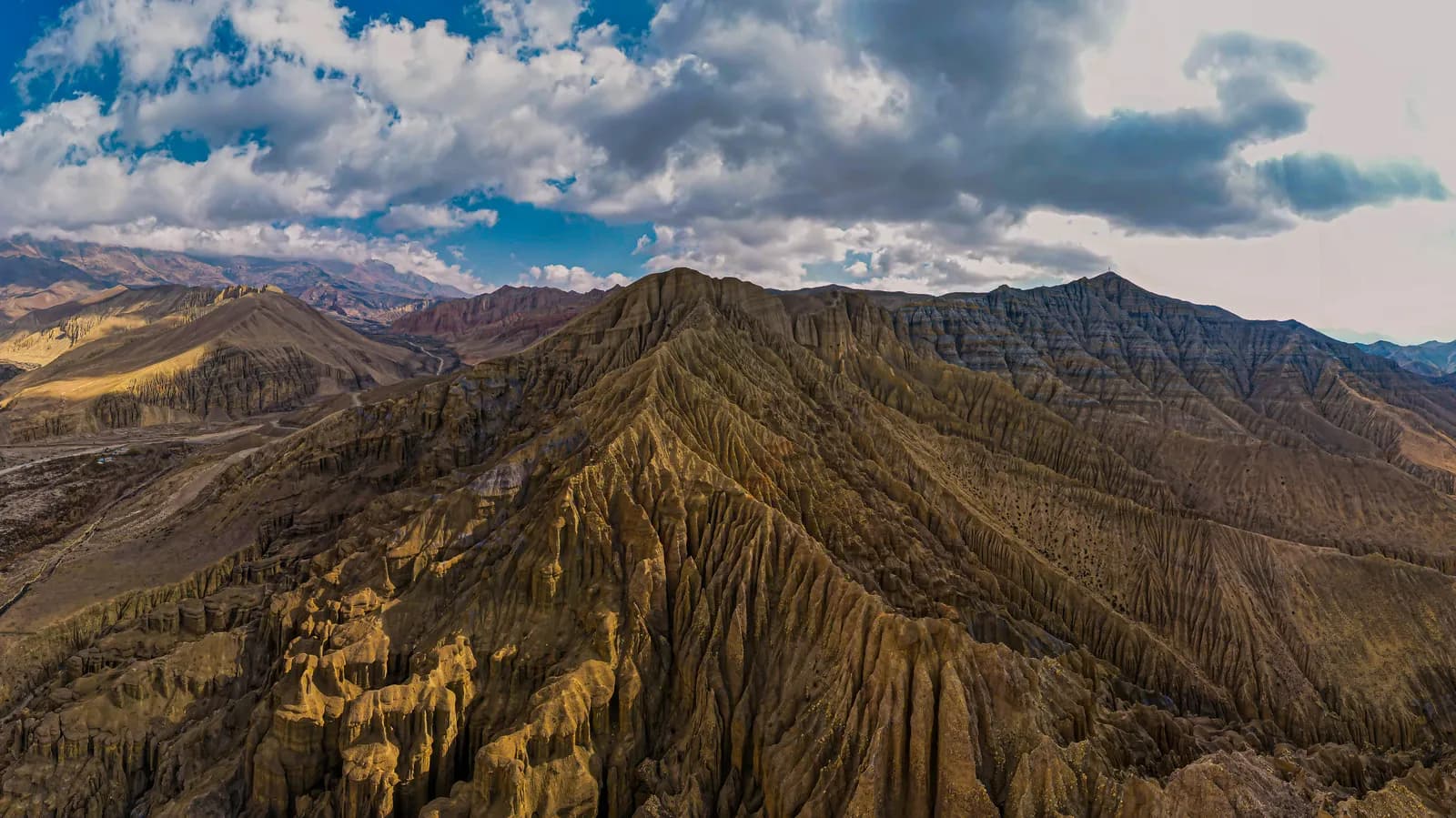
| Upper Mustang | Clear, stable weather as the monsoon ends |
| Dolpo | Listed as a best season (September to October) |
| Rara | Listed within its best season (September to November) |
These come from the month-by-month sections of our regional pages.
Upper Mustang
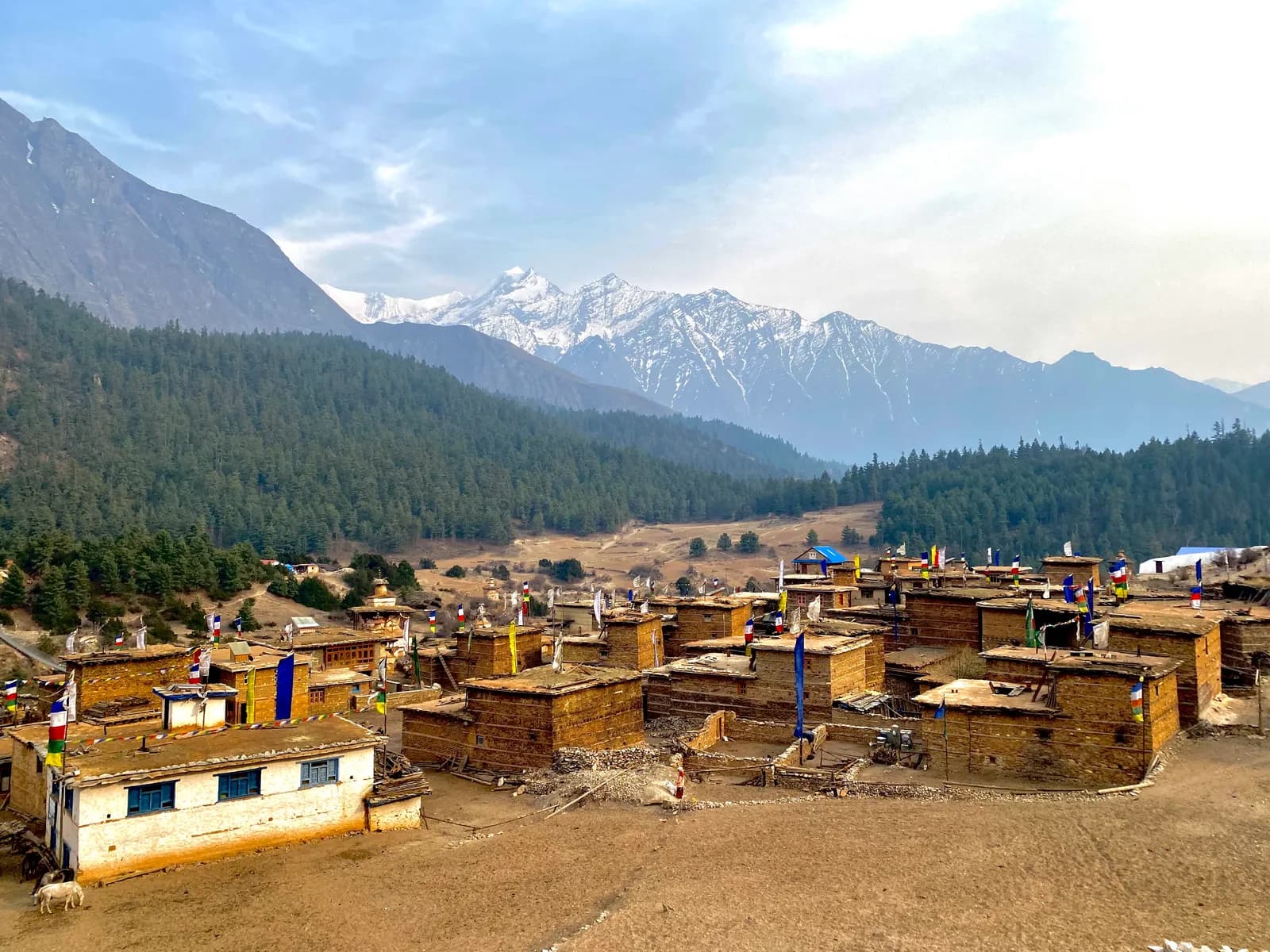
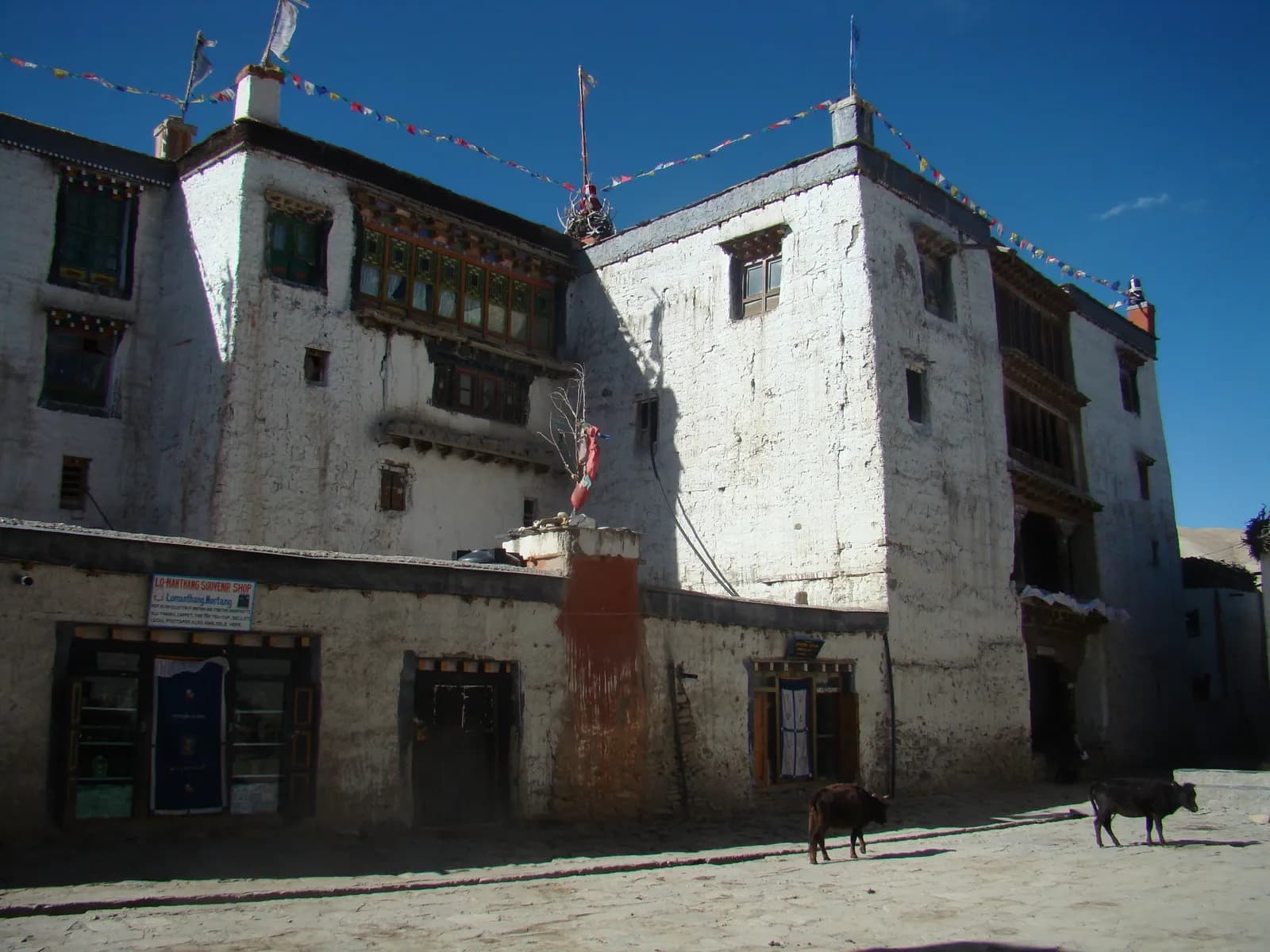
The Upper Mustang region page calls September "a good month": clear, stable weather as the monsoon ends. The Upper Mustang trek is 12 days from Jomsom via Kagbeni (2,810 m) to Lo Manthang (3,840 m). The restricted-area permit is USD 50 per person per day as of October 2026, so USD 500 for the 10 days our plan counts. Because September is quieter than October, lodges and your agency are easier to book. See best time for Upper Mustang.
Dolpo and Rara
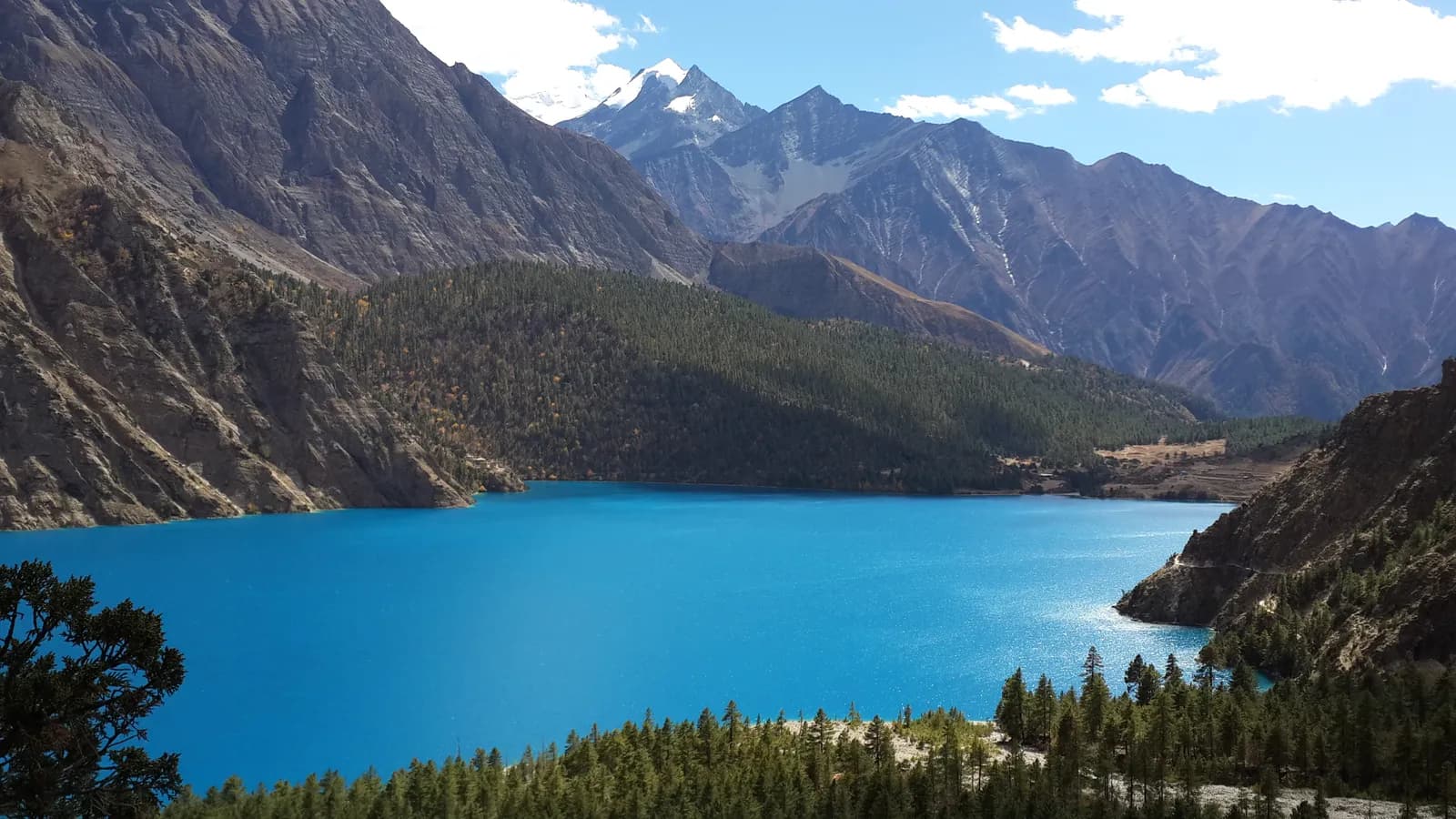
Dolpo lists September to October among its best seasons. The Upper Dolpo circuit takes 22 days and its highest point is the Kang La at about 5,360 m, while Phoksundo Lake reaches 3,640 m. Rara's page lists September to November, and the Rara Lake route stays between 2,370 m and 3,000 m. Both rely on weather-dependent flights from Nepalgunj, so plan extra days. Our guides to getting to Dolpo and getting to Rara explain the options.
Manaslu and Tsum
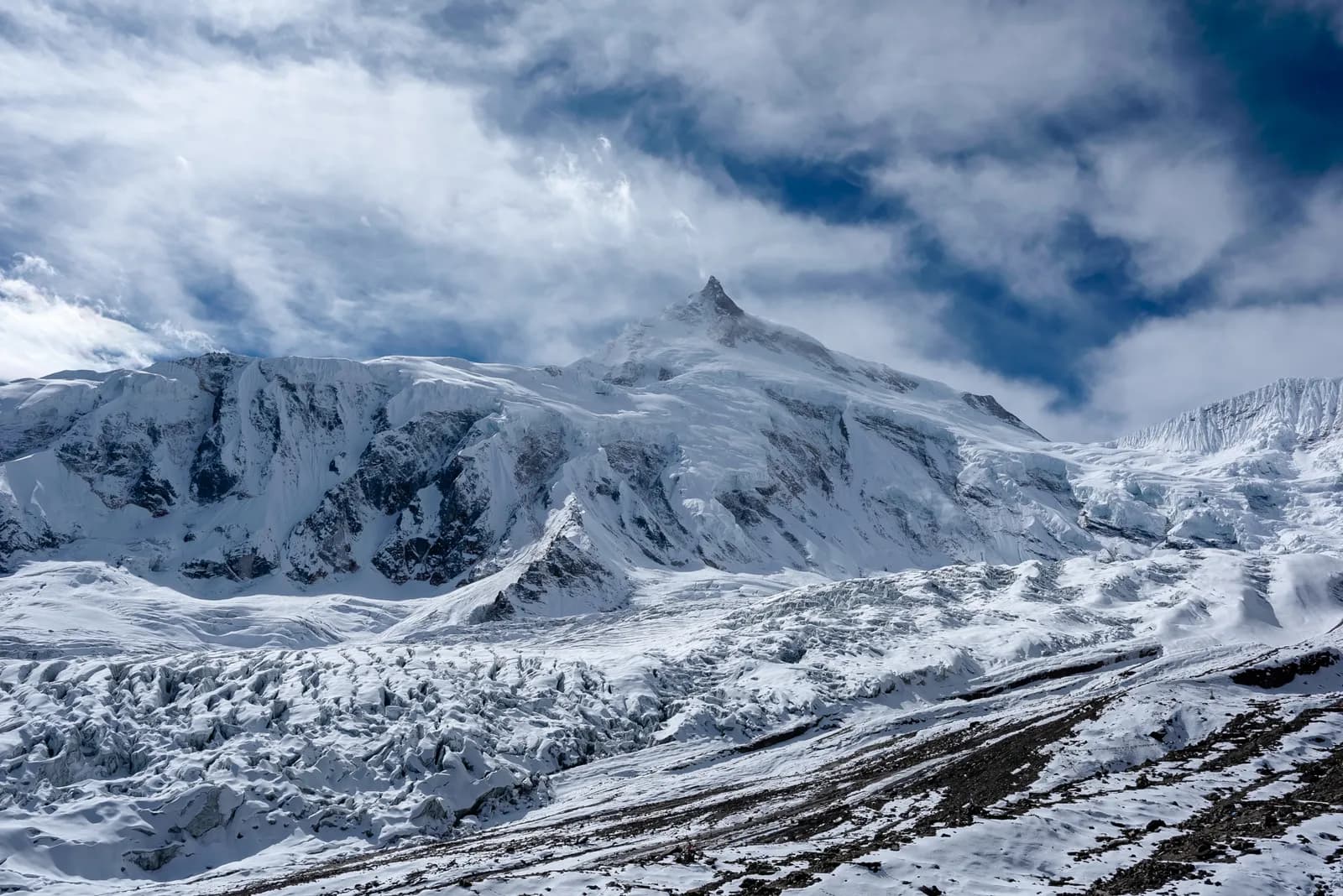
Our month table says the Larkya La pass is wet and icy early in September. The Manaslu Circuit crosses Larkya La (5,106 m) on day 11, so ask the agency about recent conditions, and plan the pass for the second half of the month if you can. The roads are the other problem: the drive from Kathmandu to Machha Khola is about 8 to 9 hours by jeep and landslides can close it in the monsoon. Tsum Valley tops out at 3,700 m, so it avoids the pass risk. Both are restricted areas, and September is when the permit price rises: as of October 2026 the Manaslu permit is USD 100 per person for the first week plus USD 15 per extra day from September to November (USD 175 for 12 days), against USD 75 plus USD 10 from December to August. The Tsum permit is USD 40 a week plus USD 7 a day from September to November (USD 68 for 11 days). The published schedule does not say how a trek that straddles the end of August is charged, so ask the agency which rate applies to your permit days. See the Manaslu permit guide.
Everest, Annapurna and Langtang
On the wetter routes September is a mixed bag. The Everest page says the monsoon fades through the month, trails dry out and the air clears by the end. Flights to Lukla are still affected by cloud early in the month, so a late-September start is a better bet than an early-September one. The Annapurna page says trails are green and the air clears toward the end. The Annapurna Circuit has the advantage that its northern half is much drier than the south, so September on the upper section can be stable even when the lower drive is wet. Read best time for the Annapurna Circuit. Langtang's rains fade, but the Trishuli road is landslide-prone in wet weather; the Langtang Valley starts with a 7 to 8 hour drive.
The festival effect
Dashain, Nepal's largest festival, can begin as early as late September. For 2027 a Nepali calendar listing expects it to start about 30 September, with the tenth day, Vijaya Dashami, around 9 October. In 2026 it began on 11 October. In a Dashain week, offices close and buses and flights fill with people going home. If your dates touch it, book transport early and avoid the tika day for travel. Our October guide has the dates and the effects.
Early September or late September?
The month is really two seasons. In the first half you are still inside the monsoon in the south, and the useful choices are the routes our pages describe as sheltered: Upper Mustang, Dolpo and, to a lesser degree, the northern half of the Annapurna Circuit. In the second half, the air starts to clear on the wetter routes and the trails dry out, which is the point at which Everest, Langtang and the Annapurna south become sensible again. If you can choose, a start in the last ten days of September gives you the cleanest air with the least crowd, because most visitors wait for October.
The risk of that choice is the calendar around Dashain. When the festival falls early, as the 2027 listing suggests, the last week of September is no longer quiet: government offices close, people travel home, and the Kathmandu to Lukla, Pokhara and Syabrubesi legs fill. You can manage it by booking transport as soon as you fix dates and by starting your walk before the holiday rush peaks, so you are on the trail while the cities are busy. Weather judgement is similar. Ask your agency or lodge for the last three days of conditions rather than relying on a month-old forecast, and keep the flexibility to swap the order of days, for example doing the acclimatisation hike on a cloudy morning and saving the viewpoint for a clear one.
Health and conditions
Wet, warm trails are slippery. Check your footing on stone steps and wet roots, and keep boots dry. Leeches live on the low, wet southern trails in monsoon, and the Annapurna region page lists landslides as a risk. Altitude advice does not change with the month: above 3,000 m, a sleeping-altitude gain of no more than 500 m a night and an extra night for every 1,000 m gained is the guidance the CDC cites from the Wilderness Medical Society. See the acclimatisation schedule guide.
Booking and costs
September is a quieter month for lodges, so you can often book a few days ahead, but flights should be booked early for the Dolpo, Rara and Mustang routes. Park permits are the same all year: as of October 2026, NPR 3,000 for Sagarmatha, Langtang, Rara and Shey Phoksundo, and NPR 3,000 for ACAP, with the Khumbu trek card also NPR 3,000. Flights are the large line on remote routes: Kathmandu to Nepalgunj is about USD 100 to 140 each way, and Pokhara to Jomsom about USD 120 to 200 each way, in our dated cost data. See the permits page.
A simple September plan
- Choose a rain-shadow route (Upper Mustang, Dolpo or Rara) if you want to start in the first half of the month.
- Choose a wetter route for the last week (Everest, Annapurna Circuit, Langtang) if you can wait for the clear air.
- Keep two buffer days for flights or roads.
- Pack for rain and sun. A shell, a pack cover, boots that cope with mud and sun protection for the clearer days.
- Confirm permit dates if you are heading to Manaslu or Tsum, because the higher September to November rate band starts this month.
September rewards flexible trekkers. If you cannot be flexible, October is safer and busier, and best time to trek in Nepal puts the months side by side.
วางแผนเทรคนี้
- คู่มือภูมิภาค Annapurna
- คู่มือภูมิภาค Manaslu
- คู่มือภูมิภาค Upper Mustang
- คู่มือภูมิภาค Dolpo
- คู่มือภูมิภาค Rara
- Trekking partner for Upper Mustang Trek (Lo Manthang)
- Upper Dolpo: Shey Phoksundo to Shey Gompa trekking partners
- Trekking partner for Rara Lake Trek
- Find someone to trek Manaslu Circuit Trek with
- Trekking partner for Annapurna Circuit Trek
- แผนการเดินทาง Upper Mustang Trek (Lo Manthang)
- แผนการเดินทาง Upper Dolpo: Shey Phoksundo to Shey Gompa
- แผนการเดินทาง Rara Lake Trek
- แผนการเดินทาง Manaslu Circuit Trek
- แผนการเดินทาง Annapurna Circuit Trek