Best time for the Annapurna Circuit, month by month
When to walk the Annapurna Circuit: month-by-month conditions on Thorong La, the monsoon rain-shadow exception north of Chame, snow risk, flights from Jomsom and which month suits which priority.
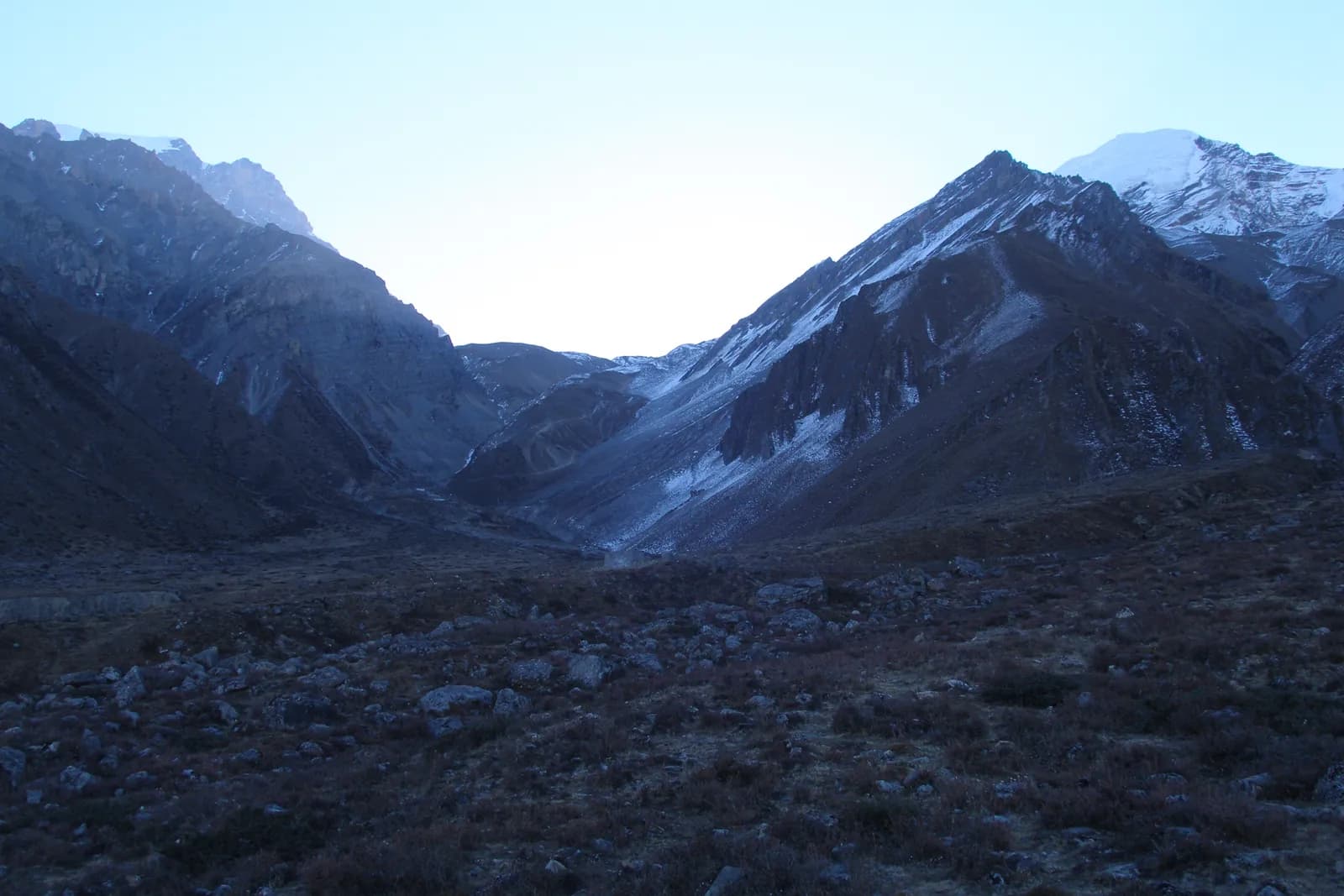
The best time for the Annapurna Circuit is October to November and March to May. October has the steadiest weather and the busiest lodges, November is colder but very clear and brings more snow to the pass late in the month, and April is the spring peak, when rhododendrons flower on the southern slopes. The Circuit is unusual because its northern half sits in the rain shadow: during the monsoon the wet sections are south of Chame, while Manang and the Kali Gandaki valley stay much drier.
This guide takes each month in turn and explains what changes on the pass, on the road and in the lodges. The day plan is in the Annapurna Circuit itinerary, and the Annapurna region guide and Annapurna Circuit route page hold the permits and facts.
Open trips on Annapurna Circuit Trek
Real trips posted by trekkers looking for partners.

The short answer by priority
| If you want | Go in | Why |
|---|---|---|
| The steadiest weather | October | Most reliable views, busiest lodges |
| Clear air and fewer trekkers | Early November | Cold, but quieter |
| Flowers on the lower slopes | April | Rhododendron near Ghorepani and Ghandruk |
| A drier option in summer | July-August, northern half only | Rain shadow beyond Chame |
| Quiet winter walking | December-February, low sections only | Thorong La may be closed |
Month by month
| Month | Conditions | Thorong La | Verdict |
|---|---|---|---|
| January | Cold, deep snow on high routes | Often closed | Experienced only |
| February | Cold, snow | Risk of closure | Experienced only |
| March | Cool, clear mornings, early rhododendron | Snow possible | Good, quieter |
| April | Spring peak, flowers on southern slopes, mostly clear | Open, cold mornings | Very good, busy |
| May | Warmer, hazier, afternoon cloud | Open | Good before the monsoon |
| June | Monsoon onset | Open but cloud | Avoid the southern half |
| July | Monsoon: southern route wet, leeches, cloud | Rain-shadow side drier | Avoid for the full circuit |
| August | Monsoon | Rain-shadow side drier | Avoid for the full circuit |
| September | Monsoon fades, trails green, air clears late | Open | Fair, improving |
| October | Steadiest weather and views | Open | Excellent, crowded |
| November | Colder, very clear, quieter lodges | More snow late in the month | Excellent, with care |
| December | Cold, deep snow on high routes | Closure risk | Experienced only |
Why the monsoon is different here
Nepal's Department of Hydrology and Meteorology gives 13 June as the normal onset of the monsoon and 2 October as the normal withdrawal, a normal season of 112 days, and recent years have withdrawn between 10 and 15 October. The Himalaya blocks much of the rain from reaching the northern valleys, which is why the circuit north of Chame and the Mustang side stay far drier than Pokhara. That does not make a monsoon circuit easy: you still have to walk the wet southern sections at the start and end, and landslides can cut the road between Besisahar and Dharapani and the road down the Kali Gandaki.
Thorong La by season
The pass day is the weather-sensitive part of the trek. In the main seasons it is a long, cold day that starts in the dark. In late November and winter fresh snow can make the route harder or close it, and in March snow may linger. Practical rules help: ask the lodge owners and the Himalayan Rescue Association team at Manang about the latest conditions, do not set out if wind or snow is forecast to worsen, and keep a spare day at Thorong Phedi. Our altitude sickness basics explains why a flexible schedule matters before the crossing.
If you must go in the monsoon
A monsoon trip should be designed around the rain shadow. Start or finish on the northern side, fly to Jomsom and walk the Kali Gandaki valley, or do the Marsyangdi side as far as Manang and return. Upper Mustang is the better-known monsoon option because it lies entirely in the rain shadow. Expect leeches, wet trails and cloud on any southern section, carry proper waterproofs and gaiters, and keep your schedule flexible, since road and flight disruptions are likely. Travel insurance that covers delays and evacuation matters more in this season.
Checking conditions before you commit
You do not have to guess. Three checks give a good picture. First, ask your agency or lodge contacts for the latest report from Manang and Thorong Phedi, where lodge owners see the pass daily. Second, look at the forecast for the week of the crossing, remembering that mountain forecasts shift. Third, decide your fallback in advance: wait a day, shorten the route or turn back and take the road out. Having a plan makes it easier to say no on the morning. The Himalayan Rescue Association post at Manang also runs afternoon talks that include current conditions in the main seasons.
What to wear by season
In October and April you need layers for cold mornings on the high sections, a warm hat and gloves for the pass day and a down jacket for evenings above Manang. In November and March add a warmer sleeping bag and consider microspikes for the pass. In the monsoon bring a good rain shell, gaiters and a pack cover. Our packing list lists what to bring and what to rent.
Spring versus autumn
Autumn (October to November) offers the best visibility and the most dependable days for the pass. It is also the busiest time, with lodges at Manang and Thorong Phedi full by mid-afternoon, and November brings colder nights.
Spring (March to May) brings rhododendron on the southern slopes, warm days on the lower trail and more haze higher up. April is busy, May has afternoon cloud and March can hold snow on the pass.
Crowds and lodges by month
October and April are the months when lodge beds at Manang, Yak Kharka and Thorong Phedi fill early, and the narrow trail below the pass can be busy before dawn. In early November and March the same stops are quieter, but you may find a few lodges closed, particularly higher up late in the season. Whatever the month, arriving at the next village by mid-afternoon gives you a choice of rooms, and your guide can phone ahead to reserve beds before the pass. Keeping the schedule flexible by a day also lets you choose a quieter crossing day rather than going with the crowd.
Flights and roads
The Jomsom flight to Pokhara leaves in the morning because wind builds by midday, and cancellations are common in any season. If you plan to fly out after the pass, keep a spare day. Roads serve large parts of the circuit, and in the monsoon landslides can stop jeeps for a day or more, so do not schedule an international flight for the day you return to Pokhara.
Choosing your month
- Decide whether you want the highest chance of clear skies (October) or fewer people (early November, March).
- Check the pass conditions at Manang before committing to Thorong Phedi.
- Build one spare day before the pass and one at the end.
- If you are choosing between regions, read the best time to trek in Nepal and the Everest equivalent.
- If you are looking for partners, agree dates first: see how to find a trekking partner safely.