Tamang heritage and culture in Langtang
Who the Tamang people are, what you will see in Gatlang, Thuman, Briddim and the Langtang Valley, how Tamang Buddhism, music and Sonam Lhosar fit together, how homestays work, and how to visit the memorial at the old Langtang village with respect.

The Tamang are the people you will meet on almost every Langtang trek: they run the lodges at Lama Hotel and Kyanjin Gompa, host the homestays in Gatlang, Thuman and Briddim, and live in the stone villages that line the Trishuli road north of Kathmandu. Tamang culture is Tibetan-influenced and mostly Buddhist, with its own language, a lunar-calendar new year called Sonam Lhosar, a distinctive song and drum tradition and a history that reaches back to the Tibetan plateau. To visit well, learn who the Tamang are, understand how homestays work, treat the memorial at the old Langtang village with care and ask before you photograph. This guide uses Wikipedia, the Langtang region and route pages and the Nepal Tourism Board.
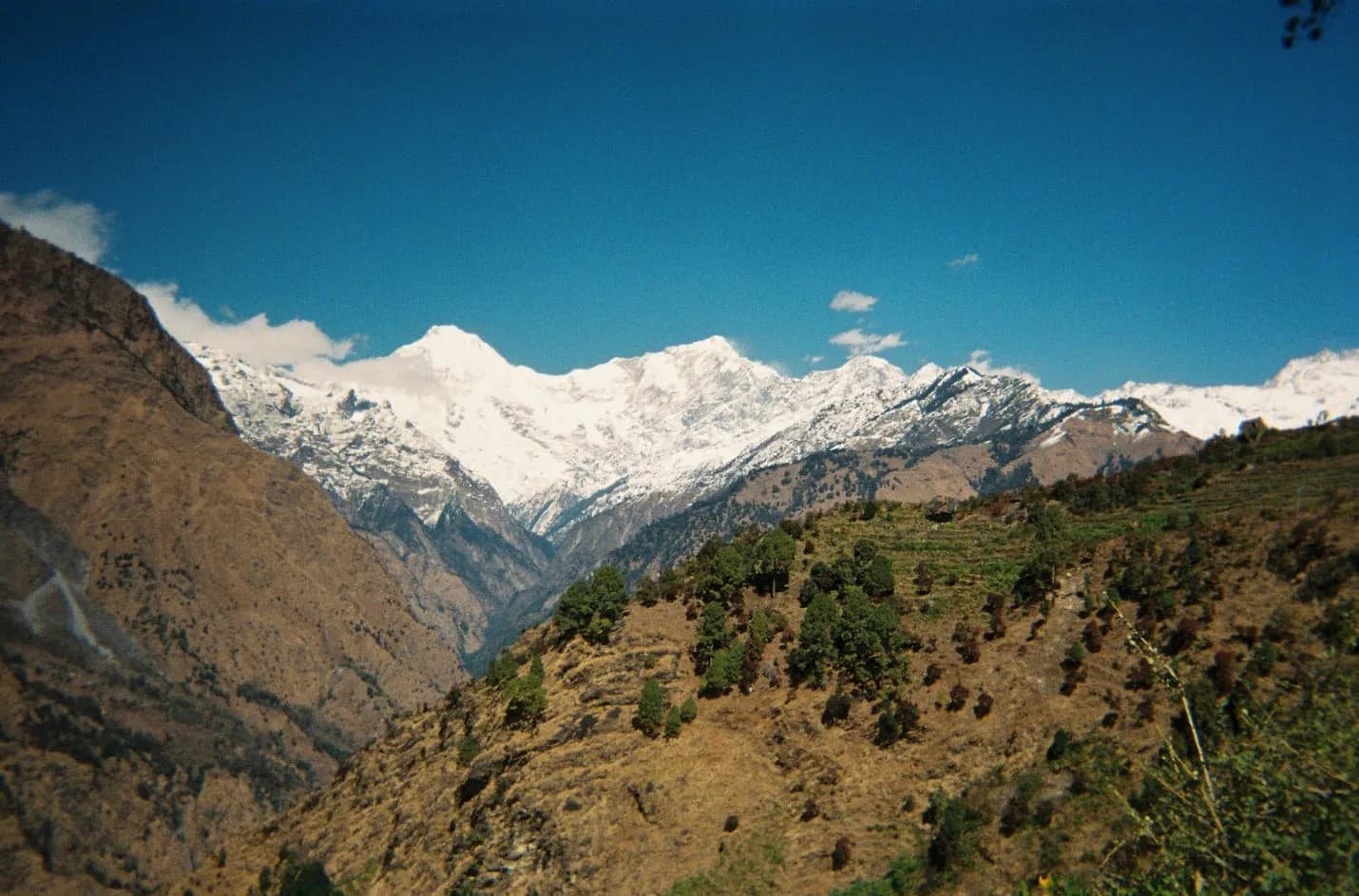
The Langtang region is compact, about 117 km by road from Kathmandu to Syabrubesi, so it suits people who want culture and mountains within a week. The Langtang region page says the valley's people are mostly Tamang, with a Tibetan-influenced culture and Buddhist monasteries, stone houses and prayer flags.
ทริปที่เปิดรับใน Tamang Heritage Trail
ทริปจริงที่นักเทรคโพสต์เพื่อหาเพื่อนร่วมทาง
Who the Tamang are
According to Wikipedia, the Tamang are an ethnic group living in Nepal, north-east India and southern Bhutan; in Nepal they are concentrated in the central hilly and Himalayan regions and numbered over 1.6 million in the 2021 census. The 2011 census counted 1,539,830, 5.8 per cent of the population. Their language, Tamang, is the fifth most-spoken in Nepal and belongs to the Tamangic branch of the Tibeto-Burman family, closely related to Gurung; it has several mutually unintelligible dialects and, like many minority languages, faces pressure from Nepali. They have over 100 sub-clans, and about 87 per cent are Buddhist, with some Hindus and Christians.
The same article reports that research suggests the Tamang are a hybrid group with an estimated 59 per cent Tibetan and 41 per cent Nepalese ancestry, that Tibetans called them Rongpa and that the name Tamang came to replace older names, some of which were imposed by others. It also records a history of conflict after the Gorkha conquests of the 18th century, when traditional Tamang land (kipat) was granted to others. That history is one reason Tamang identity is an active, sometimes political subject today; you do not need to raise it, but you should not treat Tamang villages as a quaint backdrop.
Our Langtang region page adds the local picture: Langtang has been a trading route between Nepal and Tibet for centuries, and the Tamang people who live here are of Tibetan origin and speak a Tibeto-Burman language. The Rasuwagadhi crossing at the end of the road north of Syabrubesi is still the main route for trade with Tibet.
Culture you will notice
Buddhism in the landscape. The Tamang Heritage Trail page says the Tamang practise a Tibetan-influenced form of Buddhism, and the villages have monasteries, mani walls and prayer wheels. Colourful printed mantra cloths and flags are hung in villages, as Wikipedia notes. Walk clockwise around mani walls and chortens, and follow the guidance in monastery etiquette.
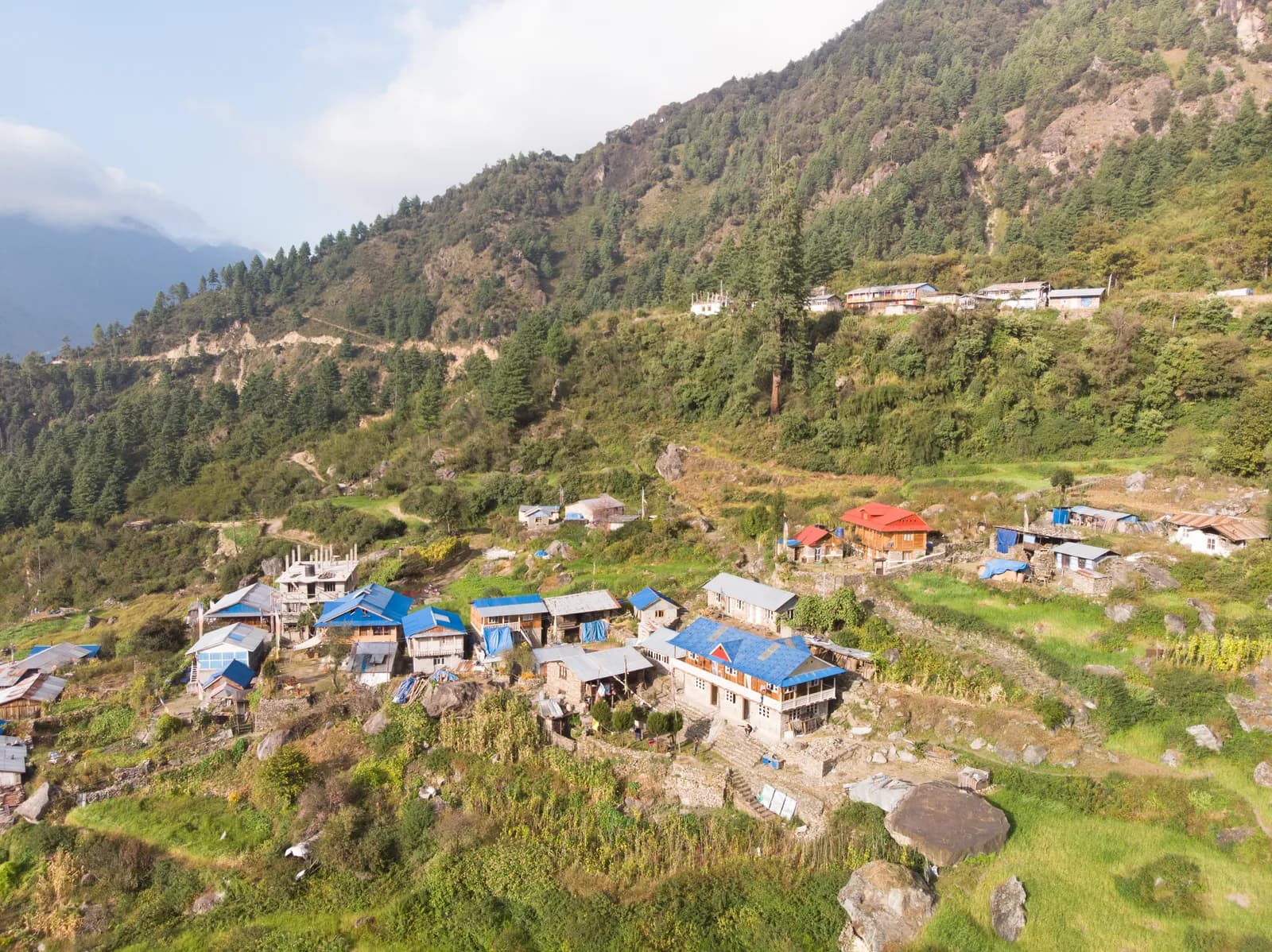
Stone houses and terraces. Villages such as Gatlang, Thuman and Briddim have narrow lanes and stone and slate houses stacked on the hillsides, with fields of millet and potato around them.
Music and dance. Wikipedia describes Tamang Selo as the typical Tamang song and dance style, with songs of humour, satire, joy and sorrow, brisk movement and a distinctive rhythm, played with the damphu, a small round goatskin drum. Traditional songs called Hwai are sung by Tamang genealogists called Tamba and are ritual in nature. You may hear selo and damphu in an evening at a homestay or at a festival.
Calendar. Wikipedia says the Tamang follow the Chinese lunar calendar of the 12-year cycle. Sonam Lhosar, in the month of Magh (February to March), is the main festival and welcomes the Tamang new year, and Saga Dawa celebrates the birthday of the Buddha. Dates move each year. If you are in a village during a festival, ask your guide whether visitors are welcome and where to stand.
Shamans and pilgrimage. Our route page says Thuman is known for its shamanic traditions, that Gatlang's Parvati Kunda lake is a place of pilgrimage and that Gatlang is one of the largest and oldest Tamang settlements in the region. Treat ceremonies as the community's, not as a show.
The Tamang Heritage Trail
The Tamang Heritage Trail is the best way to see Tamang culture up close. It is a seven-day loop from Syabrubesi in Langtang National Park, linking Gatlang, Tatopani, Thuman and Briddim, with a high point at the Nagthali viewpoint of about 3,200 m, well below Langtang Valley's altitude. Our route page rates it moderate, with steady climbs through forest and terraced fields, and says its character is cultural: stone-and-slate houses, Buddhist monasteries, mani walls and community homestays rather than commercial lodges. The plan drives to Syabrubesi, climbs to Gatlang (about 2,240 m), goes to the Tatopani hot springs (about 2,600 m), crosses to Thuman via Nagthali (about 2,340 m), continues to Briddim (about 2,240 m), returns to Syabrubesi and drives back to Kathmandu. Because the altitude is low, it suits people who want culture without a big acclimatisation plan.
Homestay etiquette
Homestays are run by village committees, and families take turns hosting visitors, according to the route page. That affects how you behave.
- Pay through the proper channel. Bookings and payments are made with the village committee or your guide. Pay the agreed price and do not bargain.
- Take your shoes off at the door, and accept tea or food with your right hand.
- Ask before photographing people or ceremonies, and respect a refusal.
- Do not hand out sweets or money. The route page says small gifts of notebooks or pens for children are fine, but donating to the school or committee is better; our visiting local homes and gift-giving guide explains how.
- Eat what you are given, and tell your guide about dietary needs before you arrive. Homestays prepare Tamang dishes such as dhindo, a thick millet or maize porridge, with vegetable curry, potato dishes and chilli pickles, according to the region page. See teahouse etiquette for how to behave at shared tables.
- Carry cash, because there are no machines on the trail, and a sleeping bag, because rooms are shared and basic.
The Langtang Valley and the 2015 memorial
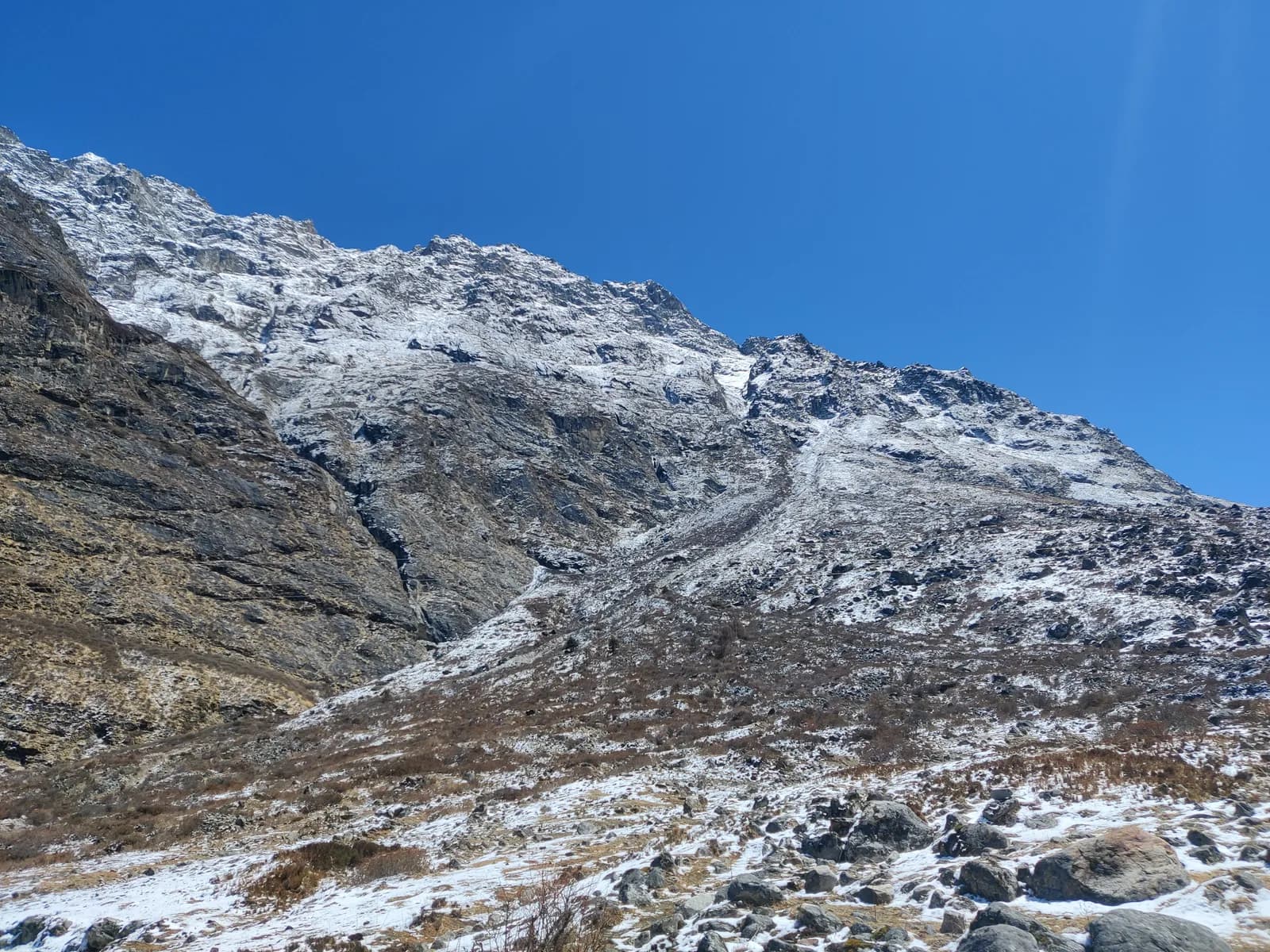
The Langtang Valley trek passes Tamang villages on its way to Kyanjin Gompa at 3,870 m. It is also the place where the April 2015 earthquake caused a catastrophe: our region page says the 25 April 2015 earthquake triggered a huge avalanche from Langtang Lirung that buried the village of Langtang, killing at least 215 people, including villagers, trekkers and national park staff. The present village was rebuilt nearby, and a memorial marks the old site. The route page asks you to respect it.
What that means in practice: walk quietly at the memorial, do not climb on it or treat it as a photo backdrop, ask a local before taking pictures of people there and be thoughtful about conversation, because many people in the valley lost family. Visit the rebuilt village, eat at a local lodge and spend money in the community, which is the most useful form of respect.
At Kyanjin Gompa you can taste yak cheese from the small cheese factory, and the lodges bake bread and apple pie, according to the route page. Buying local products supports families who rebuilt their livelihoods.
Guide rule and practicalities
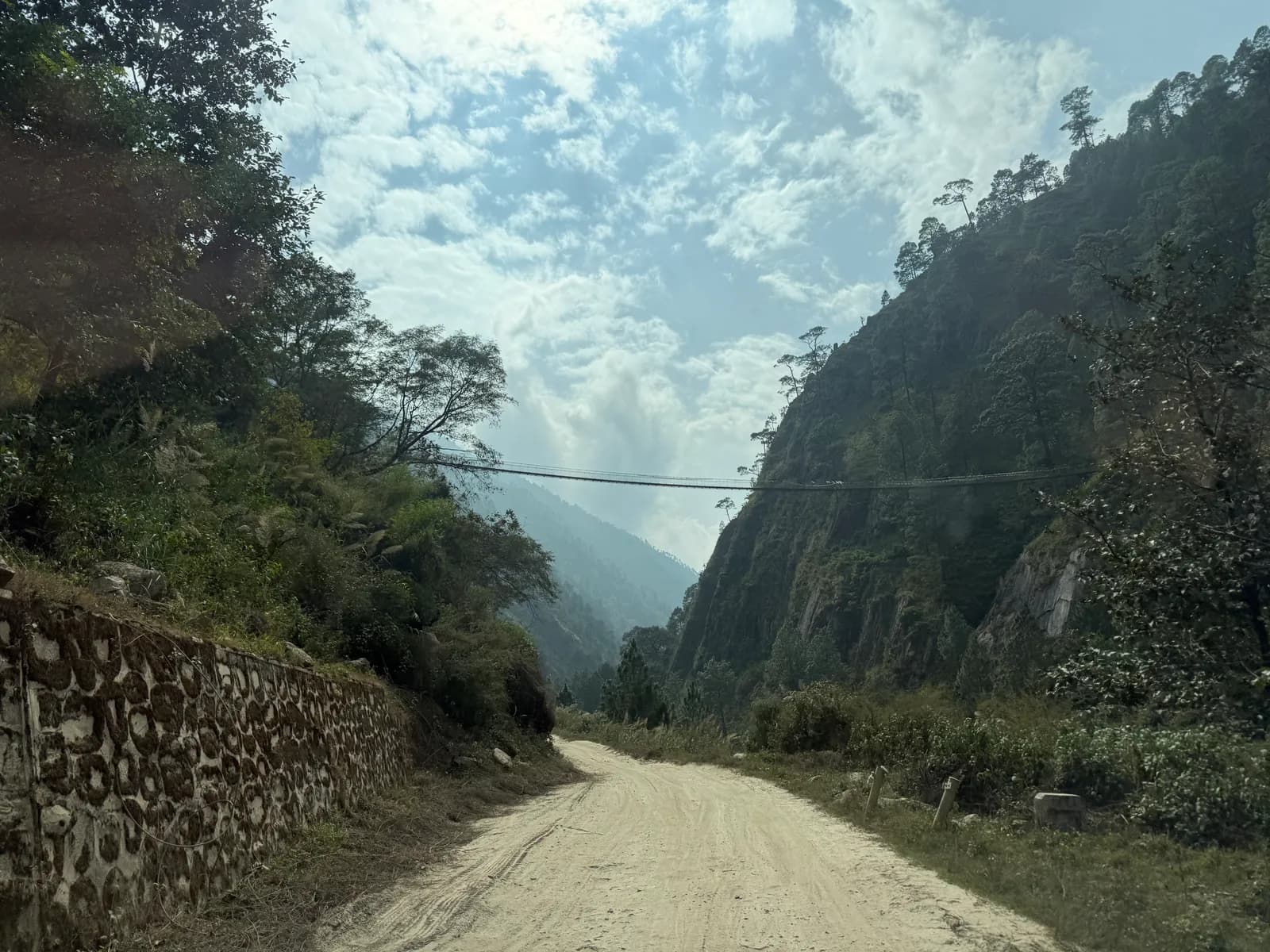
Langtang is in a national park, so the Nepal Tourism Board rule of April 2023 applies: it requires foreign trekkers to use a licensed guide in national parks and conservation areas, and 2026 operator reports say Langtang is the strictest in practice (checked 19 October 2026). Permits are checked at Dhunche and Syabrubesi. See our guide rule explainer. The drive from Kathmandu to Syabrubesi takes 7 to 8 hours by jeep, and landslides can close the road in the monsoon. The best seasons are October and November and March to May, and the Langtang Valley itinerary and best time for Langtang Valley give details.
How to be a good visitor
- Learn a few words. Namaste and dhanyabad are universal; some villagers will also teach you Tamang greetings. See basic Nepali phrases for trekkers.
- Dress modestly in villages and monasteries.
- Support local businesses. Stay in homestays and community lodges, buy local food and hire local guides and porters.
- Take your rubbish out. The Heritage Trail route page says to carry out your waste and avoid disturbing religious sites.
- Ask before you photograph. Our photography etiquette guide explains how.
Planning and sharing
Because the Heritage Trail is short and low, it suits a first trek or a quick add-on to the Langtang Valley, and the two combine as a 12 to 14 day trip, according to the route page. If you want to share a guide and the cost of a jeep, post your dates on the Langtang partner page or the Tamang Heritage Trail partner page. For other cultures on the trail, return to the trail etiquette and culture guide. The best souvenir from Langtang is a story you were told by someone who lives there; ask for it politely, and listen.