Earthquake recovery and community tourism: what trekkers should know
How the 2015 earthquake changed Langtang and other trail communities, how recovery and homestay tourism work now, and how to visit memorials, villages and lodges respectfully.
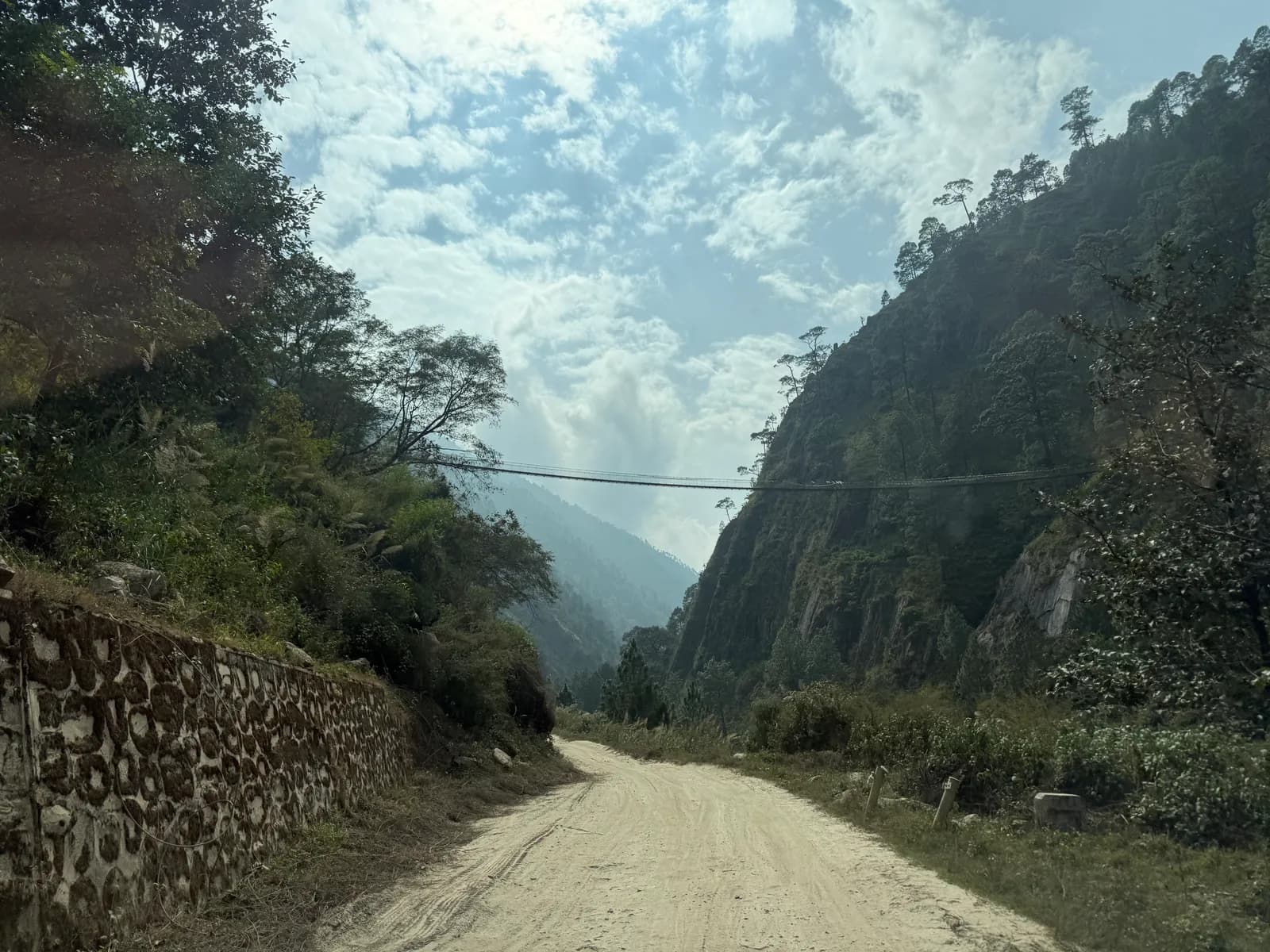
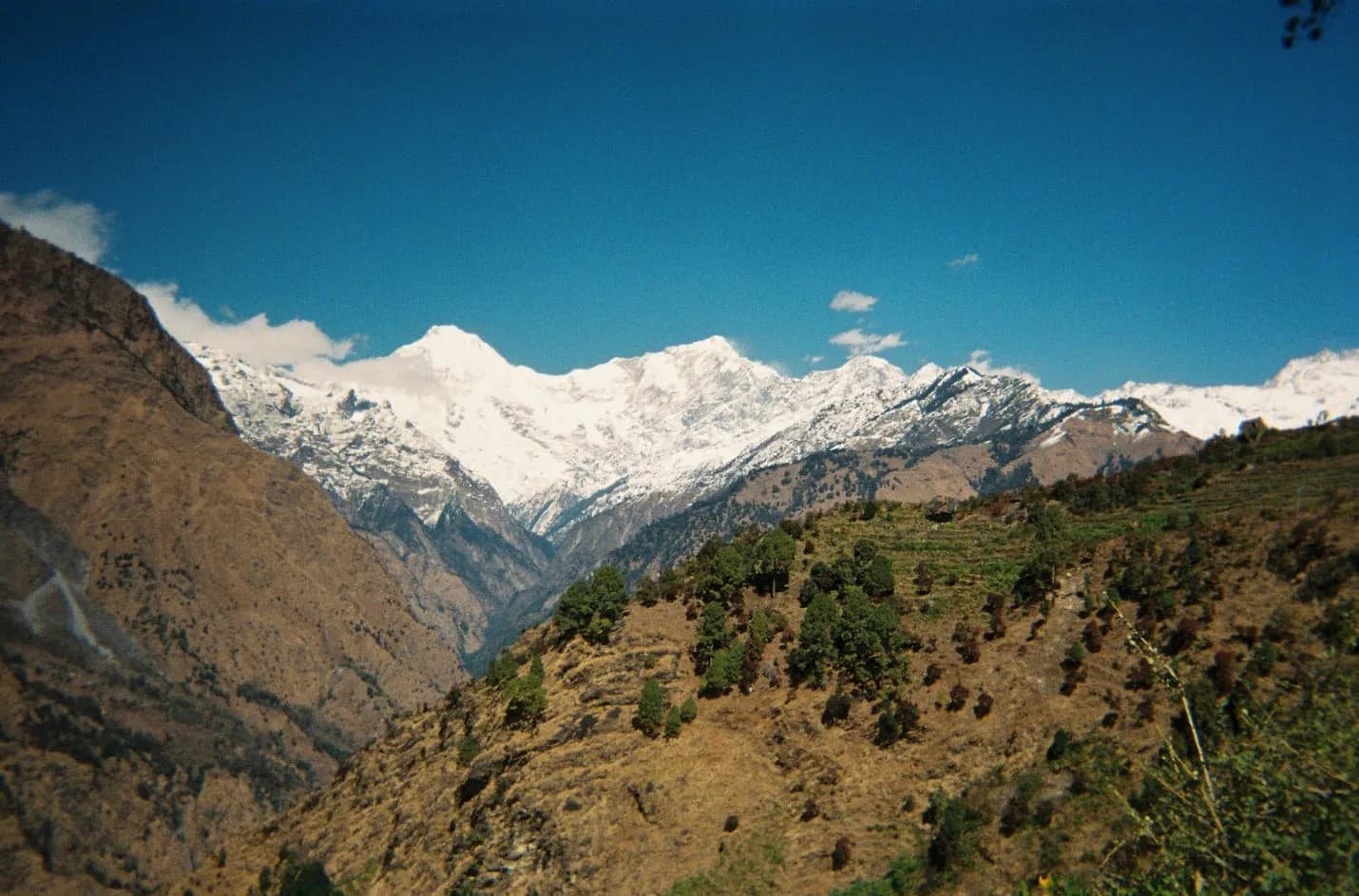
The April 2015 earthquake is part of the landscape in several trekking regions, and the most visible example is Langtang. An earthquake-triggered avalanche destroyed the old village of Langtang and killed at least 215 people, and the village was rebuilt a short distance away, with a memorial marking the old site. Today the valley is open, the eight-day trek to Kyanjin Gompa is walked every season and the lodges you stay in are part of a community that has rebuilt itself. This guide explains what recovery looks like on the trail, how community tourism and homestays fit in and how to be a respectful visitor, so your trip helps rather than burdens the people who live there.
ทริปที่เปิดรับใน Langtang Valley Trek
ทริปจริงที่นักเทรคโพสต์เพื่อหาเพื่อนร่วมทาง

What happened and what you will see
On 25 April 2015 a magnitude 7.8 earthquake struck central Nepal, followed by strong aftershocks, including another major shock in May. Roughly 9,000 people died across the country and several districts were devastated. Trekking regions close to the epicentre, including Langtang, parts of Gorkha and Rasuwa, and areas east of Kathmandu, were badly hit. In Langtang, the avalanche that destroyed the old village is the best-known loss, but lower villages along the valley were also damaged and have been rebuilt.
On the Langtang Valley trek you will walk through this history. Day 3 of our plan climbs from Lama Hotel at 2,470 m to Langtang village at 3,430 m, and the present village sits a little way from where the old one stood. You will see the memorial, the rebuilt lodges, the stone walls that people repaired and the landscape of boulders left by the slide. The route is still scenic, and there is no reason to avoid it; it matters more to go, stay, eat and spend locally.
In Kathmandu Valley, the effects are visible in a different way. Many temples and monuments were damaged, and rebuilding has continued for years, so you will see scaffolding at some temples, including in Bhaktapur's square. The photograph in this guide of a temple in scaffolding next to a finished version shows how the restored buildings look when complete.
How recovery has worked
Recovery in the mountains has depended on a mix of government grants for housing, support from NGOs, remittances and, increasingly, tourism income. Communities have rebuilt houses, lodges, schools and trails, often using stone and timber and in some cases adding earthquake-resistant features. Because the trekking season is short, a good autumn matters a great deal for a lodge-owning family. The return of trekkers in the seasons after the earthquake mattered for many households, and it still does.
For visitors, this means a few simple things. Choose lodges in the village where you stop rather than the one an agent has pre-booked a long way from the path. Eat your meals where you sleep, which is both the custom and the way lodge owners earn. Ask your guide which lodges are locally owned. And be patient: building a lodge at 3,400 m takes far longer than building one in a city, and some places will be simpler than you expect.
Community tourism and homestays
Community tourism is tourism that is run by local households or village committees, with homestays, community lodges and local guides, so that more of the income stays in the village. The best-known example in this part of Nepal is the Tamang Heritage Trail, a seven-day route that starts and ends at Syabrubesi and visits Tamang villages including Gatlang, Tatopani, Thuman and Briddim. On that trail, homestays in villages such as Gatlang and Briddim give you a chance to eat Tamang food and learn about local customs. Homestays are typically simple rooms in a family house, with meals eaten with the family and an evening spent around the fire.
If you stay in a homestay:
- Arrive in daylight and take your shoes off at the door.
- Eat what you are served and say if you cannot eat something, rather than leaving it.
- Ask before taking photographs of family members or the inside of the house.
- Offer to help carry or wash plates, and accept if they say no.
- Do not criticise the facilities. A bucket of hot water, a squat toilet and a thin mattress are what you have signed up for.
- Pay for the stay and meals, and add a tip for the family if you were treated well.
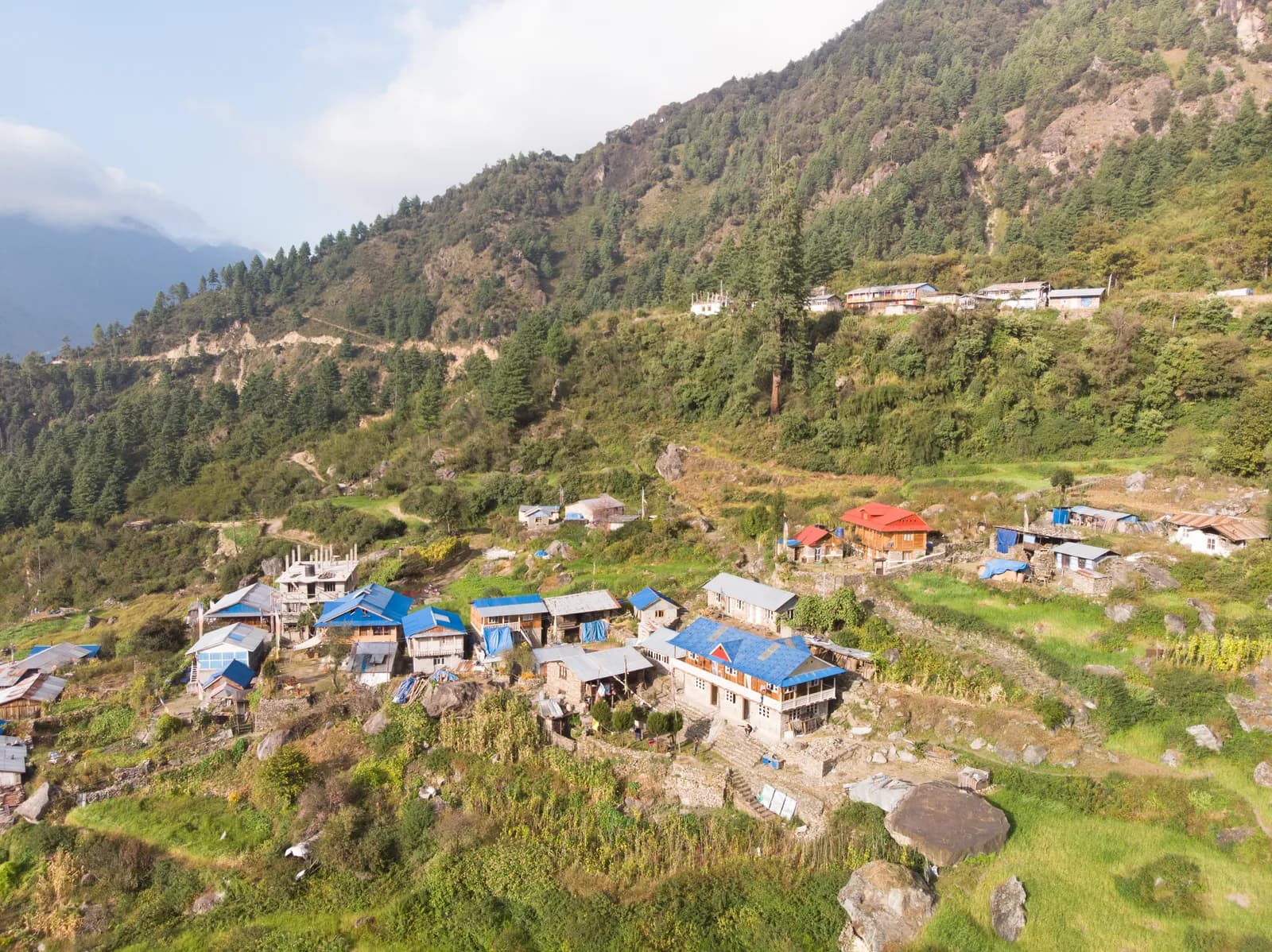
The photo of Briddhim above shows a hillside village of terraced fields and mixed roofs of tin and tile, which is typical of this kind of walk. On the Tamang Heritage Trail, day 5 walks from Thuman to Briddim at about 2,240 m, a quiet Tamang village on a ridge above the Bhote Koshi. It is a good place to see a village that is not on the main Langtang path. It is a moderate seven-day route, and the homestay element makes it feel different from teahouse treks.
Visiting memorials and sensitive places
The Langtang memorial is a place of grief for the families who lost relatives. Visit quietly and briefly, speak in low voices, stay on the path and leave any offering you choose without comment. Do not climb on the stones, play music or take selfies. Ask your guide before taking photographs, and do not ask survivors or lodge owners to describe what they went through. If they wish to share, they will.
Your guide may be a local from a family that lost people. Treat the subject gently and let them lead. A short, quiet moment at the memorial before moving on is a courteous way to pay respect.
Safety lessons from a seismic mountain range
Nepal is in an active seismic zone, and the trail is steep. Landslides and rockfall are the practical hazards you can manage, particularly in the monsoon and after heavy rain, when trails can be cut. Follow your guide's judgement about when to cross exposed slopes, do not camp or rest beneath loose cliffs and avoid crossing landslide-prone sections late in the day. If there is an earthquake while you are in a lodge, move away from walls and windows, protect your head, and once the shaking has stopped, move outside to an open area away from buildings and slopes, following your guide's lead. Keep your passport, phone and insurance details together so that you can leave quickly. Our guide to buffer days and itinerary flexibility explains how to plan for delays caused by landslides and weather, and the Himalayan Rescue Association maintains advice for trekkers.
Spending that helps
You help a recovering community most by being a good customer. Stay in local lodges, eat in village kitchens, buy handicrafts from the people who make them, hire local guides and porters and pay fair rates. If you want to donate, follow the advice in our guide to donations and school visits: give through registered local groups or school committees, ask for receipts and avoid handing out items to children. Our piece on supporting local businesses while trekking gives practical examples of where to spend.
A quick summary
- The 2015 earthquake destroyed the old village of Langtang and killed at least 215 people; the valley has been rebuilt and is open.
- Stay, eat and shop locally; community homestays on the Tamang Heritage Trail are a good way to do this.
- Visit memorials quietly and do not ask survivors to retell their stories.
- Follow your guide's advice on landslide and rockfall hazards.
- Give donations through registered local groups, not to individuals or children.
For the wider context of how to travel respectfully, read our trail etiquette guide and browse the culture and customs hub. If you want to walk the valley with company, the Langtang Valley partner page and the Langtang region page are good starting points.