Drone and filming rules for trekkers in Nepal
What the sources say about flying a drone on a Nepal trek as of October 2026: CAAN registration even for small drones, permission from park and local authorities, the Everest rule, enforcement, and what to do instead.

Flying a drone on a Nepal trek needs permissions that most trekkers will not get in time, so the practical advice is to leave it at home. A Nepali Times article of 12 August 2026 says even drones under 250 grams must now be registered with the Civil Aviation Authority of Nepal (CAAN), and that flying over national parks and heritage sites needs formal permits through several authorities. A Himalayan Times report of April 2019 says flying in the Everest region needs permission from Sagarmatha National Park, and that the park seized six drones from foreign trekkers who flew without it.
This guide sets out what we can source, where the sources disagree, what ordinary filming on the trail involves and what to do instead. It is not legal advice. Official pages for drone rules were not easy to find, so we have relied on the most recent news reports and our own route pages, and we say where a point is thin. Confirm everything with CAAN and the park office before you travel.
Everest Base Camp Trek의 모집 중인 여행
파트너를 찾는 트레커들이 올린 실제 여행입니다.
What the sources say
Three kinds of source bear on the question:
- The Nepali Times article of 12 August 2026 says CAAN requires registration of even tiny drones under 250 grams, which it says did not exist before 2026, and that operators need formal permits to fly over crowds, temples, national parks and heritage sites, with applications going through CAAN, the local authorities and the Department of Archaeology or the national parks authority, plus Ministry of Home Affairs clearance for commercial work. It adds that licences take months, that a first-time offence can bring a fine and that enforcement is inconsistent. It also quotes figures for permit fees; because they are not from an official page, we do not repeat them.
- The Himalayan Times report of April 2019 says flying a drone in Nepal needs permission from the Department of Tourism, the Ministry of Home Affairs and CAAN, that drones under 2 kg flown below 200 feet were exempt, that flying in public areas needs permission from the local security agency and that flying in the Everest region needs permission from Sagarmatha National Park. It reports that the park seized six drones from foreign trekkers and mountaineers and returned them to their owners after the trips.
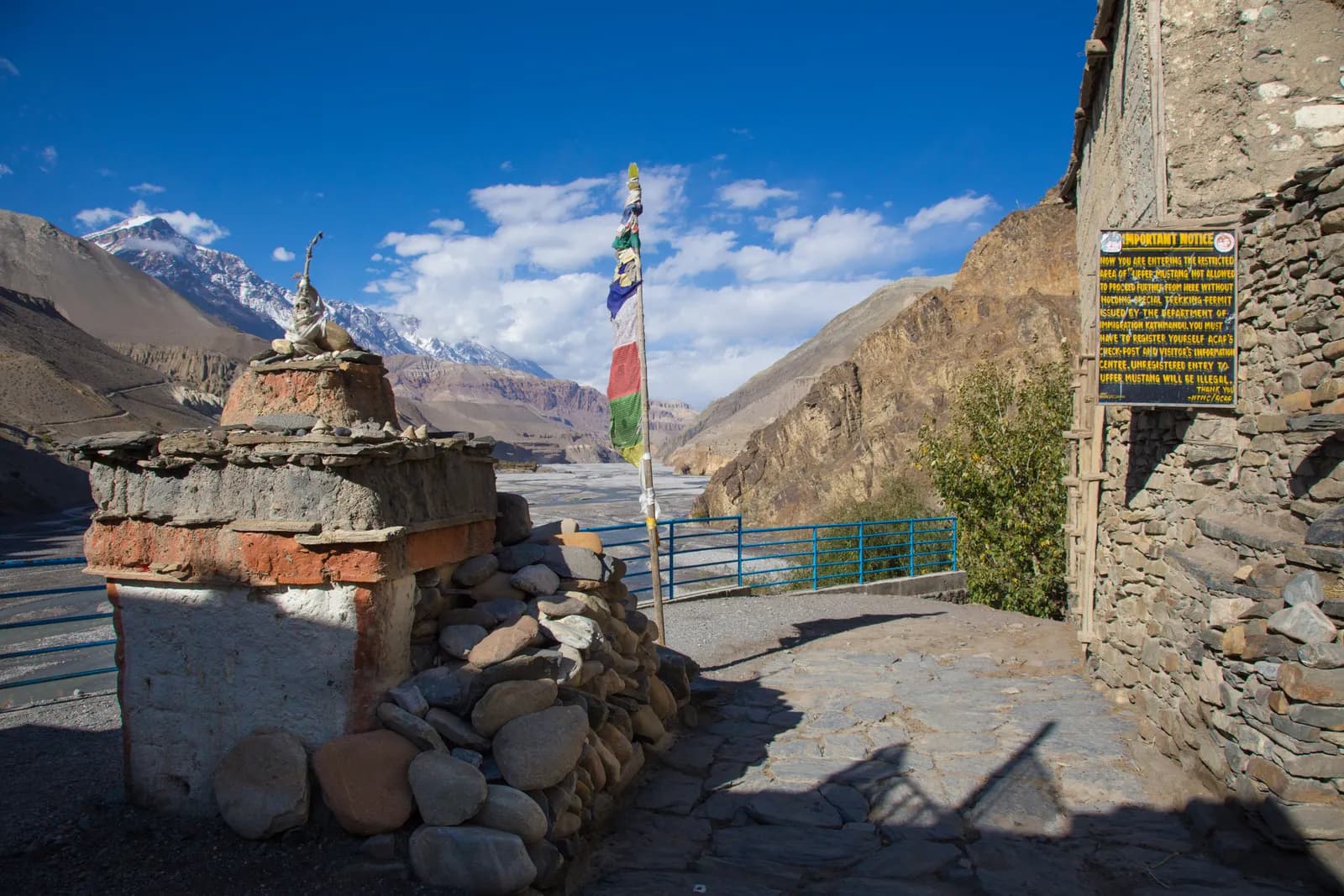
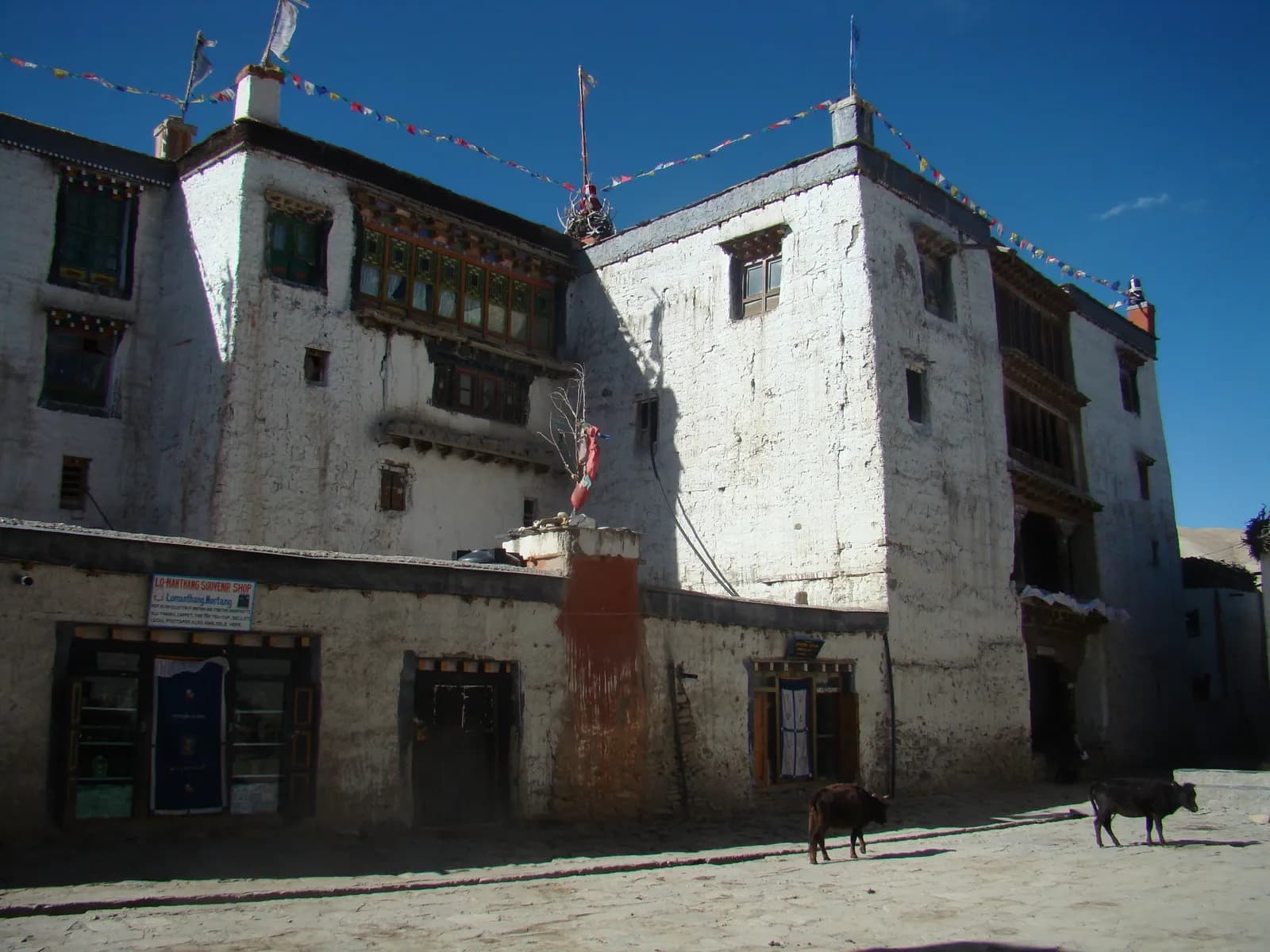
- Our own route and permit pages, which say that Rara National Park allows no drones without permission, that drones in Upper Mustang need separate permission and are usually not allowed over religious or military sites, and that drone use inside Sagarmatha National Park is restricted.
The two news reports are seven years apart, and they disagree on the small-drone exemption: the 2019 report exempts light drones flown low, and the 2026 article says even drones under 250 grams must now be registered. The later, more specific statement is the safer one to plan around, but check with CAAN.
Where a drone is most likely to cause trouble
| Place | What our sources say | Source |
|---|---|---|
| Sagarmatha National Park and the Everest trail | Flying needs permission from the park; drones were seized in 2019; drone use is restricted | Himalayan Times 2019; our Sagarmatha permit guide |
| Rara National Park | No drones without permission | Our Rara route page |
| Upper Mustang | Drones need separate permission and are usually not allowed over religious or military sites | Our Upper Mustang permit guide |
| Monasteries, temples and heritage sites | Formal permits needed to fly over them | Nepali Times 2026 |
| Other national parks and conservation areas | Formal permits needed | Nepali Times 2026 |
On the Everest Base Camp trek you pass through a national park almost from the first checkpoint, at Monjo, and the approach to Namche and beyond is within the park. On a restricted-area trek such as Upper Mustang, the area itself is controlled and your guide and agency are accountable for what you do. A drone that annoys a village, a monastery or the army can end more than the flight.
Filming on the trail without a drone
Ordinary photography and video with a phone or camera is part of every trek, and the rules are about people and sacred places, not equipment:
- Ask before photographing people, ceremonies and monasteries. Our route pages say to ask permission, usually through your guide, and to accept a no.
- Do not photograph inside a monastery without permission; some forbid photography in the main hall. Our monastery etiquette guide explains what to do.
- Commercial filming is different. The Nepali Times article says Ministry of Home Affairs clearance is needed for commercial work, and our Sagarmatha permit guide says commercial filming needs permission. If you plan to sell or publish professionally, talk to your agency before you go.
- Think about the group. If you share a guide with partners, one person's drone or filming can affect everyone's day, so agree the rule before you leave.
If you still want to fly
If a drone is central to your trip, start months ahead:
- Check CAAN's registration rules for your drone's weight, including drones under 250 grams.
- Ask the park authority for permission for each park or conservation area on your route; the Department of National Parks and Wildlife Conservation and the park office are the starting points.
- Ask your agency to handle the paperwork and to confirm in writing which permissions cover your route.
- Expect delays. The 2026 article says licences take months, so a trip planned for next month is too late.
- Never fly over people, monasteries, villages, or wildlife, whatever the permit says.
Many trekkers decide the effort is not worth it and use the time for other shots.
What to do instead
- Shoot from the viewpoints. Classic views, such as sunrise at Poon Hill or the Everest range from Kala Patthar, are best taken from the ground, and our route pages list the days they fall on.
- Use a good phone or camera and a small tripod. Early light and long days at altitude give more than any aerial angle.
- Carry spare batteries warm. Cold drains batteries quickly at altitude, so keep them inside your jacket; charging often costs extra at teahouses, as our teahouse price guide notes.
- Use freely licensed images from Wikimedia Commons if you need aerial-style shots for a blog or album; check each licence.
Respect for places and wildlife
The reasons behind the rules are the ones behind the rest of the park rules: noise, wildlife, privacy and religious sites. Our trail etiquette guide covers behaviour in villages. At Rara Lake the route page asks you not to swim in the lake, wash in it or leave rubbish, and to follow the no-fires, no-fishing and no-drones-without-permission rules; our Rara permit guide covers them. Breaking park rules can end a trek.
The guide rule and other checks
A drone is a separate matter from the guide rule, but both are about permission. In restricted areas a licensed guide through a registered agency is part of the permit, and individual trekkers have been able to apply since 22 March 2026, though a guide is still required. For national parks and conservation areas, the Nepal Tourism Board rule of April 2023 requires a licensed guide, which 2026 operator reports say checkpoints enforce in Annapurna and Langtang but not in Khumbu (checked 19 October 2026). Our guide rule explainer and permit checkpoint guide cover how that plays out, and a guide is the person most likely to know what the local office will accept.
Travelling with partners
If you are trekking with others, agree before the trip whether anyone will bring a drone, and treat a refusal as final. A confiscation at a checkpoint can delay the whole group. Browse the Everest, Rara and Upper Mustang route pages and regions (Everest, Rara, Upper Mustang), or find people to share costs and logistics on the Everest Base Camp partner page. More rules guides are in the permits and rules hub.