Nubri culture and gompas on the Manaslu Circuit
Who lives in the upper Budhi Gandaki: the Tibetan-speaking people of Nubri, the villages of Lho, Sho, Shyala, Samagaun and Samdo, what to see at Namrung, Lho and Pungyen Gompa, how trade with Tibet shaped the valley and how to visit respectfully.
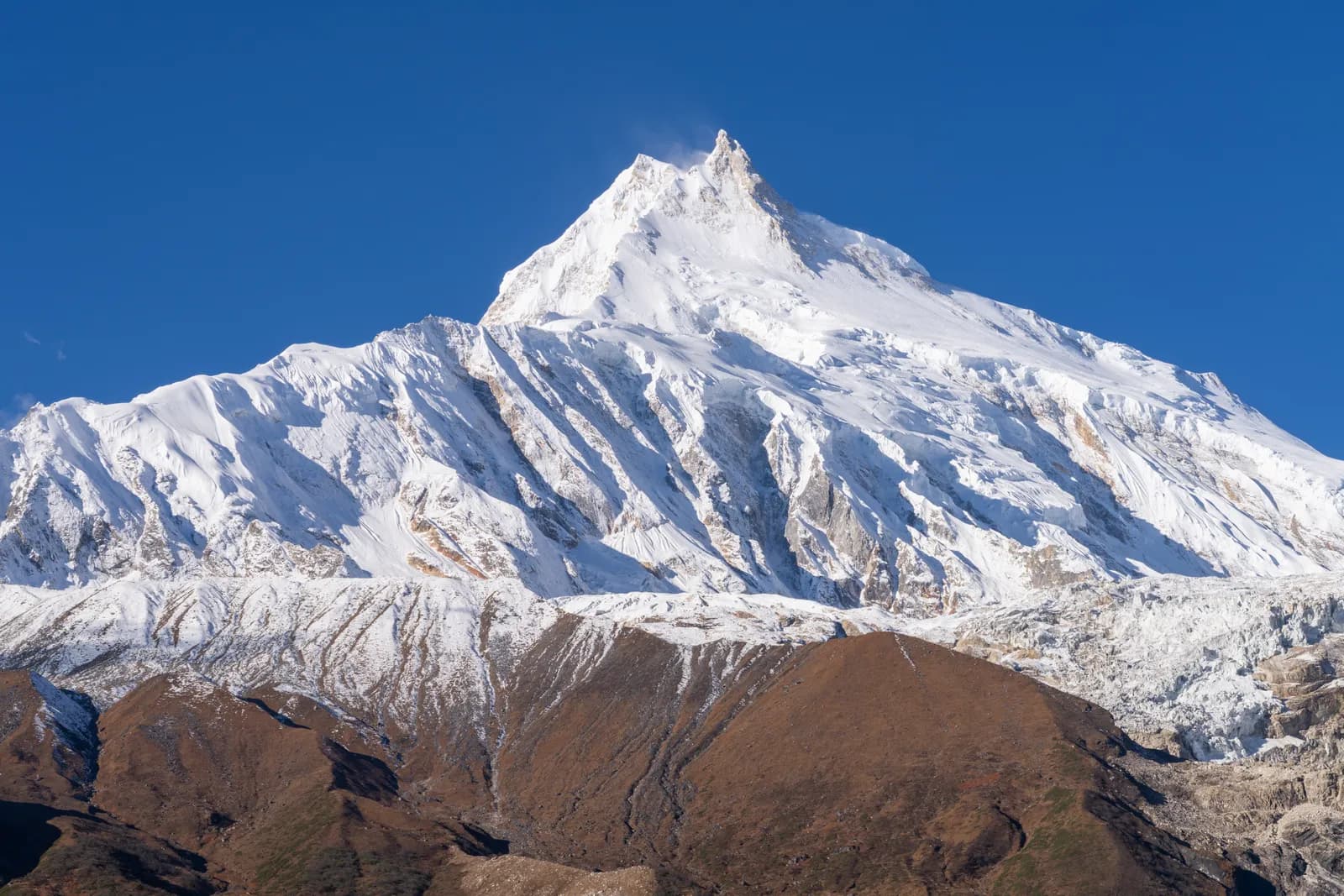
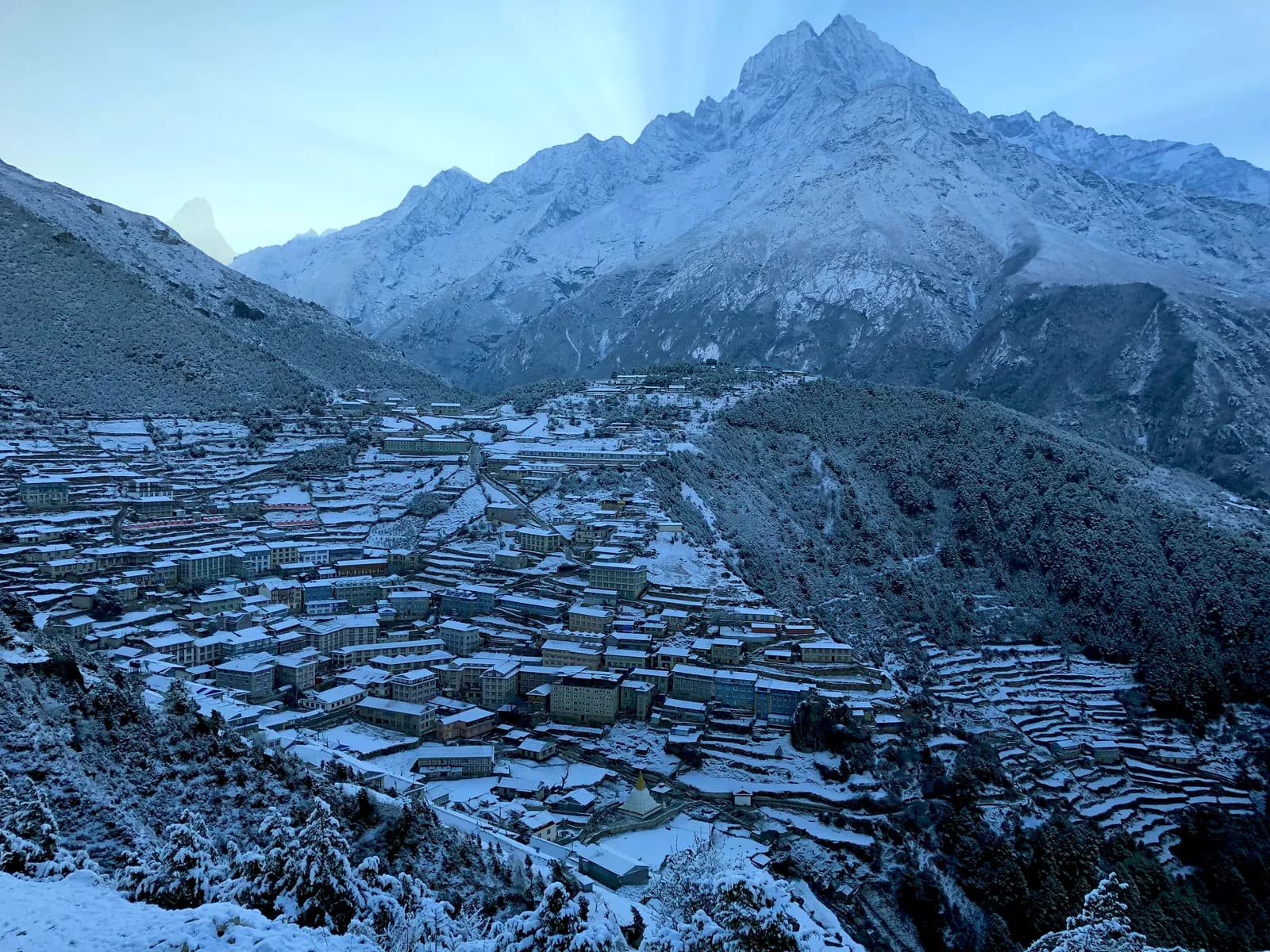
Above Namrung, the Manaslu Circuit leaves the Gurung and hill villages of the lower Budhi Gandaki and enters Nubri, a high valley of Tibetan-speaking people where long mani walls, chortens, prayer wheels and gompas mark every settlement and the language, the food and the festivals are those of the Tibetan plateau. The key facts for a visitor are that Nubri is ethnically Tibetan, its villages (Lho, Sho, Shyala, Samagaun and Samdo) are old trading communities with active monasteries, and the courtesies you owe them are the same as at any Tibetan Buddhist site: walk clockwise, ask before photographing and spend your money locally. This guide introduces the people, the places and the manners, drawing on Wikipedia, our Manaslu region page and the Manaslu Circuit itinerary.
Manaslu Circuit Trekの募集中トリップ
仲間を探しているトレッカーが投稿した実際のトリップです。
Where Nubri sits
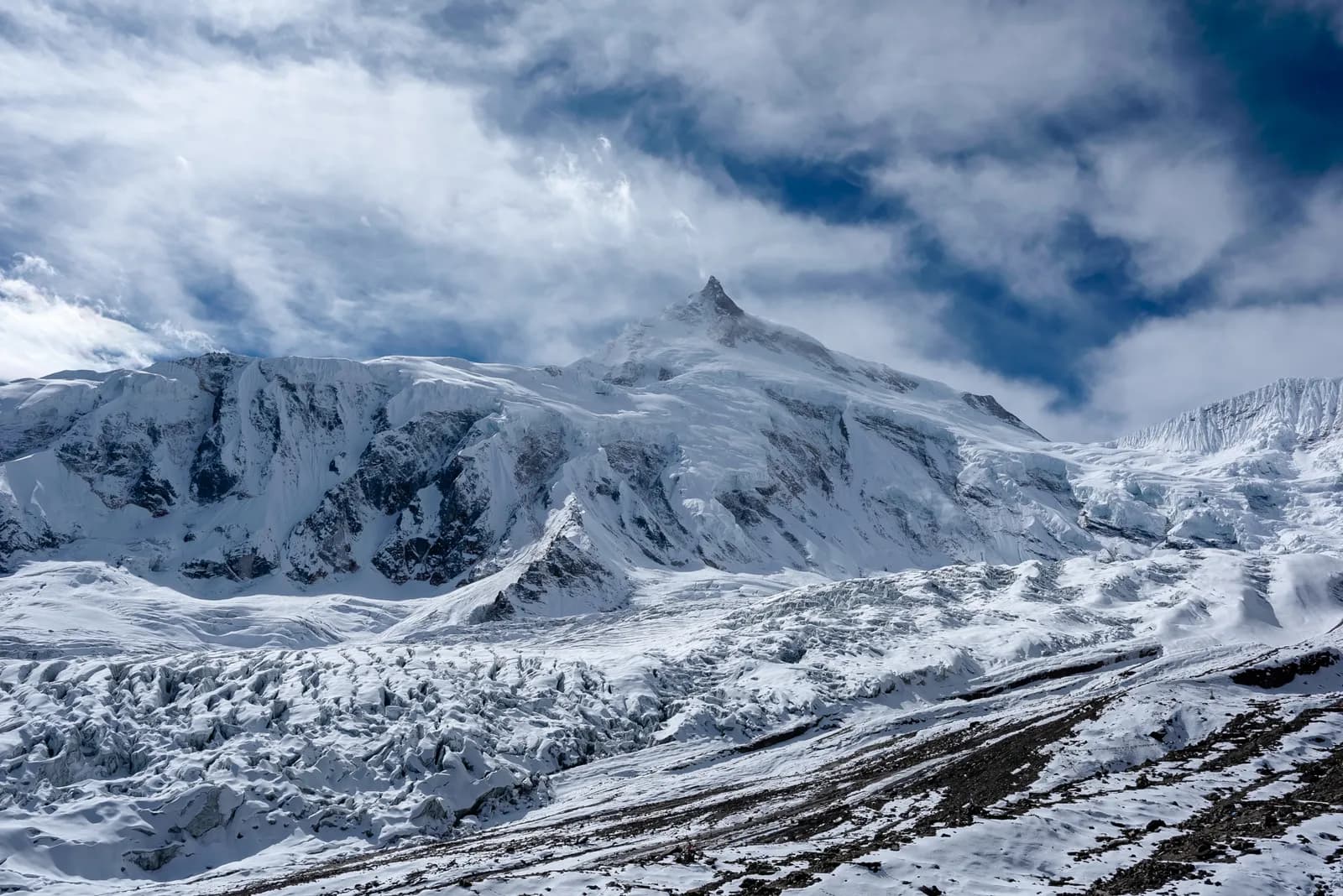
The Manaslu Conservation Area, established in 1998, covers about 1,663 km2 in Gorkha District and rises from around 1,400 m to the summit of Manaslu, according to Wikipedia. The circuit follows the Budhi Gandaki north from Machha Khola through Jagat, Deng, Namrung and Lho to Samagaun, climbs to Samdo and Dharamsala, crosses the Larkya La at 5,106 m and descends to Bimthang, Tilije and Dharapani, where it meets the Annapurna Circuit. Our region page says the lower valley is settled by Gurung and other hill communities, and above Namrung the villages are Tibetan-speaking and Buddhist. The route page says that above Deng the valley turns north and the first Tibetan-style villages appear, with mani walls, chortens and monasteries, and that Namrung and Lho have fine gompas.
The valley is within a few days of the Tibetan border and lies on an old trade route. The region page calls Samagaun, Samdo and Lho old trading communities, says the people of Samdo are of Tibetan origin and that small-scale trade with Tibet over the high passes has a long history. Samdo is described on the route page as a high trading village close to the border.
The Nubri people and language
Wikipedia describes Nubri as a Tibeto-Burman language spoken by about 2,000 ethnically Tibetan people living in the Nubri Valley of upper Gorkha District. It has at least three dialects, typified by the Prok, Lho and Sama village varieties, is perhaps most closely related to the neighbouring Tsum language and to the Kyirong variety of Tibetan spoken just across the border, and is tonal. It is largely undocumented. A language project began in 2017 at the University of Hong Kong, whose valley-wide survey confirmed the language as definitely endangered, and community discussions about a writing system took place in May 2019.
You do not need to speak Nubri. What matters is that the language you hear from lodge owners and children is a living minority language, that most people also speak Nepali and that a greeting in either is appreciated. Namaste and dhanyabad work everywhere; see basic Nepali phrases for trekkers.
Villages and gompas
Our region page lists Lho, Sho, Shyala, Samagaun and Samdo as the villages with monasteries, long mani walls, chortens and prayer wheels, where many families keep yaks, sheep and horses. A route through them looks like this:
- Namrung and Lho. The route page says both have fine gompas, and Lho is where the valley opens toward Samagaun and the first full view of Manaslu. Signal is sometimes available in Lho, according to the region page.
- Samagaun (3,530 m). The main base for the acclimatisation rest day. The route and region pages recommend day hikes to Pungyen Gompa, Birendra Lake and toward Manaslu Base Camp, and say that Himalayan tahr are often seen on the slopes above the village.
- Pungyen Gompa. A monastery near Samagaun, visited on the rest day. Treat it as a place of worship: ask your guide whether it is open, and follow the rules in monastery etiquette.
- Samdo (3,875 m). A Tibetan trading village near the border and the site of the second rest day.
- Dharamsala (Larkya Phedi). The last night before the pass, at about 4,470 m; lodges are small and basic.
Teahouses at Samagaun, Samdo and Dharamsala are small and far from the road, so everything has to be carried in, according to the region page, and menus shrink above Namrung to dal bhat, noodles, tsampa porridge, potatoes, eggs and tea. You may find local yak products and, in some lodges, tsampa and butter tea. Eating what the family eats is the simplest way to take part; read teahouse etiquette.
Customs to follow
The Manaslu region page asks for the same few things, and they are the foundations of the etiquette you will meet everywhere in Tibetan Buddhist Nepal.
- Walk clockwise around religious structures such as mani walls, chortens and monasteries, keeping them on your right.
- Dress modestly in villages and monasteries.
- Ask before photographing people and ceremonies. Do not photograph the inside of a monastery without permission.
- Do not touch ritual objects, texts or wall paintings.
- Do not give sweets or money to children. If you want to help, make a donation to the monastery or a village committee through your guide. See visiting local homes and gift-giving etiquette.
- Buy local. The region page says local people appreciate visitors who buy from village shops and eat in family lodges.
In the high villages, prayer flags, mani stones and carved slabs are objects of devotion. Do not move them, sit on them or take them. If a path divides around a mani wall, take the side that keeps the wall on your right.
The Tsum Valley side trip
The Tsum Valley branches off at Philim and is a separate restricted area with its own permit, extra days and a guide familiar with it, according to the region page. It is known for monasteries such as Mu Gompa and Rachen Gompa, and has a Tibetan Buddhist culture closely related to Nubri's; Wikipedia says the Nubri language is perhaps most closely related to the neighbouring Tsum language. Our monastery etiquette guide uses Tsum examples. If you have only one trip, choose by time: the circuit is 14 days, the Tsum Valley 13, and they can be combined with more time; see Manaslu Circuit versus Tsum Valley.
Permits, guides and altitude
Much of the circuit lies in a restricted area. You need a Restricted Area Permit from the Department of Immigration through a registered agency, the Manaslu and Annapurna Conservation Area permits and a licensed guide. Reports about a March 2026 notice say individuals can now apply, but the agency and guide are still required (checked 19 October 2026). See Manaslu restricted area permit guide. Permit checks happen at Jagat, Philim, Namrung and Samagaun, so carry copies.
Culture and altitude go together. Samagaun is at 3,530 m, Samdo at 3,875 m and Larkya La at 5,106 m, so the two rest days are not optional extras. The itinerary page says to sleep low, and our acclimatisation schedule explains the principle. Use the rest days for walking to gompas and lakes, not for rushing.
Why your visit matters
Nubri villages depend on trekkers in season and on herding and trade the rest of the year. Where you eat, sleep and shop affects who benefits. Hiring local guides and porters, as the region page recommends, and treating them well matters. Our guide on porter welfare and ethical trekking explains what to ask of an agency. Carry out your rubbish, avoid wood fires where lodges use other fuel and keep to the paths. The Manaslu Conservation Area is a living landscape: snow leopard, musk deer and Himalayan tahr live there, according to Wikipedia, and its people live there too.
Planning and sharing
The circuit is a restricted-area trek with fixed permit, agency and guide costs, which makes partners particularly valuable. Post your dates on the Manaslu Circuit partner page and read finding a trekking partner for the Manaslu Circuit. For other cultures on the trail, return to the trail etiquette and culture guide and to the Manaslu Circuit day-by-day. Walk slowly, greet people, ask before you photograph and leave the mani stones where they lie.