

Frostbite and Hypothermia on High Himalayan Passes
How cold injury happens on Thorong La, Cho La, Larkya La and other passes, the NHS first aid for hypothermia and frostbite, the WMS field rewarming rule, prevention by layering and timing, and when to turn back.

Cold injury on a Himalayan pass is rarely dramatic at first. Frostbite and hypothermia creep up on tired, hungry, underdressed trekkers who started too early without enough layers, or who stood still too long in the wind. The defences are plain: layers you can add and remove, dry gloves and socks, enough food and hot drink, a start time that fits the weather, and the habit of checking each other's faces and fingers. If someone is shivering, slurring or confused, shelter and warmth come first. This guide covers the main passes and what makes them cold, the NHS first aid for hypothermia and frostbite, the WMS guideline on rewarming, and the rules we think trekking partners should agree before a pass day.
This is general information, not medical advice. For the passes' conditions through the year, see snow and high-pass conditions on Thorong La and Cho La.
טיולים פתוחים בAnnapurna Circuit Trek
טיולים אמיתיים שפרסמו מטיילים שמחפשים שותפים.

Where the cold bites
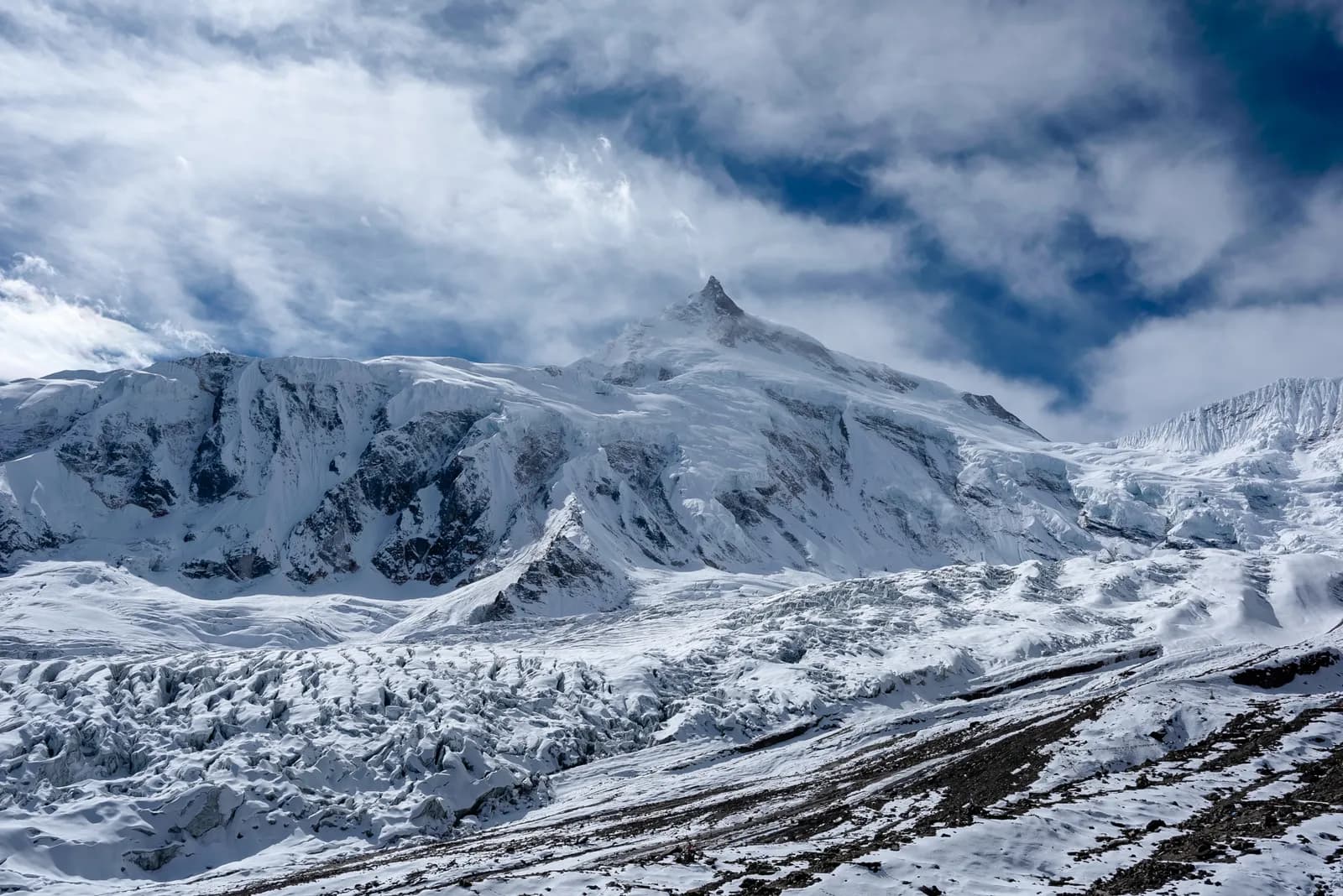
The pass days in our route pack are long and begin in the dark. On the Annapurna Circuit, you cross Thorong La at 5,416 m on a day that runs 8 to 10 hours from Thorong Phedi (4,540 m) to Muktinath (3,800 m), starting very early; the route notes say some groups continue to High Camp at 4,880 m the day before. On the Manaslu Circuit, the Larkya La at 5,106 m is a 8 to 10 hour day with a very early start from Dharamsala at 4,470 m to Bimthang at 3,720 m. On the Everest Three Passes, Kongma La (roughly 5,500 m), Cho La (about 5,400 m) and Renjo La (about 5,350 m) each come after a night at roughly 4,700 to 4,800 m (Chhukung, Dzongla and Gokyo). Cold is a function of altitude, wind, time and what you wear and eat, and on all of these passes the coldest hours are before the sun reaches the trail. Remember also that in October 2014 storms around Thorong La killed dozens of people, among them guides and porters; the reports at the time show how quickly a late-season storm can overwhelm a pass day, even on a well-travelled route.
Hypothermia: what it is and how it looks
Hypothermia is a fall in core body temperature. The NHS lists the symptoms: shivering, pale, cold, dry skin that may turn blue or grey, slurred speech, slow breathing, and tiredness or confusion. Early on, trekkers are cold, clumsy and quiet. The dangerous stage is when the shivering stops and the person becomes sleepy and does not respond normally. On a pass, wind, wet clothing, hunger and fatigue combine to bring it on, and it can happen at temperatures that are not extreme. The key sign for partners is a change in behaviour: someone who is normally chatty goes silent, someone who is careful fumbles with zips, someone walks slowly and stumbles. Treat the change as a medical issue, not as a mood.
Hypothermia first aid
The NHS advice is to move the person indoors or to shelter as quickly as possible, remove wet clothing and wrap them in a blanket, sleeping bag or dry towel with the head covered, give a warm non-alcoholic drink and sugary food if they are fully awake, keep them awake by talking and stay with them. It says to avoid hot baths, hot water bottles, heat lamps, rubbing the limbs and alcohol. On a pass that means: stop, get out of the wind behind a rock or in a lodge or tent, add layers and an insulating mat or pack under them, share body warmth if you must and call for help. A guide or lodge will know the nearest shelter. A person with signs of moderate or severe hypothermia needs medical help, and the WMS guidance says that these should be treated before frostbite injuries.
Frostbite: what it is and how it looks
Frostbite is freezing of the skin and tissue, usually of toes, fingers, nose and ears. The NHS describes early symptoms as skin that feels cold and firm, numbness or a stinging, burning or aching feeling, with redness or paleness. As it worsens, the skin looks hard and frozen, white, blue or blotchy, with swelling, loss of feeling and blisters, and finally black, hard dead tissue. The NHS says to seek emergency help if the skin is hard and frozen, if there is swelling with numbness, or if blisters appear. On the trail, the early signs are your warning: if your toes or fingers go numb, stop, wiggle them, add layers and warm them against your body or a partner's, and do not wait until they hurt.
Frostbite first aid
The NHS first aid steps while waiting for help are to move to shelter, remove rings, gloves and boots from the affected area, wrap the person in warm coverings, put the area in warm, not hot, water, then dry it and cover it loosely, raise it to reduce swelling, take paracetamol for pain and offer a warm drink. What not to do is just as important: do not rub the area, do not warm it with a fire, radiator, hot water bottle or heat lamp and do not take a hot bath or drink alcohol. The WMS guideline, as summarised in a published appraisal, describes field treatment as rapid rewarming with continuous warm-water immersion at 37 to 39 C, and hospital treatment with drugs for deep injuries. The practical corollary, widely taught in wilderness medicine, is that thawing and then refreezing does more damage than staying frozen, so do not rewarm a frozen foot if you must keep walking on it; get to a place where you can stay warm first.
Prevention: layers, timing and food
Wear several loose layers with a waterproof and windproof outer layer, as the NHS advises, and cover your head, neck and face. Use warm mittens, not thin gloves, over liner gloves, and carry a spare pair in a dry bag. Wear thick socks and insulated boots, make sure your boots are not tight, because compressed feet get cold, and keep a dry pair of socks for the lodge. The NHS also advises eating and drinking regularly during long periods in the cold: pack snacks and a hot drink in an insulated flask, and eat before you feel cold. Keep moving, but not so fast that you sweat, because wet layers cool you quickly; adjust layers at stops. Our packing list covers the clothing, sleeping bag ratings cover the nights, and crampons and microspikes cover the footwear for icy sections.
Timing, weather and turning back
Start times matter. A very early start means crossing in the coldest hour but with the most settled weather; a later start means warmer hands but a greater chance of afternoon wind and cloud. The guide will decide based on conditions, and the group should follow. Agree before the pass what would make you turn back: heavy new snow, a strong wind, poor visibility, someone showing cold symptoms that do not improve in 15 minutes, or a delay that would put the group on the pass in the afternoon. A day lost is cheap. Our guide on when to turn back sets out the rules for weather and health, and the buffer days guide explains how to afford a day.
Altitude and cold together
Cold and altitude compound each other. A trekker with a headache and nausea moves slowly, eats badly and cools quickly, and a trekker who is cold sleeps badly and recovers poorly. If someone has signs of altitude sickness, do not push them over the pass; see HAPE and HACE warning signs and descend with them. Alcohol widens blood vessels and makes you feel warm while losing heat, and the NHS says not to drink alcohol while climbing at altitude. The NHS advises eating and drinking regularly in the cold, so keep drinking, as our hydration guide explains.
Partners and the pass
On pass day, partners are each other's best equipment. Check each other's face, fingers and speech every hour: ask a simple question and see if the answer is normal. Swap a wet hat or glove, share a flask and call a stop when someone slows down. The group stays together on pass days, as the partner safety guide advises. A licensed guide through a registered agency is required in restricted areas (Department of Immigration) and, under the Nepal Tourism Board rule of April 2023, in national parks and conservation areas, where 2026 operator reports say checkpoints enforce it in Annapurna and Langtang but not in Khumbu (checked 19 October 2026); see the guide rule by region. Even where you are free to go without one, a guide who knows the pass is the best protection against cold. The altitude and health hub lists the rest of the series.


