When to Turn Back on a Nepal Trek: Weather and Health Rules
Clear turnaround rules for Nepal treks: health triggers from the CDC and NHS, weather and time triggers on passes such as Thorong La and Larkya La, how to agree them with partners and guides, and how to turn back without arguing.

The best turnaround rule is the one you agree before the day, in writing, with everyone who is walking. Turn back or stop if anyone has altitude symptoms that are worsening, if the weather on a pass day is worse than the guide expected, if you cannot reach a fixed point by a fixed time or if a partner is ill or injured. The NHS says not to go higher with symptoms, to rest at the same altitude and to go down if they worsen or do not improve after a day, and the CDC stresses staged ascent, extra nights and knowing the early signs. The UK FCDO warns of hazards above 3,000 m all year round, including sudden storms, avalanches, altitude sickness and sun exposure. This guide gives you rules for health, weather and time, shows how they work on three famous passes and explains how to turn back without a row.
This is general safety advice, not medical advice. For symptoms in detail, read altitude sickness basics and HAPE and HACE warning signs.
Open trips on Annapurna Circuit Trek
Real trips posted by trekkers looking for partners.

Health rules: the non-negotiables
Four rules cover most situations. First, never ascend with symptoms of altitude illness: the NHS says to rest at the same altitude until you feel better and not to climb higher. Second, go down if symptoms worsen or do not improve after a day, as the NHS advises, around 300 to 1,000 m lower if you can. Third, descend at once for the signs of severe illness: confusion, loss of balance, severe breathlessness at rest, a wet cough, drowsiness. Fourth, never leave an ill person alone or send them down alone. These rules apply to all of the group: if one person fails the checks, the day changes for everyone. The CDC adds that adding extra days makes a trek safer and more enjoyable, and that the early symptoms of altitude illness are similar to a hangover, which is why trekkers dismiss them. Use the nightly check from our partner safety guide: headache, sleep, appetite, nausea and coordination.
Weather rules
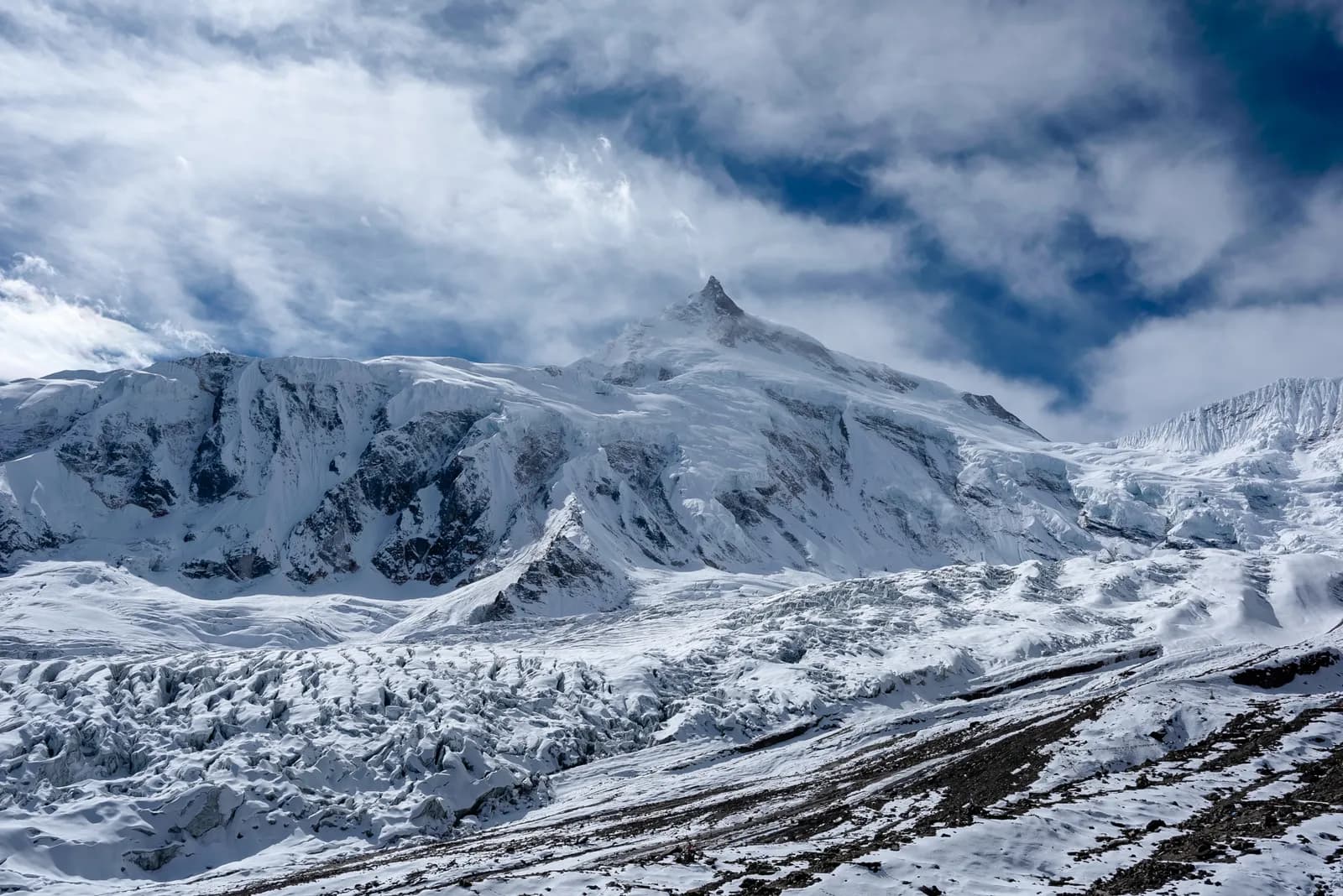
Weather in the mountains turns fast. Heavy new snow, a strong wind, clouds building below the pass in the morning, poor visibility or a forecast storm are all reasons to wait or turn back. The FCDO warns of sudden storms and avalanches above 3,000 m, and advises checking forecasts, using a reputable agency and carrying warm and wet-weather gear. In October 2014, storms on the Annapurna Circuit around Thorong La killed dozens of people, among them trekkers, guides and porters, in reports from the time; the death toll rose over several days. The lesson is not that passes are lethal but that conditions can change within hours and that a late start, an exposed position and thin clothing are what turn bad weather into a disaster. Our snow and high-pass conditions guide covers seasonal snow, and cold health covers frostbite and hypothermia.
Time rules: the turnaround time
A turnaround time is a fixed time by which you must reach a set point, or you go back. Set it the night before with your guide, based on how long the section takes and how much daylight and weather margin you need. Our route data shows why it matters: the Thorong La day on the Annapurna Circuit runs 8 to 10 hours from Thorong Phedi at 4,540 m over the pass at 5,416 m to Muktinath at 3,800 m; the Larkya La day on the Manaslu Circuit runs 8 to 10 hours from Dharamsala at 4,470 m over the pass at 5,106 m to Bimthang at 3,720 m; and the three crossings on the Everest Three Passes route each take 7 to 9 hours. The route notes call for a very early start on Thorong La and Larkya La. A party that is behind schedule at the pass is likely to be walking down in worse weather, on tired legs, in the afternoon. Decide on the numbers, such as "if we are not at the top by 10:00, we go back", and keep to them.
Terrain and route rules
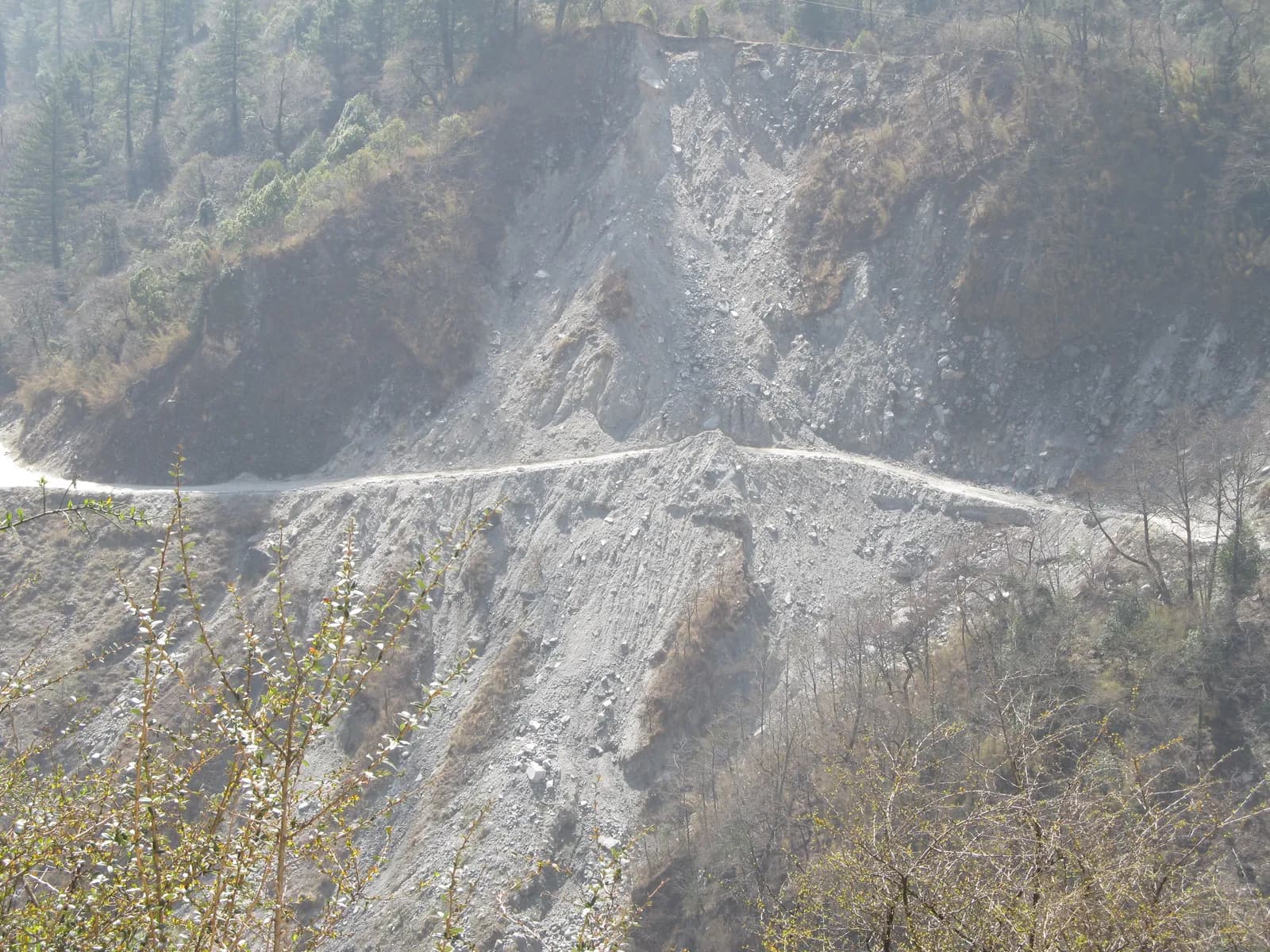
Turn back if the route is blocked by fresh snow that you cannot read, a landslide, a washed-out bridge or a river crossing that is too high; see landslides and flooded rivers. Turn back if conditions on an icy slope are beyond your equipment: our guide to crampons and microspikes explains what you need. Turn back if the group is split or if someone has lost a layer, gloves or glasses and cannot be reequipped. If you are unsure about a section, ask your guide to explain the plan and the exit.
Who decides
Decide this in advance. A good rule set is: the guide decides on route and weather; anyone can call a stop or a turnaround for health reasons, with no justification beyond "I do not feel right"; the group follows the most cautious voice; and nobody overrides someone with symptoms. In a group of strangers, this is the most important agreement you can make, and it should be said aloud at the start of the trek. Ask your agency in writing how they handle disagreement: who has the final say, and what happens if one of you wants to turn back and the others do not.
Turning back without a row
It helps to prepare for the emotional side. People who have spent months planning a pass find it hard to stop. Decide that the plan includes the option, and rehearse the words: "I am not fine, and I want to go down." State facts, not feelings: "headache getting worse, did not sleep, and nauseous," not "I feel a bit rubbish." If someone else is struggling, name what you see without blame: "you are slurring and stumbling, we are stopping." Give a clear next step: go down to the last lodge, rest, check in the morning. Our what if your partner cannot continue guide covers the money and the plan.
Buffer days make good decisions possible
Most bad decisions on passes are about time. If you have a flight to catch, a partner who has to be home or a schedule with no spare day, you will be tempted to push on. Build in a spare day at least before and after any pass, and a buffer at the end, as buffer days and itinerary flexibility explains. A spare day lets you wait out a storm, a sick partner or a closed road without having to take a risk. If your plan has none, add one, or choose a lower route.
Guide, rule and responsibility
A licensed guide through a registered agency is required in restricted areas (Department of Immigration) and, under the Nepal Tourism Board rule of April 2023, in national parks and conservation areas, where 2026 operator reports say checkpoints enforce it in Annapurna and Langtang but not in Khumbu (checked 19 October 2026). The Manaslu Circuit is a restricted area with a guide as part of the permit; on Thorong La, the guide's local knowledge of the pass and weather is a practical safety measure even when you could go without. See the guide rule by region and the partners and safety hub for related guides. If you are looking for partners who share a cautious plan, see the Annapurna Circuit and Manaslu Circuit partner pages.
Writing the rules down
On the evening before a pass, take two minutes at dinner and write the rules on a card or in a shared note: the start time, the turnaround time and place, the weather signs that mean a stop, the health signs that mean a stop and who decides. Read them aloud, ask each person if they agree and then keep the card in a day bag. A rule written the night before is much easier to follow at 5 a.m. on a cold slope than an argument improvised there. Afterwards, if you did turn back, write a line about why; it is a useful record for the next attempt.
Plan this trek
- Everest (Khumbu) region guide
- Annapurna region guide
- Manaslu region guide
- Trekking partner for Annapurna Circuit Trek
- Find someone to trek Manaslu Circuit Trek with
- Trekking partner for Everest Three Passes Trek
- Annapurna Circuit Trek itinerary
- Manaslu Circuit Trek itinerary
- Everest Three Passes Trek itinerary