Guided versus Independent Trekking in Nepal
Where you can still trek without a guide in Nepal, where you cannot, and what you give up or gain either way. The April 2023 rule, restricted areas, Khumbu, cost, safety and how partners can share a guide.
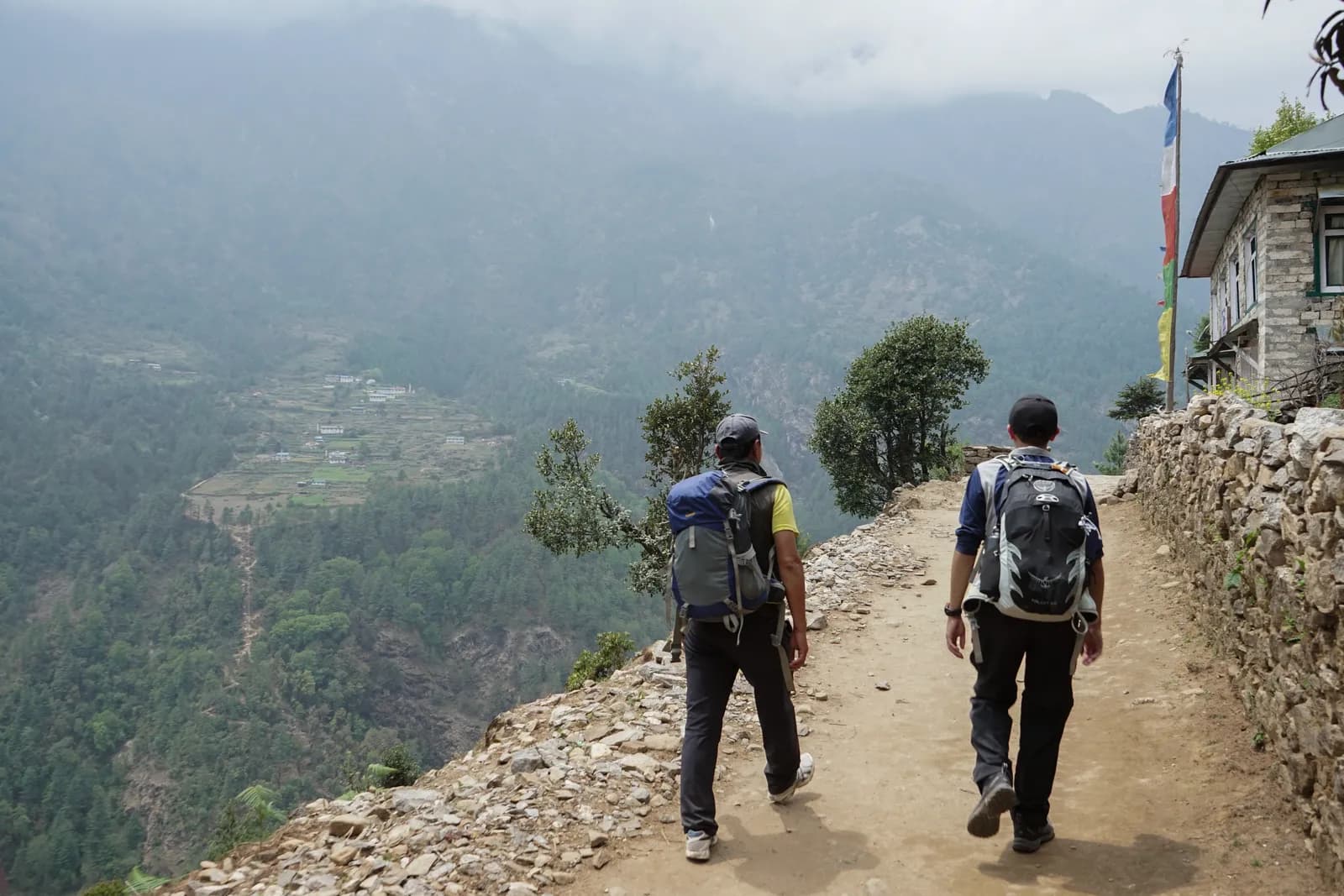
In 2026 a truly independent trek, with no guide, is only straightforward outside protected areas, on Kathmandu Valley and short hill hikes, and in Khumbu, where the municipality opted out of the national rule; elsewhere a licensed guide is required or enforced, and in restricted areas it is part of the permit. So the choice between guided and independent is partly made for you by the route. Where you do have a choice, the trade is cost and freedom against safety, logistics and local knowledge, and the middle path, sharing a guide with a partner, often wins.
This guide sets out what the rule says, where it is enforced, what each style gives you and costs, and how to share. It builds on the guide rule for foreigners explained and the standalone page /guide-rule-nepal. The comparison hub is which Nepal trek is right for you, and the related pair is solo versus group trekking.
Annapurna Circuit Trek का खुला ट्रिपहरू
साथी खोजिरहेका ट्रेकरहरूले पोस्ट गरेका वास्तविक ट्रिपहरू।

What the rule says, in one place
A licensed guide through a registered agency is required in restricted areas (Department of Immigration) and, under the Nepal Tourism Board rule of April 2023, in national parks and conservation areas, where 2026 operator reports say checkpoints enforce it in Annapurna and Langtang but not in Khumbu (checked 19 October 2026).
The details matter.
- Restricted areas. The Department of Immigration requires a licensed guide through a registered agency in the restricted areas, 13 districts including Manaslu, Upper Mustang and Upper Dolpo, and reminded stakeholders of this in June 2026. Since 22 March 2026 individual trekkers can apply for the permit, but a guide is still required.
- Parks and conservation areas. The written rule is the Nepal Tourism Board announcement of April 2023. We found no separate Department of Immigration or DNPWC notice. Operator reports in 2026 say checkpoints enforce it at the Annapurna Conservation Area (ACAP) and in Langtang, the strictest, and in most other parks.
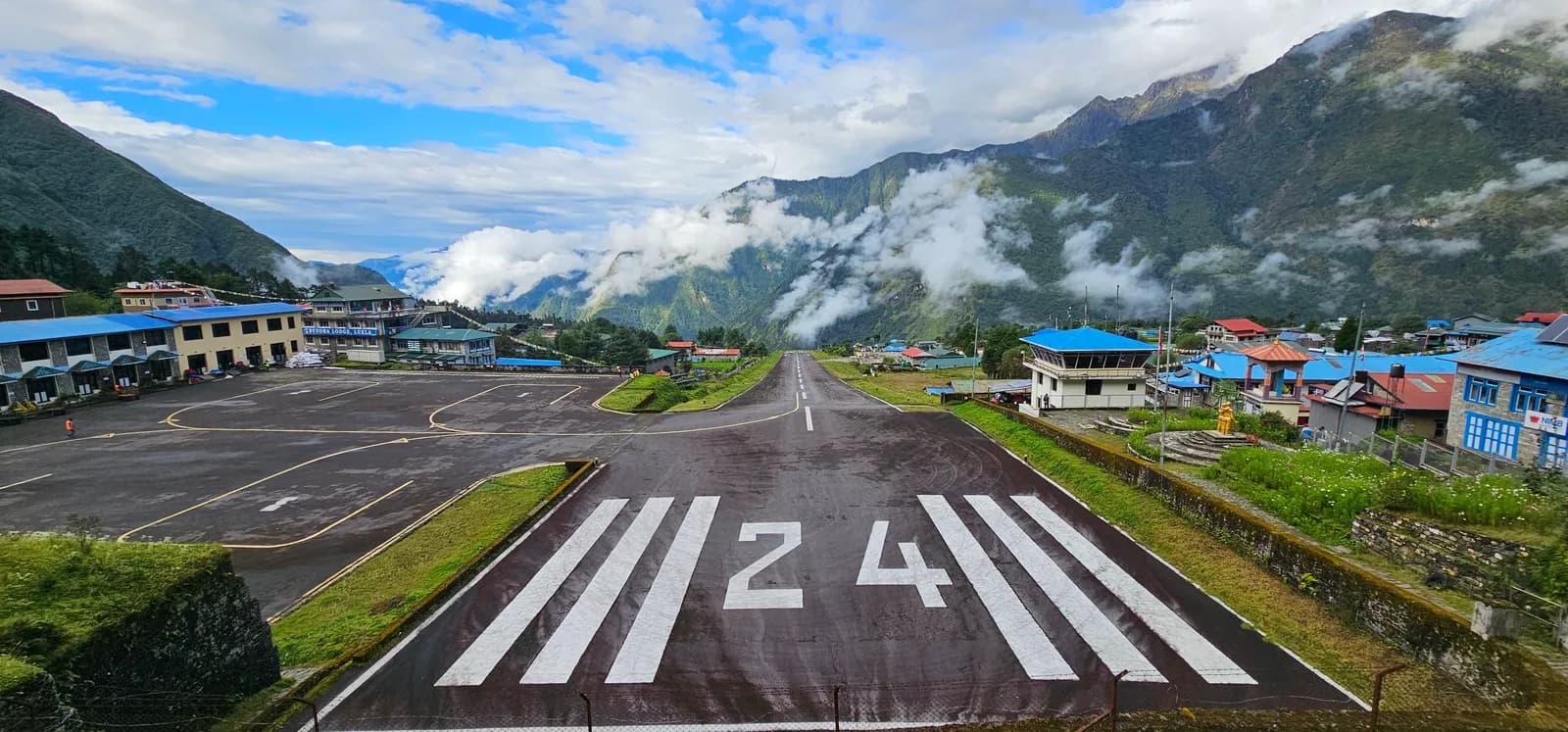
- Khumbu. Reported not checked, because the Khumbu Pasang Lhamu municipality opted out (Kathmandu Post, 3 April 2023) and instead issues its own trek card, which our data puts at NPR 3,000 (confirm at Lukla).
None of this is a guarantee of what a checkpoint will do on a given day; rules and enforcement change, so confirm with an agency before you book.
Route by route
| Route | Guide situation | Why |
|---|---|---|
| Manaslu Circuit | Required, part of the permit | Restricted area |
| Upper Mustang | Required, part of the permit | Restricted area |
| Annapurna Circuit | Plan on one; enforced at ACAP checkpoints | NTB rule, April 2023 |
| Langtang Valley | Plan on one; reported as the strictest | NTB rule, April 2023 |
| Everest Base Camp | Reported not checked in Khumbu; strongly advised | Municipality opted out |
| Kathmandu Valley and Pokhara day hikes | Not required | Outside the protected-area rule |
For the Pokhara foothills, our region page says sources disagree on whether the foothill walks need the ACAP permit, so confirm with your agency.
What independent trekking gives you
Independence gives freedom and savings. You choose the pace, the stops and the lodges, you can change plans at the next village and you spend nothing on a guide. On Khumbu's busy trail, where the lodges are frequent, the path is clear and the Lukla flights and Namche bank machine are known quantities, a well-prepared trekker can manage. Short, low hikes near Kathmandu or Pokhara do not need a guide at all.
The independent trekker also takes on all the decisions: weather calls, route choices when a path is washed out, altitude self-monitoring, arranging a rescue and paying for it. Those are the things a guide is paid for.
What a guide gives you
A good guide handles permits and checkpoints, reads the weather and the trail, spots altitude illness early, speaks the language and knows the lodges, and can organise a porter, a replacement or a rescue. They also add local knowledge: the village, the festival, the history. On high passes such as Cho La, Thorong La and Larkya La, route-finding and weather judgement are worth the fee. A guide does not remove risk, and you remain responsible for telling them honestly how you feel; see guide versus porter roles.
Cost
As of October 2026 our cost data gives operator price ranges of NPR 2,700 to 4,000 a day for a guide in Annapurna and Langtang, NPR 3,400 to 4,700 in Everest and Manaslu, and NPR 4,000 to 5,400 in Upper Mustang, with a porter at NPR 2,100 to 3,400. These are market ranges from operator guides, not official rates. Over the 8 guide days of the Langtang plan, the Annapurna and Langtang range comes to NPR 21,600 to 32,000; over 11 days on the Everest trek, NPR 37,400 to 51,700. Costs fall per person if you share the guide. See the Nepal trekking cost guide and splitting guide and porter costs fairly.
Safety and the real trade-off
A guide improves your odds but does not make a trek risk-free. The safest option is a licensed guide, a clear plan, a spare day and honest communication. The riskiest is a solo trek on a high or remote section with no communication. For high routes, the NHS advises resting at the same altitude if you have symptoms and going down if they worsen; a guide who knows this and acts on it is worth the money. Read solo trekking in Nepal: is it safe?, altitude sickness basics and solo female trekking safety tips.
Hiring a guide: agency or freelance
You can book through a registered agency or hire a freelance guide. An agency handles permits, insurance for its staff and a replacement if the guide falls ill, and can be held to a written agreement; a freelance guide can be cheaper but may not be able to obtain restricted-area permits at all, since those come through a registered agency. Ask for the guide's licence card and association, agree the day rate and what it includes in writing, and keep payments traceable. See how to vet a trekking partner for the checking habit.
The middle path: sharing a guide
For many trekkers the answer is neither a private guide nor going alone but a shared guide. Two or three people split the guide and porter, which cuts the cost per person while keeping the safety benefits. It also helps where a licensed guide is mandatory, as on the Manaslu Circuit, because the group splits that fixed cost. To find someone, use a partner page such as Annapurna Circuit or Manaslu Circuit, and read how to find a trekking partner in Nepal safely. Agree the route, pace and money beforehand; see what to agree with trekking partners before you book.
Questions to ask before you decide
Before you commit to either style, put the same five questions to yourself and your agency. Is the route in a restricted area, a national park or conservation area, Khumbu or none of these, because that decides what the rule asks? Who applies for the permits and TIMS, and what happens if a checkpoint asks for a guide you do not have? What is the plan for weather, illness and a missed flight? Who is paying for rescue first, and does your insurance cover the altitude? And how comfortable are you making decisions alone when the weather turns and the nearest help is a day away? Rules and enforcement change, so treat any answer you read online, including ours, as a reason to ask again and to check the official sources, particularly the Department of Immigration for restricted areas and the Nepal Tourism Board for TIMS and park rules.
Which should you choose?
- Restricted area: guided, as part of the permit.
- Annapurna or Langtang: plan on a guide; share if you can.
- Everest Base Camp: your choice, but a guide is strongly advised, especially above Dingboche.
- Kathmandu Valley and low hills: independent is fine.
- Tight budget: share a guide with a partner rather than going without one.
- First high-altitude trek: guided or shared.
Rules change, so before you pay anyone, check the current position with an agency and the official sites listed in the sources, and see the comparisons category for related decisions.
यो ट्रेकको योजना बनाउनुहोस्
- Everest (Khumbu) क्षेत्र गाइड
- Annapurna क्षेत्र गाइड
- Langtang क्षेत्र गाइड
- Manaslu क्षेत्र गाइड
- Trekking partner for Annapurna Circuit Trek
- Trekking partner for Everest Base Camp Trek
- Find someone to trek Langtang Valley Trek with
- Find someone to trek Manaslu Circuit Trek with
- Annapurna Circuit Trek यात्रा तालिका
- Everest Base Camp Trek यात्रा तालिका
- Langtang Valley Trek यात्रा तालिका
- Manaslu Circuit Trek यात्रा तालिका
फोटोहरू
प्रायः सोधिने प्रश्नहरू
स्रोतहरू
- Department of Immigration, Nepal
- Diplomat Nepal: Department of Immigration reinforces mandatory guide rule for trekking in restricted areas (13 June 2026)
- Himalayan Times: solo travellers allowed to trek without a guide in Everest region (27 March 2023)
- Kathmandu Post: Everest region, Nepal Tourism Board dispute over solo trek ban heats up (3 April 2023)