

Sleeping Bag Temperature Ratings for Nepal Treks
How to read sleeping bag temperature ratings, match them to the coldest night of your Nepal route, check a rental in Thamel or Pokhara, and what liners, clothing and mattresses change.
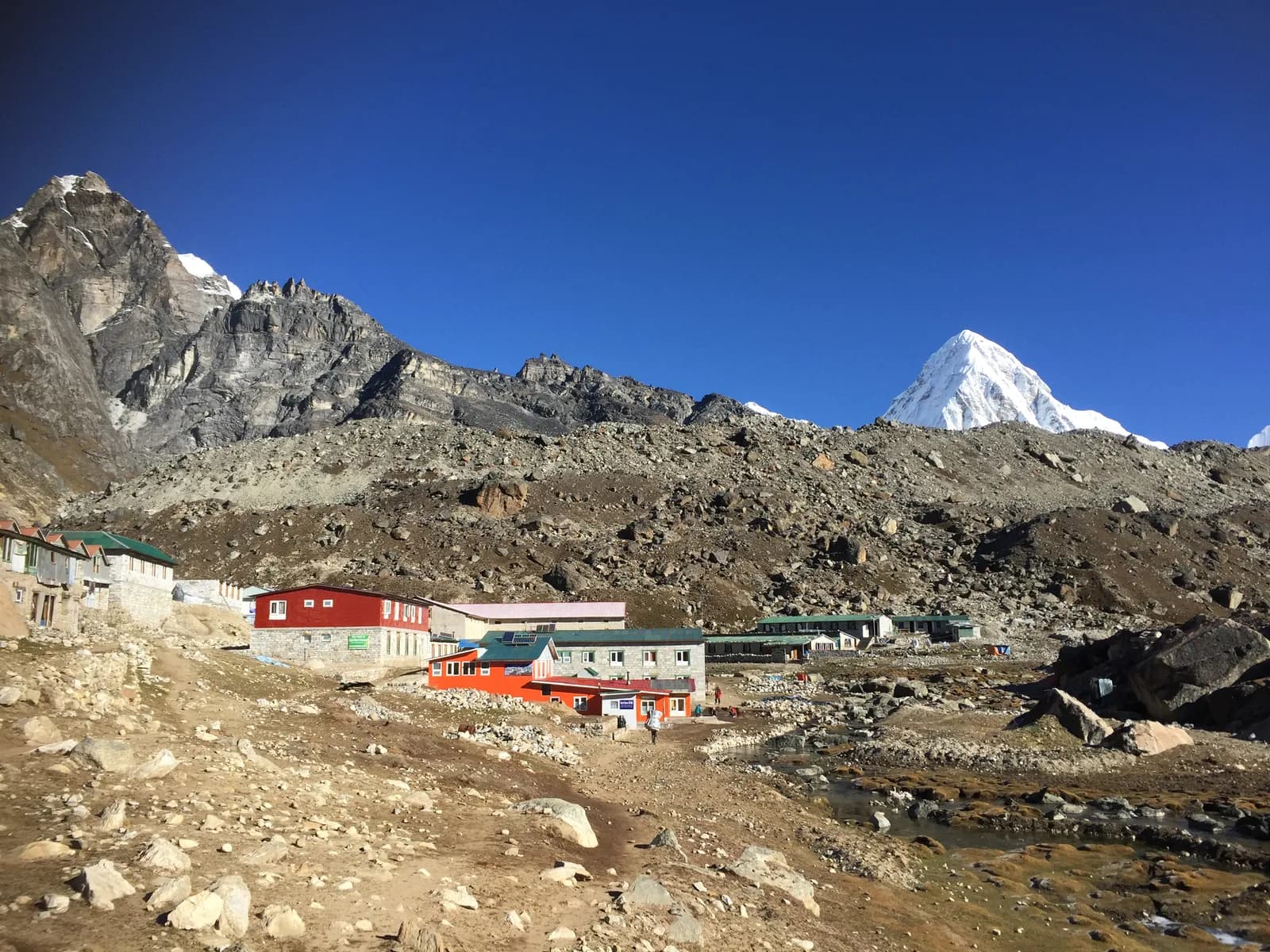
The sleeping bag is the piece of kit that decides whether the cold nights of a Nepal trek are a minor discomfort or a miserable week. Choose the bag by the coldest night of your route and season, read the rating as a limit and not a promise, and rent or buy with a clear idea of what the numbers mean. Teahouse bedrooms above about 4,000 m are unheated, the blankets are thin and the coldest night is usually the one before your biggest day, so a bag that is too light is the mistake you pay for at the worst moment.
This guide explains how temperature ratings work, how to match them to Nepal routes using our route pages, what to look for when renting in Kathmandu or Pokhara and how liners and clothing change the maths. It does not give a weather forecast for any night, because we have no dated temperature data to cite. Ask your guide or recent trekkers for the night before.
Trip terbuka di Everest Base Camp Trek
Trip sebenar yang disiarkan oleh pendaki yang mencari rakan.

What the numbers on the label mean
Outdoor brands in Europe use a standard test. The EN 13537 standard, introduced in 2005, was replaced by ISO 23537 in 2016. A heated mannequin produces up to four temperatures, as the Wikipedia article on sleeping bags summarises:
- Upper limit: the highest temperature at which a standard adult man can sleep without excess sweating.
- Comfort: based on a standard adult woman sleeping comfortably.
- Lower limit: the lowest temperature at which a standard adult man, curled up, is in thermal equilibrium and just not feeling cold.
- Extreme: a survival figure that the article says it is not advisable to rely on for general use.
Two practical points follow. First, the comfort rating is the number that tells you where an average person will actually sleep well, and the lower limit is the point where they will be cold. The transition zone between comfort and lower limit is generally treated as the best guide when buying. Second, the test assumes the sleeper wears long underwear, socks and a hat and lies on an insulated mat, so a bag cannot do its job if you wear damp clothes or sleep on a thin foam mattress over a cold floor. Moisture severely reduces a bag's insulating effect, which matters in Nepal, where dry kit can get damp from rain, sweat and breath.
Some rental and market bags carry no standard label, and a seller's number may not come from a test. Treat an unlabelled "minus 20" with caution and judge the bag by how thick and lofty it is.
Matching a bag to your route
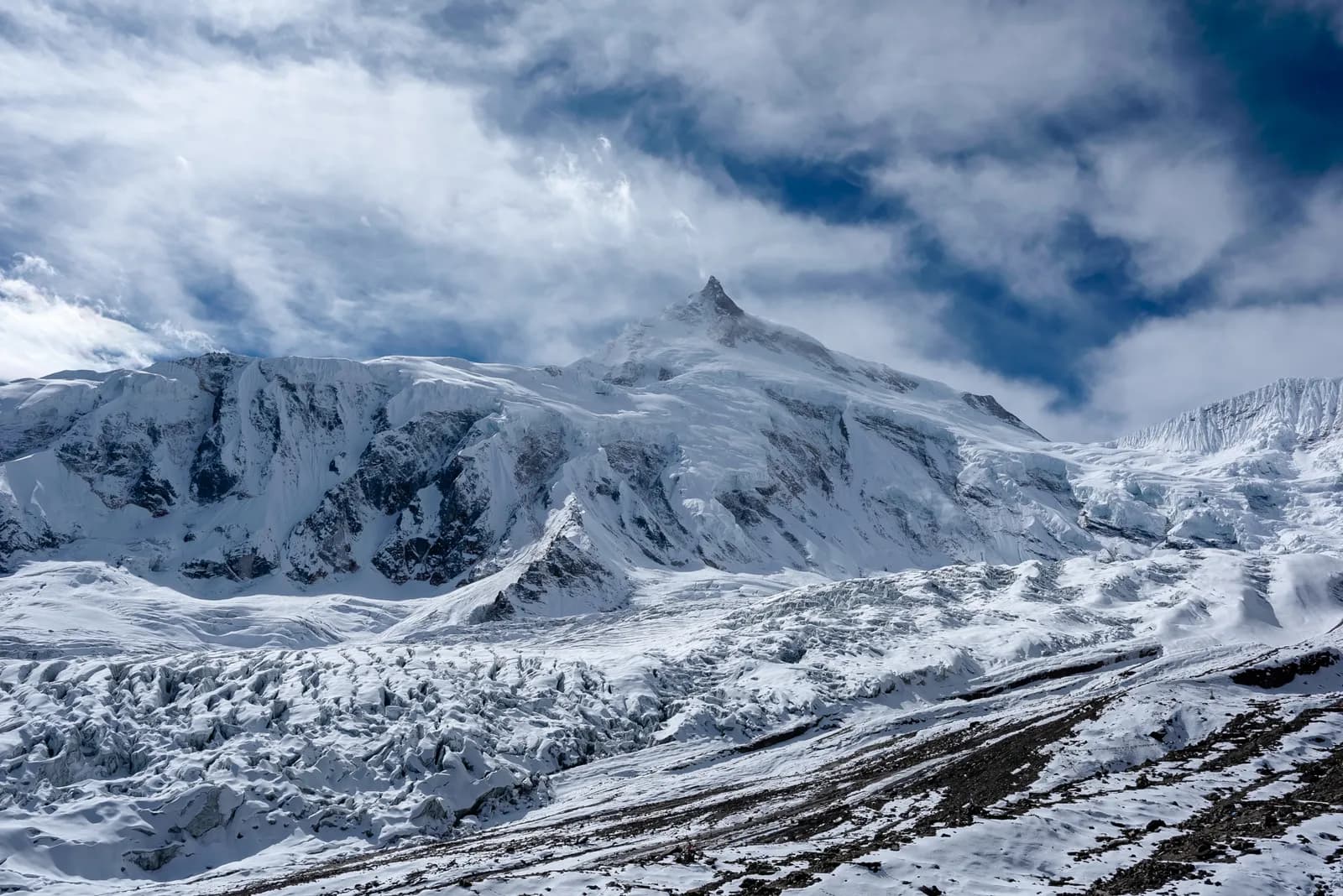
Our route pages and packing guides give two anchors. The packing list for Everest Base Camp in spring suggests a bag with a comfort rating around minus 10 C for that route, and the Manaslu region page lists a sleeping bag rated to about minus 15 C for the Larkya La crossing. Those numbers are advice from our region data, not guaranteed forecasts, but they show the scale: bags for the highest routes are rated well below freezing.
| Route and highest night | Starting point for your choice |
|---|---|
| Poon Hill: Ghorepani, 2,860 m | Light to medium bag; winter needs more, see January |
| Annapurna Circuit: Thorong Phedi, 4,540 m | Warm bag rated for hard frost |
| Everest Base Camp: Gorak Shep, 5,164 m | Comfort rating around minus 10 C is common advice in spring; colder in November and winter |
| Manaslu Circuit: Dharamsala, 4,470 m | About minus 15 C |
| Langtang Valley: Kyanjin Gompa, 3,870 m | Medium to warm, depending on season |
The season moves the target. Our month guides describe March and November as cold at night with clear skies, and winter as far below freezing at altitude, with unheated rooms. The warmest part of October and April can be forgiving at lower lodges and harsh at the top, so size your bag for the highest night, not the average one.
Down or synthetic
Down is lighter and packs smaller for its warmth, and it loses insulation when wet. Synthetic fill is heavier and bulkier and tolerates damp better. In Nepal the practical question is whether you will be able to keep your bag dry. In a teahouse the bag lives inside a dry bag or liner, so down is workable on the standard routes in the dry seasons. For monsoon trips or a camping trek, with condensation inside a tent, synthetic or a very careful system matters more. See our monsoon trekking guide.
Renting in Kathmandu or Pokhara
Thamel in Kathmandu and Lakeside in Pokhara have many shops that rent bags, and our packing list says renting is sensible if you trek once or twice. The risks are cleanliness, condition and false ratings. Check:
- The label. Ask to see the rating on the bag itself, not on a shop card.
- The loft. A good bag springs back when you shake it out. A flat, compressed bag is worn out.
- Smell and dampness. Unpack it fully. A musty bag may have been stored wet.
- Zips and drawcords. Test the full length of the zip and the hood cord.
- Size. A bag that is too big has dead air you have to heat; a bag that is too small compresses the insulation at your feet.
- Counterfeits. Our packing list warns that counterfeit branded gear is common, so judge a bag by warmth and construction, not the logo.
Decide a day early so you can swap a bag that disappoints. Bring your own liner, which is cheap, light and washable, and keeps a rented bag cleaner. Leave a note with the shop of when you will return and keep the receipt.
Liners, layers and the bed
A liner adds some warmth and keeps the bag clean. Our spring packing list notes that a silk or fleece liner is light. More effective than a liner is what you wear to bed: dry thermal base layers, clean socks and a hat. The test assumes those. A second thing is the mattress. Teahouse beds usually have a thin foam mattress, and the cold comes through from the floor, so a bag that works in a test with an insulated mat may feel colder on a lodge bed. A fold of spare clothing under your hips and feet helps.
A warm drink before bed also helps. Many trekkers also find that the combination of altitude and cold ruins sleep regardless of the bag; see our guide to what is normal at altitude.
The coldest nights on the routes we cover
Because the bag is sized for one night, it helps to know which night that is. On the Everest Base Camp plan, the sleeping altitudes climb from Dingboche (4,410 m) to Lobuche (4,940 m) and Gorak Shep (5,164 m), and the last of those nights comes before an early start for Kala Patthar, so the coldest night is also the one when you most need sleep. On the Annapurna Circuit the equivalent is Thorong Phedi at 4,540 m, or High Camp at 4,880 m if your group continues there, the night before the pass crossing. On the Manaslu Circuit it is Dharamsala at 4,470 m before Larkya La. In each case the pass or viewpoint day starts in the dark. Arriving at that night with a bag that is too light is hard to fix: lodges have blankets, but they are thin, and the shops are days behind you.
Ask three questions before you buy or rent. What is the highest sleeping altitude on my route? What season am I going, and how cold were recent nights for other trekkers? And do I tend to sleep cold? If the answers point to a close call, take the warmer bag. The extra weight is small next to the cost of a sleepless night before a long day, and a bag that is a little too warm is easy to vent by opening the zip.
Weight, packing and the porter
A bag rated for minus 15 C is bulky. If you hire a porter, it goes in the duffel with the rest, in a dry bag. If you carry your own pack, expect a warm bag to take a large share of the volume. Agencies publish a weight limit for porters, and the Lukla flight has its own baggage limit, so check both before you decide to bring a heavy bag.
Buy, rent or borrow?
| Situation | Suggested choice |
|---|---|
| One trek, high route | Rent, after a careful check |
| Several treks or cold-season trips | Buy a bag you trust |
| Low route in a warm season | A light bag or liner is enough |
| Camping trek such as Kanchenjunga or Dolpo | Buy, because you will use it every night |
If you are trekking with a partner, compare ratings and ask how each of you sleeps; some people run cold. Agree who carries what, and decide before you reach the shop. For more kit advice, read the packing list and the guide on renting a down jacket.
Rancang trek ini
- Panduan wilayah Everest (Khumbu)
- Panduan wilayah Annapurna
- Panduan wilayah Manaslu
- Trekking partner for Everest Base Camp Trek
- Trekking partner for Annapurna Circuit Trek
- Find someone to trek Manaslu Circuit Trek with
- Trekking partner for Poon Hill Trek (Ghorepani)
- Itinerari Everest Base Camp Trek
- Itinerari Annapurna Circuit Trek
- Itinerari Manaslu Circuit Trek
- Itinerari Poon Hill Trek (Ghorepani)


