Water Purification on the Nepal Trail: What Works
How to make water safe on a Nepal trek: boiling at altitude, chlorine dioxide, filters, UV pens and what lodges sell, with the CDC's notes on which method kills which germ and how to share a system.
There are four reliable ways to make water safe on a Nepal trek, and the best choice is usually two of them together. Boil it for a full minute, filter it with an ultrafilter, treat it with chlorine dioxide, or use a UV pen on clear water, and combine methods when the source is poor. The CDC says that boiling works even at about 4,900 m, where water boils at roughly 83 C, and that no single method does everything: filters differ in what they remove, chemicals need contact time and UV needs clear water. This guide sets out what each method does, how to use it on teahouse routes, what lodges sell and how to keep a group of partners from running out.
Nothing here is medical advice, and the technical detail comes from the CDC Yellow Book chapter on water disinfection. For what happens when water or food does make you sick, see teahouse food hygiene and stomach bugs, and for how much to drink, hydration at altitude.
Annapurna Circuit Trek의 모집 중인 여행
파트너를 찾는 트레커들이 올린 실제 여행입니다.

Why treat water at all
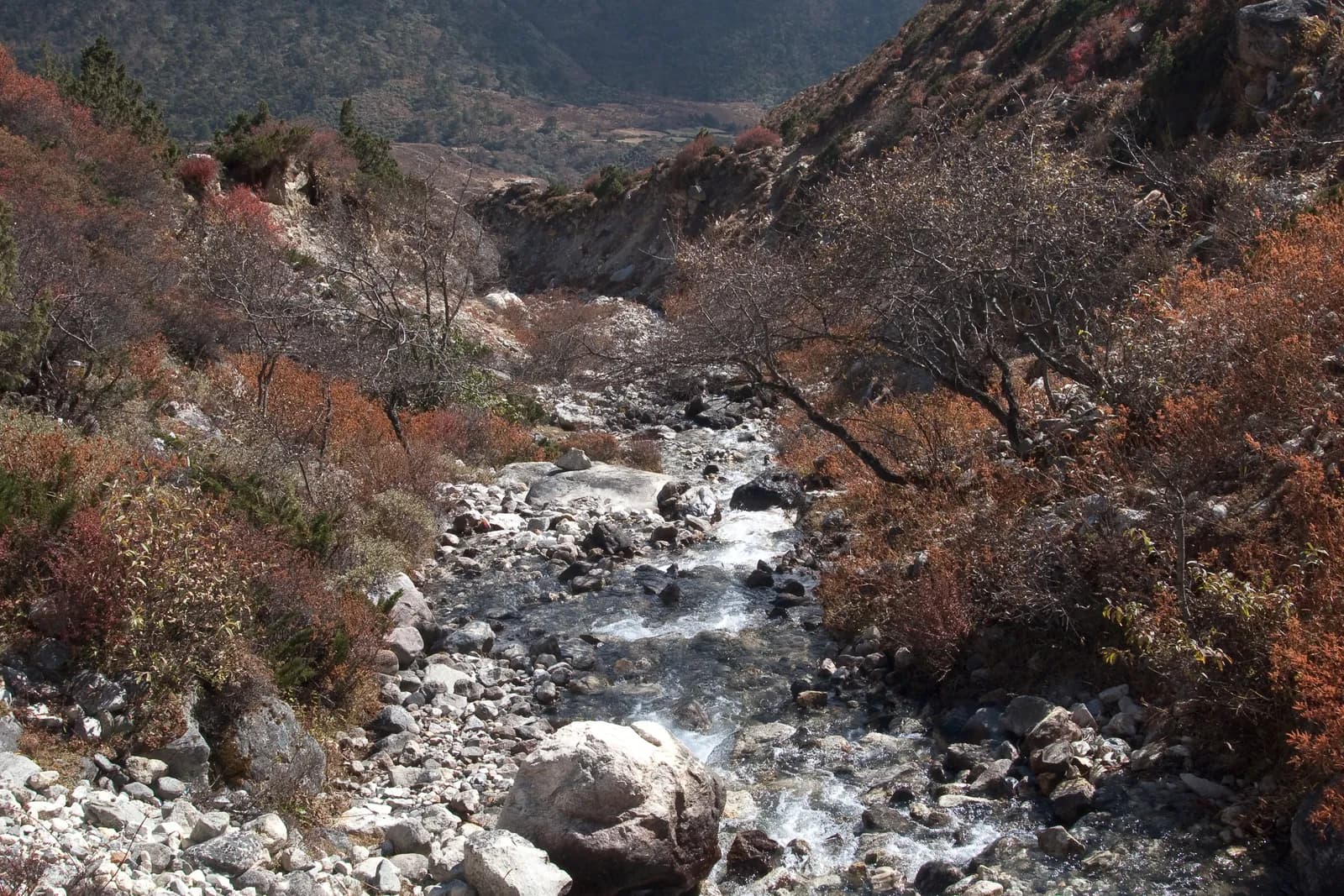
The CDC's Nepal page tells travellers to choose safe food and drinks, to wash hands often, to use water treatment when hiking or camping, and to avoid floodwater because of leptospirosis. The CDC's chapter on travellers' diarrhoea describes it as the most predictable travel illness and says that bacteria cause most cases. On a trek the risks are not only the stream. Villages share water between people and animals, pipes cross fields, and a clear mountain stream may have a yak herd or a lodge above it. Lodge water also varies: some lodges boil it, some filter it and some give you a tap. You cannot see the difference, so treat everything you drink.
Boiling
Boiling is the simplest method and works everywhere. The CDC recommends boiling for a full minute to allow a safety margin, and says water boiled at about 4,900 m (16,000 ft), at roughly 83 C, is still hot enough to inactivate the pathogens that cause diarrhoea. If fuel is scarce, heat until the first simmer, cover and let the water stand for 30 minutes. Most lodges sell boiled water by the litre, and the price rises with altitude because fuel is carried in. The drawback is cost and time, and boiling does not remove cloudiness or chemicals. Ask the lodge how the water was boiled and how it was stored, and fill your bottle with hot water first thing in the evening so that it is cool by the morning.
Chemical treatment: chlorine dioxide and iodine
Chlorine dioxide tablets or drops are light and cheap. The CDC says chlorine dioxide kills all waterborne pathogens, including Cryptosporidium, at practical doses, but tablets and drops need several hours of contact time and leave no lasting residual, so read the label and plan ahead. Chlorine and iodine work against bacteria and viruses at the right concentration and contact time; Giardia is more resistant but killed with longer contact, and Cryptosporidium is poorly inactivated even with extended contact. The CDC notes the WHO advises limiting iodine use to a few weeks, and that people with unstable thyroid disease or iodine allergy should avoid it and prolonged use is not advised in pregnancy. Cloudy water needs a higher dose or a longer wait, so let sediment settle and strain it through a cloth first. Cold water slows chemical action, a reason to start treatment early and keep the bottle in a warm pocket.
Filters
Filters are measured by pore size. The CDC says microfilters, with pores smaller than one micron, remove bacteria, Giardia and Cryptosporidium but not reliably viruses such as norovirus, which are about 0.03 micron. Ultrafilters, around 0.01 micron, remove viruses along with bacteria and parasites. Activated charcoal improves taste and removes some chemicals but does not reliably remove microbes. The CDC adds that the EPA's "purifier" standard requires removal of 99.9999% of bacteria, 99.99% of viruses and 99.9% of protozoa, and that the EPA does not independently verify these claims. In practice that means choosing a filter whose maker states what it removes, and keeping it from freezing, because a frozen filter can crack without showing it. Squeeze or pump filters work on teahouse routes; gravity filters suit larger groups.
UV pens
Ultraviolet pens kill bacteria, viruses, Giardia and Cryptosporidium oocysts, according to the CDC, but only in clear water, because particles shield microbes, and only with enough exposure time. They leave no residual, so the bottle must be clean. They need batteries, and batteries lose power in the cold, so keep the pen warm and carry spares. A UV pen is a good second step after a pre-filter or after a cloth strain, and a poor first step for muddy water.
A system that works on a teahouse trek
Most trekkers do well with one of three setups. The simple setup is to buy boiled water from the lodge and add a chlorine dioxide tablet as a precaution. The light setup is a bottle with an ultrafilter that fills from any source. The cautious setup is a microfilter followed by chlorine dioxide for viruses. For a route like the Annapurna Circuit, where villages are close and lodges plentiful, the simple setup is usually enough; on the Everest Base Camp route it is the same, with fuel costs higher at altitude. On Langtang Valley and other quieter trails, carry your own filter or tablets because lodges are fewer and stream water becomes the main source. Whichever you choose, test it at home, know the contact time and do not leave the choice for the first evening of the trek.
Plastic, refills and respect
Bottled water is easy to find in trail shops and expensive to remove: empty bottles are carried back by porters or burned, and many villages have no recycling. Refill stations and boiled water from lodges avoid most of the waste, and a filter or tablets avoid the rest. Do not wash with soap or detergent in streams, do not dump leftover tablets, and carry out your own packaging. Our trail etiquette guide covers other courtesies, and the what is a teahouse trek guide explains how lodges work.
Sharing a system with partners
If you share a trek with partners, you can share the weight too: one person carries a filter, another the tablets, and everyone carries a bottle. Agree who treats the water at each stop and that nobody drinks untreated water as a shortcut on a hot day. A stomach bug affects the whole group, because a sick partner changes the schedule for everybody. The trekking partner safety guide lists other things worth agreeing, and the Everest Base Camp partner page can help you find people on your dates.
Quick checklist
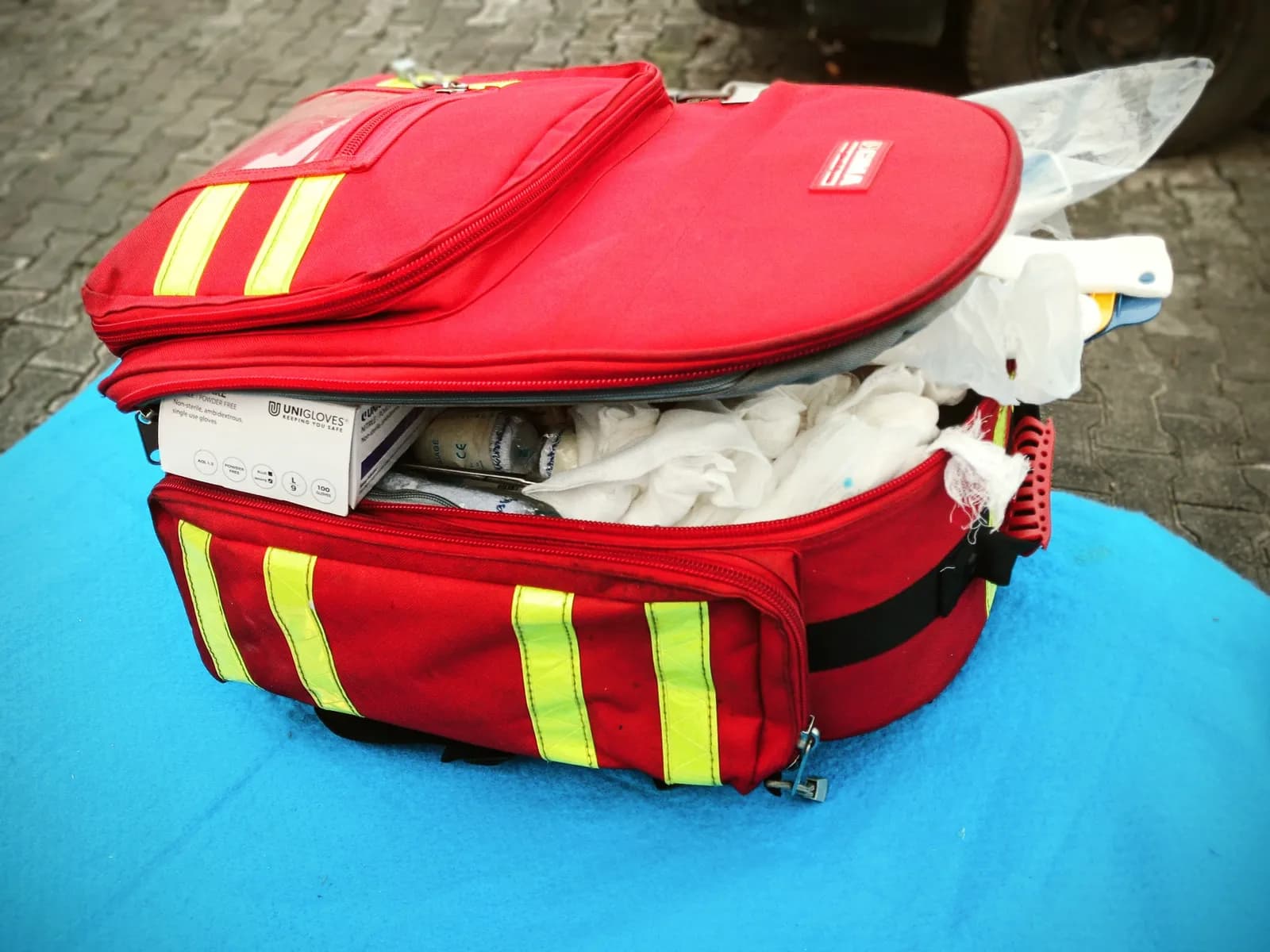
Before you leave: choose a method and a backup, practise with them, pack spare tablets and spare batteries, and put a few oral rehydration sachets in your kit. On the trail: treat all water, including for teeth; use clear water where possible; let cloudy water settle; check contact times; keep filters and pens from freezing; and refill from lodges and refill points. If you do get sick, rehydrate first and read the first aid kit guide. The altitude and health hub lists the rest of the series.
Mistakes that undo a good system
The usual failures are small. A filter is used on clear water but its dirty outlet touches the clean bottle. A chlorine dioxide tablet is dropped in and the water is drunk after ten minutes instead of the full contact time on the packet. A UV pen is used in cloudy water. A bottle is refilled with untreated water and the lid is screwed on, so the clean water is contaminated again. A filter freezes overnight in the bag. Wash your hands before handling treated water, keep one bottle for treated water only, label it, and keep the cap clean. If you doubt a step, treat the water again, using a second method. A two-step system, such as filter then tablet, covers most mistakes.