Best time to trek in Nepal: seasons and months by region
When to trek in Nepal: autumn and spring compared, a month-by-month table for Everest, Annapurna, Langtang, Manaslu and Upper Mustang, the monsoon dates and the rain-shadow exceptions.
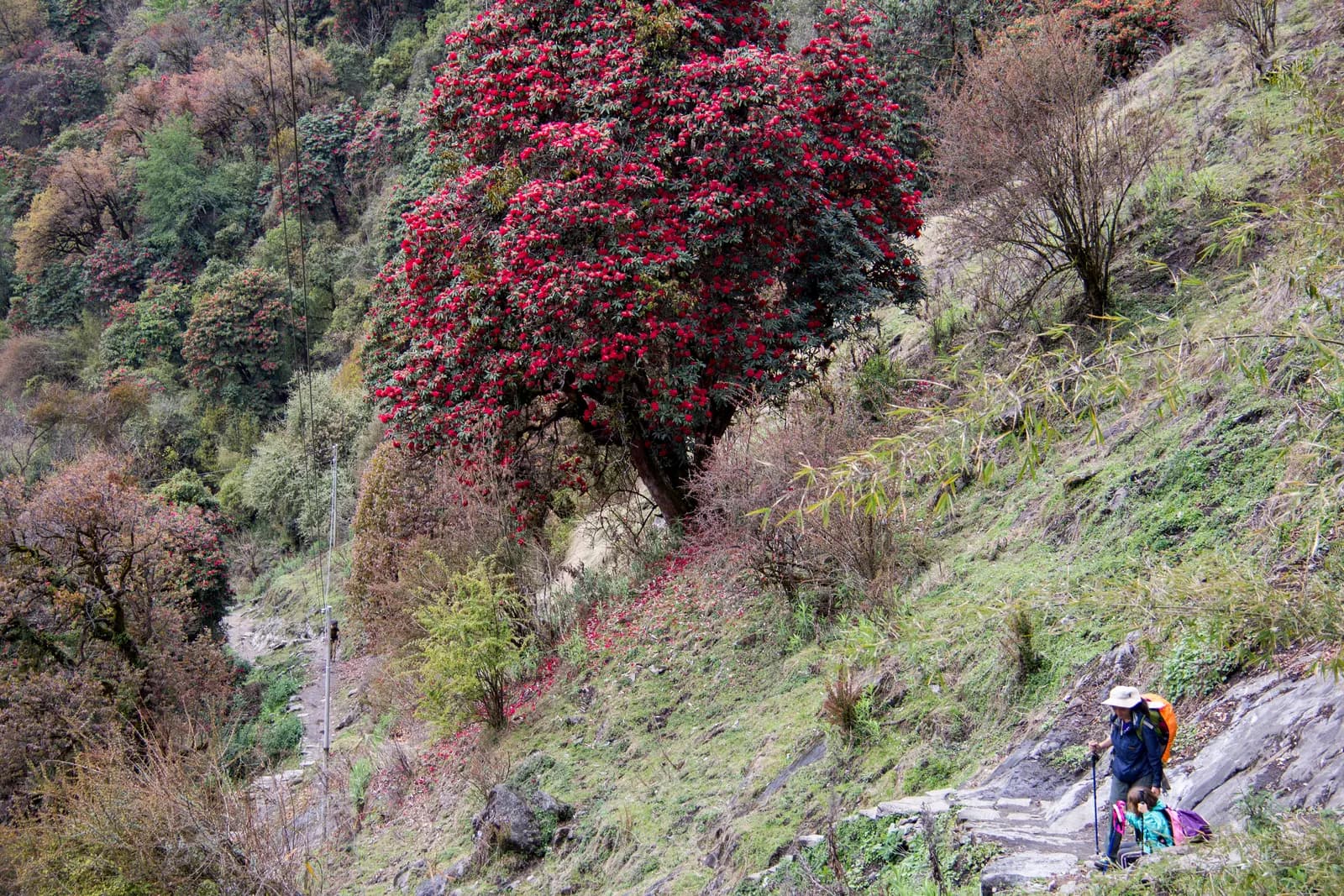
The best time to trek in Nepal is October to November and March to May. October has the steadiest weather and the busiest trails, November is colder but very clear, and April brings rhododendrons and warm days at low altitude. The monsoon runs from about mid-June to early October and makes most routes wet, cloudy and landslide-prone, with the exception of Upper Mustang and the northern Annapurna Circuit, which sit in the rain shadow. Winter is possible on low routes and difficult on high ones.
This guide gives the season overview, a month-by-month table for each region, the monsoon dates from Nepal's weather service and tips on choosing. For route-specific detail see best time for Everest Base Camp and best time for the Annapurna Circuit.
Everest (Khumbu)의 모집 중인 여행
파트너를 찾는 트레커들이 올린 실제 여행입니다.

The four seasons at a glance
| Season | Months | Trekking verdict |
|---|---|---|
| Pre-monsoon (spring) | March to May | Very good: warm, flowers, afternoon cloud builds in May |
| Monsoon | June to mid-September | Avoid, except rain-shadow routes |
| Post-monsoon (autumn) | Late September to November | Best: clear air, steady weather, crowded |
| Winter | December to February | Low routes only, or experienced trekkers |
The monsoon in numbers
Nepal's Department of Hydrology and Meteorology gives 13 June as the normal onset and 2 October as the normal withdrawal, a normal season of 112 days. In recent years the monsoon has arrived and left at different times: onset on 29 May in 2025 (about two weeks early) with withdrawal on 10 October, and withdrawal on 12 October in 2024 and 15 October in 2023. Early October can therefore still be unsettled, and the clearest weeks often start in the last days of October.
Month by month, by region
| Month | Everest | Annapurna | Langtang | Manaslu | Upper Mustang |
|---|---|---|---|---|---|
| January | Very cold, experienced only | Low routes walkable; high routes snowy | Snow on high trails | Deep snow on the pass | Most lodges closed |
| February | Very cold | Similar to January | Snow on high trails | Deep snow on the pass | Most lodges closed |
| March | Clear days, cold nights, snowy passes | Early rhododendron, snow on passes | Cold nights, snow can linger | Pass may be impassable early | Cold, windy, some lodges closed |
| April | Spring peak, busy | Spring peak, flowers | Spring peak, busy | Flowers, snow on the pass early | Season opens, clear skies |
| May | Warmer, hazier | Warmer, hazier | Afternoon cloud | Usually clear on the pass | Warm, Tiji usually around now |
| June | Monsoon | Monsoon (south wet) | Monsoon, landslides | Monsoon | Mostly dry |
| July | Monsoon | Monsoon (north drier) | Monsoon | Monsoon | Mostly dry |
| August | Monsoon | Monsoon (north drier) | Monsoon, Janai Purnima at Gosaikunda | Monsoon | Mostly dry |
| September | Fading monsoon | Trails green | Rains fade | Pass wet and icy early | Clear, stable |
| October | Steady, busiest | Steady, busiest | Stable, clear | Stable, clear | Clear, mild, busy |
| November | Cold, very clear | Cold, clear | Cold, clear, quiet | Cold, windy pass | Cold, windy, lodges begin to close |
| December | Very cold | Cold, snow on high routes | Snow | Deep snow | Closed |
Region notes
Everest. Spring and autumn are best. Lukla flights and the cold at Gorak Shep drive most decisions. Mani Rimdu at Tengboche falls in October or November.
Annapurna. The widest choice: Poon Hill and Ghandruk are walkable in winter, the Sanctuary has avalanche risk, and Thorong La can close.
Langtang. The Trishuli road is the monsoon problem, with landslides. Autumn and spring give the best views.
Manaslu. The pass is the constraint: snow early in spring, ice early in autumn and deep snow in winter.
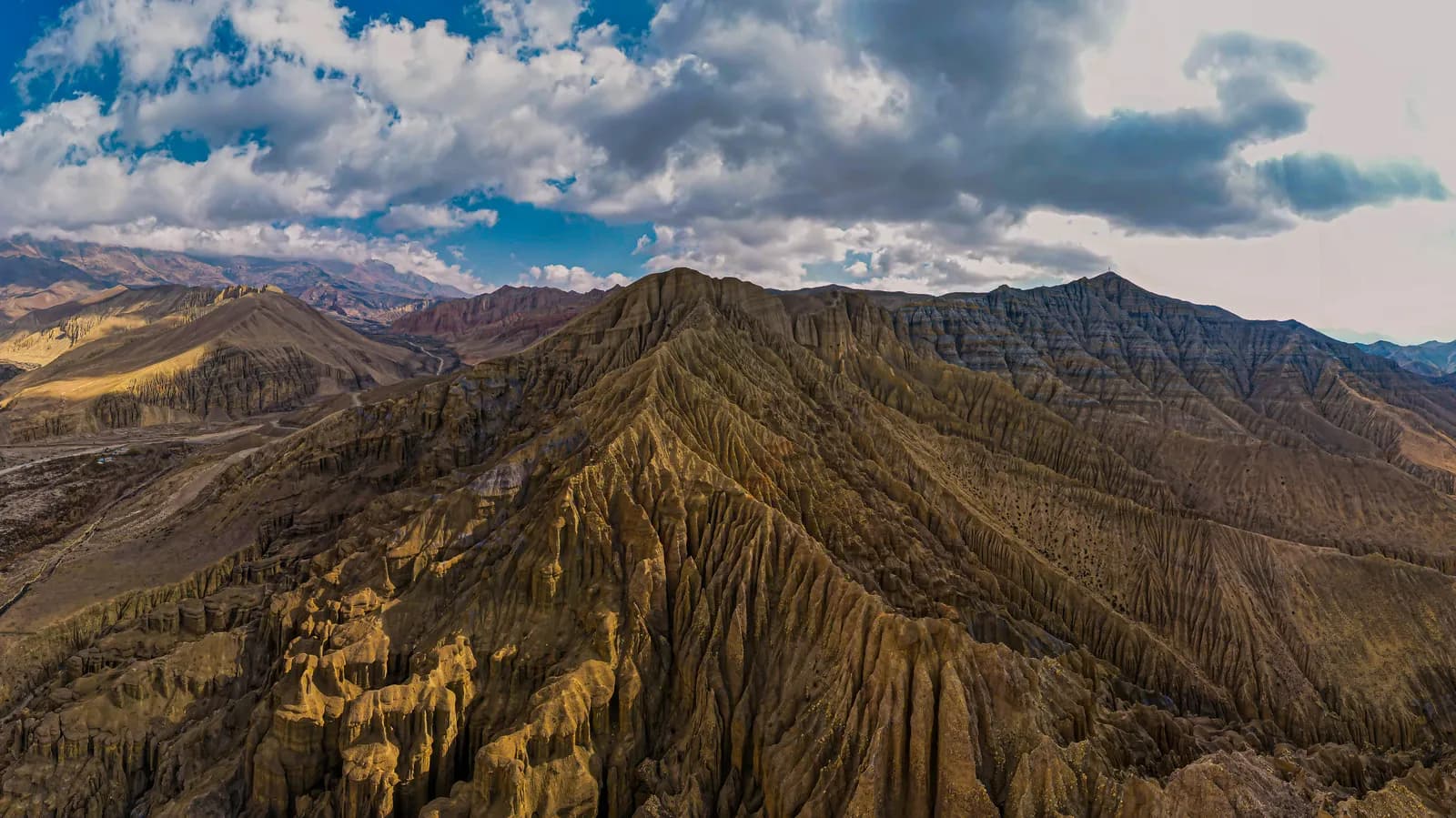
Upper Mustang. The reverse of the others: the monsoon months are the driest, and the colours are at their best, though flights from Jomsom can be disrupted by cloud in the south.
Spring or autumn?
Autumn is cleaner and more reliable but busier and colder at night in November. Spring is warmer and has flowers, but afternoon cloud and haze build through May. If clear views matter most, choose October. If you want rhododendrons, choose April. If you want fewer people and can tolerate cold, choose early March or late November.
If you must go in the monsoon
Choose Upper Mustang or the northern half of the Annapurna Circuit, keep a flexible schedule, bring serious rain gear and gaiters for leeches, and expect road and flight delays. Read the Upper Mustang itinerary for the rain-shadow route.
What to do in winter
Choose low routes such as Poon Hill and Ghandruk, or short walks in the foothills. Carry a warm sleeping bag and down layers, rent what you need in Kathmandu or Pokhara and check lodge availability. High passes and restricted areas are generally unsuitable without winter experience.
How the season changes the logistics
| Factor | Spring and autumn | Monsoon | Winter |
|---|---|---|---|
| Lukla and Jomsom flights | Morning flights mostly run, delays common | Frequent cancellations | Cold clear mornings, but snow and wind can delay |
| Roads to Syabrubesi, Machha Khola, Besisahar | Rough but passable | Landslides can close them | Usually open |
| Lodges | Open and busy | Many open, few guests | Many closed above the lower villages |
| Trails | Dry and firm | Wet, leeches in the south | Icy in the morning, snow on passes |
| Rescue and help | Himalayan Rescue Association aid posts run in the main seasons | Ask your agency | Ask your agency |
Common seasonal mistakes
- Booking tight international flights. Flights and roads are the most common reason for missed connections, and monsoon season makes it worse.
- Assuming November is warm. Nights at altitude are freezing, so pack a proper sleeping bag.
- Expecting April views all day. Clouds build in the afternoon from May, and haze can reduce distant views.
- Treating the monsoon as a single block. June and September are different from July and August, and the north and south sides of the Himalaya are different again.
- Leaving lodge bookings late. In October and April the best lodges fill early, especially at the stops before a pass.
Booking lead times
For October and April, book flights, the agency and the first and last nights of your trip as early as you can. For November and March, you have more flexibility, but check that the lodges you want are open. For winter and the monsoon, ask the agency directly which lodges operate and which routes it recommends. In every season, confirm the plan for a delayed or cancelled flight before you pay.
Planning your dates
- Choose the region and month from the table.
- Book flights and lodges early for April and October.
- Add spare days for flights, roads and weather.
- Check the regions guide for access and permits.
- Agree dates with partners before you pay for anything: how to find a partner safely.
See also the Everest region guide and Annapurna region guide for more detail by month.