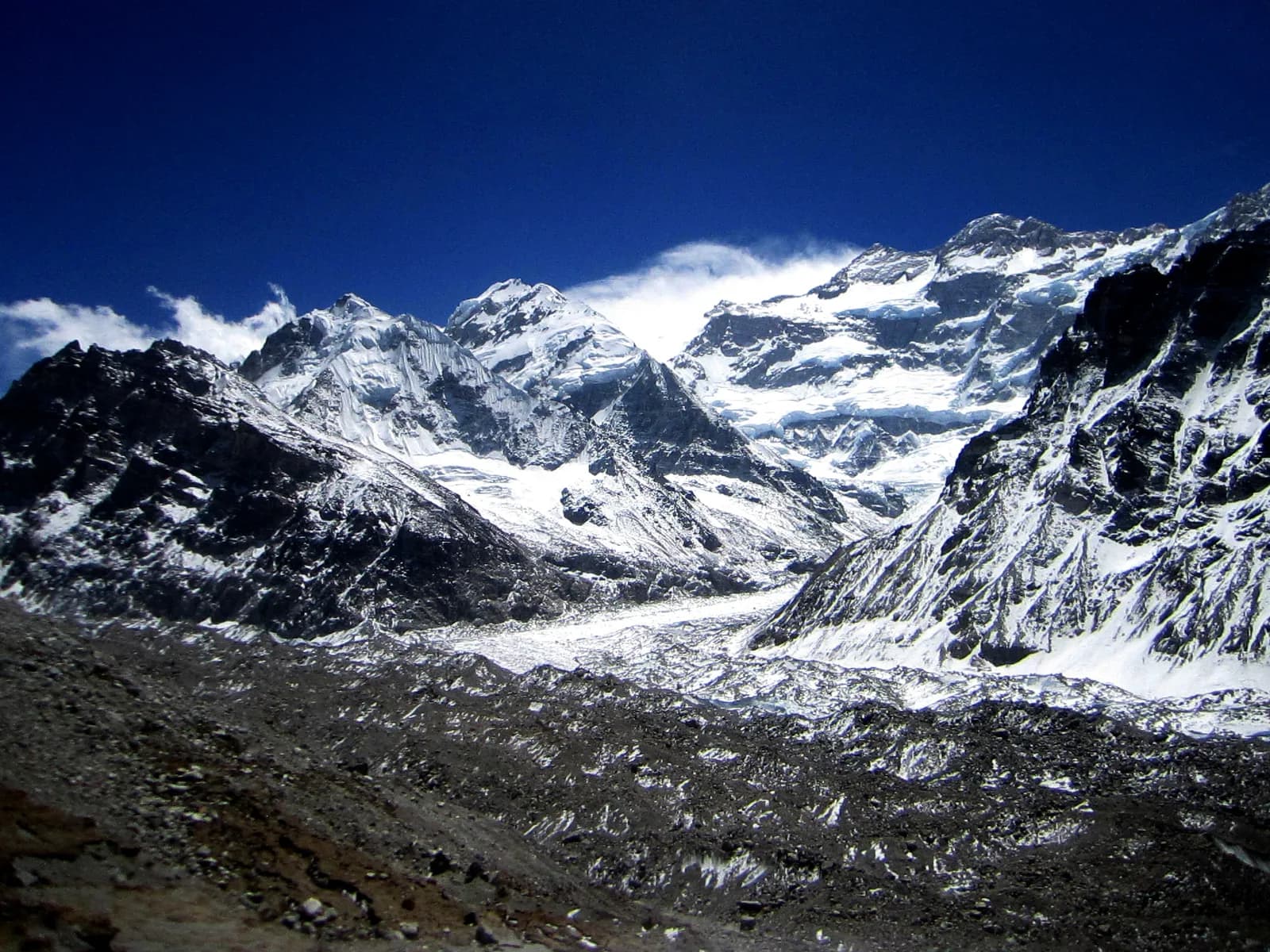
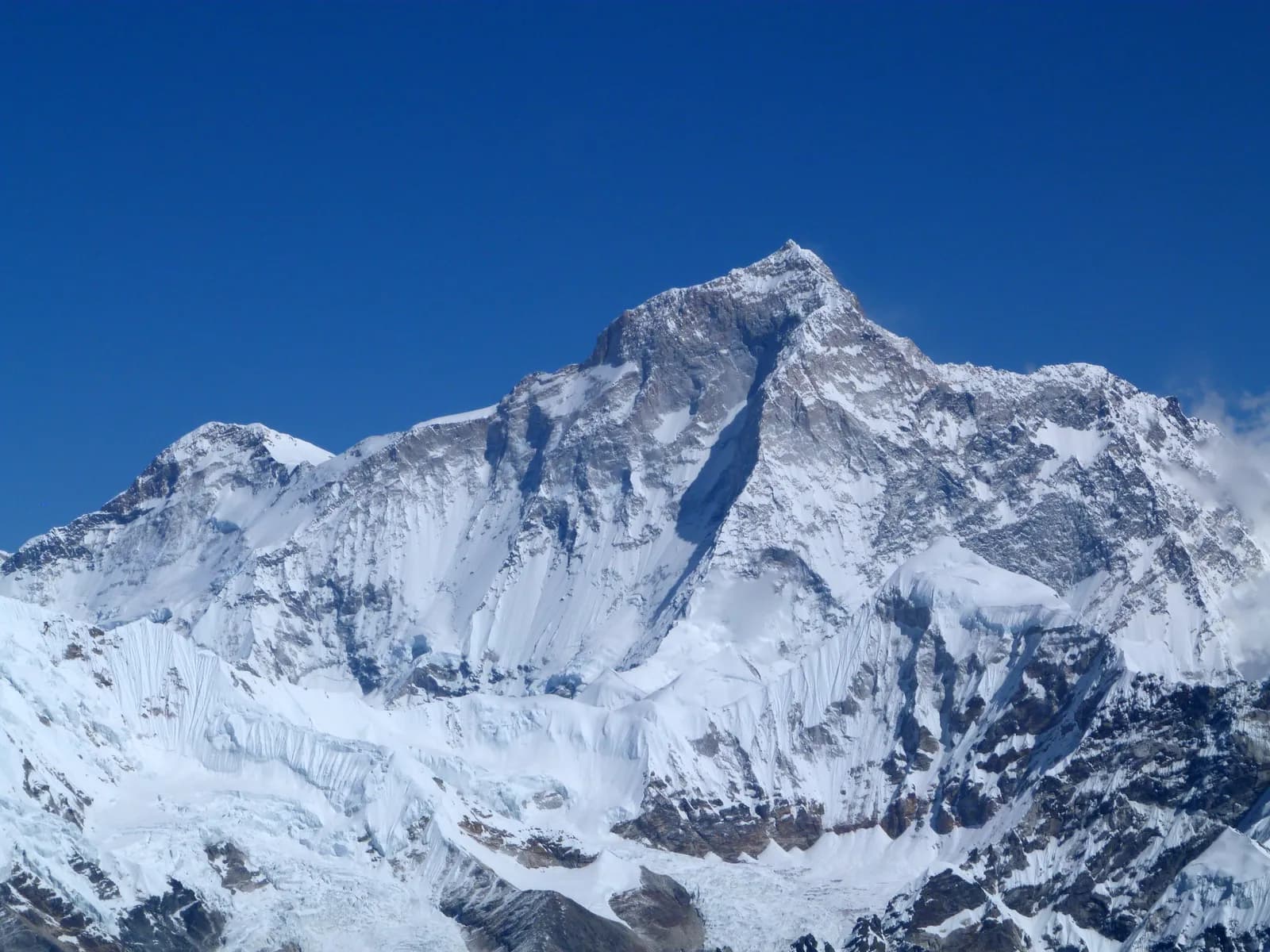
Kanchenjunga versus Makalu: which remote eastern trek
Kanchenjunga and Makalu are Nepal's two big eastern base camp treks. Compare days, altitude, permits, access, lodges and difficulty to choose between them.
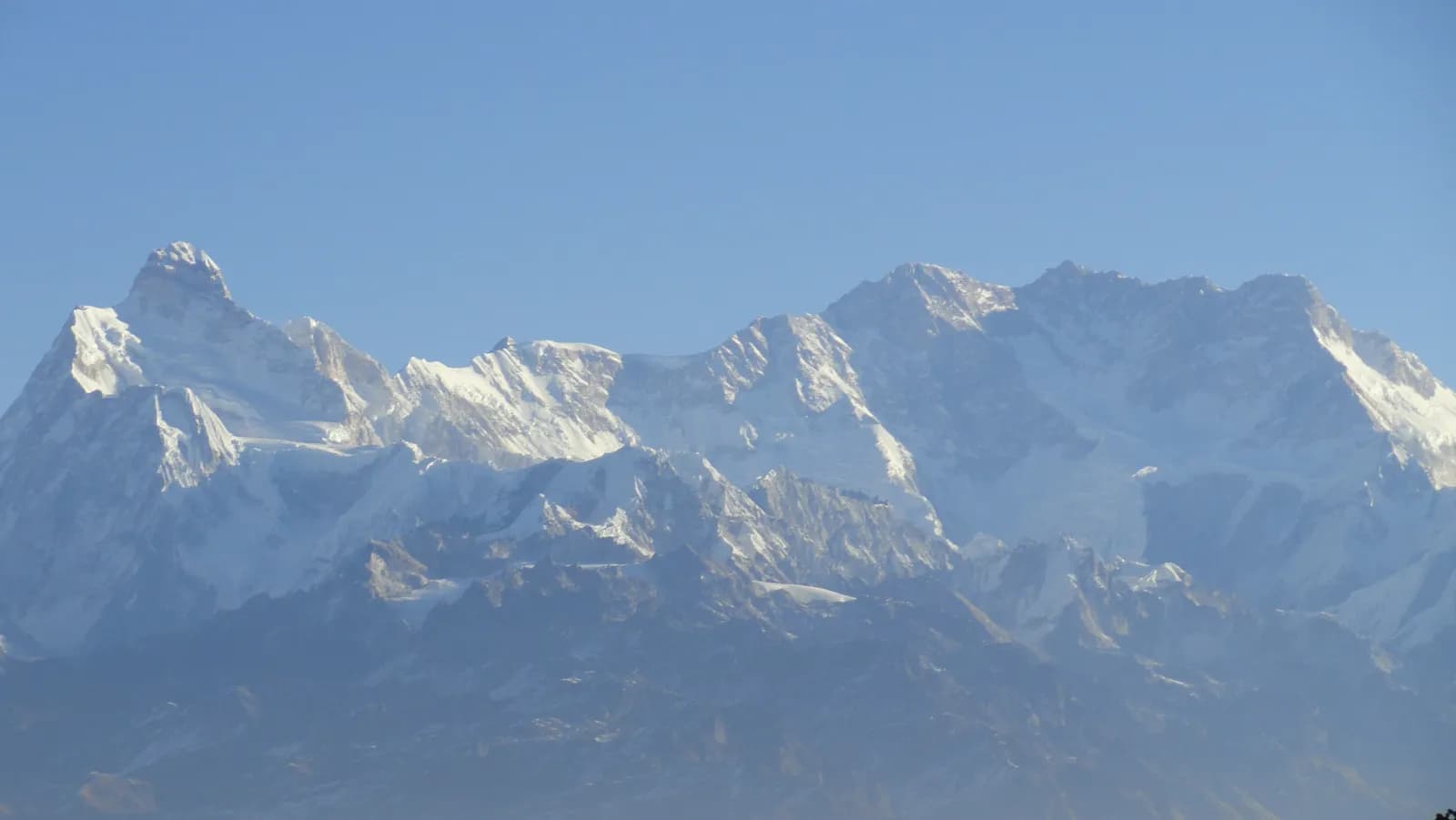
Choose Makalu if you have about two weeks and want a remote, forested valley with a single modest pass and a base camp at about 4,830 m. Choose Kanchenjunga if you can spend three weeks and want the more demanding trek: a restricted-area permit, a base camp at about 5,140 m, three passes and two sides of a mountain that is the third highest in the world at 8,586 m. Makalu (roughly 8,480 m) is the fifth highest. Both treks are in eastern Nepal, both are quiet by Everest or Annapurna standards, and both reward people who like their trails empty and their lodges simple.
The detail below uses the numbers on the Kanchenjunga Circuit and Makalu Base Camp route pages, so you can compare like with like.
Kanchenjunga Circuitの募集中トリップ
仲間を探しているトレッカーが投稿した実際のトリップです。
The numbers side by side
| Kanchenjunga Circuit | Makalu Base Camp | |
|---|---|---|
| Days from Kathmandu | 21 | 16 |
| Highest point | Pangpema, about 5,140 m | Makalu Base Camp, about 4,830 m |
| Distance on foot | about 143 km | about 94 km |
| Climbing | about 8,200 m | about 6,000 m |
| Passes | Sele La, Mirgin La, Sinelapche La | Shipton La, about 4,250 m |
| Difficulty | hard | hard |
| Start | Bhadrapur flight, drives to Sekathum | Tumlingtar flight, drive to Seduwa |
| Permit | restricted area plus conservation area | national park entry |
Access: two different eastern gateways
Kanchenjunga is reached by a flight to Bhadrapur (about an hour), a 9 to 10 hour drive to Taplejung and a 4 to 5 hour jeep to Sekathum, as covered in getting to Kanchenjunga. Makalu is reached by a 45 minute flight to Tumlingtar and a jeep of 4 to 5 hours through Khandbari and Num to Seduwa at about 1,600 m. The Makalu approach is shorter by road, which is one reason the trek fits into 16 days. Both flights depend on weather, and both regions have an overland fallback of around 20 hours: a night bus or jeep to Taplejung for Kanchenjunga, or Kathmandu or Biratnagar to Khandbari for Makalu.
Permits: the clearest difference
Kanchenjunga is a restricted area: a Restricted Area Permit through a registered agency, a conservation area permit and a licensed guide at all times. Makalu lies inside Makalu Barun National Park, so you need the park entry permit, and for national parks, the Nepal Tourism Board April 2023 rule requires foreign trekkers to use a licensed guide in national parks and conservation areas, and 2026 operator reports say checkpoints enforce it in Annapurna (ACAP), Langtang (the strictest) and most other parks, but not in Khumbu, where the municipality opted out (checked 19 October 2026). The pack also flags that rules for border districts have changed and that a 2026 press report about controlled areas in 13 districts means you should ask an agency whether any part of Sankhuwasabha is affected. For Kanchenjunga we explain the position in the permit article, and for Makalu the equivalent is the Makalu Barun permit guide.
In practical terms Kanchenjunga is more administrative: the agency applies, the guide is compulsory and the permit period matters if flights are delayed. Makalu is simpler on paper but you should still hire a guide, because the trail is quiet and signs are few.
Difficulty: different kinds of hard
Kanchenjunga's difficulty is cumulative. It sleeps above 4,000 m at Kambachen, Lhonak, Selele and Ramche, has a pass day of 6 to 8 hours with 610 m of climbing and 940 m of descent, and a 2,080 m descent on day 18. Pangpema is a 9 to 10 hour day trip from Lhonak.
Makalu's difficulty is front-loaded. Day 4 climbs from Tashigaon (about 2,120 m) to Khongma Danda (3,600 m), a gain of about 1,530 m in about 6 km, which the route page tells you to take slowly. After that the days are shorter, the pass is modest and you have a rest day at base camp. The descent from Khongma Danda to Tashigaon is a drop of about 1,550 m and is hard on knees. If a very steep day worries you more than total altitude, note that Kanchenjunga's early days are shorter and more gradual: day 4 gains about 1,100 m and day 5 only about 660 m. If altitude worries you more, Makalu keeps you lower.
Lodges and food
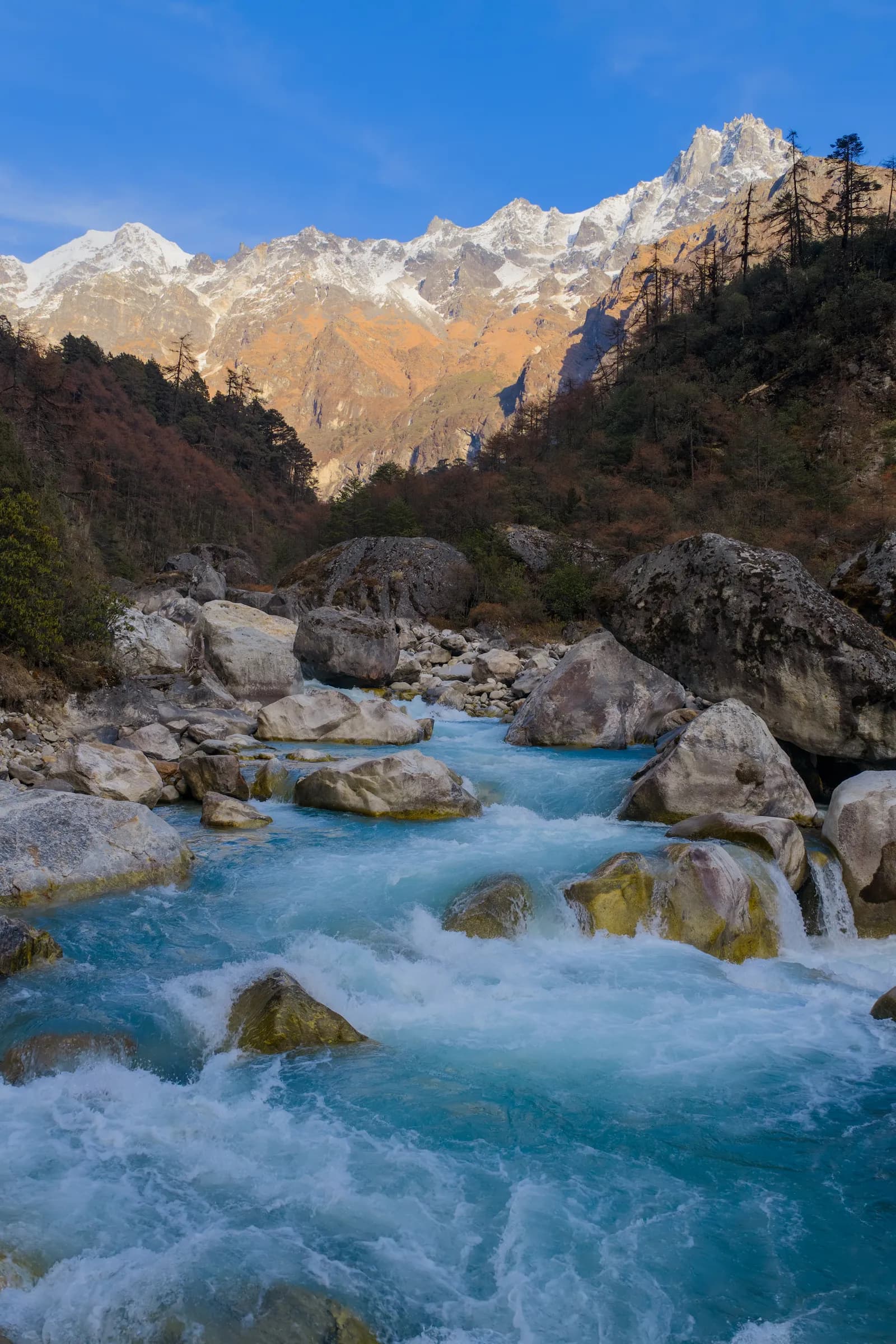
Both are simple. Kanchenjunga has lodges at Sekathum, Amjilosa, Gyabla, Ghunsa and Kambachen with dal bhat, noodles, eggs and tea, then small seasonal lodges or camps at Lhonak, Selele, Tseram and Ramche. Makalu has lodges at Seduwa, Tashigaon, Khongma Danda, Dobate, Yangle Kharka and Langmale Kharka, and a small teahouse and camping area at base camp. Agencies on both treks often carry tents and a cook for the upper stages, so do not rely on a bed at every stop in the shoulder seasons. On the Makalu side the region page notes that hot showers are rare above Tashigaon, and on both treks there are no cash machines beyond Taplejung or Khandbari, so bring all your cash.
Scenery and culture
Kanchenjunga's lower valleys are Limbu country with cardamom terraces, followed by Sherpa and Tibetan-speaking Ghunsa and Kambachen, with a gompa and mani walls. The views are of Jannu, Kangbachen and the north face of Kanchenjunga, and on the south side the Yalung glacier with Kabru and Rathong. Makalu's forest changes from subtropical to rhododendron, fir and juniper as you climb, and Makalu Barun National Park records more than 3,000 flowering plant species and about 440 birds. Rai villages hold millet terraces and festivals such as Sakela, and the views are of Makalu, Chamlang and Baruntse. If you care about variety of culture, Kanchenjunga offers more. If you care about forest and flowers in spring, Makalu is stronger.
Season
Both treks share the same windows. October and November are the clearest, with November colder and some high lodges closing, and April and May bring rhododendron. March can leave snow on both Kanchenjunga's passes and the Shipton La. The monsoon brings leeches, landslides and cloud on both, and winter is for experienced trekkers with camping support. If you are choosing between them for a specific month, there is no strong seasonal reason to prefer one.
Safety, rescue and cost
Both regions are remote. The nearest hospital for Kanchenjunga is in Taplejung and for Makalu in Khandbari, and helicopter evacuation depends on good weather and on insurance that covers it. Insurance should cover trekking to at least 5,000 m for Makalu and up to about 5,500 m for Kanchenjunga, according to the region pages. Mobile signal is patchy on both: it fades above Kambachen on Kanchenjunga and above Khongma Danda on Makalu.
On cost we deliberately give no figures, because we have no dated, sourced numbers for either trek. What we can say is what drives the difference. Kanchenjunga has five more days of guide, porter and lodge costs, a restricted-area permit on top of the conservation permit, and two long drives at each end. Makalu has the Tumlingtar flight but a shorter schedule. Ask two or three agencies for itemised quotes for the same dates and group size, and read our cost guide for how the lines are built up. Splitting the guide with partners lowers the per-person cost on both treks.
Time and flexibility
Makalu's 16 days include a rest day at base camp, and agencies add one or two more. Kanchenjunga's 21 days include two rest days, and many agencies allow 24 to 27. If your leave is under three weeks door to door, Makalu fits and the circuit does not, though the north base camp alone can be done in 16 to 18 days and the south alone in 14 to 16.
How to decide
Pick Kanchenjunga if:
- you have three weeks or more and enough experience at 4,000 m plus,
- you want two base camps and three passes in one trek,
- you accept a restricted-area permit and a guide on every day.
Pick Makalu if:
- you have about two weeks,
- you prefer forest, flowers and a single modest pass,
- you can handle one very steep day early on.
For region background read the Kanchenjunga region guide and the Makalu Barun region guide. For all choices at once, the which trek is right for you article is the hub.