Best time for Upper Mustang, month by month
When to walk Upper Mustang: the rain-shadow summer, the wind, the Tiji festival, the cold winter and the best months for light and comfort, with month-by-month notes.
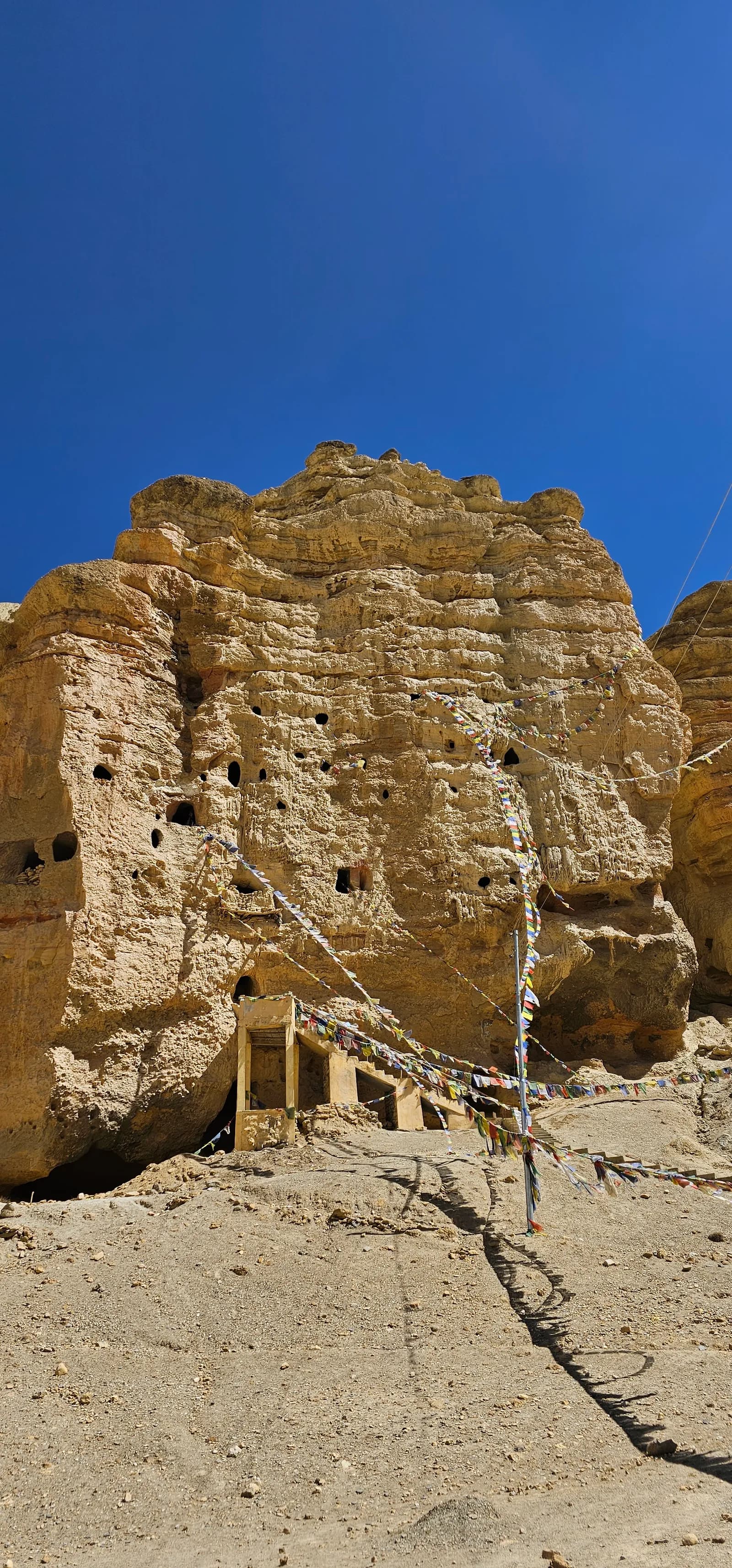
The best months for Upper Mustang are late May to early October, with September and October giving the clearest air, harvest colour and golden poplars. Unlike most Nepal treks, Upper Mustang can be walked in the monsoon, because it lies in the rain shadow of the Annapurna and Dhaulagiri ranges, which keep annual precipitation low. The weather you plan around here is wind and cold, not rain.
This guide goes month by month and then covers the festival, the flight and road risks and winter. For the route, see the Upper Mustang itinerary and the region page. For permits, see the restricted-area permit guide.
טיולים פתוחים בUpper Mustang Trek (Lo Manthang)
טיולים אמיתיים שפרסמו מטיילים שמחפשים שותפים.
Why Mustang has its own season
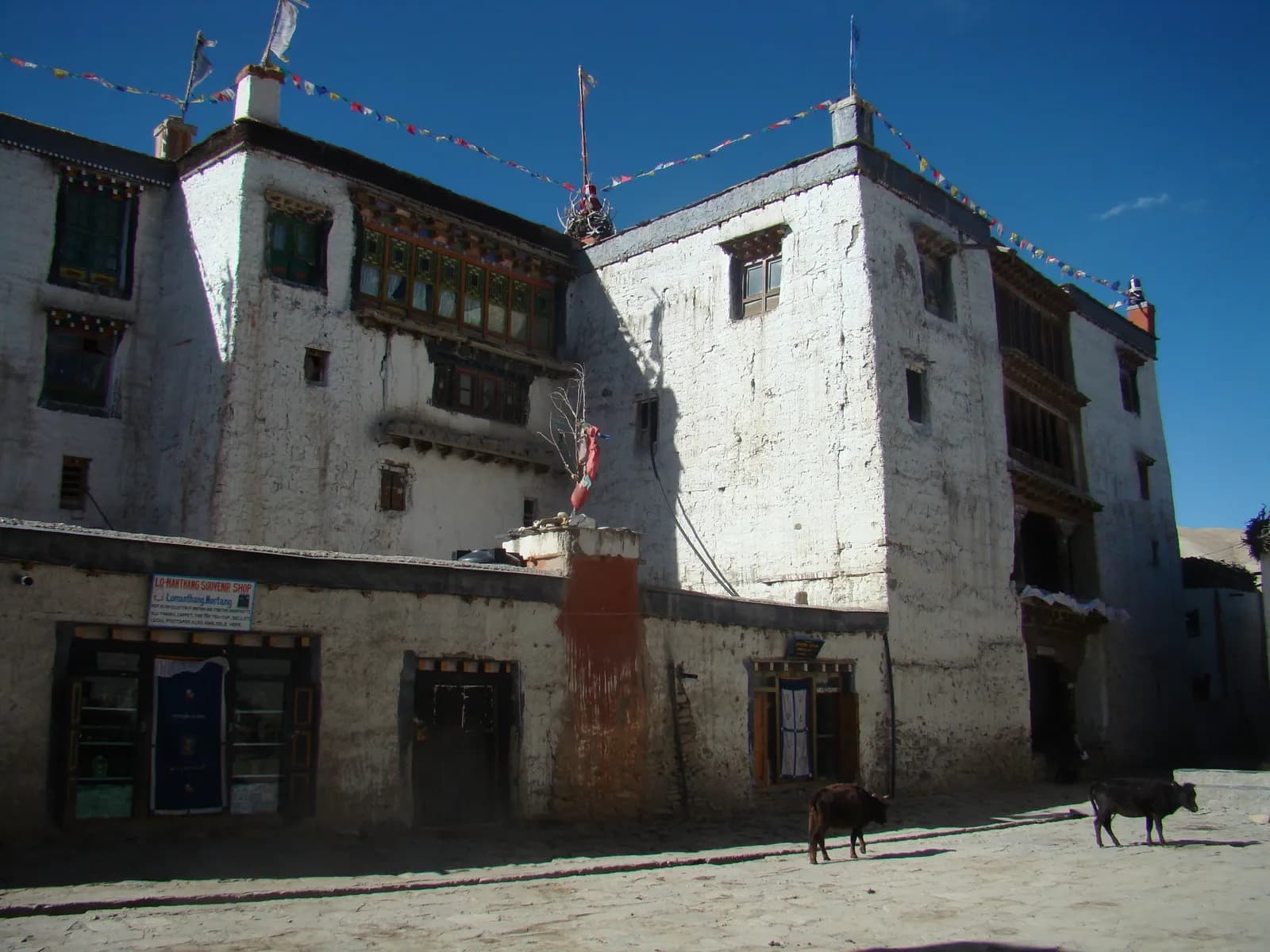
Most of Nepal gets its rain from the summer monsoon, which arrives from the south and dumps its moisture on the first high ranges. By the time clouds reach the Kali Gandaki valley north of Jomsom, much of it has gone. Upper Mustang is a high desert plateau at 3,000 to 4,000 m, with eroded cliffs, barley fields and whitewashed villages. Rainfall is low and sunshine is plentiful.
The consequences:
- The monsoon months are often drier and warmer here than on the southern side.
- The wind is the defining feature, strongest in the afternoon and reaching its peak in spring.
- The cold is serious in winter, because the altitude is high and the air dry.
Month by month
| Month | Days | Nights at Lo Manthang | Wind | Notes |
|---|---|---|---|---|
| January | Cold, sunny | Very cold | Moderate | Many lodges closed; experienced only |
| February | Cold, sunny | Very cold | Moderate | Some lodges reopen late month |
| March | Cool, sunny | Cold | Rising | Quiet; late March more reliable |
| April | Mild | Cold | Strong afternoons | Dusty; lodges open |
| May | Warm | Cool | Strong afternoons | Tiji festival period in some years |
| June | Warm | Cool | Strong | Dry; flight delays possible |
| July | Warm | Cool | Strong | Fewest trekkers; green in the lowlands |
| August | Warm | Cool | Moderate | Barley ripening; road landslides possible |
| September | Mild, clear | Cool | Moderate | Excellent visibility |
| October | Mild, clear | Cold | Moderate | Best light, autumn colour, busiest |
| November | Cool, clear | Very cold | Moderate | Lodges start to close |
| December | Cold | Very cold | Moderate | Many lodges closed |
Temperatures and dates vary from year to year. Use the table to rank months, not to predict a given day.
Spring: March to May
March is cold and quiet, with lingering winter in the high villages. Some lodges are still closed and the wind starts to build. April brings warmer days and the first full season of trekkers. Dust blows in the afternoons, and if you are walking from Kagbeni you will feel the funnel effect immediately. May is warm and bright, and in many years the Tiji festival falls in this period.
The Tiji festival
Tiji is a three-day festival in Lo Manthang in which monks perform masked dances to re-enact a story of good overcoming chaos. The date follows the lunar calendar and moves between years, usually in spring. It is one of the most distinctive things you can see in Nepal, and it fills the town. Rooms in Lo Manthang sell out, and agencies often have fixed departures well ahead. If you want to go, ask a licensed agency for the dates and book a year ahead.
Summer: June to August
The monsoon season is the unusual opportunity here. The Kali Gandaki valley on the southern side can be wet and cloudy, but north of Kagbeni the sky is often blue and the days are warm. Fewer trekkers walk, so lodges are quiet.
The risks are logistical:
- Flights from Pokhara to Jomsom are delayed or cancelled when cloud on the southern side blocks the morning window. See the flight versus jeep comparison.
- The road along the Kali Gandaki can be blocked by landslides, especially around the lower sections, which affects jeeps.
- Heat and sun at 3,500 to 4,000 m is intense, so bring sun protection.
If you want a monsoon trek, read monsoon trekking in Nepal and rain-shadow routes for the other options.
Autumn: September to November
September is already excellent. Skies clear, the barley harvest begins and the colours are rich. October is the best and busiest month: clear light, mild days and the poplars turning gold along the river. Book lodges early. November is cooler and clear, with the first lodge closures and very cold nights in Lo Manthang.
Winter: December to February
Very cold, with deep frost at night and, in many years, light snow. A number of families move to lower villages for the winter, and lodges close, so services are thin. Agencies may run limited departures. The walk is possible for the experienced with a warm sleeping bag and flexibility, but it is not a first choice. The best time to trek in Nepal hub compares winter conditions across the regions.
The wind in practice
The Kali Gandaki valley is one of the deepest in the world, and the temperature difference between the Tibetan plateau and the lowlands drives a steady wind up the valley in the afternoons. In practice:
- Walk early. Start at 6:00 to 7:00 and aim to arrive at the next village by lunch.
- Carry a windproof layer, buff and sunglasses. Sand and dust are common.
- Plan flights for the morning. Flights into Jomsom run in the early hours and stop when the wind rises.
Choosing your month
- Best all-round: late September to mid-October.
- Festival: May in years when Tiji falls then; book far ahead.
- Fewer people and rain-shadow summer: July and August, with logistical buffers.
- Cold-tolerant and flexible: March or November.
For the wider picture, see best time to trek in Nepal.
How the season changes the route
The road to Lo Manthang is a dirt track that follows or crosses the walking route in many places. That affects the season question in two ways.
- Jeeps run when the road is open. From April to November most days are fine; heavy rain on the lower sections can close the road for a day or two in summer, and snow can do so in winter.
- Walking is a choice, not a necessity. Many groups walk the quieter sections away from the road, such as the high route via Ghar Gompa and Drakmar on the way back, and use a jeep for the dusty stretches. The best season for walking is the one with the least dust and wind, which means the first hours of the day in any month and the clearest weeks of September and October.
The altitude also matters for the calendar. Lo Manthang sits at about 3,840 m, so even in summer nights are cool and in winter they are severe. Do not assume that a warm day in Jomsom (about 2,720 m) means a warm night in Lo Manthang. Add a day at Kagbeni or Muktinath before heading north if you are coming straight from Pokhara, and read the acclimatisation guidance.
What to pack for each season
| Season | Key additions |
|---|---|
| Spring (March to May) | Windproof shell, buff, sunglasses, lip balm, dust mask |
| Summer (June to August) | Strong sun protection, a light rain shell for Jomsom, extra buffer days |
| Autumn (September to November) | Warm layers for cold nights, a good sleeping bag, gloves |
| Winter (December to February) | Down jacket, a warm bag rated well below freezing, insulated boots |
Dry air also dehydrates quickly. Carry a litre more water than you think you need, and use moisturiser and lip balm every day. See the packing list for the rest.
Photography and light
Light is best in the first two hours of the day and the last hour before sunset, when the cliffs glow orange and red. In September and October the air is clearest, which suits long views toward the Annapurna and Dhaulagiri ranges. Spring brings more haze and dust, and summer clouds build over the southern ranges but leave the plateau itself bright. If you are planning a photographic trip, choose October, and allow a spare day for the best weather at Lo Manthang.
Route pages: Upper Mustang trek and the Upper Mustang region.