Photography etiquette in Nepal: people, children and monasteries
How to take photographs on a Nepal trek without causing offence: asking first, children and payment, ceremonies and monasteries, no flash on paintings, drones, sharing images online, and what to do when someone says no.

The rule for photography on Nepal's trails is simple and our route pages repeat it everywhere: ask before photographing people, ceremonies and the inside of monasteries, accept a refusal, never use flash on wall paintings and never pay or reward children for being photographed. If you ask with a smile, show people the picture and are prepared to hear no, almost every photograph you want is possible and the ones you cannot take are not worth taking. This guide covers portraits, children, monasteries, festivals, drones, social media and the awkward moments, using the wording from our region and route pages.
Our guide to camera and phone gear covers equipment; our monastery etiquette guide covers objects and customs. This post is about people and the moment of asking.
سفرهای باز Upper Mustang Trek (Lo Manthang)
سفرهای واقعی که ترکرهای جویای همراه ثبت کردهاند.
Why asking matters
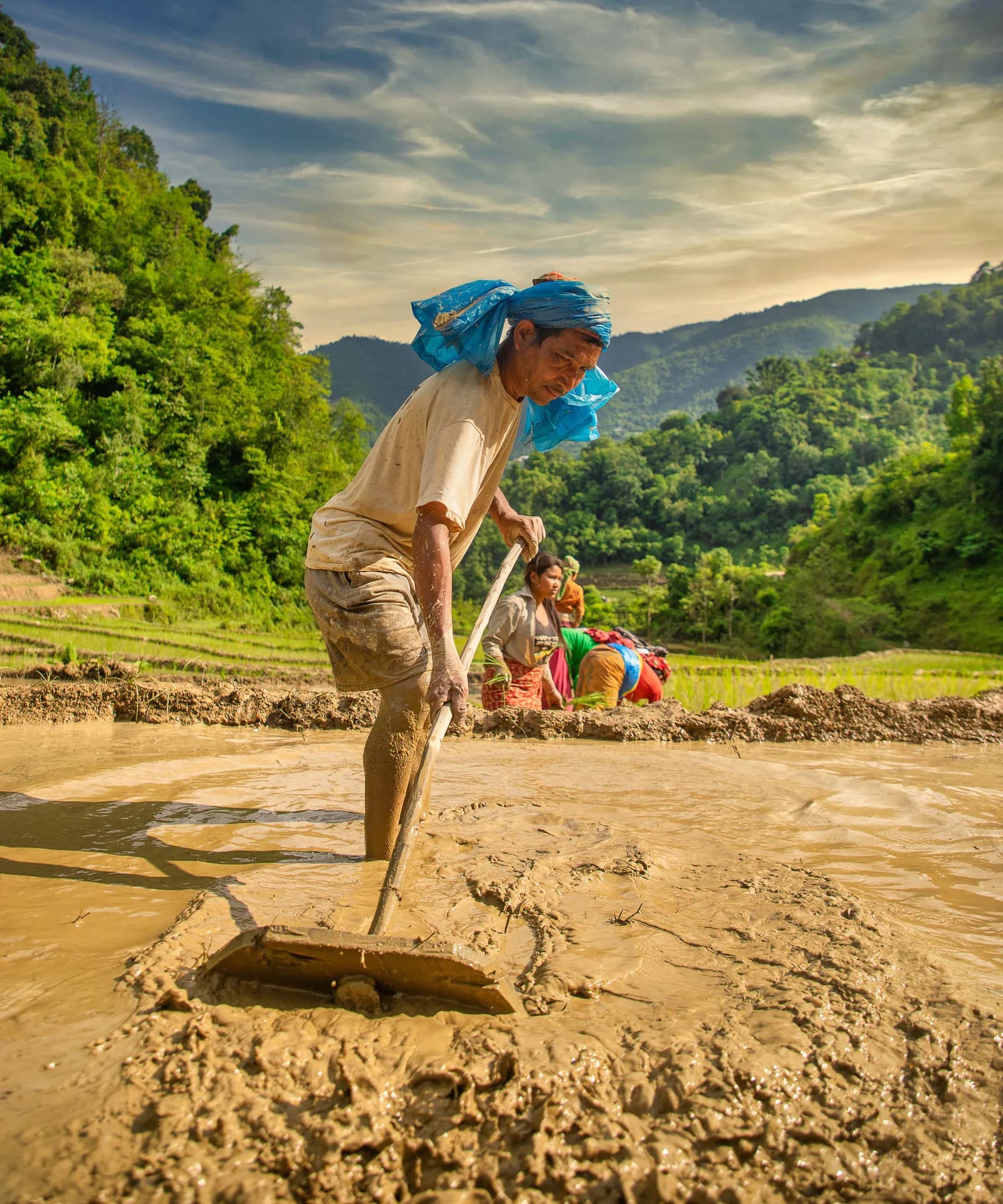
You are a guest, often in a place where many people have never been asked how they feel about being photographed. A camera pointed at someone doing their daily work, at a woman at a spring, at a monk in prayer, at a child in a school uniform, is not neutral. People in the villages you walk through live there, not on a stage. Asking before you shoot recognises that, and it also improves your pictures: a person who has agreed to be photographed looks at you and relaxes.
Our region and route pages say this in short, blunt sentences:
- Annapurna: ask before photographing people.
- Manaslu: ask before photographing people.
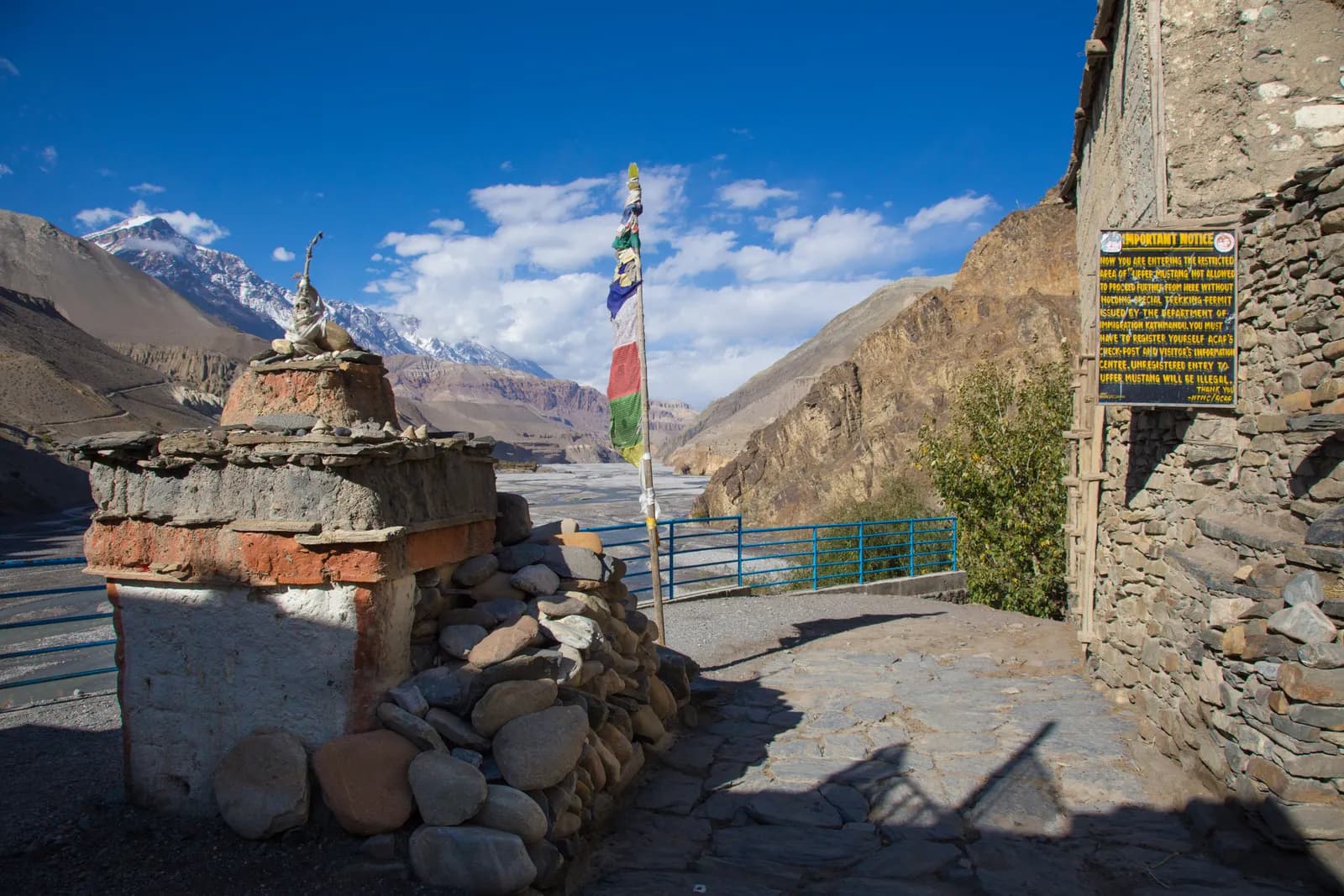
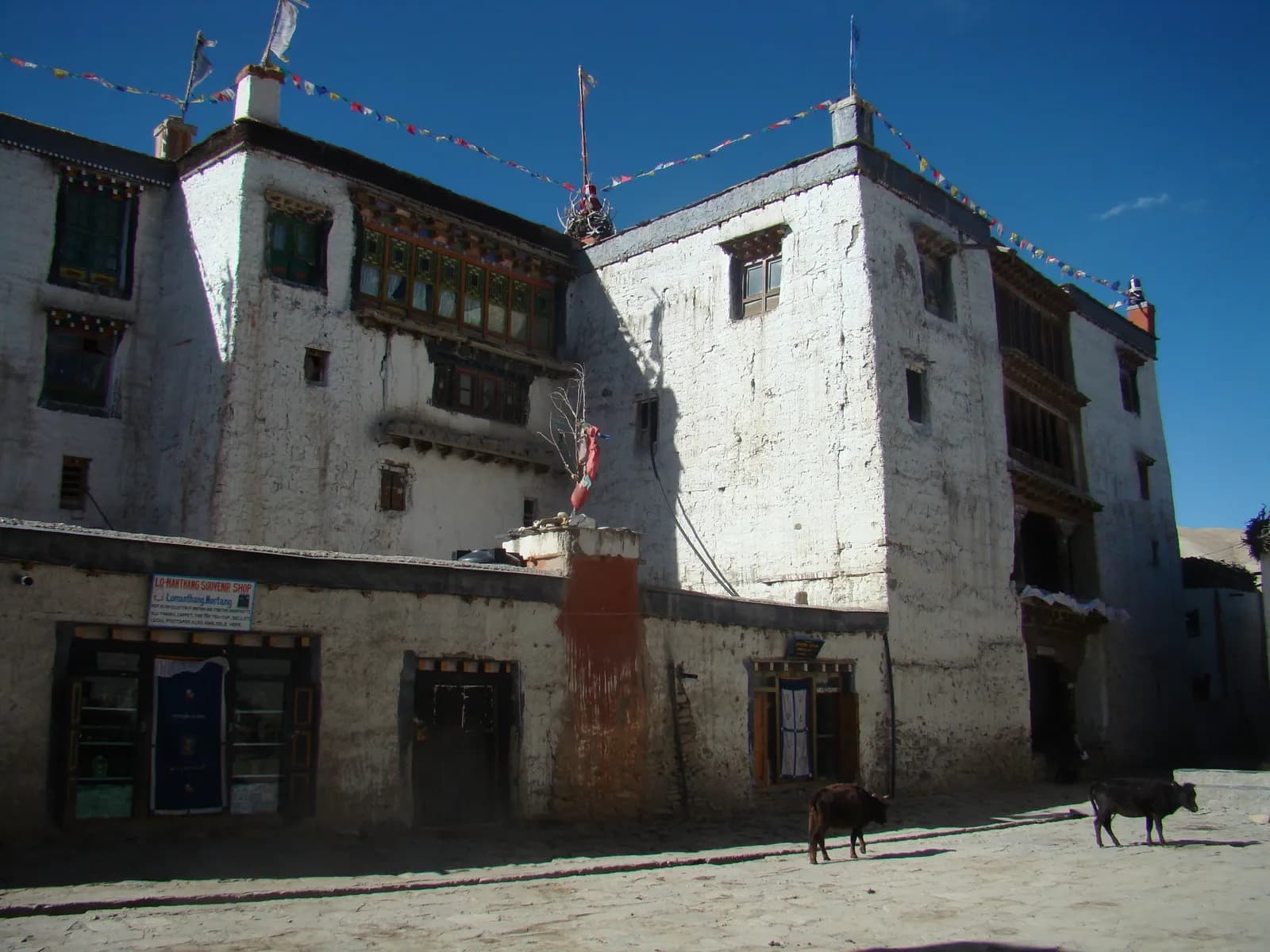
- Upper Mustang: ask before photographing people; get permission before photographing inside monasteries; do not touch paintings; never use flash on wall paintings.
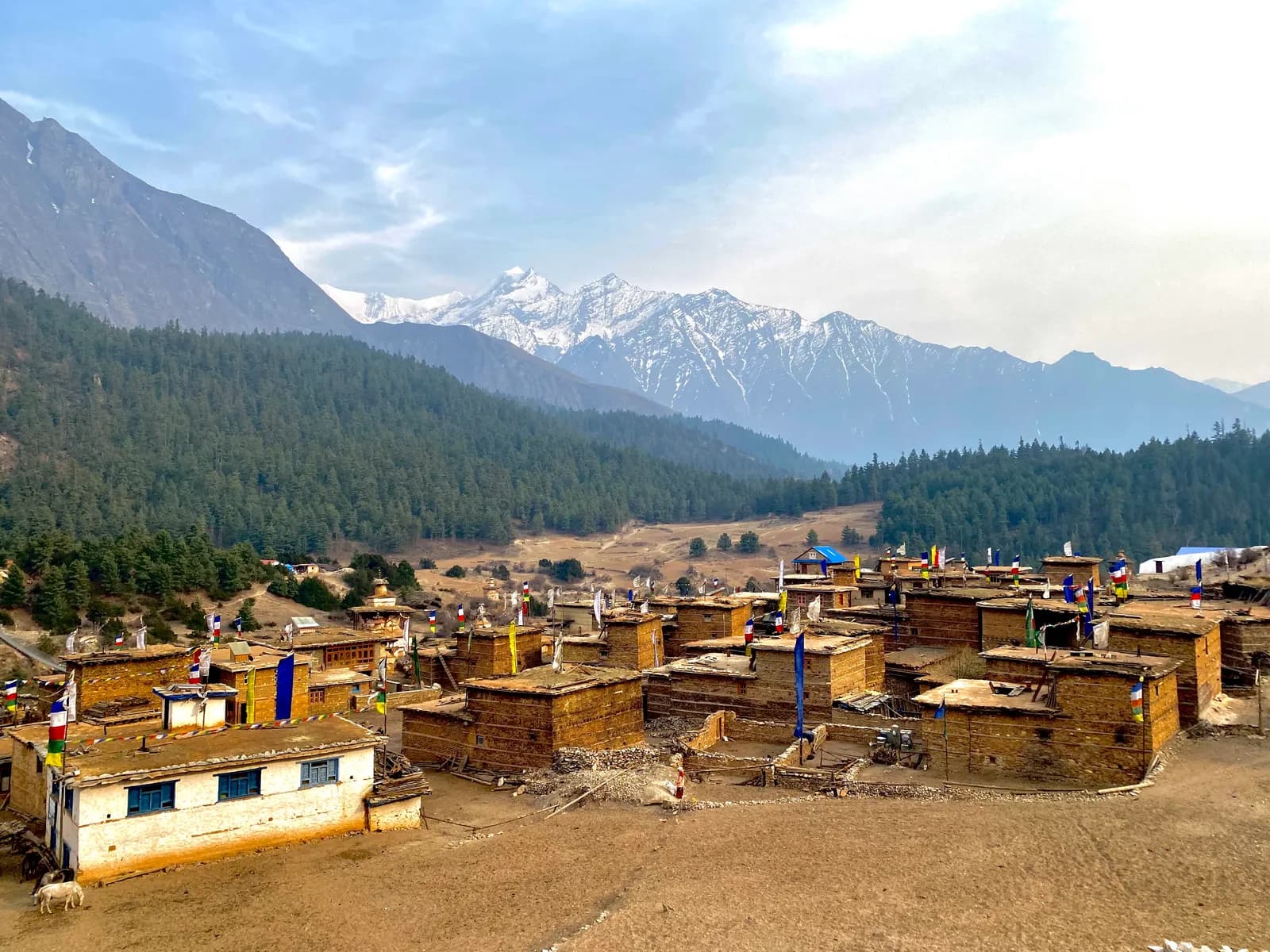
- Tsum Valley: ask before taking photographs inside monasteries; never give sweets or money to children.
- Upper Dolpo: ask before photographing people and ceremonies; do not give sweets or money to children.
- Tamang Heritage Trail: ask before photographing people or religious ceremonies.
- Everest: ask before photographing inside a monastery.
- Langtang: take portraits of local life only with permission.
How to ask
- Use your guide. A guide or porter can ask in the local language, explain what you want and smooth over a refusal. Ask your guide before you photograph someone in a village.
- Greet first. A namaste and a smile are the start of the conversation, not a photograph. See basic Nepali phrases.
- Show your camera and gesture if you share no language. Most people understand.
- Wait for a clear yes. A shrug is not consent. A turned head is a no.
- Show the picture afterwards. People usually like to see it; if they ask you to delete it, do.
- Take the photograph quickly and say thank you, then put the camera away. Do not take fifty frames of a person who agreed to one.
- Spend time before you shoot. A conversation, a cup of tea and a few words create better photographs than a quick snap.
- Accept no. Smile, say thank you and move on. Do not use a long lens to take the picture anyway.
Children
Children are curious, and in many villages they will pose and ask to see the screen. Take care.
- Ask a parent, a teacher or an adult nearby, not just the child.
- Do not give sweets, pens or money in exchange. Our Tsum Valley and Upper Dolpo pages say never to give sweets or money to children; the Dolpo region page says gifts should go through the local committee, not to children. See visiting local homes and gift-giving etiquette.
- Do not photograph children in distress or undress, or at a washing place.
- Be especially careful with photographs you plan to publish. Do not post a child's face with their name or the name of their village.
- At a school, ask the teacher, and let the school choose what you may photograph. If you want to support it, donate through your guide or the village committee.
Monasteries and ceremonies
At monasteries, our Upper Mustang page is explicit: get permission before photographing inside, do not touch paintings and never use flash on wall paintings. Flash and fingers damage old pigments. Some monasteries forbid photography in the main hall altogether, and some ask for a donation. If there is no one to ask, do not photograph.
At ceremonies and festivals, such as Mani Rimdu, Tiji in Lo Manthang and the new year festivals in Losar and Lhosar, follow the instructions of monks, marshals and your guide about where to stand. Keep clear of dancers and processions, do not block the view of local families and do not use flash. Put the camera away for part of the day and watch.
Also remember:
- Monks and nuns are not scenery. Do not photograph a monk or nun in prayer without permission.
- Cremations and funerals are private. Do not photograph them unless a family has asked you to.
- Shrines and sacred objects. Ask before photographing and keep your distance.
- Prayer wheels, mani walls and chortens are fine to photograph from the path, but do not climb on them or touch them for the picture.
Photographs and money
Do not pay for photographs of people, and do not give anything in exchange. It encourages begging and changes how visitors are seen, as our guides say. There are exceptions: a craftsperson who sells to you, or a family you stay with, may welcome a picture as part of your visit. Buy something, pay a fair price for what you buy and take the photograph as a courtesy, not a transaction. If someone is working as a model, for example at a festival, ask your guide what is customary. If you want to give something back, a print or a donation to a school or committee is more useful than coins.
Drones and other kit
Drones are different from cameras. Our Upper Mustang permit guide says drones need separate permission and are usually not allowed over religious or military sites, our Sagarmatha entry guide says drone use inside the park is restricted, and the Rara route page lists no drones without permission. Do not fly near monasteries, villages or people, and ask your agency before you bring one.
A tripod and a long lens can feel intrusive in a small village or at a ceremony, so use them sparingly. A small tripod is fine for sunrise at a viewpoint, as the Poon Hill page suggests, but do not put one in the middle of a lane.
Sharing images online
Social media changes the stakes. A photograph of a person in a small village can be seen by many people who will never visit.
- Tell people if you intend to publish a photograph, and respect a no.
- Avoid naming individuals or locating a house or child precisely.
- Delete a photograph if someone asks.
- Do not use photographs of people to illustrate stereotypes such as the "smiling poor child" or the "exotic local". Add a caption that respects the person.
- Credit your guide and your hosts when you tell the story.
- Be careful with photographs of ceremonies and sacred objects that the community may not want shared.
Safety and sensitivity
Photograph the landscape freely, and be sensible near sensitive sites. Our Tamang Heritage Trail page notes that villages near the Tibetan border are sensitive areas, so carry your passport and permits; if you are asked not to photograph a checkpoint, a police post or a military installation, follow the instruction. Our route pages do not give specific bans, so ask your guide at the start of the trek which areas to avoid.
Taking better photographs by asking
Asking is not only courteous; it also gives you better photographs. A short conversation tells you who the person is, what they are doing and what they would like you to see. Light is best early and late, as our Upper Mustang page says, when villages are also at work and cooking smoke catches the sun. If you take portraits, try them at eye level, in natural light and with the person doing something they know well, such as spinning wool or milking a yak. And keep the best photograph for last: the one you decline to take because it was not yours to take.
Planning and sharing
If you are trekking with a partner, agree your rules before you start: ask first, delete on request and do not post faces without consent. Our guide to what to agree with trekking partners before you book covers shared etiquette. The Upper Mustang partner page and Manaslu Circuit partner page list people planning culture-rich routes, and the Upper Mustang, Tsum Valley and Upper Dolpo itineraries show where the monasteries are. For the rest of the culture series, return to the trail etiquette and culture guide. Ask, listen, smile, say thank you, and leave the lens cap in your pocket when in doubt.
این ترک را برنامهریزی کنید
- راهنمای منطقه Everest (Khumbu)
- راهنمای منطقه Manaslu
- راهنمای منطقه Upper Mustang
- راهنمای منطقه Dolpo
- Trekking partner for Upper Mustang Trek (Lo Manthang)
- Trekking partner for Tsum Valley Trek
- Upper Dolpo: Shey Phoksundo to Shey Gompa trekking partners
- برنامه سفر Upper Mustang Trek (Lo Manthang)
- برنامه سفر Tsum Valley Trek
- برنامه سفر Upper Dolpo: Shey Phoksundo to Shey Gompa