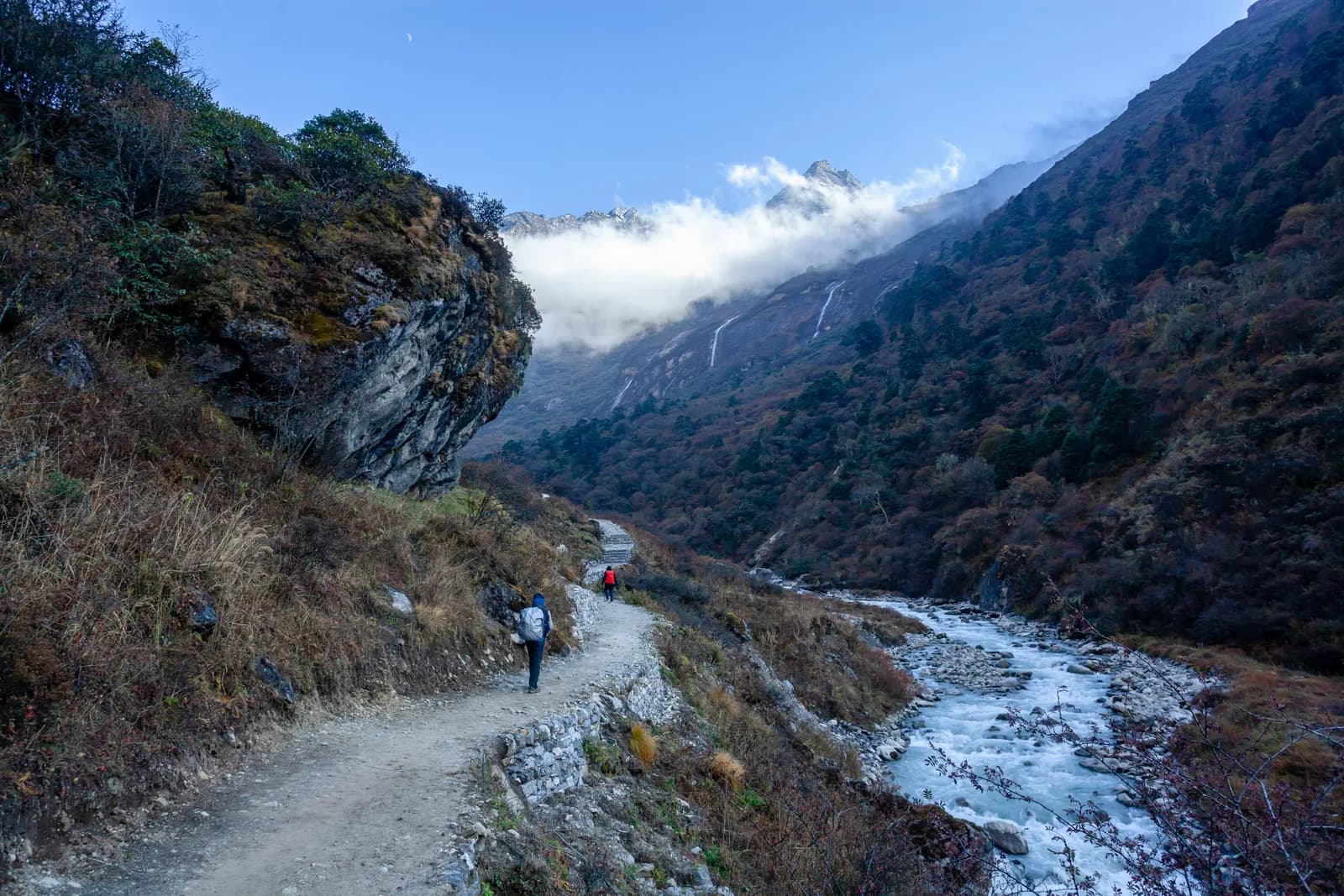
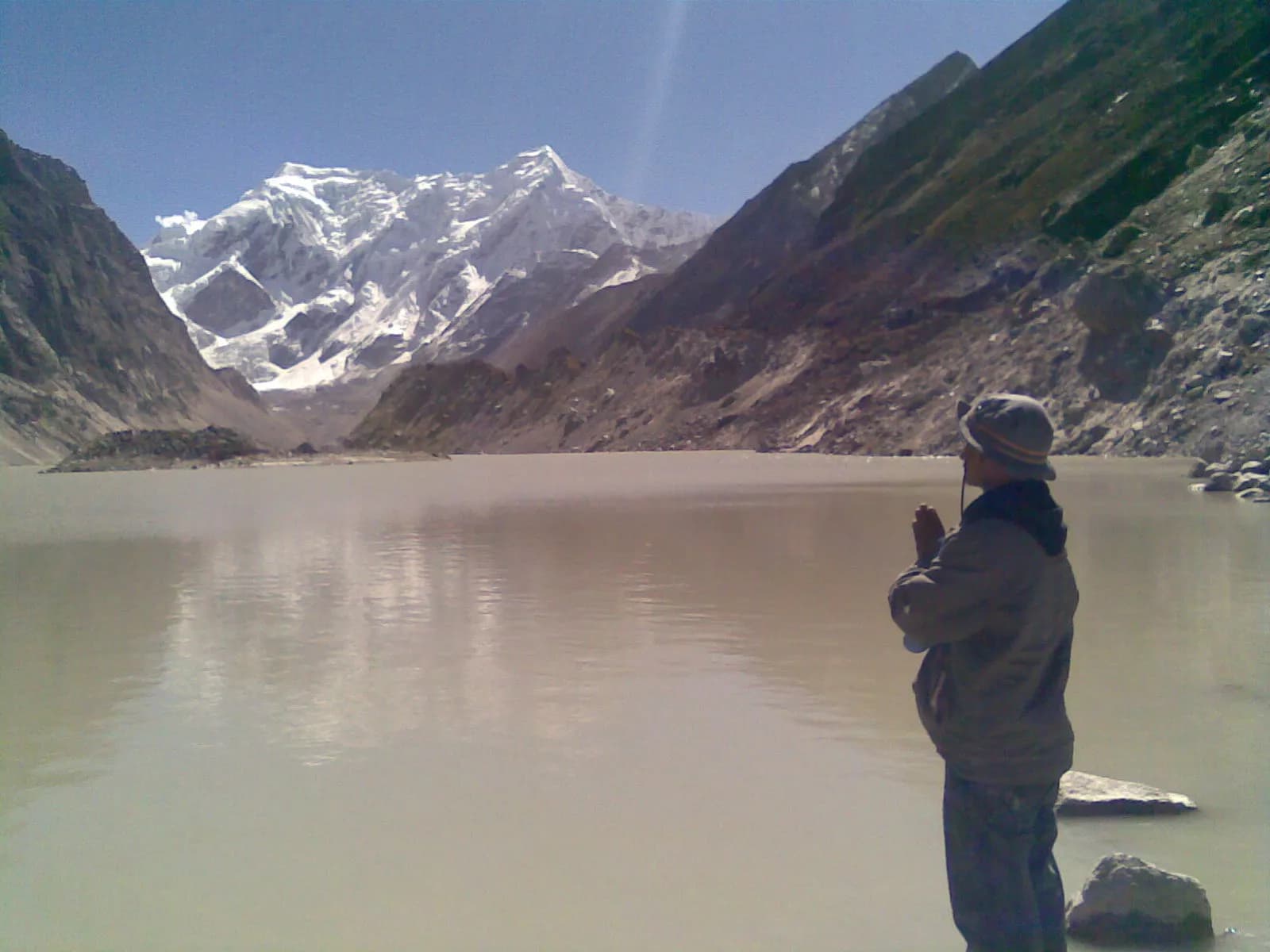
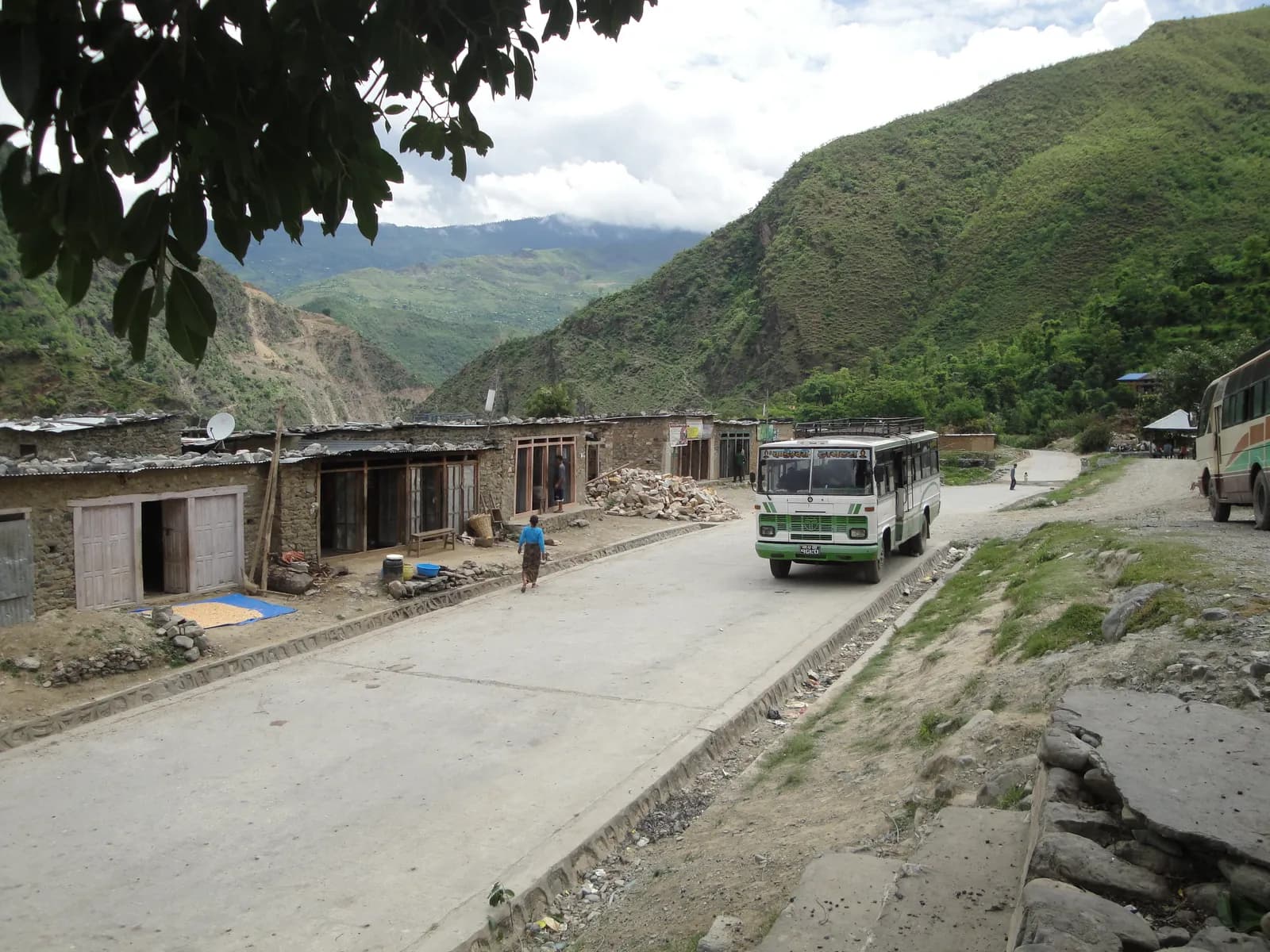
Gaurishankar Conservation Area permit for Rolwaling
What the Rolwaling trek needs: the Gaurishankar Conservation Area entry permit, TIMS, the guide position, why it is not a restricted area, and where to confirm the fee and the Tashi Lapcha permit.

For the standard Rolwaling and Tsho Rolpa trek you need the Gaurishankar Conservation Area entry permit and, where the local office asks for it, a TIMS card. Rolwaling is not a restricted area, so there is no Restricted Area Permit, no restricted-area group requirement and no mandatory agency application of the Manaslu or Upper Dolpo kind. The region page adds the guide question: the Nepal Tourism Board April 2023 rule requires a licensed guide in conservation areas and 2026 operator reports say checkpoints enforce it (checked 19 October 2026), and in Rolwaling a guide is strongly advised because lodges are few and trails are steep and poorly signed. These are the positions on the Rolwaling region page and the Rolwaling and Tsho Rolpa route page.
This article gives the details behind those lines, gives the fees as of October 2026 and tells you what to ask your agency.
Rolwaling and Tsho Rolpa Trek的開放行程
由正在尋找夥伴的健行者發布的真實行程。
What the conservation area is
The Gaurishankar Conservation Area was established in 2010 and covers about 2,179 km2 across Dolakha, Ramechhap and Sindhupalchok districts. It adjoins Langtang and Sagarmatha National Parks and the Tibetan border and forms part of the Sacred Himalayan Landscape. The National Trust for Nature Conservation manages it, which matters because conservation areas differ from national parks in who runs them and who receives the fee. A conservation area entry permit funds that management, so the fee is not a Department of Immigration charge. The National Trust publishes its own information at ntnc.org.np, and the Department of National Parks and Wildlife Conservation lists protected-area offices at dnpwc.gov.np. We did not find a foreigners' fee table on either page, so we do not quote one.
The permit, practically
The entry permit is bought at the checkpoint or through the agency, according to the region page. As of October 2026 foreigners pay NPR 3,000 per entry and SAARC nationals NPR 1,000, with children under 10 free, according to the Nepal Tourism Board park fees page. The Dolakha restricted-area charge is separate: USD 20 per person per week, so about USD 20 for the seven permit days our Rolwaling route plan assumes. Fees have changed over time, so confirm them on the day. If you book through an agency, ask whether the permit is included, and ask for a receipt number. If you buy at the checkpoint, ask the guide where it is and whether the route goes through it, because the trailhead at Chetchet is reached by road and the checkpoint position is something we could not confirm from an official page.
A TIMS card may be requested by the local office. As on other routes, ask your agency rather than assuming, and do not buy a card that nobody checks.
Why the guide advice is stronger than the rule
The Nepal Tourism Board April 2023 rule is the reason a guide appears in the pack, and our guide rule explainer separates the written rule from what checkpoints do. In Rolwaling the practical reasons point the same way. Lodges are few and may close early in the season. The route has a steep climb of about 1,010 m on day 3 and 1,050 m on day 4, and a long descent of 2,030 m on day 9. Tsho Rolpa is a glacial lake with an outburst flood risk and should be visited with someone who knows the marked trail and does not camp on the dam. Helicopter evacuation is possible from Beding and Na in good weather, but it needs insurance and a guide who can call it. If you are sharing a guide with partners, agree the split in writing, as in our partner safety guide.
Beyond the standard trek: Tashi Lapcha
The Tashi Lapcha pass (about 5,755 m) joins Rolwaling to Thame in the Everest region in roughly 3 to 5 days from Na. The region page calls it a technical crossing with glacier travel, fixed ropes and a mandatory mountaineering permit. That is a different permit category from the conservation area entry we describe here. We have not researched the mountaineering permit for this article, so if you are considering the crossing, ask a specialist agency which permits and equipment it requires, and do not treat anything in this guide as covering it. The Daldung La (about 4,500 m) is an alternative high route toward Beding for experienced trekkers and is also outside the standard permit story.
Conservation area, national park, restricted area
Three terms appear in permit talk, and Rolwaling is only one of them. A restricted area, such as Upper Dolpo or Kanchenjunga, needs a Department of Immigration permit applied for through a registered agency, and a guide is compulsory. A national park, such as Makalu Barun or Rara, needs a park entry permit from the Department of National Parks and Wildlife Conservation. A conservation area, such as Gaurishankar, needs an entry permit issued under its own management body, here the National Trust for Nature Conservation. The routes can overlap: Kanchenjunga is both a restricted area and a conservation area, so it needs both documents, as our Kanchenjunga permits article explains. Rolwaling needs only the conservation area permit, which is why the paperwork is lighter than on the restricted treks.
Timing and seasons
The permit is not the bottleneck on this trek. The road is. The jeep to Chetchet takes 8 to 9 hours and landslides often block it in the monsoon, in some years ending at Singati. The best months are October and November, and March to May, and those are the months in which the road is most reliable. If you travel in September or at the edges of the monsoon, ask the agency about road conditions in the days before departure. A permit bought for one set of dates does not protect you from losing a day on the road, so keep a spare day in the schedule.
Rules in the conservation area
Stay on trails and take rubbish out. Do not swim or camp at Tsho Rolpa, and respect the glacial lake as a sacred and hazardous place. Walk clockwise around mani walls and chortens, ask before photographing people, buy supplies locally and use a filter instead of bottled water. The lower villages were damaged in the 2015 earthquakes and have been rebuilt, and the valley sees few visitors, so your behaviour at a small lodge is noticed.
Fees: what to compare
A Rolwaling quote should show the conservation area permit, TIMS if any, the guide, porters, jeeps to and from Chetchet and lodge costs as separate lines. The road legs are a bigger share of this trek than on flight-based treks, and the jeep from Chetchet is something to book in advance because few vehicles wait there. Our cost guide explains how to read the lines, and the route page's "What it costs" section adds them up. Permits come to NPR 3,000 plus USD 20 (about NPR 5,700 in all at NPR 134 to the dollar); guides in this region are quoted at NPR 3,400 to 5,400 a day, and the Chetchet jeep has no published fare in our sources. Permit lines are per person, while the guide and jeep are group costs, so a group of three or four lowers the per-person total.
Checklist before you leave
- Confirm in writing whether the conservation area permit and TIMS are included in the price.
- Ask for the guide's name and licence number and see the card.
- Carry your passport and several copies of your permits.
- Check your insurance covers trekking to 5,000 m and helicopter evacuation.
- Keep a spare day for road delays and ask how the agency handles an extra night at Chetchet or Singati.
- Bring cash, because there are no machines in the valley.
Where this fits
Permits come first, then the road (see the region guide) and the plan in the Rolwaling itinerary. For the national framework read Nepal trekking permits explained.