Nepal trail etiquette and culture: how to trek respectfully
How to behave on Nepal's trails: mani walls and chortens, monasteries and photography, festivals, food, porters and guides, with examples from the Khumbu, Annapurna, Langtang and Mustang.
Respectful trekking in Nepal comes down to a handful of habits: walk clockwise around mani walls and chortens, ask before photographing people or monasteries, dress modestly in religious places, treat porters and guides as colleagues and take your rubbish with you. Most of these habits are easy, and they change how you are received in the villages along the trail.
This guide explains the customs you will meet in the Khumbu, Annapurna, Langtang and Mustang, with examples from the route pages. It is a starting point, not a rulebook: your guide and the people you meet are the best teachers.
Everest Base Camp Trek的开放行程
由正在寻找搭档的徒步者发布的真实行程。
The basics
- Greeting. Namaste, with palms together, is the standard greeting. Smile, and use it with the lodge family, other trekkers and people on the trail.
- Right hand. Offer and receive things with your right hand or both hands. Avoid pointing your feet at people, shrines or the stove.
- Heads and feet. The head is respected and the feet are not. Do not touch someone's head, including a child's.
- Shoes. Take them off before entering a monastery, a temple or a home when asked.
- Dress. Cover shoulders and knees in religious places, and avoid revealing clothes in villages.
Mani walls, chortens and prayer flags
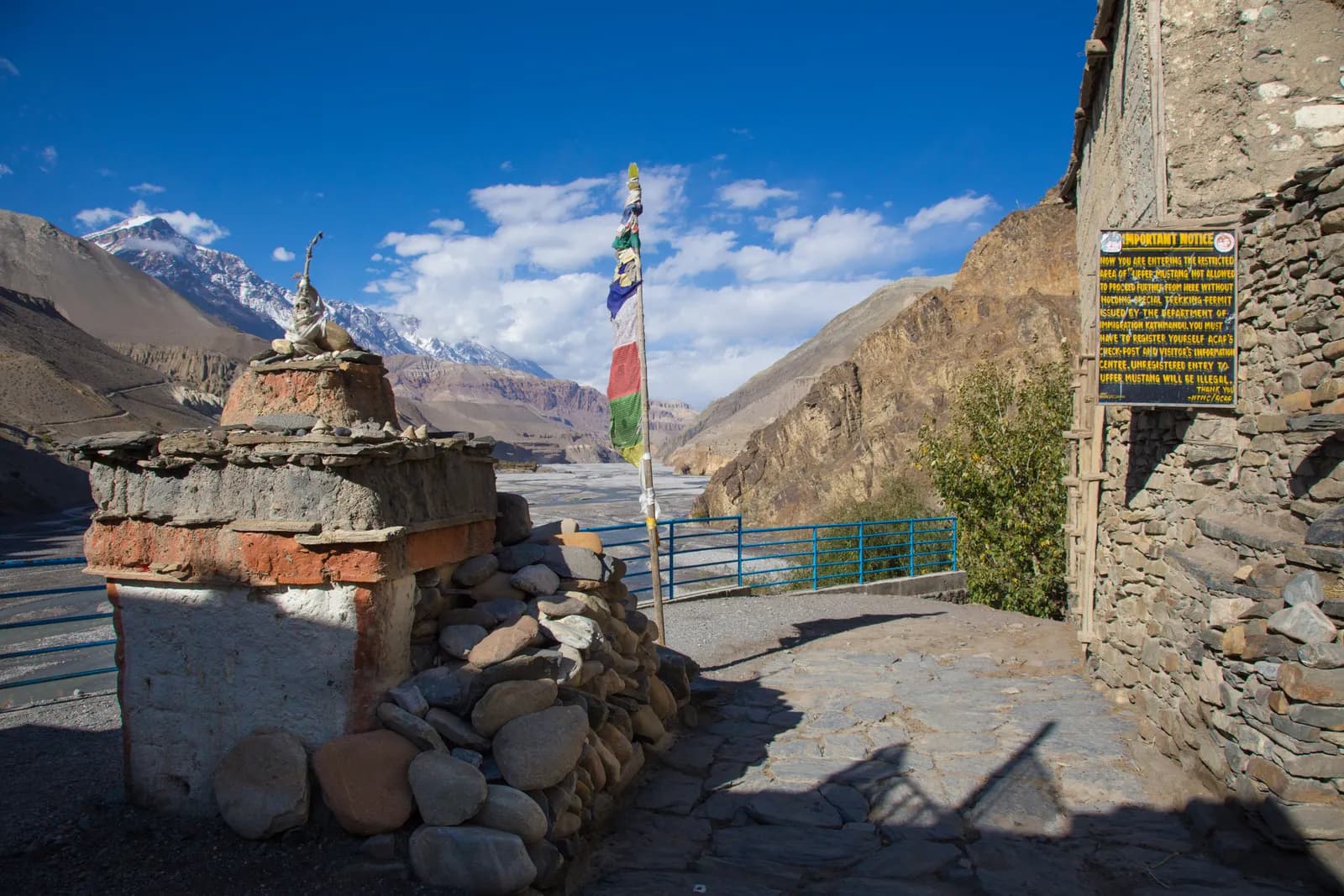
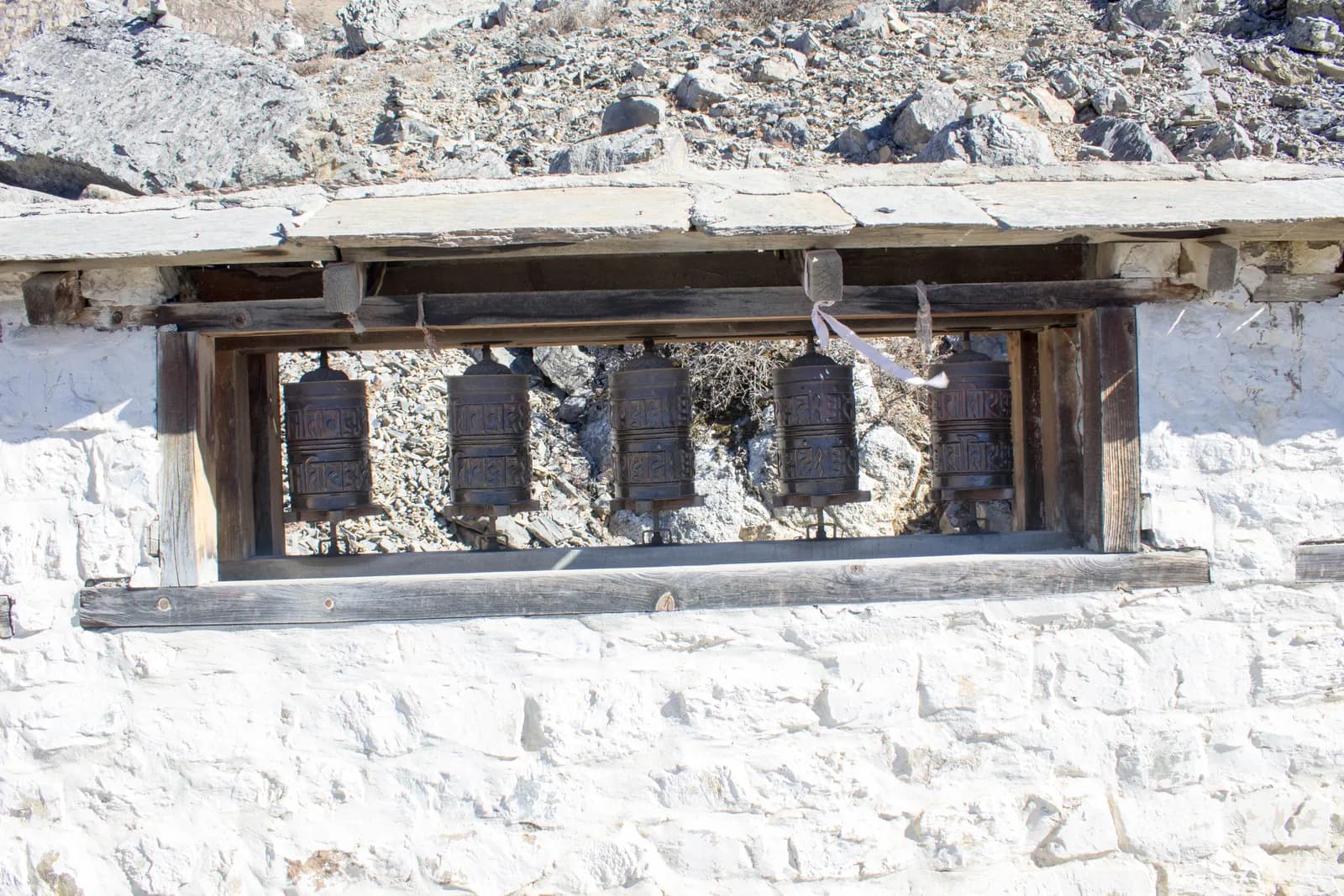
On Buddhist trails you will pass mani walls (long walls of stones carved with prayers), chortens (stupas) and strings of prayer flags. Walk around them clockwise, keeping them on your right, as local people do. At Ghami in Upper Mustang, a mani wall reputed to be the longest in Nepal runs beside the barley fields, and visitors are encouraged to walk with it on their right. Do not touch or move the stones, and do not step on prayer flags that have fallen. The carved prayer wheels along the walls at Muktinath are turned clockwise by hand as you pass.
Monasteries and photography
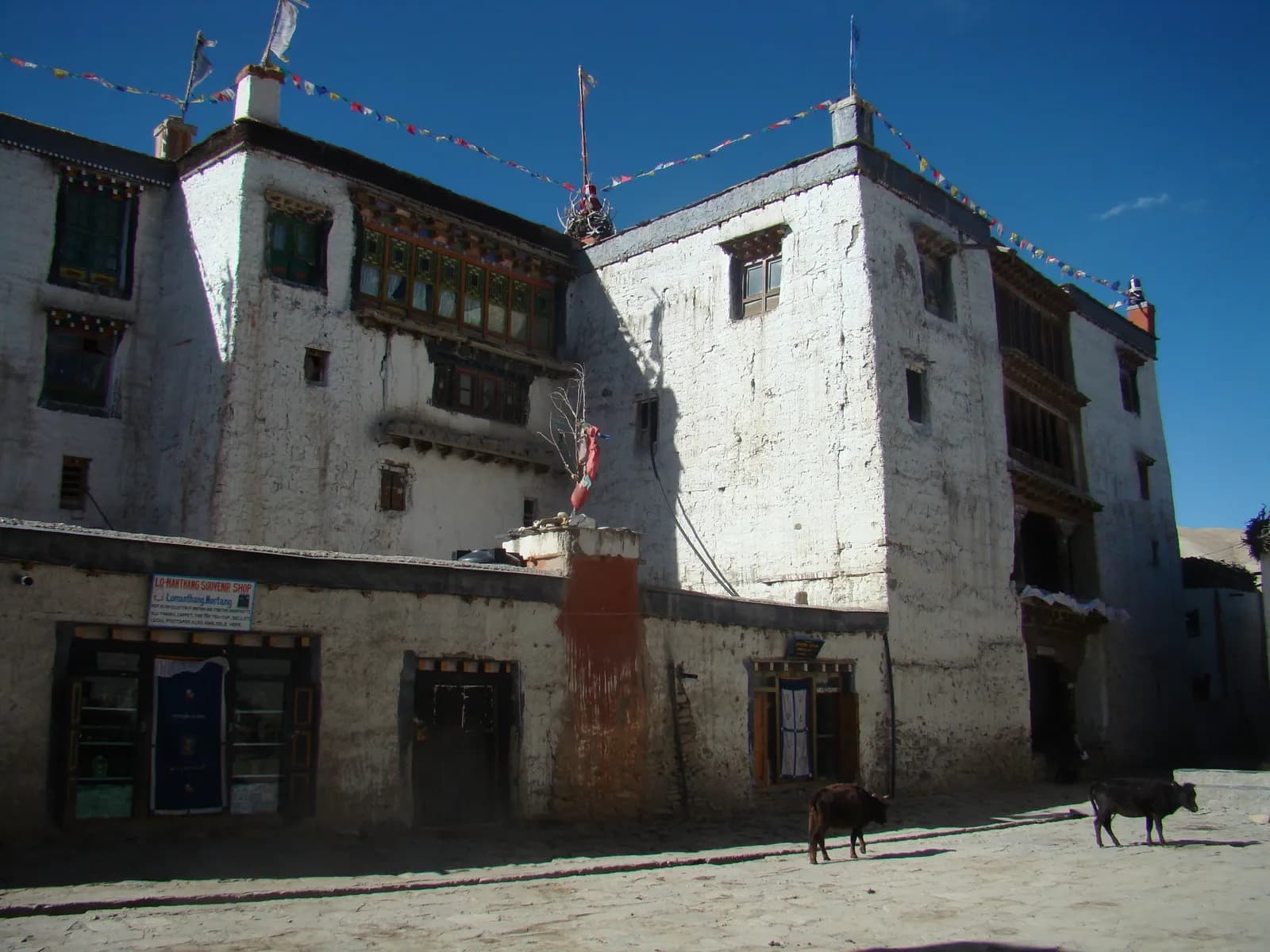
Monasteries are places of worship, not museums. Visit quietly, take off shoes and hats where asked and follow any signs. At Tengboche, the spiritual centre of the Khumbu, visitors may watch the afternoon prayers quietly. Ask permission before photographing inside any hall, and ask before photographing monks and villagers. At Tsarang in Upper Mustang, ask before taking pictures in the monastery and fortress. A small donation in the box is welcome. Never use flash during ceremonies.
Festivals
Two festivals are on many trekkers' radar.
- Mani Rimdu is held at Tengboche in October or November, with masked dances performed by monks. Dates follow the lunar calendar and change each year.
- Tiji is held in Lo Manthang, usually around May, and its dates follow the Tibetan calendar and change every year.
In August, the festival of Janai Purnima draws pilgrims to Gosaikunda in Langtang despite the rain. Treat festivals as community occasions: stay out of the way of ritual, ask before photographing and expect lodges to be full. Check dates for your year before you book.
Communities and the trail
The people you meet differ by region. The Khumbu is Sherpa country, with Buddhist monasteries and villages such as Namche, Khumjung and Thame. Annapurna's southern villages, such as Ghandruk, are largely Gurung, with a museum of Gurung culture, and Marpha on the Kali Gandaki is a Thakali village known for its apples. Langtang's villages are Tamang, and the Tamang Heritage Trail runs through them. Upper Mustang is the former Kingdom of Lo, with a Tibetan Buddhist culture. In each place, ask about customs before you take photographs, and buy from local shops where you can.
Langtang and memory
The 2015 earthquake triggered an avalanche that destroyed the original Langtang village, and a memorial stands near the site. Visit it quietly, do not treat it as a photograph stop and follow local guidance. Rebuilt lodges and the people running them are part of that recovery, and staying in them is one way to support the community.
Food
Dal bhat, a plate of rice, lentil soup, vegetables and pickle, is the staple, and refills are normal. Eat with your right hand or a spoon, do not waste food and avoid touching shared food with the hand you eat from. Buy a hot drink at the lodge where you sleep, because lodges earn most of their income from meals.
Porters, guides and tipping
Porters and guides make the trek possible. Treat them as colleagues: learn their names, share the trail and make sure they have proper clothing, shelter and insurance from the agency. Never overload a porter, and ask the agency what the load limit is. Tipping at the end of the trek is customary; ask the agency what is usual for your group and agree the amount with your partners before you leave. Our guide rule explainer covers the guide and porter roles.
Sacred places: Muktinath and Gosaikunda
Some places on the trail are sacred to more than one tradition. Muktinath, below Thorong La on the Annapurna Circuit, is a temple complex sacred to both Hindus and Buddhists, and pilgrims come from India and across Nepal. Gosaikunda in Langtang is an alpine lake complex associated with Hindu pilgrimage. Dress modestly, remove shoes where asked, do not photograph worshippers without permission and keep voices low. Do not bathe or wash in sacred water, and leave offerings alone. If you are unsure, watch what the pilgrims do, or ask your guide.
Teahouse manners
The lodge is a family home as well as a business. Greet the owner, take off muddy boots at the door if asked and sit where you are shown, since the seat nearest the stove is often kept for the family. Order your evening meal early because every dish is cooked from scratch, and agree on a mealtime with the group so the kitchen can plan. Pay for what you use, including charging and hot water, at the time you ask for it or at the end of your stay, and settle the bill before you leave in the morning rather than rushing off. Keep noise down after the lodge goes to bed, and be careful with candles and stoves.
Money, bargaining and gifts
Prices on the trail are mostly fixed and rise with altitude, so bargaining is rarely appropriate in lodges. In Kathmandu and Pokhara shops, polite bargaining is normal. Do not hand out sweets, pens or money to children, because it encourages begging; if you want to help, ask your guide about a school, health post or community project and donate there.
Leave no trace
Carry out plastic, use a filter or purification tablets instead of bottled water, burn nothing and keep to the trail. In Sagarmatha National Park and the Annapurna Conservation Area, rules on waste and wildlife apply, and rubbish at altitude is hard to remove. Do not feed wildlife, and keep your distance from yaks and mules on narrow sections, standing on the uphill side so they can pass.
Respect in practice
- Ask before you photograph.
- Walk clockwise around Buddhist structures.
- Dress modestly in religious places.
- Do not give sweets or money to children; donate through the lodge, school or health post instead.
- Spend money locally.
- Stay calm and polite when a plan changes.
Where to go next
For the Khumbu see the Everest region guide and the Everest Base Camp itinerary. For Mustang see the Upper Mustang guide and the Upper Mustang itinerary. If you are travelling with new partners, agree on respect for local customs in advance: how to find a trekking partner safely.