Solo trekking ban in Nepal 2026: what is true and what is not
Is solo trekking banned in Nepal in 2026? A dated myth-check of the guide rule: what the sources say for restricted areas, parks and conservation areas, where it is enforced, and how to trek legally with a partner and a shared guide.

Solo trekking in Nepal is not banned as a blanket rule, but foreigners are required to have a licensed guide in many places, which is why "solo trekking ban" is the phrase people search. A licensed guide through a registered agency is required in restricted areas (Department of Immigration) and, under the Nepal Tourism Board rule of April 2023, in national parks and conservation areas, where 2026 operator reports say checkpoints enforce it in Annapurna and Langtang but not in Khumbu (checked 19 October 2026). So the honest answer depends on where you walk, not on whether you walk alone. This post sorts the claims you will read into what is documented, what is reported by operators and what is simply unverified. It was checked on 25 October 2026 and is written for foreign trekkers. It is not legal advice, and rules can change by notice, so confirm with a registered agency before you book.
Everest Base Camp Trek için açık geziler
Partner arayan trekkingcilerin paylaştığı gerçek geziler.

Where does the "ban" come from?
In April 2023 the Nepal Tourism Board announced that foreign trekkers would need a licensed guide in national parks and conservation areas. The announcement was widely reported as a "solo trekking ban", and the Kathmandu Post covered the dispute in the Everest region the same month. Since then, blogs have repeated the headline without checking whether each area enforces it, and some now describe a total ban on any independent travel, which no source we found supports. The rule is about guides, not about being physically alone: a group of two foreigners with one licensed guide is walking with a guide, whatever the blogs call it.
What is documented for each kind of area
| Area type | What the sources say | Strength of evidence |
|---|---|---|
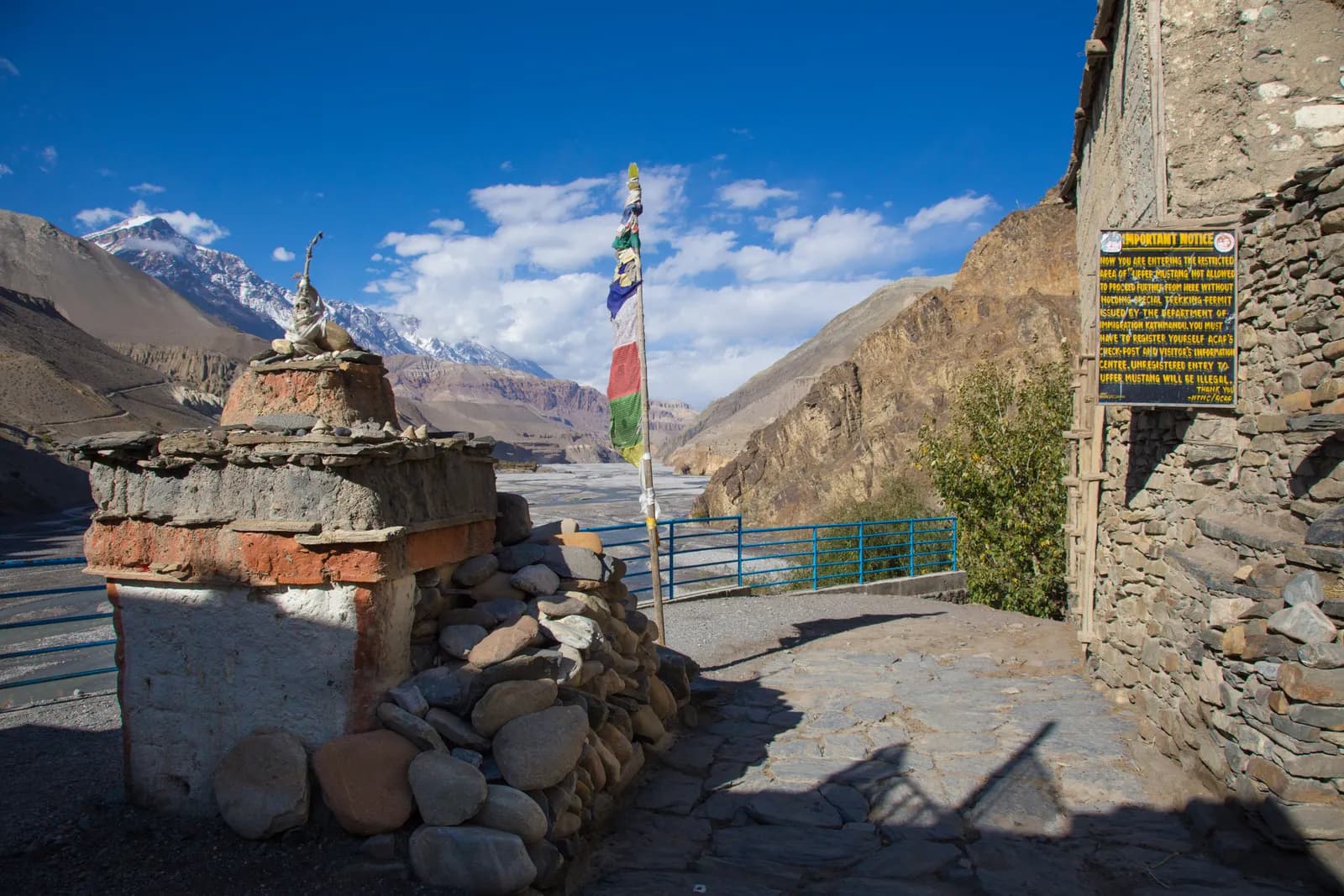
| Restricted areas (13 districts, including Manaslu, Upper Mustang, Upper Dolpo) | A licensed guide through a registered agency is part of the permit; the Department of Immigration reminded stakeholders in June 2026 | Official body, reported by news |
| National parks and conservation areas | The written rule is the Nepal Tourism Board announcement of April 2023; we found no separate Department of Immigration or national parks department notice | Official announcement, no second notice |
| Annapurna (ACAP) and Langtang | 2026 operator reports say checkpoints enforce it, Langtang the strictest | Operator reports, not official |
| Khumbu (Everest) | The municipality opted out in 2023 and issues its own trek card; no enforcement reported | News reports from 2023 plus current operator silence |
That table is the whole picture we can support. Notice what is missing: no source we found lists a legal penalty schedule, and no source documents a nationwide ban on independent walking. For permit specifics, Nepal trekking permits explained and the guide rule for foreigners explained go region by region.
Where sources conflict
Three conflicts are worth stating plainly.
First, who issues the rule for parks. The April 2023 announcement came from the Nepal Tourism Board, which is a promotion and regulation body; we could not find a matching notice from the Department of National Parks and Wildlife Conservation or the Department of Immigration. Operators and checkpoints act on it anyway, and the UK Foreign Office says independent trekkers must use "a local guide or porter" in national parks and protected areas, which is looser than "licensed guide". Treat the stricter reading as the safe one.
Second, Khumbu. A March 2023 Himalayan Times report says solo travellers are allowed in the Everest region with a local trek card instead of a guide, while the Nepal Tourism Board disputed that. Our current sources report no enforcement there, but the dispute was never resolved in a document we could find, so a change at the checkpoint is possible.
Third, how strict "enforced" is. The Annapurna and Langtang reports are from tour operators, who benefit when trekkers book guides. We believe them because they match the checkpoint experience others describe, but they are not official statements.
What actually happens at checkpoints
Checkpoints check the permit, and in the stricter areas they ask who your guide is. Our permit checkpoints guide describes what to expect, and trekking without a permit explains the usual outcomes: being sent back, a higher fee or both. Carry original permits and a photocopy. If you have a guide, carry a copy of their licence number and agency name as well.
Is it still safe or sensible to go alone?
Even where it may be allowed, walking without a guide is a safety choice, not just a legal one. The UK Foreign Office's advice, read on 25 October 2026, is to use a reputable trekking agency or guide and not trek alone. Our posts on solo trekking in Nepal, solo versus group trekking and guided versus independent trekking lay out the trade-offs, and the cost of trekking solo versus through an agency shows the money.
Claims you will read, checked
"Solo trekking is banned in all of Nepal." We found no official source for a nationwide ban on independent travel. What exists is a guide requirement that varies by area, as the table shows.
"Everyone needs a guide everywhere since 2023." The April 2023 announcement covers national parks and conservation areas, but the Khumbu municipality opted out, and 2026 operator reports describe enforcement mainly in Annapurna and Langtang.
"You can just skip the guide and no one checks." Checkpoints can turn you back or charge more, and restricted areas build the guide into the permit itself, so there is nothing to skip.
"One guide per person." We found no source stating a ratio, so any figure you read is unverified. Ask your agency what it will put in writing.
"It is illegal to meet a partner on the trail." Nothing we found says this. Walking with another traveller is allowed; the issue is whether a licensed guide is with the group where one is required.
Questions to ask your agency before you pay
- Which areas on my route need a licensed guide, and which permits do you buy for me?
- What is the guide's licence number, and is the agency registered?
- Is the price per person or per group, and what happens to it if a partner drops out?
- Does the quote include the guide's food, lodging and insurance?
- What is the plan if a pass closes or a flight is cancelled?
Write down the answers and keep a copy with your permits. Our guide versus porter roles post explains who does what, so you are not paying for two services you do not need.
How to trek legally without paying for a guide alone
The practical answer is a partner. You hire one licensed guide through a registered agency and split the cost with another trekker, so the guide fee drops per person. Here is a working sequence.
- Decide your route and dates. Check the area against the table above.
- Find a partner whose pace and dates fit. How to find a trekking partner in Nepal safely covers vetting, and meeting partners in Kathmandu hostels and forums helps if you are already in the city.
- Choose a registered agency and ask for the guide's licence details in writing. Use choosing a trekking agency: questions to ask.
- Agree who pays what, including tips and extra days, before any money moves. Our share-a-guide page explains the split.
- Check guide and porter day rates so you know what a fair quote looks like.
- Collect permits, either through the agency or at the issuing counters.
You can read the full rule, with the checked date and sources, on our guide rule page, and the matching tool is the trekking partner page. The site does not sell treks, employ guides or handle your money.
For route-specific context, see the Annapurna Base Camp route guide and the Everest Base Camp route guide, the two most common questions about guides.
What this means for your budget
If you plan around a shared guide, the guide fee is the line that changes most. Two trekkers split it in half, four split it in quarters, though a larger group may need a porter as well. Our per-person cost in a group of five post works the arithmetic, and the cost calculator lets you test your own numbers. Remember that the saving comes with a trade-off: the group moves at one pace, so agree turn-back rules and rest days before you start.
What we do not know
We could not verify a legal penalty for trekking without a guide, an official guide-to-trekker ratio, or any change to the Khumbu position since 2023. If you have a recent official notice that settles any of these, the guide rule page is where we update first. Meanwhile, the safest plan is to assume a guide is expected and plan the budget around a shared one.
Bu trekkingi planla
Sık sorulan sorular
Kaynaklar
- Department of Immigration, Nepal
- Nepal Tourism Board
- Diplomat Nepal: Department of Immigration reinforces mandatory guide rule for trekking in restricted areas (13 June 2026)
- Kathmandu Post: Everest region, Nepal Tourism Board dispute over solo trek ban heats up (3 April 2023)
- Himalayan Times: solo travellers allowed to trek without a guide in Everest region (27 March 2023)
- Annapurna Guide Requirement 2026: What the Rules Mean in Practice (Awesome Holidays Nepal, operator report)
- Is a Guide Mandatory for Langtang Valley Trek 2026? (Trekkers Nepal, operator report)
- UK Foreign Office: Nepal safety and security (read 25 October 2026)