

Trekking without a permit in Nepal, what happens
What happens if you reach a Nepal checkpoint without the right permit as of October 2026: the double fee at ACAP posts, which permits can be fixed on the spot, which cannot, and why we quote no fines.
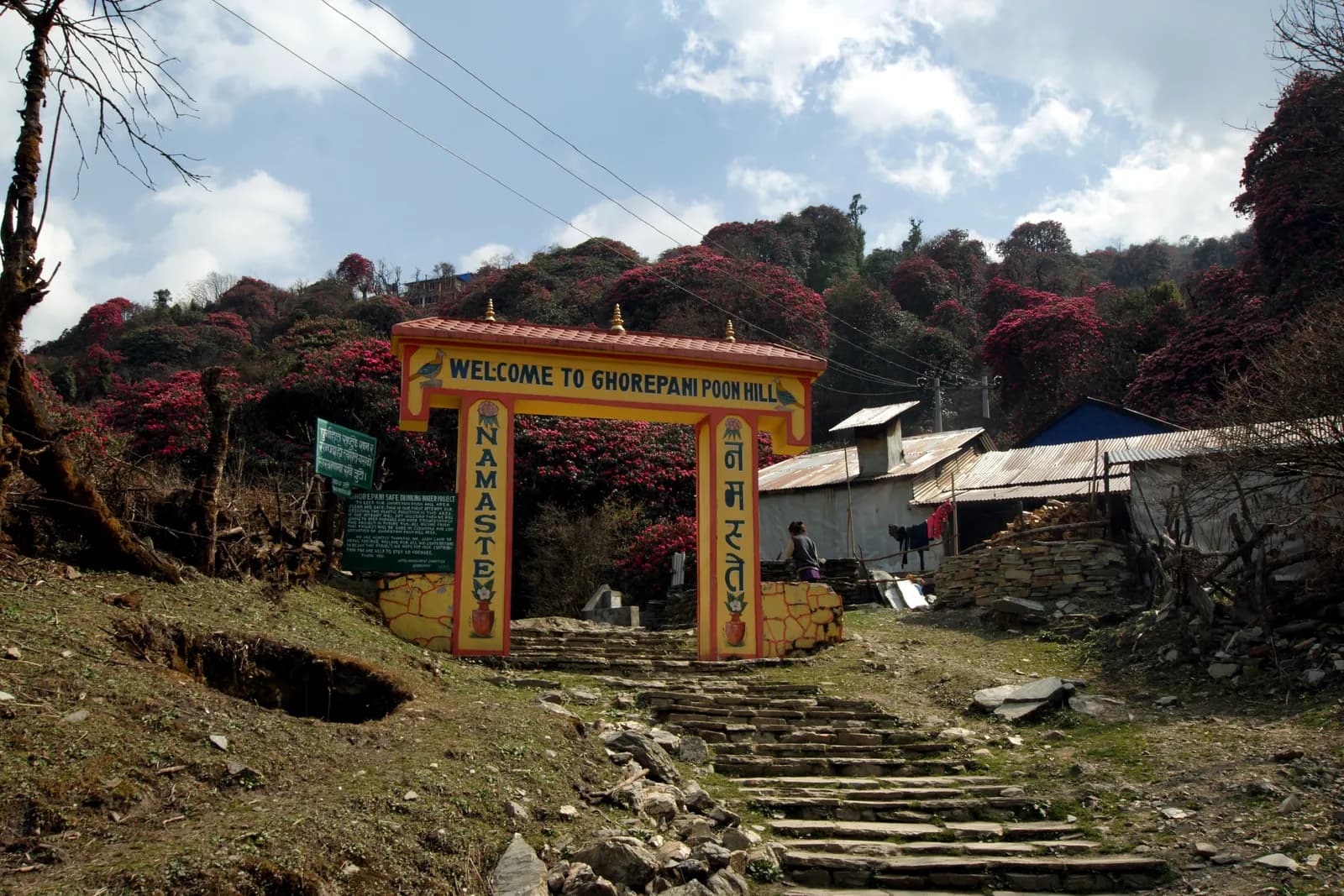
If you reach a checkpoint in Nepal without the right permit, you will be asked to fix it before you go on, and what that costs depends on the permit. For the Annapurna (ACAP) and Manaslu (MCAP) conservation area permits, a permit issued at a check post costs double: NPR 6,000 instead of NPR 3,000 as of October 2026, according to the NTNC e-permit page. For a restricted-area permit there is no fix on the trail, because only a registered agency can obtain one from the Department of Immigration. We found no published schedule of fines for trekking without a permit, so we do not quote one.
That last point matters, because many articles on this topic quote a fine with no source. This guide sticks to what we can cite: how the fees change at a checkpoint, which permits can be bought on the spot and which cannot, and the practical consequences. For how checkpoints work in general, see permit checkpoints and what to expect, and for the permits themselves, Nepal trekking permits explained.
Open trips on Poon Hill Trek (Ghorepani)
Real trips posted by trekkers looking for partners.

What we can and cannot say
Official pages tell you what each permit costs and who issues it. They do not, in the sources we found, set out a penalty for walking without one. The Nepal Tourism Board, the Department of National Parks and Wildlife Conservation, the National Trust for Nature Conservation and the Department of Immigration publish fees and rules, and news reports such as Kantipur's report of 6 May 2026 on foreigners trekking in controlled areas of 13 districts describe permits as mandatory. What happens to a particular trekker is decided at the checkpoint or the office, so treat any specific number you read elsewhere as unverified unless it names an official source.
Which permits can be fixed on the spot
| Permit | Can you get it at the checkpoint? | What it costs there |
|---|---|---|
| ACAP (Annapurna Conservation Area) | Yes, at a check post | Double: NPR 6,000 for foreigners as of October 2026 |
| MCAP (Manaslu Conservation Area) | Yes, at a check post | Double: NPR 6,000 |
| National park permits (Sagarmatha, Langtang, Rara, Shey Phoksundo and others) | Often at the park gate or office, for example Dhunche for Langtang and Juphal or Sulighat for Dolpo | The normal fee, NPR 3,000 for most parks; confirm locally |
| Khumbu Pasang Lhamu trek card | At the Lukla area point on the trail | NPR 3,000, per the municipality's archived page |
| Restricted Area Permit (Manaslu, Upper Mustang, Upper Dolpo and others) | No | Not available; only through a registered agency |
| TIMS card | Not at a checkpoint | Agency-issued; NPR 2,000 (SAARC NPR 1,000) |
The two NTNC permits are the ones with a published penalty in the form of a doubled price. For a trek such as Poon Hill, that is the difference between NPR 3,000 and NPR 6,000 for ACAP. For the Manaslu Circuit, which needs both MCAP and ACAP, it is the difference between NPR 6,000 and NPR 12,000. Neither is ruinous, but both are avoidable. The ACAP permit guide explains how to buy online, which carries a 2.9% gateway charge, or in Kathmandu or Pokhara, which does not.
Restricted areas: no way to fix it on the trail
In restricted areas the permit is the Department of Immigration's, and a licensed guide through a registered agency is part of it. The Department restated this in June 2026, and individual trekkers have been able to apply since 22 March 2026, but a guide is still required. You cannot buy the permit at Jagat on the Manaslu Circuit or at Kagbeni on the way to Upper Mustang; the checkpoint checks that you have it. Without it the practical result is that you cannot continue, and any days and money already spent on the approach are lost. The Manaslu restricted-area permit guide explains the application, and the Manaslu Circuit route page shows the checkpoint at Jagat on day 2.
Common ways people end up without the right permit
- Wrong permit for the route. The Manaslu Circuit needs the restricted-area permit, MCAP and ACAP, because the route joins the Annapurna trail near Dharapani. Buying only the first two leaves you short at the end.
- Permit days that run out. Restricted-area permits are priced by days and list your dates, so an extra day of delay needs the agency to sort it out.
- A change of route. A permit lists your route, so a side trip into another protected area may need another permit. Ask before you divert.
- Assuming a permit covers the whole trip. Some routes cross more than one park or conservation area, such as Helambu, which our route page lists under Shivapuri Nagarjun and Langtang National Parks.
- Leaving the originals behind. Permits are checked more than once, so a permit left at the hotel is the same as no permit until you retrieve it.
What to do if you realise you are missing one
- Stop and do not try to slip past. A checkpoint is often the only place where your details are recorded, which is the whole point of the ledger.
- Find out which permit you lack and where it is issued. For ACAP and MCAP the check post will sell it at double; for a national park it is usually the gate or the Nepal Tourism Board office in Kathmandu.
- Call your agency or guide. They know the issuing office and can sometimes arrange it faster.
- Pay the receipt-backed fee and keep the receipt. Ask for a receipt and photograph it.
- For a restricted area, go back. Contact the agency that arranged your trip, and do not continue until the permit is in your hand.
The guide rule is a separate matter
Trekking without a guide is not the same as trekking without a permit. The Nepal Tourism Board announced in April 2023 that foreign trekkers must use a licensed guide in national parks and conservation areas. We found no separate Department of Immigration or park-authority notice for it. 2026 operator reports say checkpoints enforce it in Annapurna (ACAP) and Langtang, the strictest, and most other parks, but not in Khumbu, where the municipality opted out (checked 19 October 2026). In restricted areas the guide is part of the permit. Read the guide rule explainer and the guide rule page before you decide to go without one.
Why it is not worth the risk
The saving from skipping a permit is small, NPR 3,000 for ACAP, about USD 22, and the cost of being caught short is the doubled fee plus whatever time it takes to sort out. Beyond the money, the permit ledger is how local staff know who is on the trail if weather or a landslide closes the way. Buying permits is also the easiest part of trek planning to get right: allow a working day in Kathmandu or Pokhara, check every line on the paper before you leave, and photograph everything. Our permit paperwork checklist lists what to bring, and the permits page keeps the current fee table.
Who is responsible for the permit
If an agency arranges your trek, the permit is the agency's job and your check. Ask for a copy of each permit before you leave the office and read it against your passport, because an error found at the first checkpoint is slower to fix than one found in the office. If you arrange permits yourself, the responsibility is entirely yours: you decide which permits the route needs, where to buy them and when. For restricted areas the agency is also responsible for matching the guide and the permit to the people walking, and the checkpoints at Jagat, Philim, Namrung and Samagaun inspect them on the Manaslu Circuit.
A simple routine avoids nearly all the problems. List the protected areas on your route from our route page, buy a permit for each, check each line, photograph each, and carry the originals in your day pack. If the route changes, repeat the list. It takes minutes and costs nothing beyond the fees you were going to pay anyway.
If you are travelling with partners
Make sure everyone's permits are bought for the same route and dates, and agree who holds the group paperwork. A missing permit for one person can hold up the whole group at a checkpoint. The guide on what to agree with trekking partners covers the conversation, and you can browse the Annapurna, Manaslu and Everest regions for routes. For more rules guides, see the permits and rules hub, or start from the Poon Hill route if you want a simple first trek with one permit.


