Gurung villages and culture in Annapurna
Who the Gurung (Tamu) people are, what to see in Ghandruk and the southern Annapurna villages, how the Gurkha tradition shapes the area, Tamu Lhosar and village religion, and how to visit respectfully and stay in family lodges.
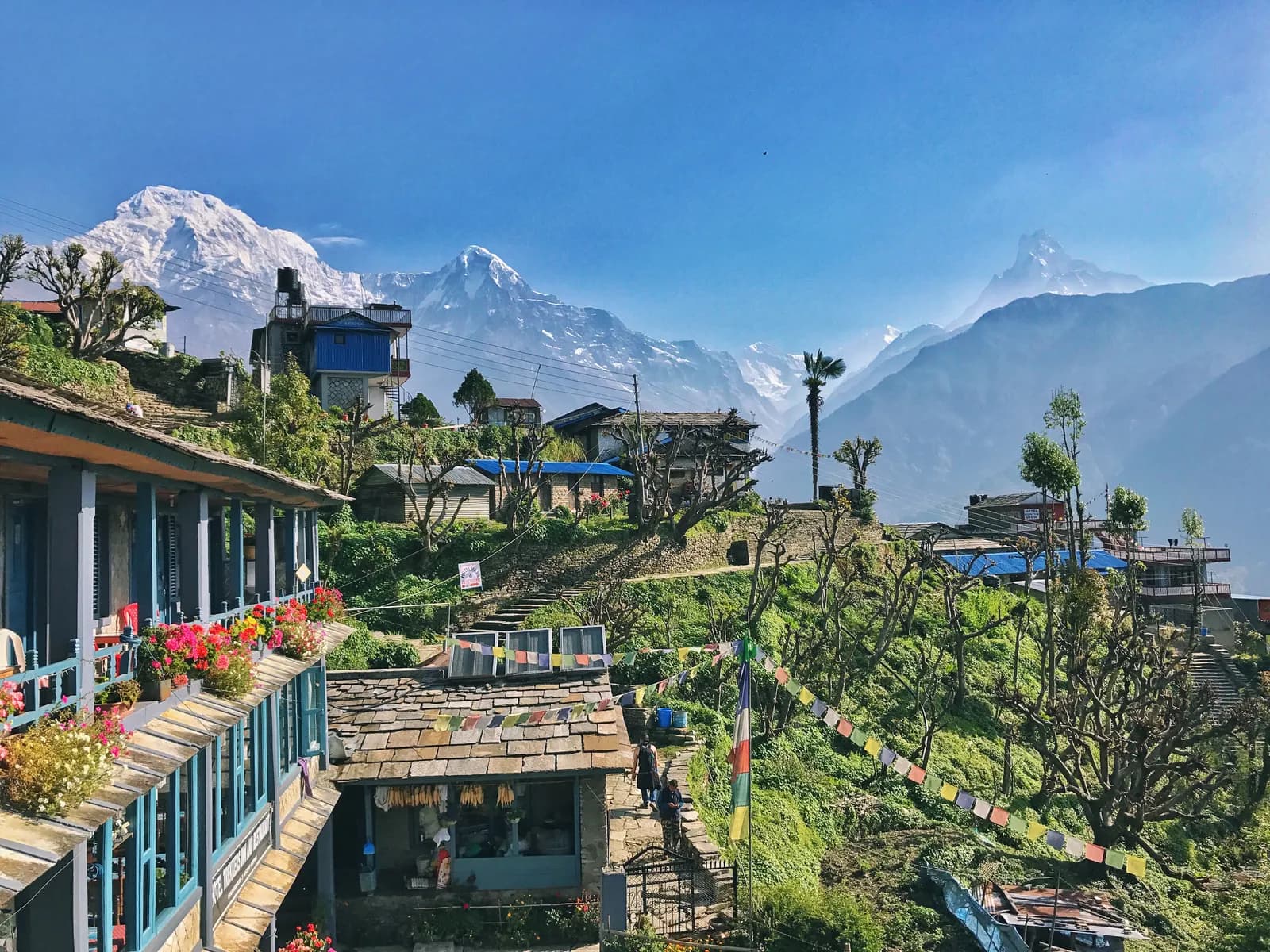
Gurung culture on the Annapurna treks is best met in the villages of the southern slopes, above all in Ghandruk, where stone houses with slate roofs, a Gurung Cultural Museum, family-run lodges and views of Annapurna South and Machhapuchhre sit within a few hundred metres of one another. The Gurung, who call themselves Tamu, are a Tibetan-descended hill people with their own language, their own new year, a long record of service in Gurkha regiments and a religious life that mixes Buddhism with older shamanic practice. You will meet them as lodge owners, guides, porters and neighbours, and this guide explains who they are, what to see and how to behave as a guest, drawing on Wikipedia, our route pages and the Nepal Tourism Board.
We write as outsiders. Where a point comes from Wikipedia we say so, and where a detail would need a specialist source, we leave it out. If you are staying in a Gurung lodge, your hosts are the best authority on their own customs.
Ghandruk Village 2-Day Trek için açık geziler
Partner arayan trekkingcilerin paylaştığı gerçek geziler.

Who the Gurung are
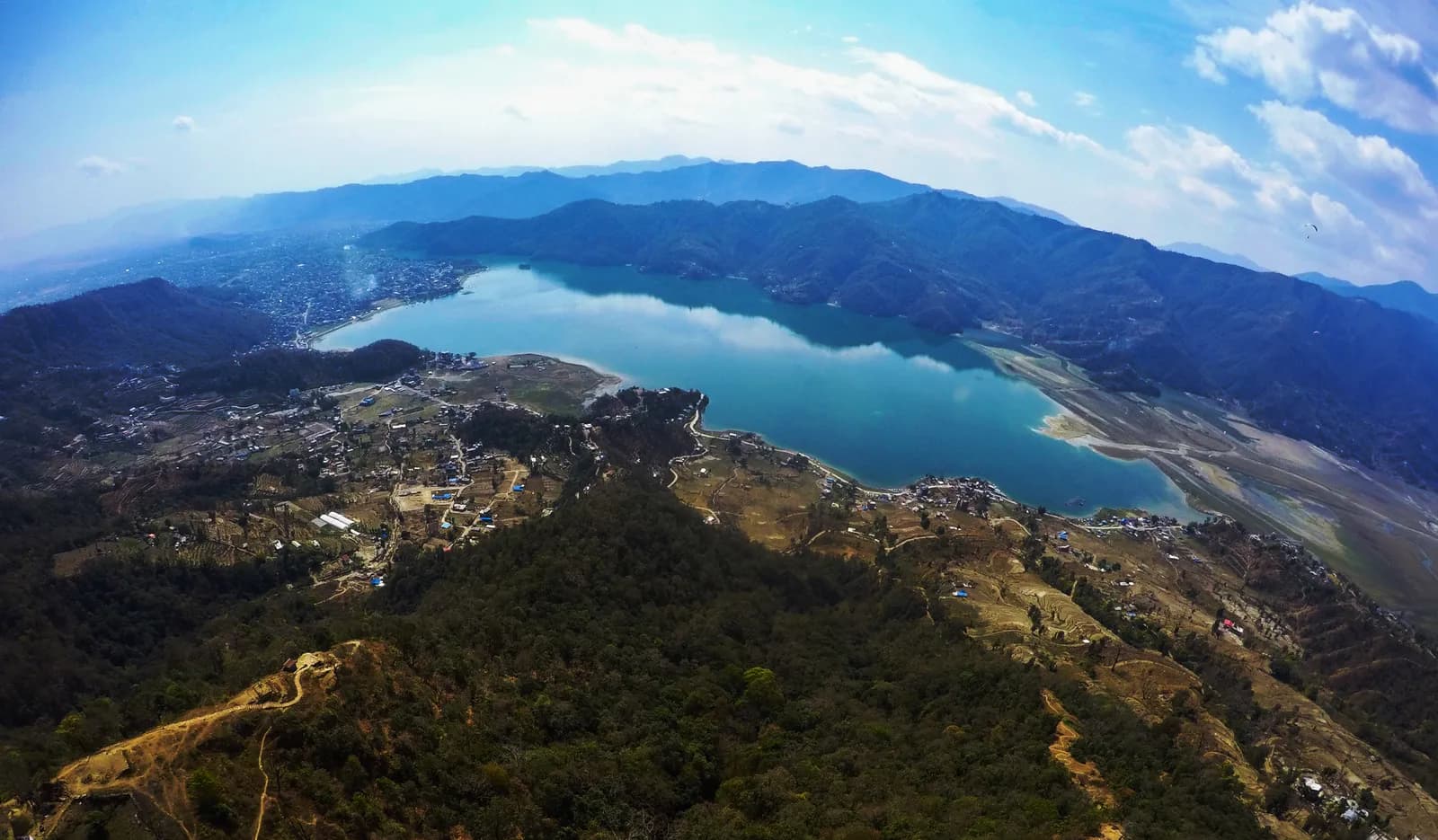
According to Wikipedia, the Gurung (the exonym) or Tamu (the endonym) are a Tibetan ethnic group living in the hills and mountains of Gandaki Province. They speak the Gurung language, also called Tamu Kyi, a Sino-Tibetan language of the Tibeto-Burman family, and history and tradition have usually been passed on by word of mouth. They have historically lived a semi-nomadic life herding sheep and yaks in the Himalayan foothills, though many have diversified into other occupations while keeping strong ties to their heritage. In the 2011 Nepal census 798,658 people, or 2.97 per cent of the population, identified as Gurung, with the highest share, 11.4 per cent, in Gandaki Province.
The name Tamu is what they call themselves. Wikipedia reports an oral tradition that "Gurung" comes from the Tibetan "Gru-gu", meaning "to bring down", reflecting a migration from the Tibetan plateau to the southern slopes of the Himalaya, and says the origins of the Gurung can be traced to the Qiang people of Qinghai. Most Gurung speakers today are bilingual in Nepali, which dominates education and administration, and Wikipedia notes concern about the decline of Gurung among younger people. That is a reason to learn a few words of Nepali, and to ask a Gurung host how they say them in Gurung; see basic Nepali phrases for trekkers.
Where you meet Gurung villages
The Annapurna region page says the south of the region is Gurung and Magar country, with villages such as Ghandruk, Chhomrong and Tadapani. The Poon Hill itinerary finishes in Ghandruk after crossing the ridge to Tadapani, and Annapurna Base Camp climbs through Gurung villages on its way up to the sanctuary. The shorter Ghandruk village trek from Nayapul is built around a night in the village itself.
Ghandruk. Wikipedia describes it as a traditional Gurung settlement at 2,012 m in Annapurna Rural Municipality, Kaski District, about 32 km north-west of Pokhara, and a key stop on several trekking routes. It has 5,316 people according to a 2021 assessment and is among the most substantial and established Gurung communities in Nepal. Peaks visible from the village include Annapurna South (7,219 m), Machhapuchhre (6,993 m), Gangapurna (7,455 m) and Hiunchuli (6,411 m). Local attractions include the Gurung Cultural Museum and the Meshram Baraha temple, and the village has a government secondary school. Our own route page gives about 2,000 m for the village and notes that sources differ by a few tens of metres. For a longer walk through it, read our Ghandruk village trek guide.
Chhomrong and Tadapani. These lie on the routes towards the sanctuary and the ridge, and for most trekkers they are lodge villages first and places to look around second.
The Gurkha tradition
You cannot understand the Gurung hills without the army. Wikipedia explains that after the Anglo-Nepalese War ended with the Treaty of Sugauli in 1816, the British began recruiting soldiers from Nepal's northern villages, and that the Gurung are one of four ethnic groups from which most of those soldiers came. Gurungs continue to be recruited into the British, Indian and Brunei armies and the Singapore Police Force, and since 1999 retired British Gurkhas have been allowed to settle in the United Kingdom with their families. Our Annapurna region page notes that many Gurung men served in the British and Indian armies and that the museum in Ghandruk explains the culture and history.
For visitors this explains several things: why so many lodges are built with pension money, why you will meet owners who speak good English, and why families may have members abroad. It is polite to ask about it, but do not assume that every Gurung man is a soldier.
Religion and festivals
Wikipedia describes Gurung religion as including Ghyabri (Ghyabring) and Pachyu (Paju) traditions, with lamas performing Buddhist rites at births, funerals and festivals in Lamjung, Parbat, Kaski, Manang and Mustang, and some villages keeping remnants of the pre-Buddhist Bon religion and an even older shamanic belief. Its Ghandruk article notes that during festivals locals celebrate with music, dance and rituals that blend animist beliefs with Buddhist and Hindu traditions.
The main festival is Tamu Lhosar, the Gurung new year, celebrated, according to Wikipedia, on the 15th of Poush, which falls in December or January. If you are in a village at that time, ask your host whether visitors may join in, and follow their guidance on when to watch and when to step back. Our wider guide to Losar and Tibetan new year in the mountains places this in the context of other new-year festivals; Tamang communities, by contrast, keep Sonam Lhosar in the month of Magh (February to March), according to Wikipedia.
Dress
Wikipedia lists the traditional dress. Women's attire includes the cholo or chaubandi cholo blouse, the phariya or lungi skirt, the patuki sash, the ghalek worn across the body and the pachhyauri head or shoulder cloth, with ornaments such as nose and ear jewellery and necklaces. Men's includes the kachhad or kaas wrap, the bhoto shirt, the patuka sash and the bhangra, a handwoven wrap traditionally of nettle fibre. It adds that traditional clothing has largely declined in everyday use and is now worn mainly at festivals, rituals and cultural events, so do not expect to see it on an ordinary day. If you see it at a festival, ask before photographing; see photography etiquette.
Staying in a Gurung village
The southern Annapurna lodges are mostly family-run. A few habits make the stay better for everyone.
- Choose a family lodge and eat where you sleep. Meals bought at your lodge support the family that runs it. See teahouse etiquette.
- Ask before photographing people, houses and ceremonies, and respect a no.
- Dress modestly in villages: covered shoulders and knees.
- Take off your shoes where hosts do, at doors and inside homes.
- Pay the agreed price and ask the price before you order rather than arguing it afterwards.
- Do not give sweets or money to children. Donate through a school or committee instead; our guide to visiting local homes and gift-giving etiquette explains how.
- Learn a few words. Namaste, dhanyabad and a smile go a long way.
The Nepal Tourism Board April 2023 guide rule applies in the Annapurna Conservation Area: 2026 operator reports say the ACAP checkpoint enforces it, and the Ghandruk route page repeats this (checked 19 October 2026). A local guide or guide-porter, often a Gurung, is also a good way to hear the village's story. See our guide rule explainer.
What to look for on the walk
- Stone and slate houses in terraced lanes, often with a wooden verandah, in Ghandruk and Tadapani.
- Millet, maize and potato terraces and, in season, rhododendron forest; the region page says spring brings flowers on the southern slopes.
- Prayer flags, chortens and mani walls, which show Buddhist influence. Walk clockwise and follow the monastery guidance in monastery etiquette.
- The museum, for a short introduction to Gurung life and the army tradition.
- Evening in the dining room, where owners, guides and trekkers eat together near the stove.
Planning your visit
Spring and autumn are the best seasons for the southern routes, and Ghandruk is walkable in winter. The Annapurna region guide lists seasons, access and permits, and our Poon Hill itinerary gives the day-by-day. If you want company on the trail, the Poon Hill partner page and the Ghandruk partner page list people planning the same dates. For other cultures on the trail, return to the trail etiquette and culture guide.
A final note
The best way to learn about Gurung culture is to listen: to the lodge owner who explains the museum, to the guide who points out the house of a retired soldier, to the family that offers tea. Ask questions, thank people and pay fairly. The Gurung are not an exhibit, and the villages are not museums; they are places where people live, farm, host and send their children to school.