Trekking permit fees and guide rules for Nepali citizens
What a Nepali citizen pays to enter each national park and conservation area, what we could and could not verify for restricted areas, why Nepali citizens do not need TIMS, and what the written guide rule says.
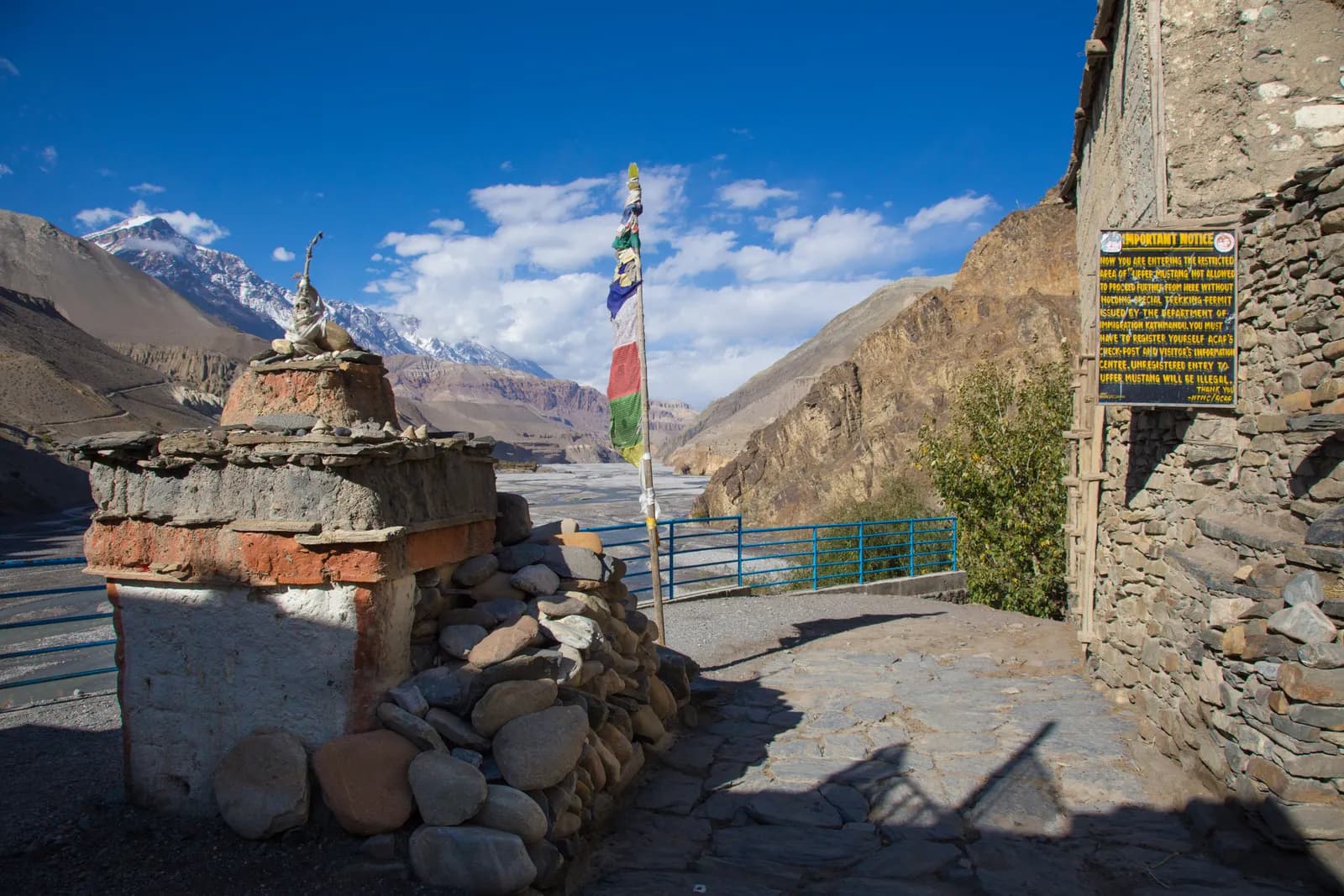
A Nepali citizen pays NPR 100 per person per entry at most national parks and conservation areas, including Sagarmatha, Annapurna, Langtang, Manaslu and Shey-Phoksundo, and NPR 150 at Chitwan, according to the Nepal Tourism Board page we checked on 21 October 2026. Foreigners pay NPR 2,000 to 3,000 at the same places. We found no published restricted-area fee for Nepali citizens, so that line is shown as unverified. Nepali citizens do not need a TIMS card. The written guide rule concerns a licensed guide through a registered agency, required in restricted areas and, under the April 2023 Nepal Tourism Board rule, in national parks and conservation areas, where 2026 operator reports say checkpoints enforce it in Annapurna and Langtang but not Khumbu. We found no exemption for Nepalis. Confirm everything at the counter, and carry your citizenship certificate.
ทริปที่เปิดรับใน Annapurna Base Camp Trek
ทริปจริงที่นักเทรคโพสต์เพื่อหาเพื่อนร่วมทาง

What are the permit fees for Nepali citizens by region?
Most permit guides are written for foreigners and quote dollars. The Nepal Tourism Board publishes a per-area table with a Nepali column, so we start there. Every fee is per person per entry, and children below 10 enter free. The page was checked on 21 October 2026. All figures are NPR.
| Region and trek | Area that charges | Nepali citizen | SAARC | Foreigner |
|---|---|---|---|---|
| Annapurna Base Camp, Poon Hill, Mardi Himal | Annapurna Conservation Area | 100 | 1,000 | 3,000 |
| Everest Base Camp, Gokyo | Sagarmatha National Park | 100 | 1,500 | 3,000 |
| Langtang Valley, Gosaikunda | Langtang National Park | 100 | 1,500 | 3,000 |
| Manaslu Circuit | Manaslu Conservation Area | 100 | 1,000 | 3,000 |
| Rolwaling | Gaurishankar Conservation Area | 100 | 1,000 | 3,000 |
| Kanchenjunga | Kanchenjunga Conservation Area | 100 | 500 | 2,000 |
| Makalu Base Camp | Makalu-Barun National Park | 100 | 1,500 | 3,000 |
| Rara Lake | Rara National Park | 100 | 1,500 | 3,000 |
| Phoksundo and Dolpo | Shey-Phoksundo National Park | 100 | 1,500 | 3,000 |
| Khaptad | Khaptad National Park | 100 | 1,500 | 3,000 |
| Chisapani to Nagarkot, Shivapuri | Shivapuri-Nagarjun National Park | 100 | 600 | 1,000 |
| Chitwan | Chitwan National Park | 150 | 1,000 | 2,000 |
The page does not mention VAT, and one travel site adds 13 percent for Sagarmatha, so the Nepali figure may be up to NPR 113. We use NPR 100 to 113. For the Annapurna fee we found conflicting reports: a 2026 operator page says Nepalis pay nothing with a national ID, and an older guide says NPR 200. We show NPR 0 to 200 in our cost posts and suggest confirming at the ACAP counter. See our ACAP permit guide for how the permit works for foreigners.
Several of these areas have their own guides: Langtang National Park permit, Rara National Park permit, Makalu-Barun permit and the Gaurishankar permit. They are written for foreigners, but the park names and checkpoints are the same.
What about restricted areas?
Restricted-area permits are issued by the Department of Immigration, and the foreigner fees are in US dollars. From our own permit guides, checked in October 2026, a foreigner pays about USD 100 per person for the first week in Manaslu in the September to November season, USD 50 per day in Upper Mustang and Upper Dolpo according to the Nepal Tourism Board (TAAN lists USD 500 for the first 10 days), and USD 20 per week in Taplejung for Kanchenjunga. Read the details in the Manaslu permit guide, Upper Mustang permit guide, Dolpo permit guide and Kanchenjunga permit guide.
For Nepali citizens we have no verified figure. The Nepal Tourism Board page covers park entry only and says nothing on restricted-area permits for Nepalis, and our search of the Department of Immigration and trade bodies found only foreigner schedules. One travel site hints that Nepalis pay less, but its text gives no number. So we do not publish a rupee figure, and we do not claim that Nepalis need or do not need the permit. If you plan a restricted-area trek, ask the Department of Immigration or the agency you book with for the Nepali rule in writing, and note the date.
What does the guide rule say?
Our guide-rule record, last checked on 19 October 2026, reads: a licensed guide through a registered agency is required in restricted areas (Department of Immigration) and, under the Nepal Tourism Board rule of April 2023, in national parks and conservation areas, where 2026 operator reports say checkpoints enforce it in Annapurna and Langtang but not in Khumbu. The Department of Immigration reminded stakeholders of the restricted-area part in June 2026. For national parks and conservation areas we found no separate Department of Immigration or park department notice; the written source is the April 2023 Nepal Tourism Board announcement.
The rule is worded around the guide's licence, not the trekker's nationality, and we found no notice that exempts Nepali citizens or applies the rule to them. So the answer by region is the same sentence, and the practical step is to ask at the checkpoint:
- Annapurna (ACAP). Operators report enforcement. Ask at the ACAP counter in Pokhara before you set out.
- Langtang. Operators report enforcement, called the strictest. Ask at the park office.
- Everest (Khumbu). The municipality opted out, and the Kathmandu Post wrote in April 2023 that Nepali trekkers need neither a guide nor the municipality trekking fee. We could not load the municipality's own page.
- Restricted areas. The guide is part of the permit. We have no Nepali-specific wording.
Our guide rule page keeps the current position by region, and the guide rule for foreigners explained covers how it was announced. For the permit side of going without an agency, read can you trek in Nepal without an agency.
What about TIMS and municipality fees?
Nepali citizens do not need a TIMS card. TIMS is a permit for foreign trekkers (NPR 2,000, or NPR 1,000 for SAARC nationals) and is not needed on the Everest route. None of our tables for Nepali trekkers carries a TIMS line. The TIMS card explainer covers the foreign-trekker position.
The Khumbu municipality fee is the other unclear one. The Pasang Lhamu municipality fee for foreigners began at NPR 2,000 in 2017, and guides give NPR 2,000 to 3,000 today. For Nepalis, the April 2023 Kathmandu Post report says no fee. We could not confirm this on the municipality's own page on 21 October 2026, so ask at Lukla or Monjo.
Where do you buy permits, and what do you carry?
Park and conservation-area fees are paid at the Tourist Service Center at Bhrikutimandap in Kathmandu or at the entry points, according to the Nepal Tourism Board page. ACAP permits are issued through NTNC, whose e-permit portal handles ACAP and MCAP for foreigners. Other guides note that a permit issued at a check post costs double for foreigners; we do not know whether that applies to Nepalis, so buy before the trail where you can. Our where to buy permits post lists the offices, permit checkpoints explains what happens on the trail and the paperwork checklist lists photos and copies.
Carry your citizenship certificate or another Nepali ID, two passport photos and small notes. Keep photocopies in a separate bag. If a checkpoint asks for a payment, ask for a receipt. The overall permits page lists the permits by region.
What does a group of five change?
Permits are per person, so five trekkers buy five permits and the fee does not fall. Where a guide is required or wanted, the guide fee is group-wide and divides by five. At the Annapurna rate of NPR 2,700 to 4,000 a day from 2026 operator guides, a five-day guide is NPR 13,500 to 20,000, or NPR 2,700 to 4,000 each, against the full amount alone. Our splitting guide and porter costs post and per-person trek cost in a group of five show the arithmetic. Our cost calculator lets you try your group.
Where do you find people to share the trip with?
Our pillar guide, trekking in Nepal for Nepali citizens, covers costs and access. For a cost example with permits, see Annapurna Base Camp cost for Nepali citizens or EBC cost for Nepali citizens. If you have a date in mind, post a trip free on FindTrekkingPartner and other Nepali trekkers can ask to join; contact details stay hidden until both sides agree. The trekking partner page explains how the matching works.
What should you check before you go?
Confirm three things: the entry fee at the counter, whether a guide is expected at the checkpoint for your region, and, for restricted areas, the Nepali rule from the Department of Immigration in writing. We will update this post when an official source names Nepali citizens for those lines.
วางแผนเทรคนี้
- คู่มือภูมิภาค Everest (Khumbu)
- คู่มือภูมิภาค Annapurna
- คู่มือภูมิภาค Langtang
- คู่มือภูมิภาค Manaslu
- คู่มือภูมิภาค Upper Mustang
- คู่มือภูมิภาค Dolpo
- Find someone to trek Annapurna Base Camp Trek with
- Trekking partner for Everest Base Camp Trek
- Find someone to trek Langtang Valley Trek with
- Find someone to trek Manaslu Circuit Trek with
- Trekking partner for Upper Mustang Trek (Lo Manthang)
- Upper Dolpo: Shey Phoksundo to Shey Gompa trekking partners
- แผนการเดินทาง Annapurna Base Camp Trek
- แผนการเดินทาง Everest Base Camp Trek
- แผนการเดินทาง Langtang Valley Trek
- แผนการเดินทาง Manaslu Circuit Trek
- แผนการเดินทาง Upper Mustang Trek (Lo Manthang)
- แผนการเดินทาง Upper Dolpo: Shey Phoksundo to Shey Gompa
รูปภาพ
คำถามที่พบบ่อย
แหล่งข้อมูล
- Nepal Tourism Board: Park Entry Fees (checked 21 October 2026)
- Department of Immigration, Nepal
- Diplomat Nepal: Department of Immigration reinforces mandatory guide rule for trekking in restricted areas (13 June 2026)
- Kathmandu Post: Everest region, Nepal Tourism Board dispute over solo trek ban heats up (3 April 2023)
- Himalayan Times: Collection of tourist entry fee starts in Khumbu (3 October 2017)
- TAAN: Trekking permit fees
- NTNC e-permit portal (ACAP and MCAP)