Far west Nepal trekking guide: Khaptad, Api and Limi
Which far-west Nepal trek to choose: Khaptad's meadows, Api Base Camp and the Limi Valley compared on permits, flights, roads, difficulty and season, with the logistics that decide the trip.
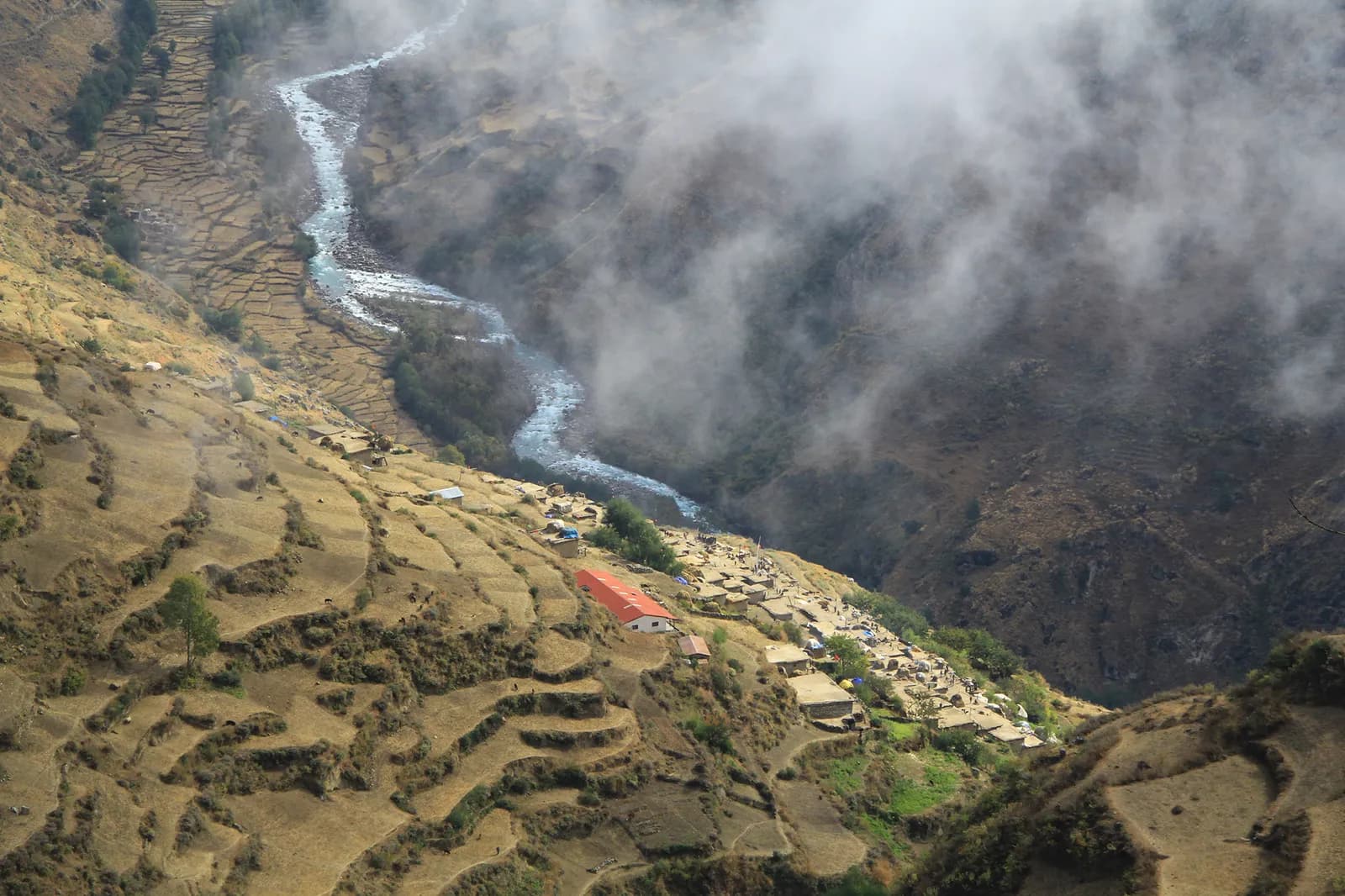
Far west Nepal has three treks worth planning around: Khaptad National Park (10 days, a gentle plateau at about 3,000 m), Api Base Camp (13 days, a remote valley to about 3,860 m) and the Limi Valley (18 days, a restricted-area loop with passes up to about 4,940 m). Choose Khaptad if you want a quiet meadow trek with mild altitude, Api if you want a steep wilderness valley with homestays and a base camp under a 7,132 m peak, and Limi if you want the most remote Tibetan-influenced villages in Nepal and can accept an agency, a permit and flight delays. All three need a long approach by air and road, which is why they are quiet.
The table compares them on the factors that decide the trip. Each trek has its own guide and route page, linked below.
| Khaptad | Api Base Camp | Limi Valley | |
|---|---|---|---|
| Route page | Khaptad National Park trek | Api Base Camp trek | Limi Valley trek |
| Days from Kathmandu | 10 | 13 | 18 |
| High point | Sahashra Linga about 3,276 m | Api Base Camp about 3,860 m | Nyalu La about 4,940 m |
| Difficulty (pack) | moderate | hard | hard |
| Fly to | Dhangadhi | Dhangadhi | Nepalgunj, then Simikot |
| Road | 8 to 9 h to Silgadhi | about 8 h to Gokuleshwar | none; on foot from Simikot |
| Permit | park fee NPR 3,000 | conservation area NPR 2,000 | restricted area USD 50 first week |
| Best months | Mar to May, Oct to Dec | Apr to May, Sep to Nov | Apr to Jun, Sep to Nov |
Trip terbuka di Api Base Camp Trek
Trip sebenar yang disiarkan oleh pendaki yang mencari rakan.
Khaptad: the gentle one
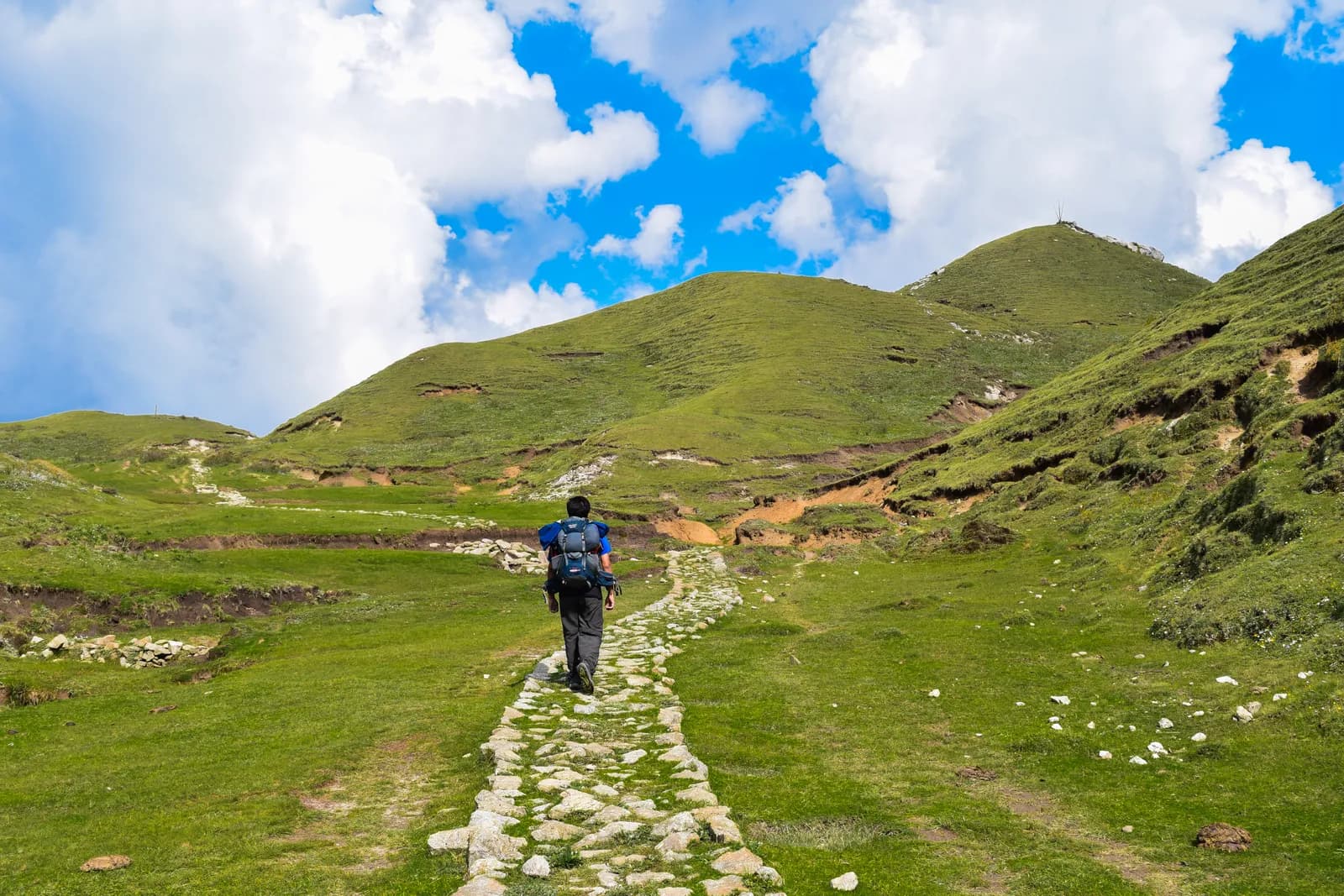
Khaptad is a plateau of rolling grass called patan at about 3,000 m, with oak, pine and rhododendron on the edges, a lake called Khaptad Daha and the ashram of Khaptad Baba. The park covers 225 square kilometres across Bajhang, Bajura, Achham and Doti districts and was established in 1984. The walk starts at Silgadhi, climbs a long valley road day to Jhigrana, a steep forest path to Bichpani Camp and an almost level crossing to Khaptad. Lodging is sparse, so expect tents on the plateau. Our Khaptad guide has the day plan.
Api: the steep valley
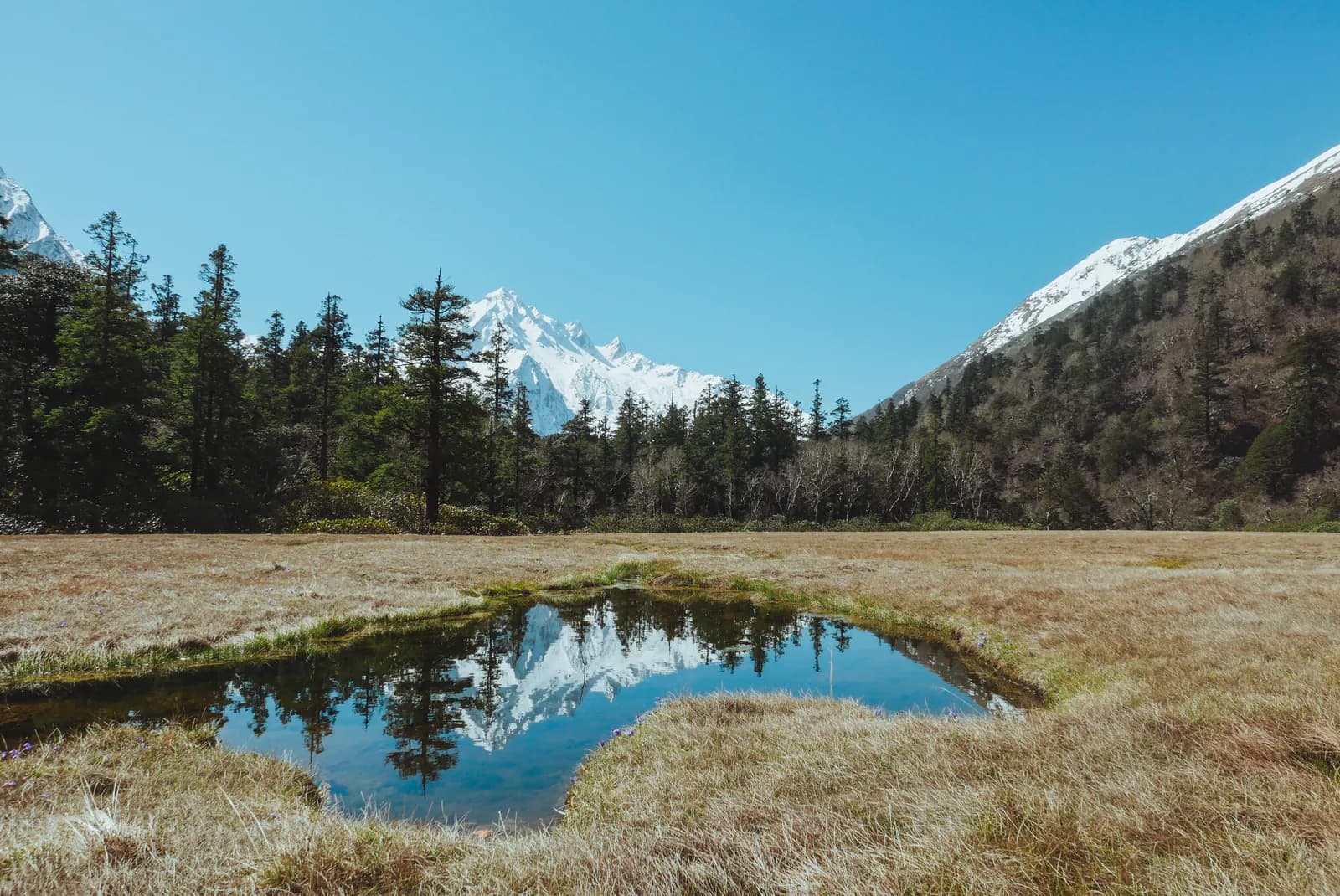
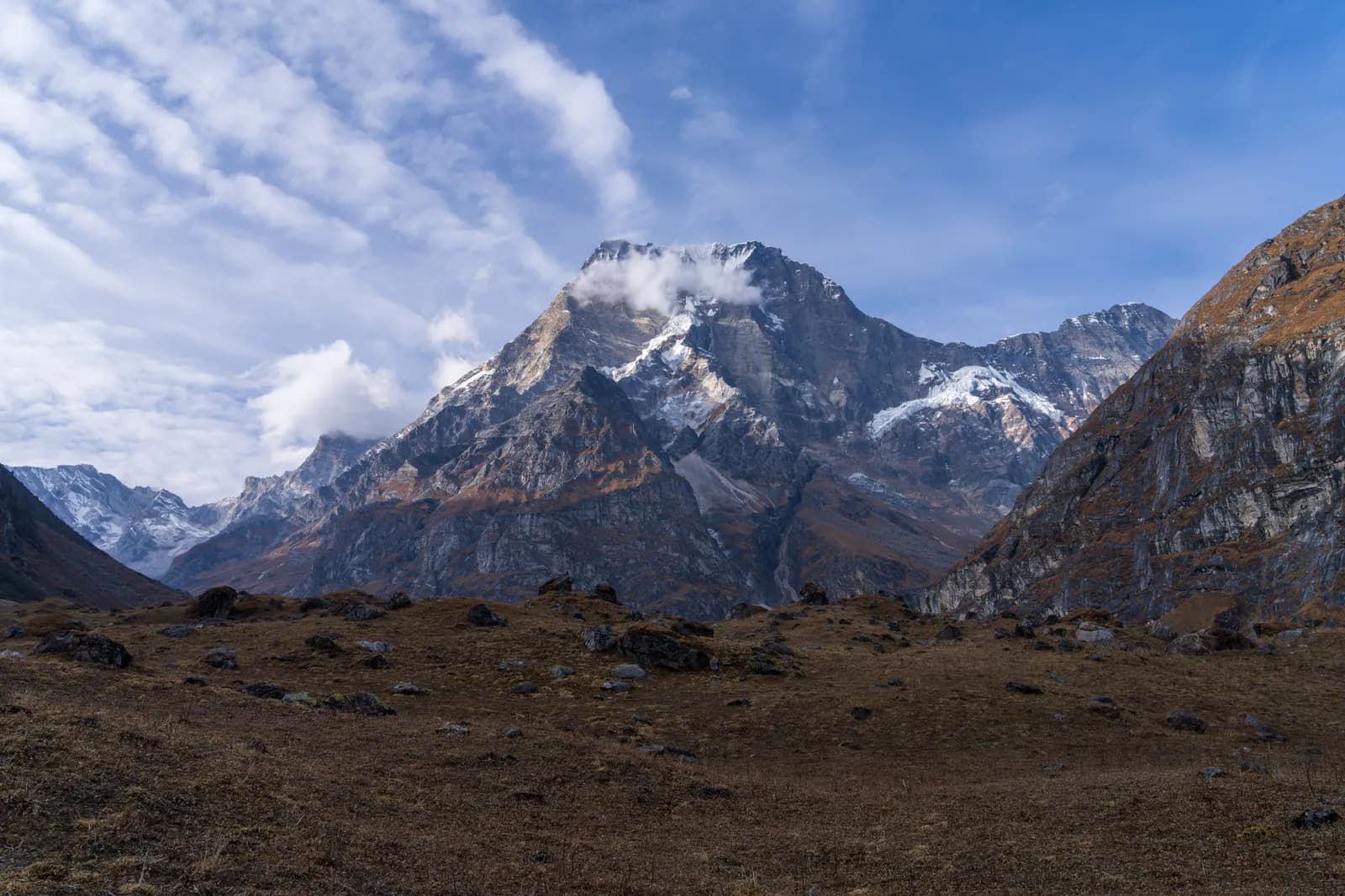
Api Base Camp lies in the Api Nampa Conservation Area of Darchula, below Api (7,132 m). After flying to Dhangadhi and driving about eight hours to Gokuleshwar, the walk climbs from warm terraced valleys through Makarigaad and Siti, where there are homestays, to the meadows of Domal and a tent camp at Dhaulo Odar (about 3,550 m). The toughest walking day is the climb to Siti, and the base camp itself is an out-and-back day. The permit position needs checking, because operators disagree on a restricted-area permit. See our Api Base Camp guide.
Limi: the remote one
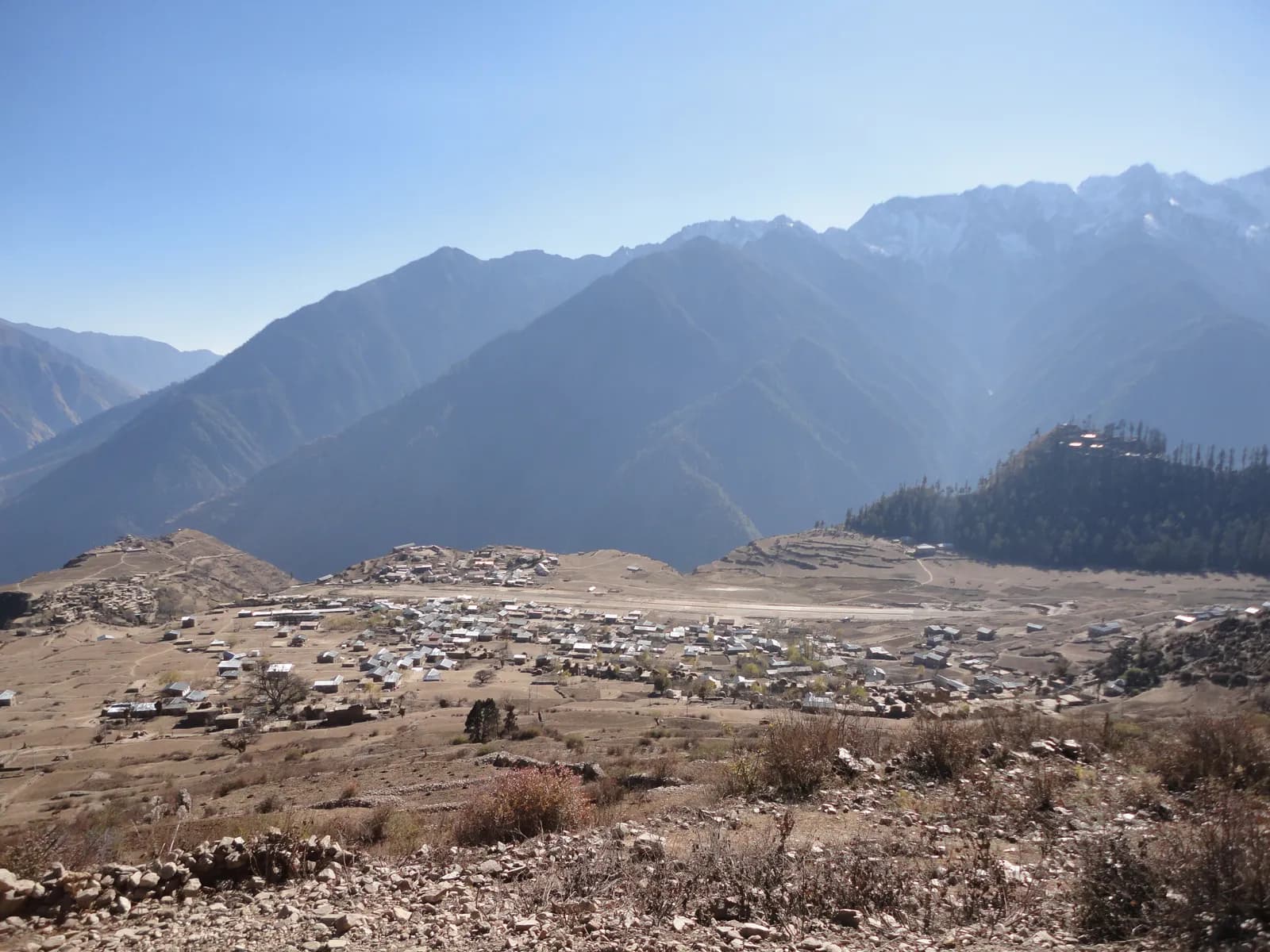
The Limi Valley loop flies from Kathmandu to Nepalgunj and on to Simikot, follows the Humla Karnali to Hilsa on the Tibet border, crosses the Nara La (about 4,620 m), visits Til, Halji and Jang, and returns over the Nyalu La. Humla is a restricted area, so a registered agency, a licensed guide and, per operators, two foreigners are required. Our Limi Valley guide covers the details.
Homestays, tents and what to expect at night
Lodging differs sharply. Khaptad has sparse lodges, tents at Bichpani Camp and on the plateau, and homestays or lodges in the villages. Api has homestays at Siti and Makarigaad and tents above, where the crew cooks every meal. Limi has few teahouses at all, and operators run it as a camping or homestay trek with a cook and porters, because facilities are scarce. In practice that means you do not choose your lodge: the agency chooses your camps, and your comfort depends on the crew. Ask each agency what the crew carries, what the tents are rated for, how many porters there are and whether they have proper sleeping bags and boots. Bring a sleeping bag rated well below freezing for all three, since the plateau, Dhaulo Odar and Talung are cold at night.
Flights, roads and why you need buffers
Flights in the far west are the most likely to be cancelled, and the Simikot airstrip is weather dependent, with delays the most common cause of trouble on the Limi trek. The roads to Silgadhi and Gokuleshwar take eight to nine hours each way and can be blocked by monsoon landslides. Build one spare day at the end of Khaptad and Api, and at least two for Limi, and do not book an international flight the next day. For the approach to Rara and Dolpo, which share the Nepalgunj gateway, read getting to Rara Lake and getting to Dolpo.
Permits and the guide rule
Khaptad is not a restricted area, and the Nepal Tourism Board's Bajhang entry covers only Saipal Rural Municipality. Its park entry fee is NPR 3,000 for foreigners. Api Nampa's conservation area fee is NPR 2,000, and the restricted-area question is open. Humla is restricted. In restricted areas (13 districts, including Manaslu, Upper Mustang and Upper Dolpo) a licensed guide through a registered agency is part of the permit, and the Department of Immigration reminded stakeholders of this in June 2026. For national parks and conservation areas the written rule is the Nepal Tourism Board announcement of April 2023, and 2026 operator reports say checkpoints enforce it in Annapurna (ACAP) and Langtang, the strictest, and most other parks, but not in Khumbu (checked 19 October 2026). We found no checkpoint report for Khaptad or Api Nampa themselves, so ask your agency what it expects. The guide rule by region page keeps the dated wording and our permits overview covers the system.
Costs and sharing
The pack's dated cost data (checked 18 October 2026) gives a guide day rate of NPR 4,000 to 6,000 and a porter day rate of NPR 2,100 to 3,400 for all three regions, with 8 guide days for Khaptad, 11 for Api and 16 for Limi. The Kathmandu to Nepalgunj return flight is about NPR 13,400 to 18,800 (USD 100 to 140 each way), and the other flights and the far-west road legs have no published fare in our sources. Because crews, vehicles and tents cost the same for one trekker as for three, these are the treks where finding a partner cuts the bill most. Compare the Khaptad partner page, the Api Base Camp partner page and the Limi Valley partner page, and read how matching works on the trekking partner hub.
Seasons side by side
April to May and September to November are the shared windows for Api and Limi, with Limi also open in June. Khaptad's window is longer, March to May and October to December, but winter snow closes the park from late December to the end of February, according to the Great Himalaya Trail page. The monsoon is the wrong time for any of them: it brings landslides on the roads, leeches on the lower trails and cancelled flights. If you can only travel in one window, October and November are the safest choice for all three, though Limi's villages can see frost by October and the nights above Hilsa are cold. Our best time to trek in Nepal guide compares the months across the country.
Which to choose
If it is your first far-west trek, take Khaptad. If you have trekked at altitude and want a wilderness valley, take Api, once your agency confirms the permits. If you want remoteness and culture and can spare three weeks, take Limi. For other regions start from the Nepal trekking regions guide.
Rancang trek ini
Foto
Soalan lazim
Sumber
- Khaptad National Park (Great Himalaya Trail)
- Api Nampa Conservation Area (Wikipedia)
- Limi Valley Trek 18 days (Travels with Teri)
- Nepal Tourism Board: Trekking Permit (restricted areas)
- Nepal Tourism Board: Park Entry Fees
- Diplomat Nepal: Department of Immigration reinforces mandatory guide rule for trekking in restricted areas (13 June 2026)