Rain Protection and Gear for Monsoon Treks in Nepal
How to stay dry and sane on a monsoon trek: rain shell and overtrousers, pack covers and dry bags, gaiters for leeches, quick-dry clothing, and which rain-shadow routes such as Upper Mustang need less of it.

For a monsoon trek in Nepal, pack a waterproof jacket with a hood and overtrousers, a pack cover and dry bags inside the pack, gaiters for leeches, quick-dry clothing and a spare dry set for the evening, and consider a rain-shadow route such as Upper Mustang, where much less of it is needed. The goal is not to stay dry while walking, which is unrealistic in heavy rain, but to arrive at the lodge with one set of clothes and your sleeping bag still dry. Everything in this list serves that goal.
This guide extends the Nepal trek packing list, which already says that for the monsoon you want a serious rain shell, waterproof trousers, a pack cover, gaiters for leeches and quick-dry clothing. Read our monsoon trekking guide for the weather and route choices, and trekking in Nepal in July and September for the months. The hub is the gear and packing category.
Upper Mustang Trek (Lo Manthang)의 모집 중인 여행
파트너를 찾는 트레커들이 올린 실제 여행입니다.

How the monsoon changes the list
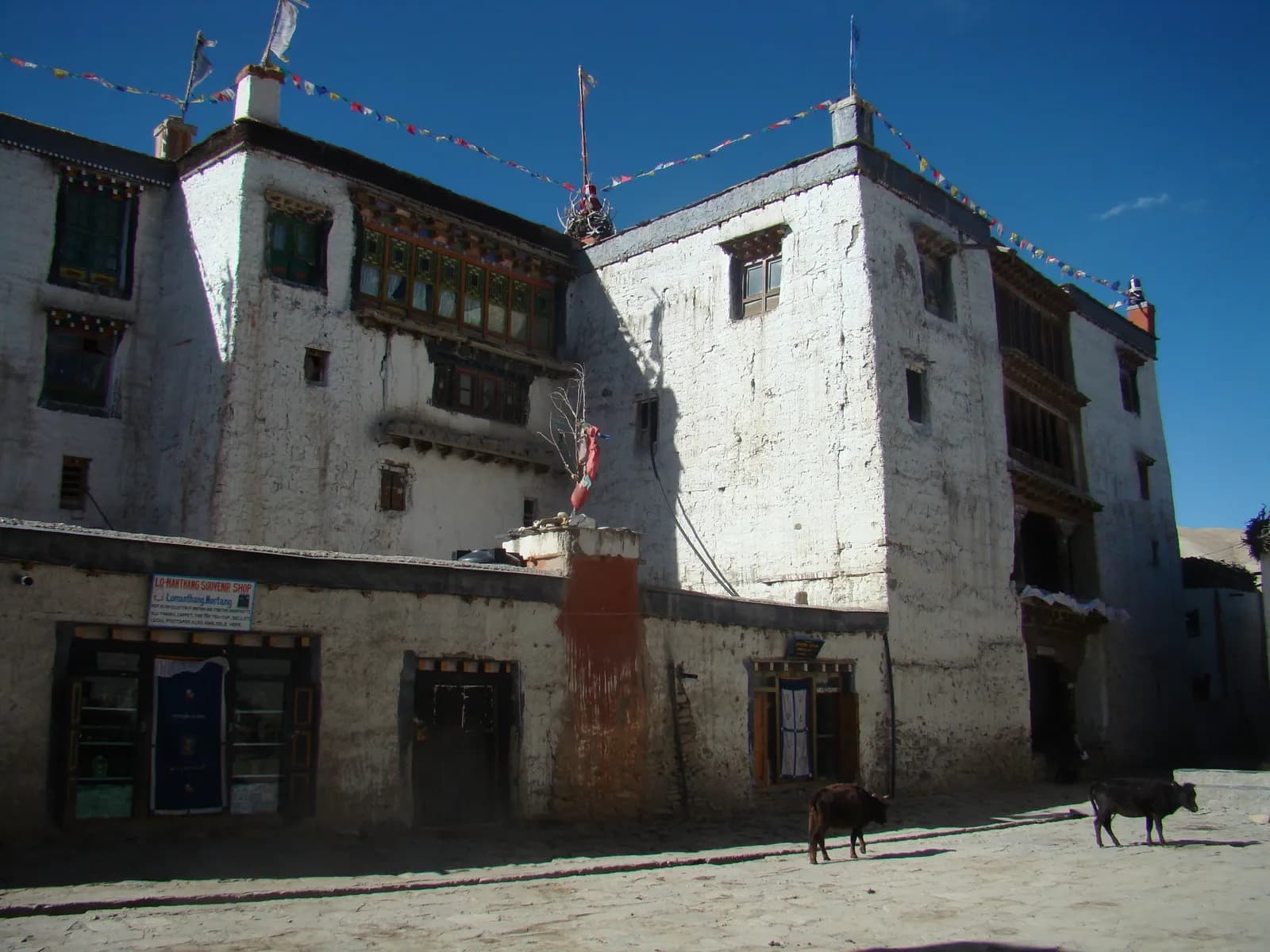
The monsoon brings rain, cloud, landslides, leeches and flight disruption. Our monsoon guide separates the geography: south-facing valleys such as the Everest approach, the lower Langtang valley, the Annapurna foothills and the lower Manaslu valley get heavy rain, cloud, landslides and leeches, while rain-shadow valleys behind the high ranges, such as Upper Mustang and upper Manang, stay much drier. Your gear depends on which you choose.
| Route | Monsoon exposure | Gear emphasis |
|---|---|---|
| Upper Mustang | Rain shadow; season runs March to November in our region data | Wind and sun more than rain; a shell is still needed on the way in |
| Annapurna Circuit | Wet lower Marsyangdi valley; drier above Manang and in the Kali Gandaki | Full rain kit for the first days |
| Langtang Valley | Heavy rain and leeches in the lower valley | Full rain kit and gaiters |
| Poon Hill and the Annapurna foothills | Heavy rain, cloud and leeches | Full rain kit, gaiters |
The waterproof layer
Choose a jacket with a hood, a storm flap over the zip and taped seams, and waterproof overtrousers, ideally with side zips so you can put them on over boots. A jacket and overtrousers beat a poncho, which flaps in wind, does not protect your legs and can catch on branches. Check the seams and zips of any rental before you leave the shop, and test it in a shower if you can. Wear the shell over quick-dry layers rather than a cotton shirt that will not dry; our packing list says no cotton.
A realistic expectation helps: in heavy rain you will get damp from your own sweat under the shell. Open the zips, slow down on climbs and accept that dry means dry at the end of the day.
Keeping the contents dry
The contents of your pack matter more than the pack itself.
- Pack cover: a cover over the daypack helps in showers, but it can be blown off or let water run down the back panel.
- Dry bags inside: put the sleeping bag, spare clothes and electronics in dry bags or heavy-duty bin liners inside the pack. This is the real protection.
- Duffel for the porter: the duffel should be waterproof or lined, with the sleeping bag in its own dry bag, because porters walk in the same rain. See backpack size, daypack and duffel for porters.
- Documents and phone: a waterproof pouch or a zip-lock bag.
- A dry set: one top, one bottom and socks that stay in the dry bag and are worn only in the lodge.
A wet down sleeping bag loses most of its warmth, which is one reason synthetic bags are popular in the wet; see sleeping bag temperature ratings.
Leeches
Leeches are common in the wet months below roughly 2,500 m, according to our monsoon guide; they are an annoyance rather than a danger. Countermeasures include gaiters over the boot top, leech socks, repellent or salt on the boots and checking your legs and socks after each stage. Wikipedia describes gaiters as garments worn over the shoe and bottom of the trouser leg, used against snakebite and for keeping the bottom of the pant-leg dry in snow, and they serve the same purpose against leeches. Tuck trousers into socks, walk briskly through wet vegetation, and flick leeches off rather than pulling them if attached, then clean the bite.
Footwear and socks
Boots should be waterproof but will still get wet inside in a downpour or stream crossing, so bring several pairs of socks and rotate them, drying the day's pair overnight where you can. A pair of camp shoes lets your feet dry in the evening. Trail shoes dry faster than boots; see boots versus trail runners for the trade-off. Foot care matters more in the wet: blisters form faster in damp socks, so apply tape at the first hot spot.
Clothing and drying
Quick-dry synthetic or merino layers dry faster than anything else and stay warmer when wet than cotton. Expect clothes to dry slowly in lodges, where a stove or the dining room is the only drying space and humidity is high. Plan a rotation: one set for walking, one for the evening, one spare. Hang wet items in the dining room, not in your sleeping bag.
Health and the monsoon
Wet and cold increases chill risk, so keep a warm layer for stops and a hot drink ready. Altitude rules are the same in the monsoon: the NHS advises not sleeping more than 500 m higher than the night before above 3,000 m and resting at the same height if symptoms appear; see altitude sickness basics. Stomach problems are more common when streams run high and food hygiene is stretched, so keep to your purification routine.
Transport and landslides
Rain affects the road more than the trail. Landslides can close roads such as the drive from Kathmandu, and flights to places like Jomsom depend on the weather, so add spare days and avoid tight onward connections. Our monsoon guide covers these risks. If you are heading to Upper Mustang, which sits in the rain shadow, the flights from Pokhara to Jomsom still depend on cloud and wind; see Pokhara to Jomsom: flight versus jeep.
Permits and the guide rule
Permits do not change with the season. The ACAP entry permit is NPR 3,000 for foreigners as of October 2026, and Upper Mustang needs a restricted-area permit (USD 50 per day at the Nepal Tourism Board rate). A licensed guide through a registered agency is required in restricted areas (Department of Immigration) and, under the Nepal Tourism Board rule of April 2023, in national parks and conservation areas, where 2026 operator reports say checkpoints enforce it in Annapurna and Langtang but not in Khumbu (checked 19 October 2026). See /guide-rule-nepal.
Is it worth it?
The trade-off is fewer people and green, lush scenery against rain, cloud and disruption. If you go, pick a rain-shadow route, keep spare days and pack for dry evenings. If you want clear mountain views, choose another season; see spring versus autumn trekking.
An evening routine for the wet
The evening decides whether the next day is bearable. When you arrive, take off the wet shell and boots at the door, change into the dry set from the dry bag, and hang the wet clothes in the dining room where there is warmth, not in the bedroom. Stuff boots loosely with dry paper if the lodge has some, check your legs and socks for leeches, and clean and cover any bites. Put tomorrow's walking socks in the sleeping bag to take the chill off, and keep the electronics in their bags. Eat and drink well, because a warm meal restores heat. Done every night, this routine means you start each day with one set of dry layers even when the trail has been wet all day.
Sharing the load
Partners can share a repair kit, a first aid kit and spare dry bags, and a shared porter keeps the duffel within the agency limit. See how to find a trekking partner in Nepal safely and the Upper Mustang partner page.