

25 artikel
Altitude and health
Acclimatisation, altitude sickness, first aid, insurance, food hygiene and staying well on a Himalayan trek.
 Foto sampul: Faj2323, CC BY-SA 4.0
hydrationwaterdehydration
How much to drink on a Nepal trek: why no single number fits, the urine-colour test from the NHS, how dryness, cold and effort raise fluid needs, practical routines for lodges and passes, and when thirst is a symptom.
6 menit baca
 Foto sampul: Sahilguraya, CC BY-SA 4.0
periodswomen's healthhygiene
Managing a period on a Nepal teahouse trek: product choices, waste and disposal, washing facilities, delaying a period (what the NHS pharmacy service says), cultural points, and sharing plans with partners.
6 menit baca
 Foto sampul: Bijay Chaurasia, CC BY-SA 4.0
sun protectionsnow blindnessphotokeratitis
Why UV is stronger at altitude and off snow, what the WHO says about photokeratitis (snow blindness), which sunglasses and hat to pack, sunscreen habits, and what to do if your eyes burn on a Nepal pass.
6 menit baca
 Foto sampul: Greg Willis from Denver, CO, usa, CC BY-SA 2.0
frostbitehypothermiacold
How cold injury happens on Thorong La, Cho La, Larkya La and other passes, the NHS first aid for hypothermia and frostbite, the WMS field rewarming rule, prevention by layering and timing, and when to turn back.
7 menit baca
 Foto sampul: Gerd Eichmann, CC BY-SA 4.0
sleepaltitudeperiodic breathing
Why sleep gets worse above 3,000 m, what periodic breathing is, what the CDC says about acetazolamide and sleep aids, practical lodge tips, and when poor sleep is a warning sign.
6 menit baca
 Foto sampul: Goutam1962, CC BY-SA 4.0
kneestrekking polesdescents
How to protect sore or weak knees on a Nepal trek: the descents that hurt most on real routes, how to use poles, pacing and strengthening, what the NHS says about knee pain, and when to see a doctor.
7 menit baca
 Foto sampul: Alexey Komarov, CC BY 3.0
training planfitnessstairs
A week-by-week 12-week plan for a Nepal teahouse trek: aerobic base, leg strength, stairs and loaded walks, built around the NHS activity guidelines and the real day lengths of the Annapurna and Everest routes.
7 menit baca
 Foto sampul: Nabin K. Sapkota, CC BY-SA 4.0
vaccinationshealth prepCDC
What the CDC lists for Nepal travellers, from routine and hepatitis A to typhoid, rabies and malaria, plus the health checks, dental visit and medical review to do 6 to 8 weeks before a high-altitude trek.
7 menit baca
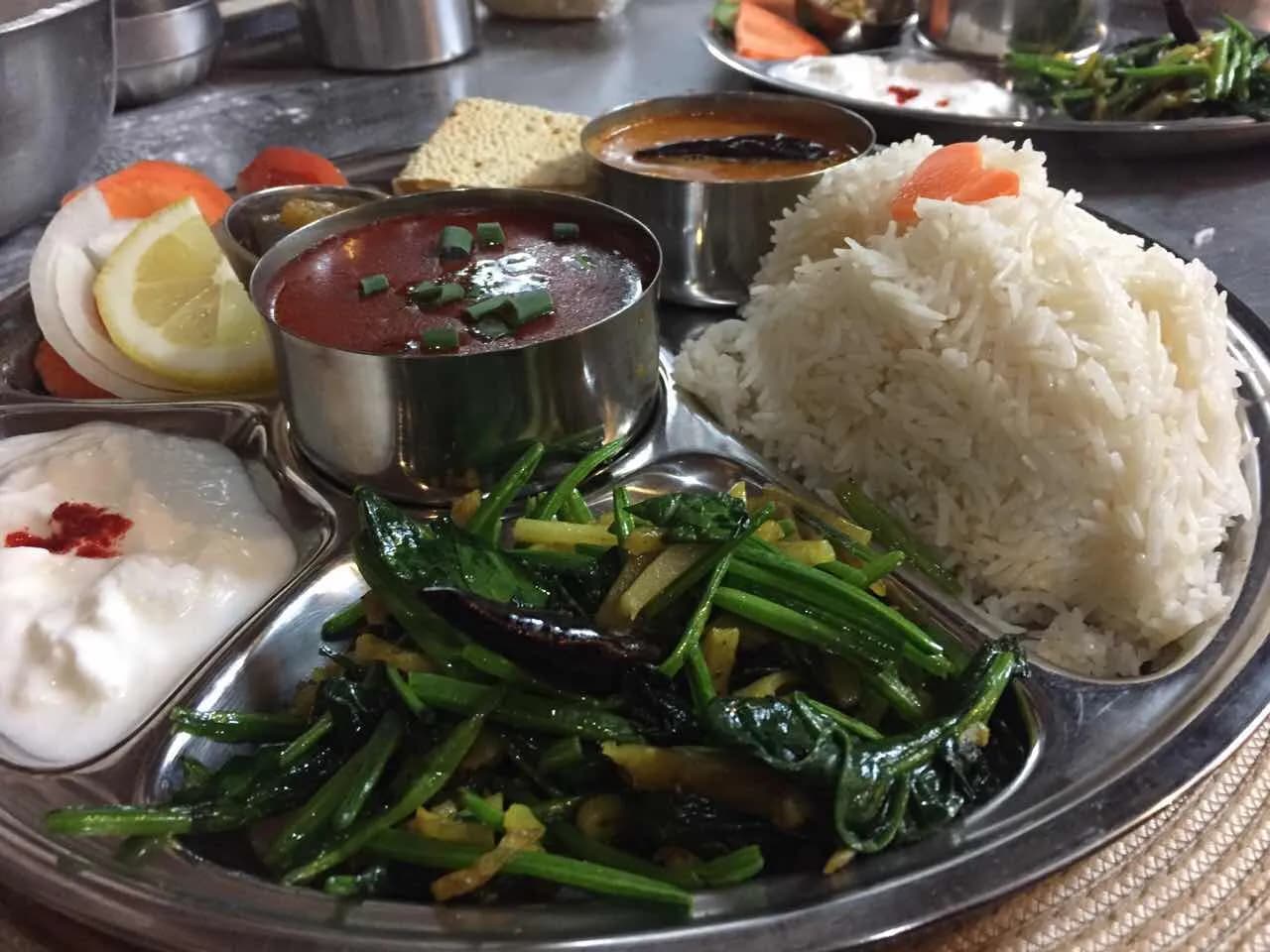 Foto sampul: Tdo1993, CC BY-SA 4.0
food hygienetravellers diarrhoeateahouse food
How to eat safely in Nepal teahouses and what to do if you get a stomach bug: what the CDC says about food rules, rehydration and warning signs, what to order, and how it differs from altitude illness.
6 menit baca
 Foto sampul: Vyacheslav Argenberg, CC BY 4.0
water purificationfilterschlorine dioxide
How to make water safe on a Nepal trek: boiling at altitude, chlorine dioxide, filters, UV pens and what lodges sell, with the CDC's notes on which method kills which germ and how to share a system.
6 menit baca
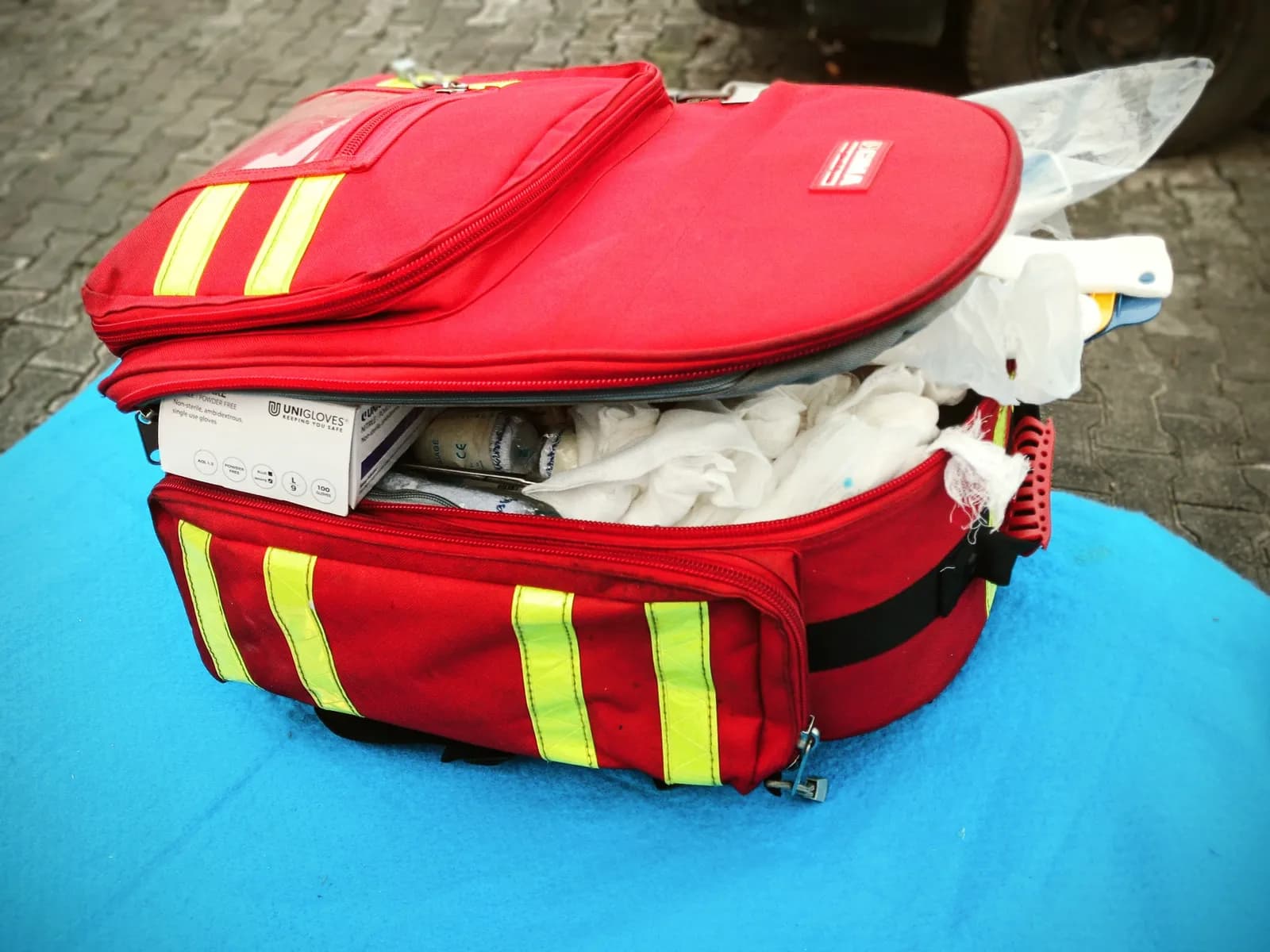 Foto sampul: ABORISADEADETONA, CC0
first aid kitmedical kitblisters
A realistic first aid kit for a Nepal teahouse trek: blisters, stomach, pain, cuts, cold and altitude items, what to discuss with a doctor, what to leave out and how to share a kit between partners.
7 menit baca
 Foto sampul: valcker from Paris, CC BY 2.0
helicopter evacuationrescueinsurance
How a helicopter rescue on a Nepal trek unfolds, who pays, why weather causes delays, what drives the bill, why we publish no price, and what to do when a guide or lodge says you need one.
8 menit baca
 Foto sampul: Nir gurung, CC BY-SA 4.0
travel insurancehelicopter evacuationaltitude cover
What a travel policy needs for a Nepal trek: altitude ceiling, helicopter evacuation, delays and repatriation, how to match cover to your route's high point, and the questions to ask before you buy.
7 menit baca
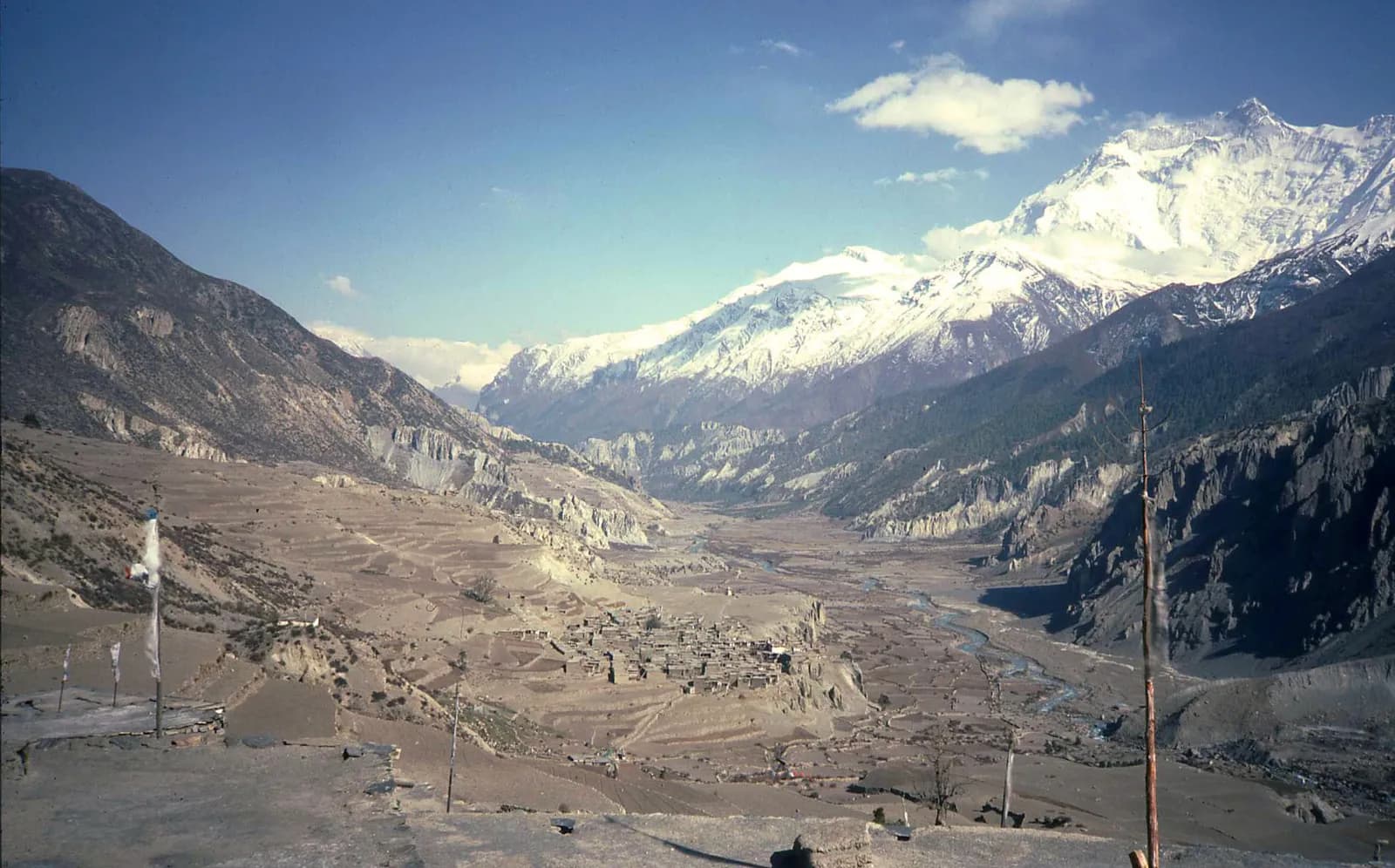 Foto sampul: Smiley.toerist, CC BY-SA 3.0
sleeping altitudeacclimatisationclimb high sleep low
What the 300 m sleeping-altitude rule really is, how it differs from the 500 m limit in CDC and NHS advice, and a night-by-night check of the Annapurna Circuit and Everest Base Camp plans.
7 menit baca
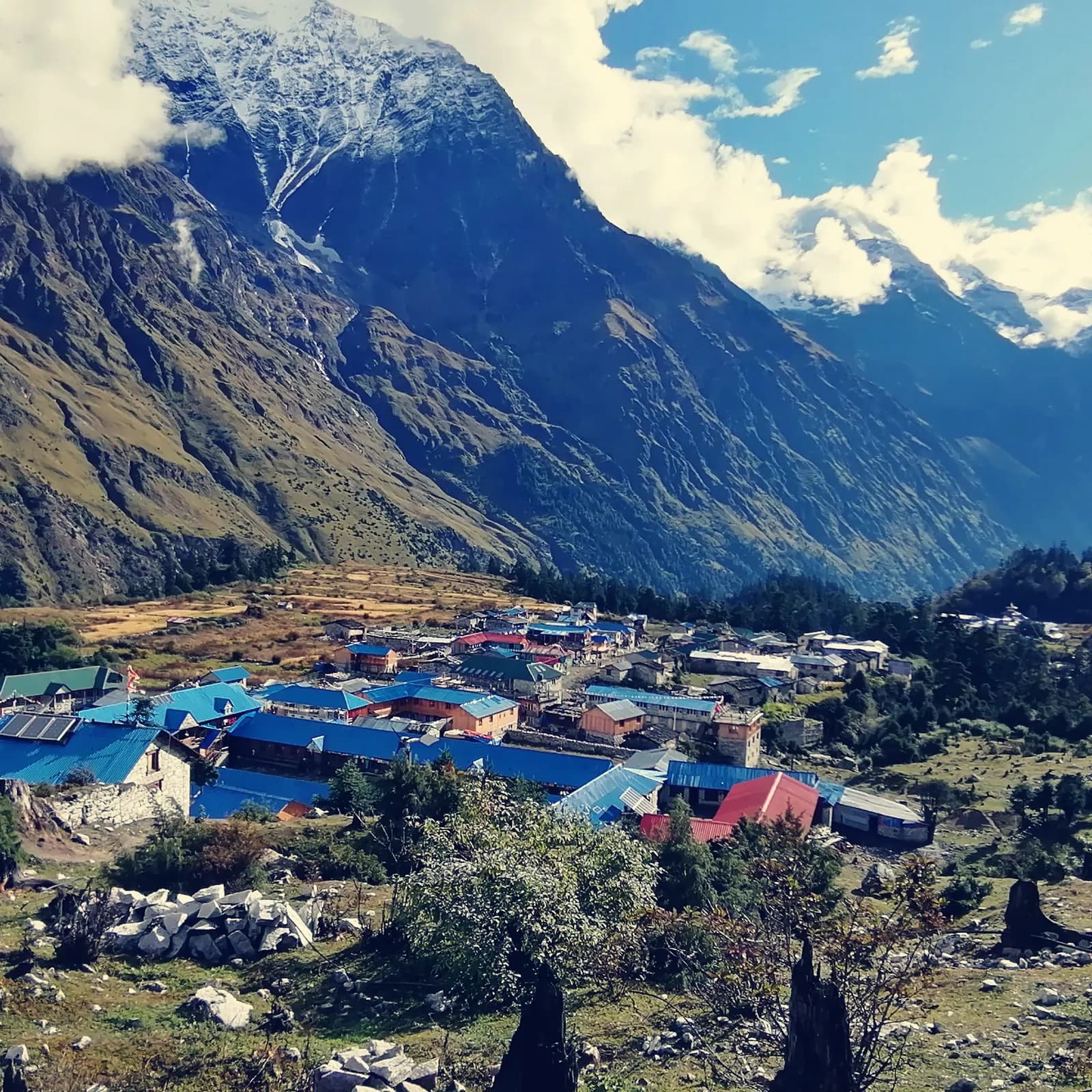 Foto sampul: Shivagautam1, CC BY-SA 4.0
fatiguemoralelong treks
Day 8 of a 14-day trek is when many people hit a wall. Why fatigue and low mood build up on long Nepal treks, how to tell tiredness from altitude illness, and practical ways to keep going and to look after a partner.
6 menit baca
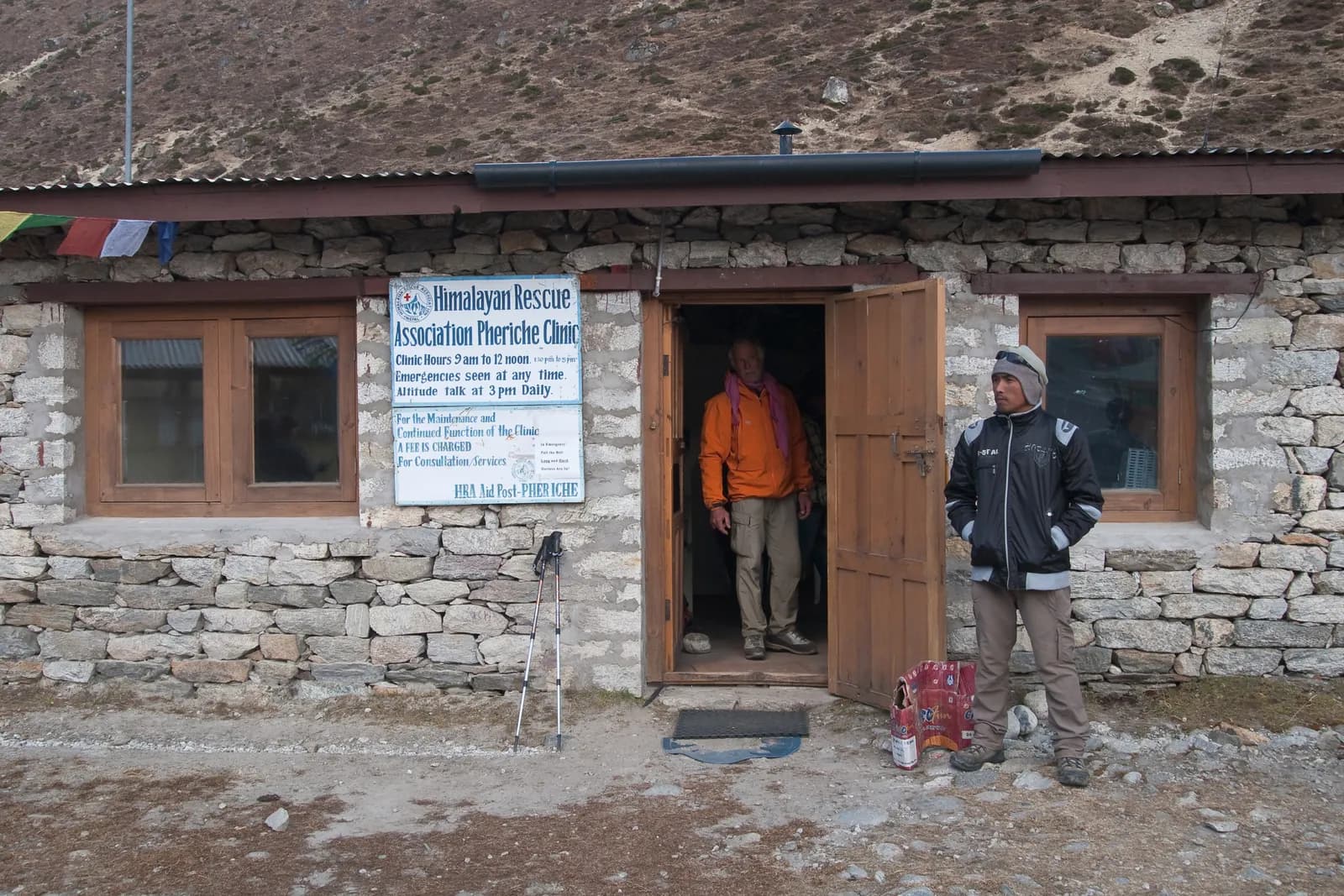 Foto sampul: Vyacheslav Argenberg, CC BY 4.0
asthmadiabetespregnancy
Trekking at altitude with asthma, diabetes or pregnancy is a medical decision before it is a route decision. What the CDC and NHS say, what to ask your doctor, how to plan lower and slower, and what to tell your guide.
7 menit baca
 Foto sampul: Bijay Chaurasia, CC BY-SA 4.0
childrenfamily trekkingaltitude
There is no official height limit for children on Nepal treks, but there are sensible ones. How to choose routes under about 3,000 m, pace the days, spot trouble in a child who cannot say what hurts, and plan the logistics.
7 menit baca
 Foto sampul: Stefan Bellini, CC0
pulse oximeteraltitude sicknessspo2
A pulse oximeter shows oxygen saturation, which always falls as you climb. What a reading can and cannot tell you on a Nepal trek, why symptoms matter more than the number, and how to use one sensibly.
6 menit baca
 Foto sampul: Superikonoskop, CC BY-SA 3.0
altitudesymptomsacclimatisation
Which altitude symptoms are common and expected to ease, and which mean descend now, walked day by day through the Everest Base Camp plan with real sleeping altitudes and NHS and CDC guidance.
7 menit baca
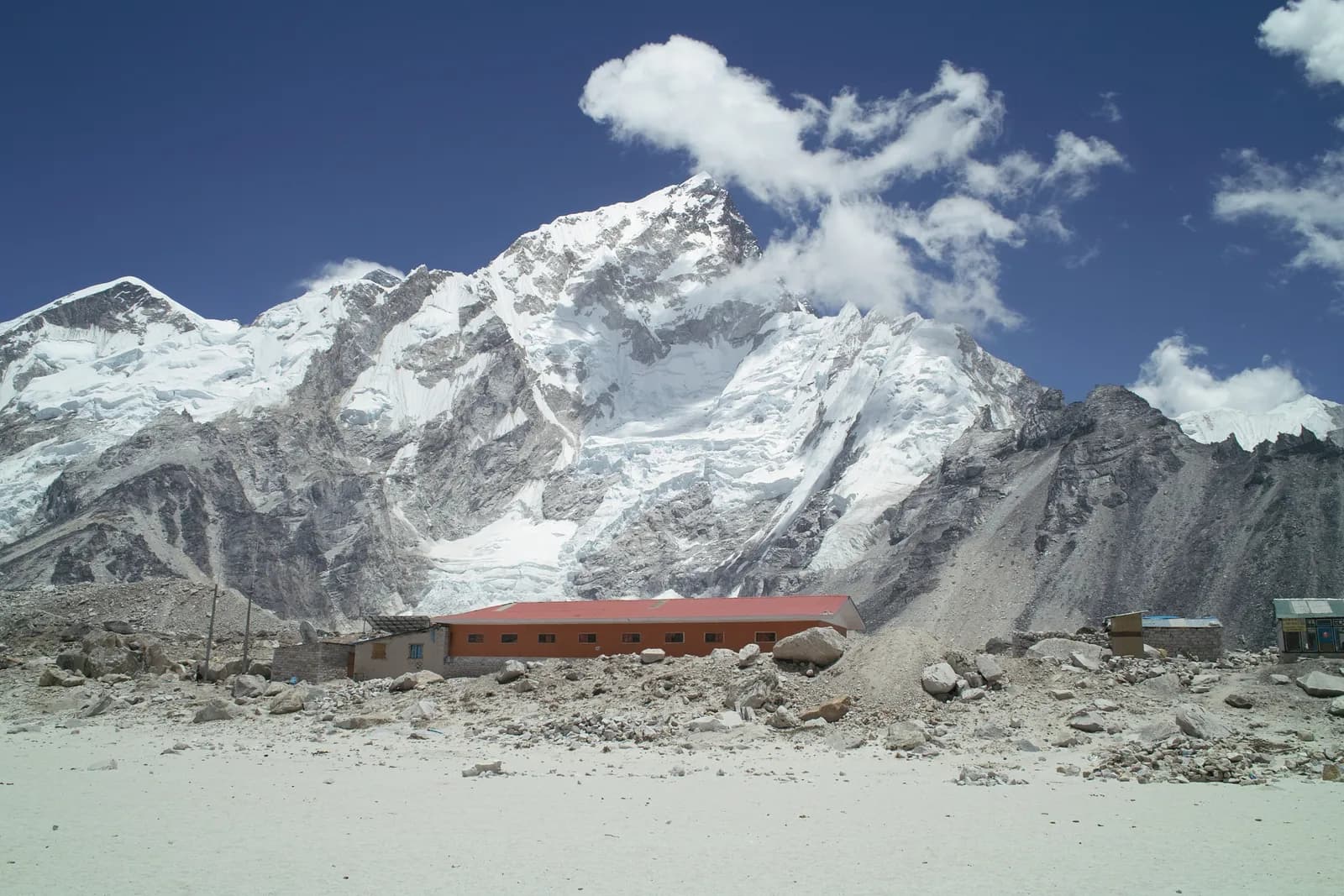 Foto sampul: Maxim VanBest Dynasty, CC BY-SA 2.0
diamoxacetazolamidealtitude
What acetazolamide (Diamox) does and does not do on a Nepal trek, the doses the CDC lists, side effects, cautions, how it fits Everest and Annapurna plans and what to ask your doctor.
7 menit baca
 Foto sampul: Vyacheslav Argenberg, CC BY 4.0
hapehacealtitude
How to recognise high-altitude pulmonary edema and cerebral edema on a Nepal trek, why the first response is always descent, what the CDC and NHS say, and how guides, HRA posts and rescue fit in.
7 menit baca
 Foto sampul: Vyacheslav Argenberg, CC BY 4.0
hraclinicsrescue
What the Himalayan Rescue Association aid posts at Pheriche and Manang are, when they open, what the altitude talks cover and how to use them without relying on them.
7 menit baca
 Foto sampul: Sunny Shrestha, CC BY-SA 4.0
acclimatisationrest daysaltitude
Where the rest days belong on Everest Base Camp and the Annapurna Circuit, what to do on them, which villages suit them and when to add a third.
7 menit baca
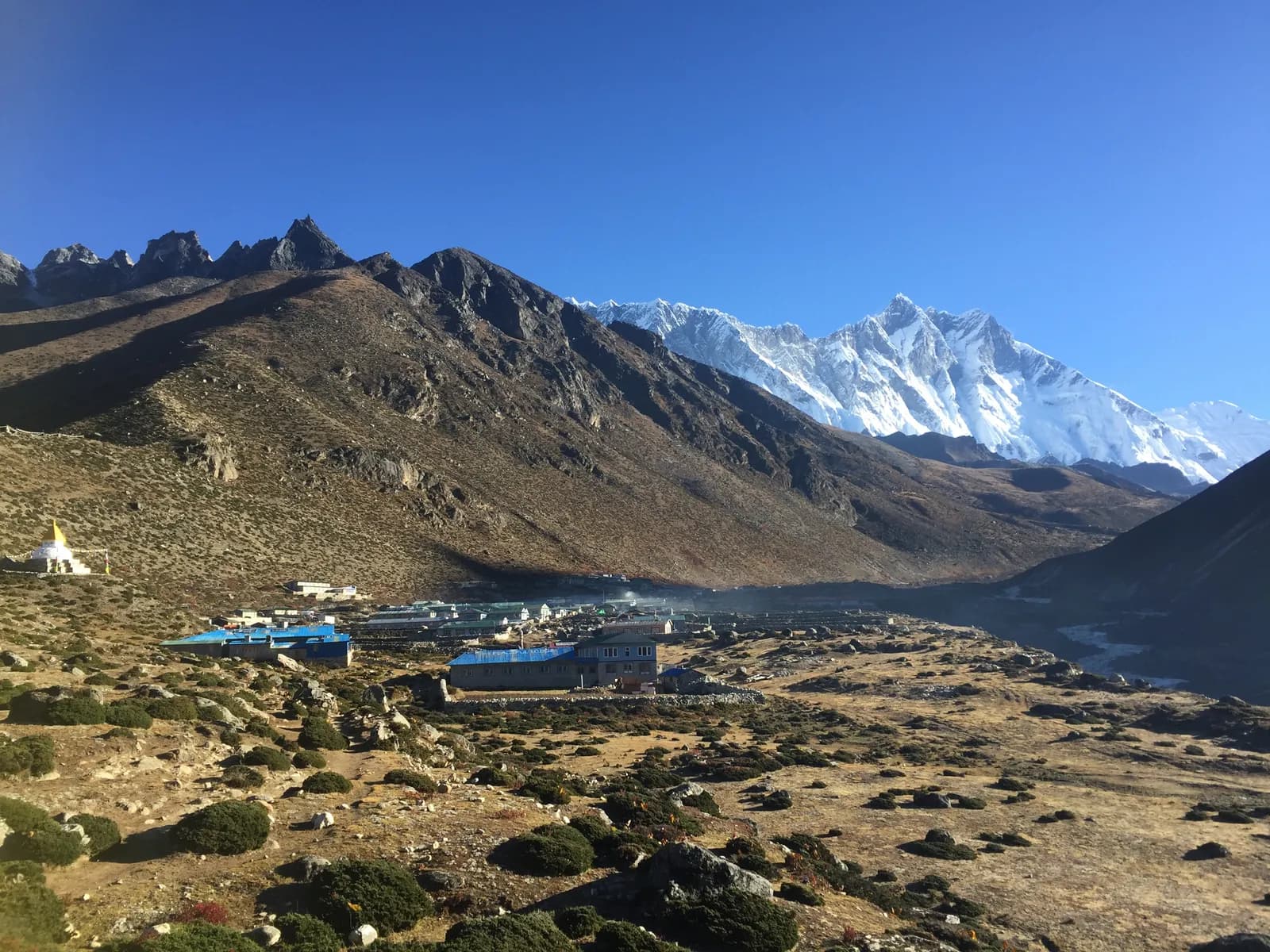 Foto sampul: DARIO SEVERI, CC BY-SA 4.0
acclimatisationaltitudeitinerary
How many metres you can climb per night, where the rest days go and a worked sleeping-altitude schedule for Everest Base Camp and the Annapurna Circuit.
6 menit baca
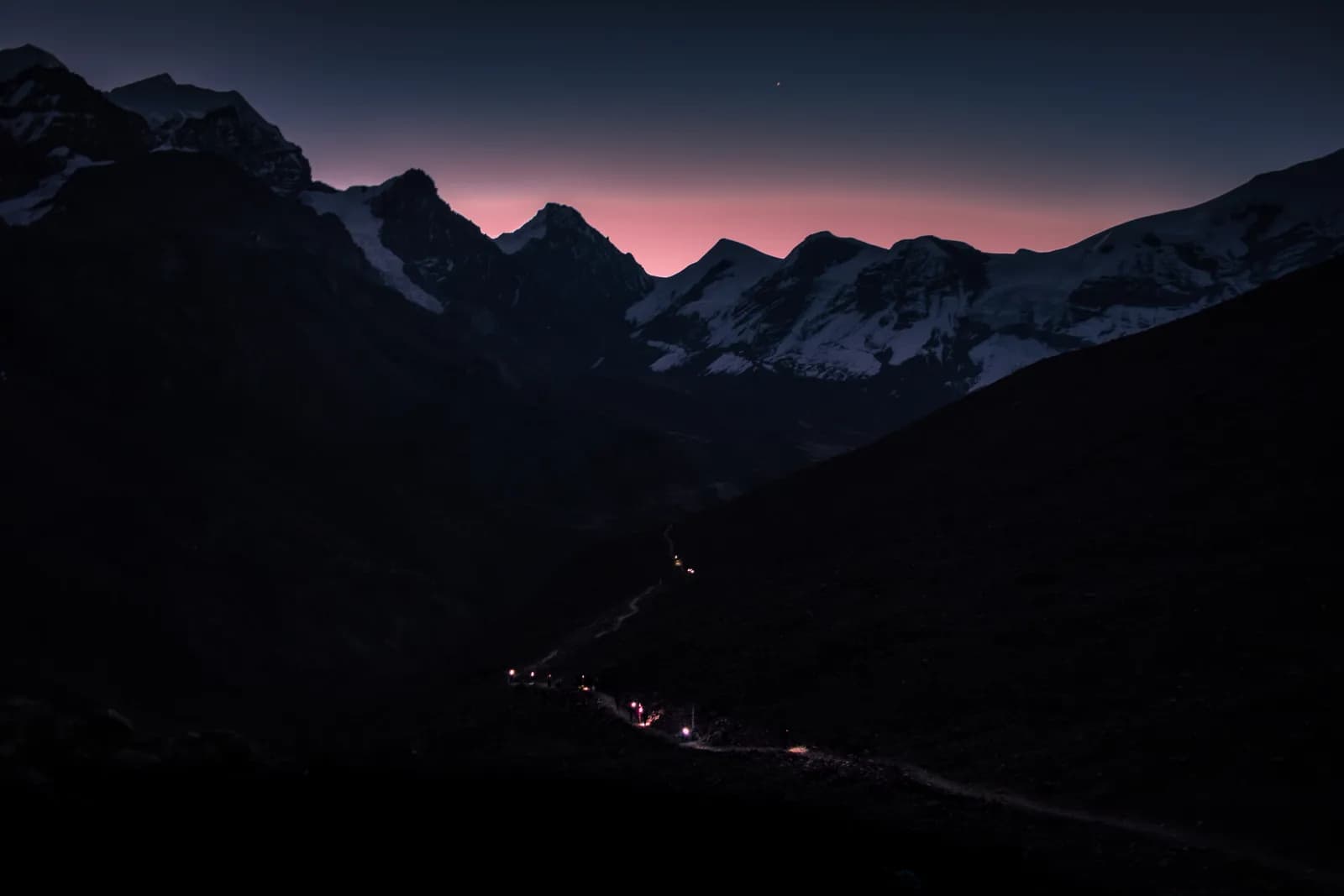 Foto sampul: Anil Bhatta, CC BY-SA 4.0
safetyaltitudehealth
How to recognise, prevent and respond to acute mountain sickness, HAPE and HACE on a Himalayan trek, with real sleeping-altitude numbers from Everest and Annapurna.
6 menit baca