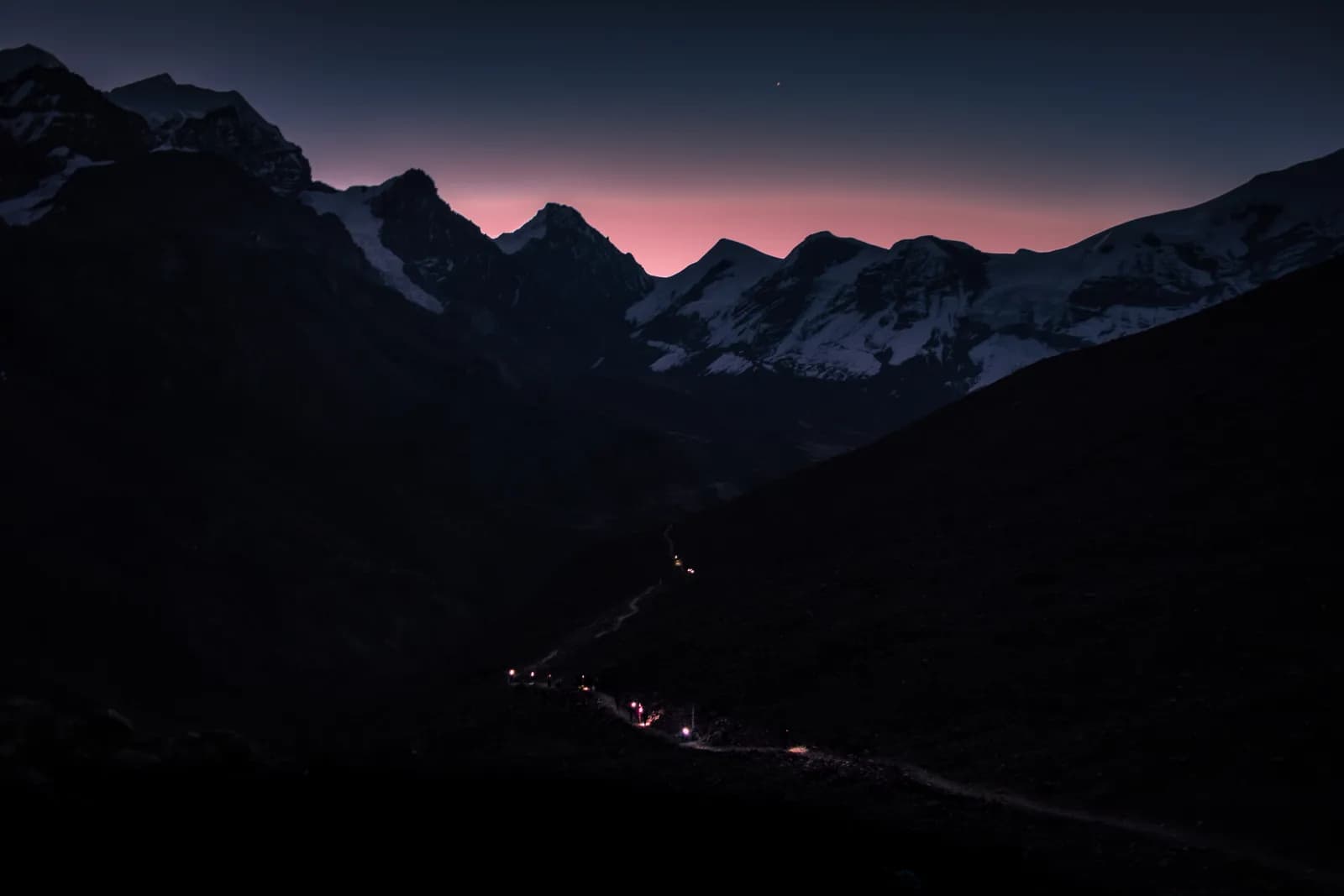
Is Nepal safe for trekkers in 2026? Crime, trail risks and scams
A dated look at how safe Nepal is for foreign trekkers in 2026: crime in Kathmandu, trail and altitude risks, weather and transport, helicopter scams, and solo and female safety, with government advisories as sources.
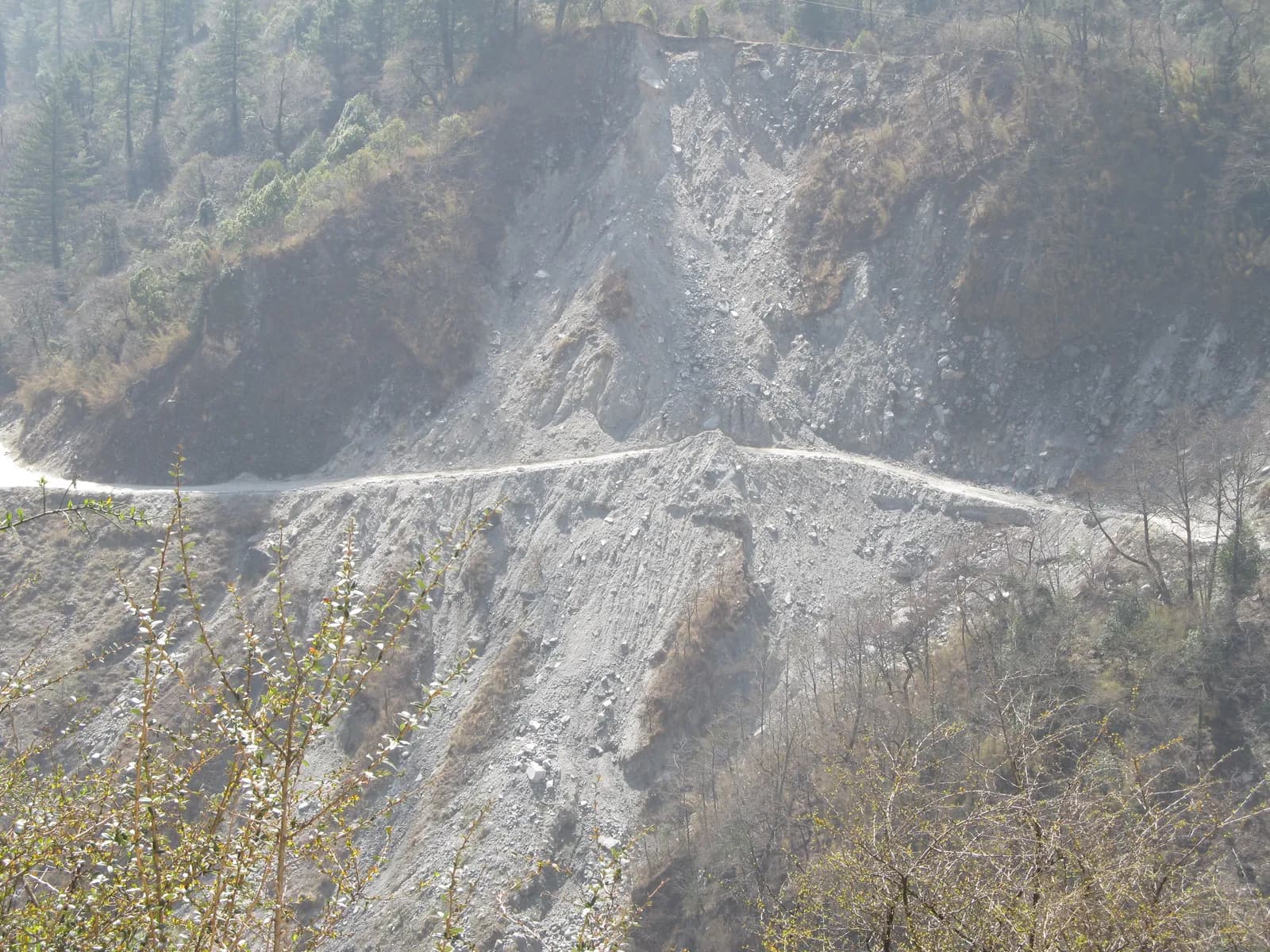
For most foreign trekkers Nepal is a safe country to walk in, and the risks that matter are altitude, weather and road travel more than crime. On the UK Foreign Office page we read on 25 October 2026, serious crime is described as relatively rare, while pickpocketing and bag-snatching occur in airports, on buses and in tourist areas of Kathmandu, protests and strikes can start suddenly and turn violent, and the monsoon (roughly June to October) brings floods and landslides that can cut roads for days. Above 3,000 m the same page lists storms, avalanches, altitude sickness and strong sun. That is a realistic picture rather than a reason to stay home. This guide goes through each risk, what the advisories actually say, where we could not check a source, and how to lower your odds. It is as of October 2026, and advisories change, so read the originals before you fly.
Everest Base Camp Trek के ओपन ट्रिप
पार्टनर खोज रहे ट्रेकर्स के असली ट्रिप।

What do the official advisories say?
We read the UK Foreign Office safety page on 25 October 2026. It does not state a date of last update on the page content we retrieved, so we cannot tell you how recent each line is. The US State Department advisory could not be retrieved that day (the server returned a refusal), so we cite it as a source to read yourself and do not quote its level. If the two governments rate Nepal differently when you read them, that is normal: advisories weigh protests, terrorism and consular capacity, not trail conditions. The Nepal Tourism Board publishes official trekking rules and notices but is a promotion body, not a safety rating agency. For trail conditions and medical advice, the Himalayan Rescue Association is the best published source we know.
Crime in Kathmandu and Pokhara
The Foreign Office names Thamel, Sanepa and Kupondol as places where pickpocketing and bag-snatching occur, and says assaults and robberies are likelier at night in poorly lit areas. It also reports that women have been assaulted in tourist areas, especially after dark, and warns against accepting drinks from strangers or leaving a drink unattended. It adds that methanol in alcohol cannot be detected by taste or smell and can be fatal. Practical steps: keep your passport and cash in a hidden pouch, use a registered taxi after dark, and photograph your documents. Our theft and valuables guide covers trail theft and teahouse storage, and Kathmandu airport to Thamel covers the first night.
Protests, strikes and transport
Strikes and protests can close roads and trigger curfews, per the Foreign Office. Follow local media and your hotel, and keep a buffer day before an international flight. Road accidents are described there as a leading cause of death and injury, and the same page advises avoiding overcrowded buses and night travel. No Nepali airline meets international safety standards according to the Foreign Office, and there have been fatal crashes involving planes and helicopters. That is the official position, not our own rating. If you fly in the mountains, expect weather delays; our posts on road and jeep safety, shared jeep, private jeep or bus and mountain weather and Lukla flight delays help you plan.
Trail and altitude risks
Altitude illness is the main medical risk on popular routes. Read altitude sickness basics, the acclimatisation schedule and the guide to HAPE and HACE warning signs. The rule is simple: do not go higher with worsening symptoms, and descend if they do not improve. Clinics run by the Himalayan Rescue Association operate seasonally in Manang and Pheriche, as described in our clinics post.
Other trail risks are less dramatic but real: yaks, mules and suspension bridges, landslides and flooded rivers, wildlife, getting lost, and cold on high passes. The Foreign Office warns of sudden storms, avalanches and crevasses above 3,000 m.
Route guides give the altitude profile for each day: see Everest Base Camp and the Annapurna Circuit.
Weather and season
Autumn and spring are the common windows, and the monsoon months bring landslide risk on lower trails. See the best time to trek in Nepal for the month-by-month picture, and note that early snow can close passes in autumn. If a route is affected, local checkposts and your guide know before the internet does.
Scams and tourist traps
The Foreign Office says some guides have taken inexperienced trekkers to altitude too quickly to trigger costly helicopter evacuations, and advises caution with unusually cheap trekking deals. Other common traps are covered in trekking scams and tourist traps in Nepal. Use a registered agency, ask for the guide's licence details, and keep your own insurer's emergency number so that no one else decides when to call a helicopter. Insurance specifics are in trekking insurance for Nepal, and the process is in how helicopter evacuation works.
Solo and female safety
The Foreign Office advises not to trek alone and to use a reputable agency or guide. A guide is also a legal requirement in some areas; see what is true about the solo trekking ban and the guide rule page. If you are a woman travelling alone, read solo female trekking safety tips, women in the mountains and our LGBTQ trekkers guide. A partner is the usual compromise between cost and company: see trekking partner safety roles.
Before you go: documents and contacts
Carry your passport, permits and a photocopy of each. Leave a copy of your passport and itinerary with someone at home, as the Foreign Office advises. Store your insurer's emergency number, your embassy's number and your agency's number in your phone and on paper. Tell your family when you expect to be out of signal; mobile coverage is limited in parts of the Annapurna Circuit, per the Foreign Office, and our SIM and wifi guide explains the options.
On the trail: daily habits that matter
Drink steadily, as hydration at altitude explains. Eat in clean teahouses, treat water as in water purification on the trail, and start walking early so you arrive before afternoon weather. Check in with your partner or guide each morning on headache, appetite and sleep. A single bad night at altitude is information, not an inconvenience. Keep valuables out of sight in shared rooms and lock your room where you can.
If something goes wrong
Tell your guide first, because they know the nearest clinic and the local rescue contacts. Call your insurer's emergency line before any helicopter is booked if the situation allows, and keep every receipt. Descend if altitude symptoms worsen. Our post on helicopter evacuation explains who decides and how payment typically works, and the Himalayan Rescue Association runs clinics on the busiest routes. Contact your embassy for lost documents or serious injury; the Foreign Office notes embassy help may be slow in remote areas.
How does 2026 compare with earlier years?
We cannot say. The advisory text we read gives no date of last update and no year-on-year comparison, and we found no official statistics on trekker incidents that we could verify. Posts that call 2026 "safer than ever" or "more dangerous than ever" are offering opinion. What you can do is check the advisory for a recent update date when you read it, compare the UK and US pages, and ask your agency about closures on your exact route in the week you travel. Conditions on a pass can change in a day after snow, and a local guide will know first. Treat any claim without a date and a named source with the same caution you would give a stranger offering a cheap helicopter ride.
Where sources conflict or are silent
The Foreign Office says independent trekkers must use a guide or porter in protected areas; the Nepal Tourism Board rule refers to a licensed guide. We found no official source that rates the overall risk of trekking in numbers, and we found no reliable public statistic for trekker deaths that we would trust for comparison. Beware blogs that quote such figures without a source.
A short safety plan
- Buy insurance that covers helicopter evacuation and read the altitude limit.
- Leave your route, dates and contacts with someone at home.
- Hire a licensed guide through a registered agency or share one with a partner.
- Ascend slowly and descend if symptoms worsen.
- Avoid night buses, carry cash for delays and check the weather and closures locally.
Our Nepal trek logistics checklist turns these steps into a pre-departure routine, and the safety page explains how FindTrekkingPartner handles contacts and reports. To find company, use the trekking partner page. We do not sell treks or handle money.