ACAP permit for the Annapurna region explained
What the Annapurna Conservation Area Permit covers, which treks need it, where to get it, which checkpoints check it and how it fits with TIMS and restricted-area add-ons.

The Annapurna Conservation Area Project (ACAP) permit is the entry permit for the whole Annapurna region. Every trek in the area, from a three-day Poon Hill walk to the full Annapurna Circuit, needs it, and you can buy it yourself in Kathmandu or Pokhara on the open routes. As of October 2026 the fee is NPR 3,000 per foreign trekker (about USD 22), tax included; SAARC nationals pay NPR 1,000 and children under 10 are free, according to the National Trust for Nature Conservation's e-permit page. Paying online adds a 2.9% gateway charge, and a permit issued at a check post instead of in advance costs double, so buy it before you reach the trail. The fee was checked on 18 October 2026; our permits page shows the current table, and the "What it costs" section of the Annapurna Circuit route page adds it to lodging, transport and a guide.
If you also want the bigger picture of permits across Nepal, read Nepal trekking permits explained. This guide stays inside the Annapurna region and tells you where the permit starts and ends, which checkpoints look for it and what to carry.
Annapurna Circuit Trek के ओपन ट्रिप
पार्टनर खोज रहे ट्रेकर्स के असली ट्रिप।

What ACAP is
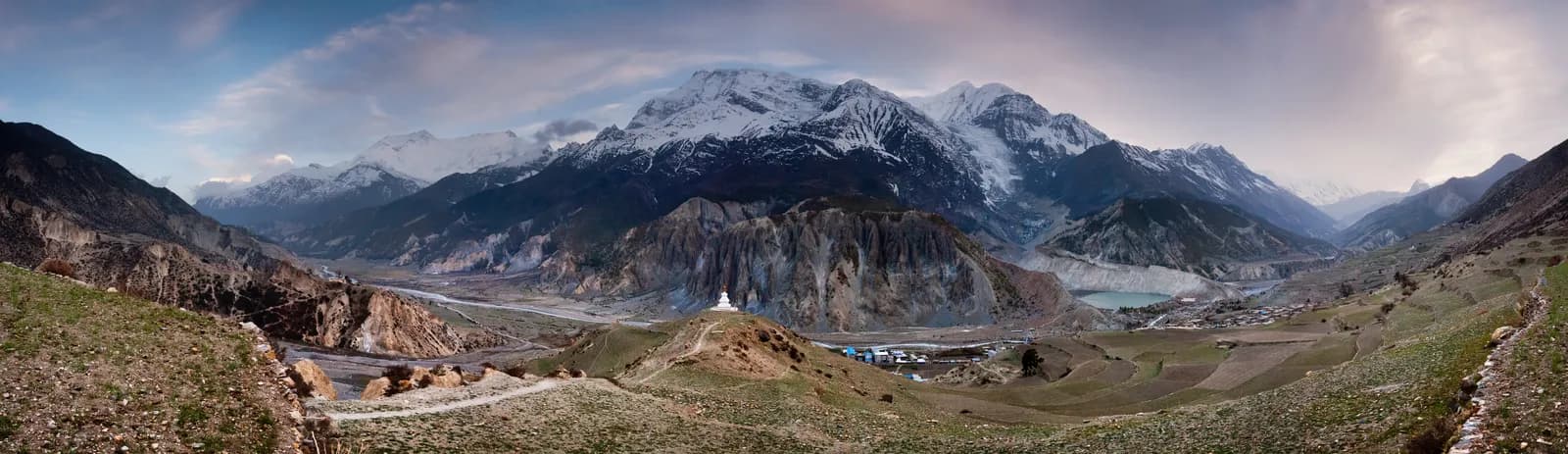
The Annapurna Conservation Area was established in the mid-1980s and is managed by the National Trust for Nature Conservation (NTNC), a Nepali non-profit. It is the country's largest protected area, covering several thousand square kilometres across five districts, and it takes in the Annapurna massif, the upper Marsyangdi and Kali Gandaki valleys and the foothill trails around Ghandruk and Ghorepani. The entry fee funds trail repair, lodge training, waste management and community programmes inside the area.
The permit is a conservation-area entry permit. It is different from a national park permit (such as for Langtang or Sagarmatha) and from a Restricted Area Permit (such as for Upper Mustang). You may need more than one of these on a single trek.
Which treks need it
| Trek | ACAP needed | Anything else to expect |
|---|---|---|
| Annapurna Circuit | Yes | Entry points at Besisahar and Jomsom/Muktinath side; TIMS where required |
| Annapurna Base Camp | Yes | Checkpost at Birethanti near Nayapul |
| Poon Hill | Yes | Checkpost at Birethanti |
| Mardi Himal | Yes | Checkpost at the trailhead area |
| Upper Mustang | Yes, plus a Restricted Area Permit | Agency and licensed guide required |
| Manaslu Circuit | Yes for the Annapurna section, plus Manaslu permits | Agency and licensed guide required |
| Tilicho Lake | Yes | Included in the Annapurna area |
If your route crosses from one region to another, check whether another permit applies. The Manaslu permit guide and Upper Mustang permit guide cover the add-ons.
Where to get the permit
The standard places are:
- Nepal Tourism Board office, Bhrikutimandap, Kathmandu. The central place to apply, and the one most trekkers use before travelling to Pokhara.
- ACAP / Tourist Service Centre office in Pokhara. Handy if you arrive in Pokhara first and are starting from Nayapul, Phedi or Besisahar.
- Through your agency or guide. Most agencies buy the permit for you as part of the package.
Offices close on weekends and public holidays and the queue is long in October and April, so buy the day before you leave if you can. Opening hours and processing steps vary; confirm on the NTB or NTNC site.
What to bring
- Your passport (original) and a photocopy of the photo page and Nepal visa.
- Passport-size photos, usually two. Bring extras, because photo kiosks are scarce at counters.
- Cash in the accepted currency. Payment methods at counters have varied, so check current rules rather than assuming a card will work.
- Your itinerary: starting point, route and dates.
- Your insurance details, which the agency or counter may ask for.
Keep the permit dry in a zip bag, with a photocopy and a phone photo as backup.
Checkpoints on the trail
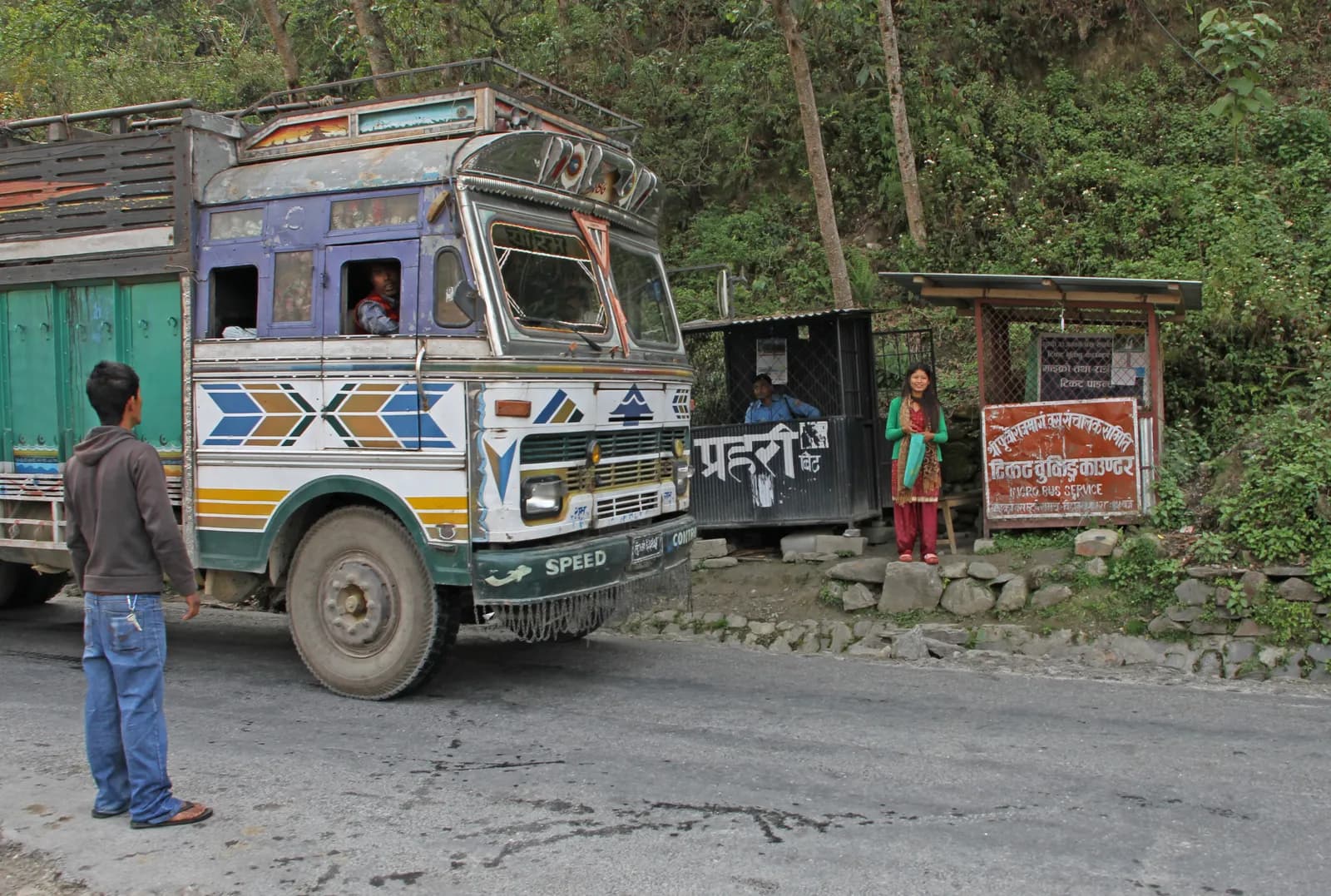
On the Annapurna routes the permit is checked at stations along the trail. You will usually be asked to sign a register and show your permit. Typical checkpoint areas include:
- Birethanti, on the Modi Khola near Nayapul, for Annapurna Base Camp, Poon Hill and Khopra.
- Besisahar and the Bhulbhule and Ngadi area, for the Annapurna Circuit from the east.
- Jomsom and Kagbeni on the Kali Gandaki side. Kagbeni is also where Upper Mustang permits are checked.
- Villages such as Chame, Manang and Muktinath, where registration may be requested.
Treat checkpoints as part of the safety system. They record who is on the trail and when you passed, which is useful if you go missing.
ACAP and TIMS
TIMS (the Trekkers' Information Management System) is a separate registration card. Over the years its rules have changed between mandatory, optional and re-introduced, and some local governments have added their own fees. The practical advice is to ask the counter or your agency, in writing if possible, what is required for your route and start date, and to keep a copy of what they tell you. Do not rely on a blog post, including this one.
If you are trekking alone
Solo trekkers on open Annapurna routes can buy ACAP themselves. The permit will list you as an individual, and the checkpoints will record you as alone. Think about whether you want a partner or a guide on the route, even if the rules do not require one: see solo trekking in Nepal and how to find a trekking partner safely.
Mistakes to avoid
- Buying the wrong permit. Make sure the permit lists the Annapurna Conservation Area and not a different one.
- Mismatched dates. A late start or long layover may mean the dates on your permit no longer fit; check before you set off.
- Not carrying copies. Checkpoints may keep a copy and you will need the original at the next.
- Assuming a lodge can fix it. Lodges cannot issue permits. If you reach the first checkpoint without one, expect to go back to the nearest issuing office.
- Forgetting local fees. Individual municipalities sometimes collect their own entry fee in rupees on top of national permits; carry spare cash.
Planning around it
For a first Annapurna trek, buy the permit in Pokhara after your gear is sorted and the weather looks good. If your plan is the Circuit, check best time for the Annapurna Circuit before you commit to dates, and use the Annapurna region guide to compare routes. The permits hub lists the other permits you may meet.
A realistic permit day in Pokhara
Many trekkers arrive in Pokhara the day before they head to Nayapul. A permit morning usually goes like this:
- Check opening hours the evening before, and confirm that the day is not a Saturday or public holiday.
- Photograph your passport, visa page and the printed form fields you will need, and make two photocopies.
- Bring cash and spare photos, then arrive when the counter opens to avoid the line that builds by mid-morning.
- Fill in the form with the route you will actually walk. Write the trailhead, the highest point and the exit point, since the checkpoint staff compare them with your plan.
- Keep the receipt with the permit. If a checkpoint asks for the receipt, you need both.
The whole process takes under an hour outside the peak weeks and two or more in October. Agencies in Pokhara will arrange it for a modest service fee, which is worth it if you arrive late the day before your start.
Sample permit combinations
| Plan | What you will hold on the trail |
|---|---|
| Poon Hill loop, 4 days from Nayapul | ACAP; TIMS if required for the dates |
| Annapurna Base Camp, 7 to 10 days | ACAP; TIMS if required |
| Annapurna Circuit including the pass, 12 to 15 days | ACAP; TIMS if required; local fees where asked |
| Circuit plus Tilicho | ACAP; no extra national permit, but registration at checkpoints |
| Circuit continuing to Upper Mustang from Kagbeni | ACAP plus a Restricted Area Permit arranged by an agency |
These are the general patterns. The authorities adjust the details, so use them to know what to ask, not as the final word.
What the permit pays for
The entry fee goes to the NTNC and the area's conservation programmes. Visible results on the trail include the stone trail steps and bridges, the toilets and waste bins, the solar water heaters in some lodges, the information boards in villages and the community lodge management committees that set menu and room rates in many villages. Treating the permit as a contribution rather than a toll makes the queue easier to accept.
Group trips and splitting costs
Permit fees are per person and cannot be shared, but a group of three or four can split the cost of a guide, a porter and a jeep to the trailhead. If you are putting together a group, make sure everyone buys the same permit for the same dates. A person who joins late has to buy their own ACAP permit and may not be able to start from your trailhead. For notes on how that works with the guide, see the guide rule for foreigners.
Where the permit stops
The conservation area boundary matters on a few routes. If you leave the Annapurna Conservation Area toward the Manaslu Conservation Area near Dharapani, you will cross a boundary and may need a different permit. Likewise, a side trip that touches the Upper Mustang boundary north of Kagbeni brings in a separate fee and agency requirement. Always check the permit area against a map before you leave the main trail.
इस ट्रेक की योजना बनाएँ
- Annapurna क्षेत्र गाइड
- Trekking partner for Annapurna Circuit Trek
- Find someone to trek Annapurna Base Camp Trek with
- Trekking partner for Poon Hill Trek (Ghorepani)
- Find someone to trek Mardi Himal Trek with
- Annapurna Circuit Trek यात्रा-कार्यक्रम
- Annapurna Base Camp Trek यात्रा-कार्यक्रम
- Poon Hill Trek (Ghorepani) यात्रा-कार्यक्रम
- Mardi Himal Trek यात्रा-कार्यक्रम