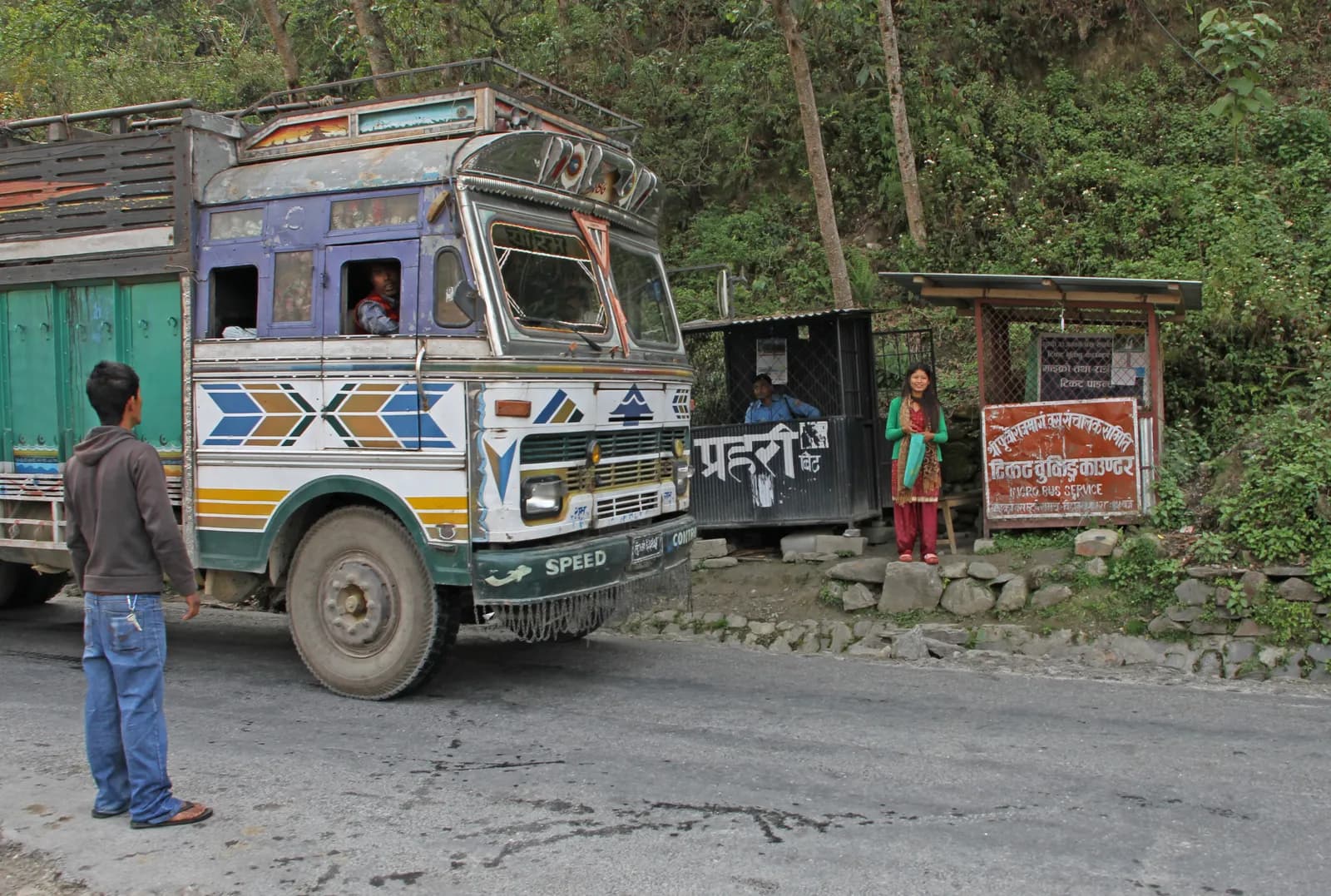
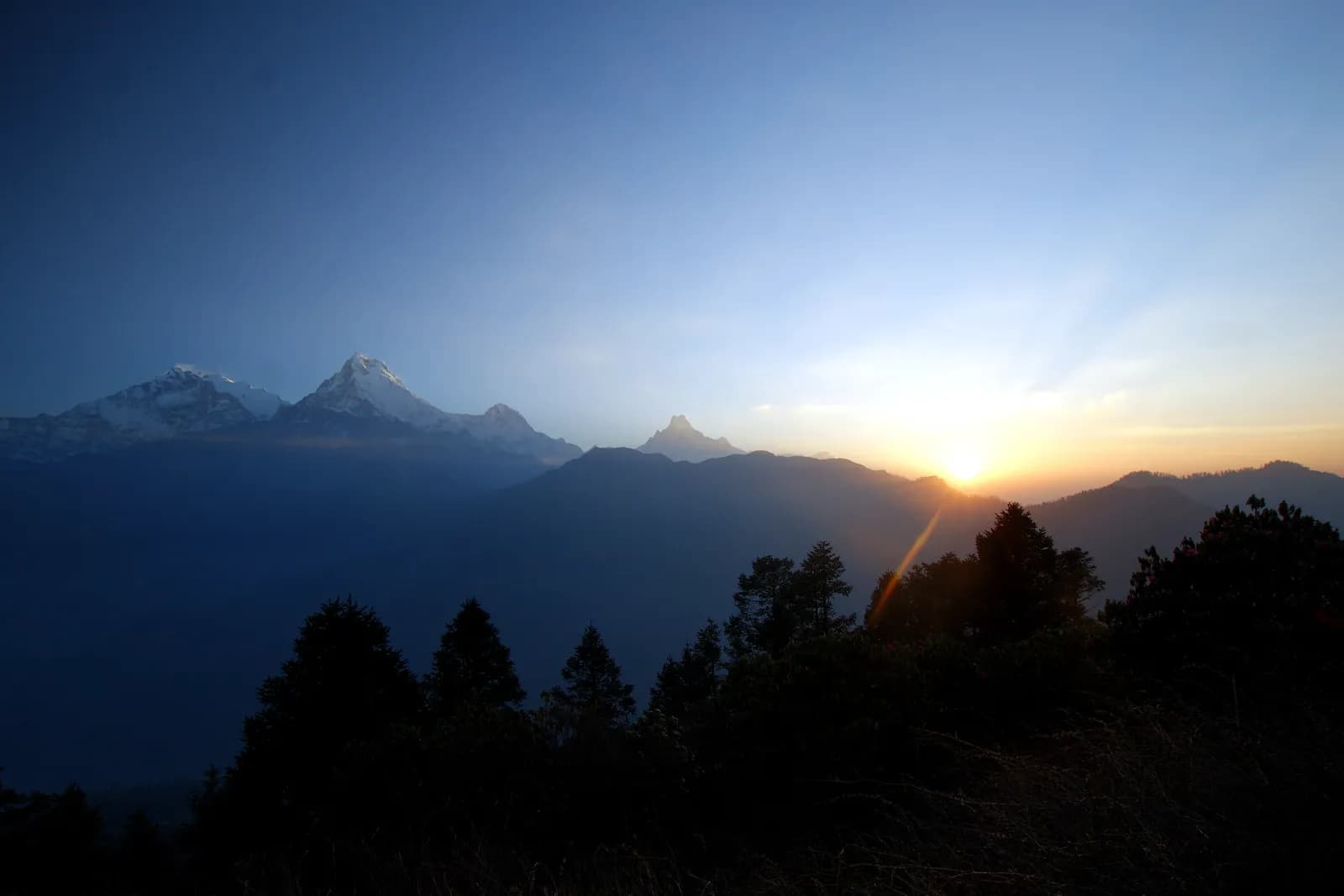
Trekking buddy in Nepal: where to find one and how to stay safe
Where trekkers actually find a trekking buddy in Nepal, from Thamel notice boards and Facebook groups to Reddit, meetups and FindTrekkingPartner, with an honest comparison and a safety checklist.

People find a trekking buddy in Nepal in five main places: notice boards and dining rooms in Thamel and Lakeside Pokhara, Facebook groups, Reddit threads on r/Nepal and r/solotravel, Couchsurfing-style meetups and hiking clubs, and FindTrekkingPartner, which lists dated trips by route. None is perfect. Hostels give you a face but little time, social groups give you reach but unverified claims, and a trip platform gives you structure but fewer spontaneous matches. Whatever you pick, the safe sequence is the same: find candidates, talk, meet in a public place, take a short trial walk, then agree costs, pace and turn-back rules in writing before any money moves. This guide compares the options fairly and ends with a checklist you can use as a Nepali or a foreign trekker. Facts here were checked on 21 October 2026.
טיולים פתוחים בPoon Hill Trek (Ghorepani)
טיולים אמיתיים שפרסמו מטיילים שמחפשים שותפים.

Why look for a trekking buddy at all?
Three reasons come up again and again. The first is cost: a guide, a porter and a private jeep are priced for the group, not the person, so every extra trekker lowers each share. Our per-person cost in a group of five post works the numbers. The second is rules. Where a guide is required, a partner makes one affordable, and our guide rule page sets out where that applies. The third is safety and company: someone to notice a headache at 3,500 m, to walk for help after a fall, and to share a long teahouse evening with.
If you are still deciding between going alone and going with others, read solo versus group trekking in Nepal and our solo trekking page.
Where do people actually find a buddy?
Hostels, guesthouses and cafes
Thamel in Kathmandu and Lakeside in Pokhara are where trekkers gather before and after a route. Some guesthouses have notice boards, and the dining rooms are full of people who have just come down or are about to go up. The strength is that you can judge a person in ten minutes and ask about their last trek. The weakness is time: if your dates are fixed you may not find anyone going your way that week, and everything you learn about their experience is what they tell you. Treat a stranger you meet over breakfast as a candidate, not a partner. Our guide to meeting partners in Kathmandu hostels and forums goes deeper on this route.
Facebook groups
Trekking and travel groups on Facebook are the biggest pool of people posting dates and routes, and many Nepali trekkers use them because they are already on the platform. Reach is the strength. The weaknesses are quality and age: old threads, profiles you cannot verify, and the occasional person trying to sell a package. Use a group to find names, never to share a passport photo, payment details or your hotel room number in a public comment. Move quickly to a call or a meeting.
Threads on r/Nepal and r/solotravel are read mostly by foreign travellers planning ahead, so they suit people who want a partner for a flight-in route months out. Replies are honest more often than not, but a username tells you nothing about fitness. Ask the questions in the checklist below and ask for a voice or video call before you commit.
Meetups and hiking clubs
Couchsurfing-style meetups, university hiking groups and local clubs are a good fit for Nepali trekkers who want to start with a day hike and build a group over months. The advantage is that you see how people behave on a real walk before you share a budget. The limit is that club calendars do not always match your dates.
FindTrekkingPartner
On FindTrekkingPartner you post your trip with dates, pace, budget style and route, or browse open trips by region, dates and level. It is free, contact details stay hidden until both sides agree to share them, and the site does not sell treks, employ guides or handle money: you hire a licensed guide through a registered agency and pay it directly. The limit is honest too. It only helps if people are posting for your route and month, so it works best alongside the other options. Our trekking partner page explains how matching works, and the route pages, such as the Poon Hill partner page, show open trips per route.
Quick comparison
| Where | Best for | Main weakness |
|---|---|---|
| Hostels and cafes | Short notice, judging a person face to face | Little time, unverified claims |
| Facebook groups | Reach, Nepali and foreign trekkers | Old threads, unverifiable profiles |
| Planning months ahead | Anonymous usernames | |
| Meetups and clubs | Building trust over day hikes | Dates rarely match |
| FindTrekkingPartner | Dated trips filtered by route and level | Needs people posting for your route |
What should you check before you say yes?
Start with the facts and ask each question out loud.
- Experience. Which treks have they done, and have they slept above 3,500 m? How did they feel, and did they take rest days?
- Fitness and pace. How many hours a day do they walk comfortably? Do they plan to carry their own pack?
- Dates and spare days. How flexible are they if weather delays a flight or a rest day is needed?
- Budget style. Do they expect a guide and a porter, or only a guide? What daily spend feels normal?
- Decisions. Who is allowed to call a descent? What happens if one of you turns back?
- Consistency. Does the story match across messages, a call and the profile? Do they mind putting the plan in writing?
Our partner vetting checklist and red flags post expand each point, and matching pace and fitness helps when the answers differ.
The safety checklist
- Meet in public first. A busy cafe in daylight. Tell a friend or your guesthouse who you are meeting and when.
- Keep money and documents to yourself. Do not hand over a passport, a bank detail or a deposit, even a small one, before you have met and agreed the plan.
- Take a trial walk. A half day near Kathmandu, such as the Shivapuri Peak hike, or a Poon Hill-length walk shows pace, humour and how a person handles being tired. Share the route and start time with someone you trust.
- Share your itinerary. Give a trusted person your route, dates, the agency and the guide's name, and agree when you will check in.
- Check experience against the route. Be honest about altitude. Our altitude sickness basics and the Himalayan Rescue Association guidance are the baseline.
- Agree costs in writing. Who books, who pays the agency, how guide, porter and vehicle are split, and what happens to shared costs if someone leaves.
- Agree pace and rest days in writing. Including the rule for turning back.
- Know your exit. Decide in advance how you part if it does not work, and keep your own insurance and cash.
If anything feels wrong at any point, leave. A good partner will understand every step above and will do the same checks on you. The partner safety roles and emergency plan shows how pairs and groups divide the jobs on the trail, and what to agree before you book gives a one-page template.
Does a buddy remove the guide rule?
No. Our record, checked on 19 October 2026, reads: a licensed guide through a registered agency is required in restricted areas (Department of Immigration) and, under the Nepal Tourism Board rule of April 2023, in national parks and conservation areas, where 2026 operator reports say checkpoints enforce it in Annapurna and Langtang but not in Khumbu. This is the rule as it stands for foreigners; for Nepali citizens we found no written exemption, so ask at the checkpoint or read permit fees and guide rules for Nepali citizens. The practical answer for a pair or a group is to share one licensed guide and divide the day rate, which share a guide in Nepal explains. Read the rules page for how trips on the site are run.
A simple timeline
For a peak-season route that needs a flight or a permit, begin two to three months ahead. In week one, post your trip or reply to two or three posts. In weeks two and three, talk to candidates by message and then a call. Meet your best match in public, take a trial walk, and write the agreement. Book the agency and transport last, once you both agree. For a short trek like Poon Hill, the same steps fit into a week.
Where to go next
If you are a Nepali trekker, start with the pillar guide for Nepali citizens and see how to join a trekking group in Kathmandu. For safety detail, visit our safety page. To post your own dates, open the trips page and add a trip, or read how finding a partner for Everest Base Camp works for a bigger route.
תכננו את הטרק
שאלות נפוצות
מקורות
- Nepal Tourism Board
- Himalayan Rescue Association
- Department of Immigration, Nepal
- Diplomat Nepal: Department of Immigration reinforces mandatory guide rule for trekking in restricted areas (13 June 2026)
- Kathmandu Post: Everest region, Nepal Tourism Board dispute over solo trek ban heats up (3 April 2023)