Last-minute trek in Nepal: how to find a trekking partner this week
Already in Nepal with a few days to spare? How foreign trekkers can find a partner within days, which treks work at short notice, what permits need lead time, and the safety checks to run before you say yes.

If you are already in Nepal with a week to spare, you can usually find a trekking partner in two to five days by combining an open-trips board, hostel and café noticeboards, and a short list of trekkers you vet yourself. Open-area routes that start from Pokhara, such as Poon Hill (4 days in our route data, highest point 3,210 m), Mardi Himal (5 days, 4,500 m) and Annapurna Base Camp (7 days, 4,130 m), work at short notice because you can buy the park permit yourself and reach the trailhead by local bus or jeep. Restricted areas do not, because an agency must arrange the permit. A licensed guide through a registered agency is required in restricted areas and, under the Nepal Tourism Board rule of April 2023, in national parks and conservation areas (checked 19 October 2026). Sources are listed below; this is not an agency.
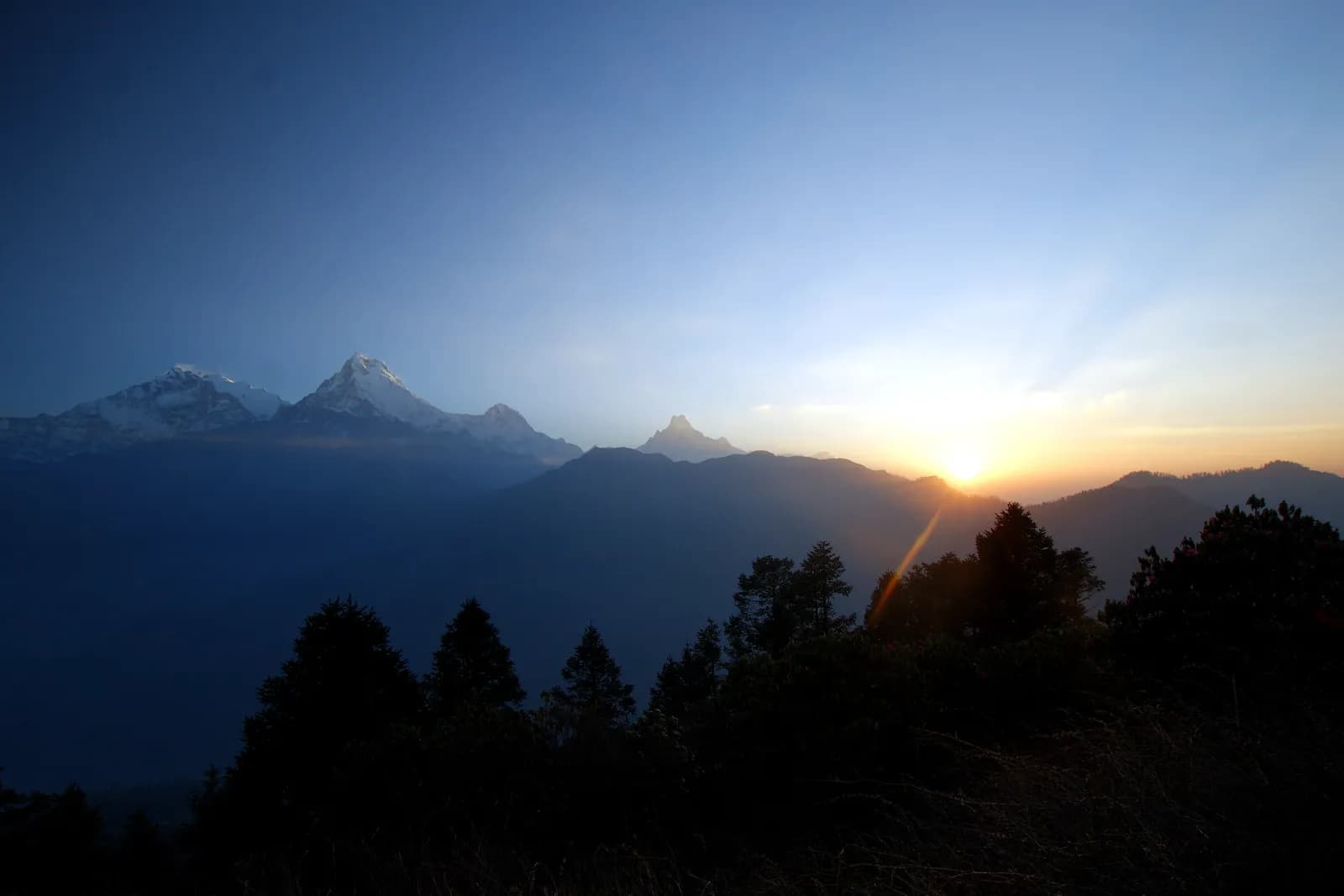
טיולים פתוחים בPoon Hill Trek (Ghorepani)
טיולים אמיתיים שפרסמו מטיילים שמחפשים שותפים.

Where do you actually find a partner in a few days?
Start with the places that already hold open plans. On FindTrekkingPartner, open trips list dates, route, pace and group size, and the Nepal trek departures page shows what is leaving in the coming weeks. If nothing fits, post your own trip: it is free, takes a few minutes and lets people who arrive after you find you. Our guides to how to find a trekking partner safely, trekking buddies and joining a group in Kathmandu cover the long version.
Offline, the usual places are guesthouse and hostel common rooms, café and gear-shop noticeboards in Thamel and Lakeside, and the breakfast table at your hotel. Our post on meeting partners in Kathmandu hostels and forums lists what to expect. We cannot give you a fixed number of how many trekkers are looking on a given week, and we will not invent one: it depends on season, flights and weather. Autumn and spring are the busy windows, as in the best time to trek in Nepal.
Which treks work at short notice?
The simplest rule is to choose a route where nobody but you has to approve anything. Based on our route data:
| Route | Days | Highest point | Starts from | Notes |
|---|---|---|---|---|
| Poon Hill | 4 | 3,210 m | Pokhara | Shortest classic; suits a first trek |
| Mardi Himal | 5 | 4,500 m | Pokhara | Higher, so more acclimatisation care |
| Annapurna Base Camp | 7 | 4,130 m | Pokhara | Needs a week and a steadier pace |
| Langtang Valley | 8 | 4,773 m | Kathmandu | Check the Trishuli road first |
Shorter options from both cities are in short treks from Pokhara and short treks from Kathmandu in 3 to 4 days. The longer Annapurna Circuit, Manaslu, Upper Mustang and Dolpo are poor last-minute choices: they need more days and, for the restricted ones, a permit arranged through an agency.
What are the permit lead times?
For open areas, the permit can be bought the same day. The NTNC e-permit page lists the Annapurna Conservation Area permit at NPR 3,000 for foreigners, with a 2.9 percent online charge, and a permit issued at a check post costs double (page read in October 2026). The Nepal Tourism Board and the Pokhara and Kathmandu permit counters also issue it; see where to buy trekking permits and the ACAP permit guide. Bring your passport and passport photos, as in the permit paperwork checklist. Whether you also need a TIMS card is disputed between sources, so read our TIMS explainer and ask the counter.
For restricted areas, the Department of Immigration reminded stakeholders in June 2026 that a licensed guide through a registered agency is part of the permit (Diplomat Nepal, 13 June 2026). We found no published processing time for restricted-area permits, so we will not give you a number of days: ask the agency how long it takes and whether your dates are realistic. Our Manaslu permit guide notes that a minimum of two trekkers is reportedly no longer required from March 2026 (unconfirmed), which still needs checking with your agency.
Do you still need a guide?
On open routes, the rule depends on where you walk. Our guide-rule page says: a licensed guide through a registered agency is required in restricted areas (Department of Immigration) and, under the Nepal Tourism Board rule of April 2023, in national parks and conservation areas, where 2026 operator reports say checkpoints enforce it in Annapurna and Langtang but not in Khumbu (checked 19 October 2026). Read the guide rule page and guide rule for foreigners, explained. The practical upside of a partner is that you can share one guide and split the wage and the porter; see splitting guide and porter costs fairly.
How do you check a partner you met this week?
A short timeline is exactly when people skip checks. Run these before you commit:
- Meet twice, once for coffee and once to walk a short hike together such as a Pokhara day hike.
- Use the partner vetting checklist and watch for the red flags.
- Match pace and fitness; a day-one mismatch becomes a day-four argument. See matching pace and fitness.
- Agree money, rest days and the turn-back rule in writing, using what to agree before you book.
- Hold your own insurance and keep emergency numbers from our rescue numbers post. Do not hand a stranger your passport or cash.
- Send your route, dates and your partner's name to someone at home, and follow the safety roles and signals post.
Our safety page explains how contact sharing works on the platform: details stay private until you choose to share them.
What can go wrong with the calendar and weather?
Short notice means little slack. Between 24 and 27 September 2026, heavy snow and rain hit Upper Manang, and ekantipur reported on 25 September that the local administration suspended trekking in the high areas, including Tilicho and Thorong La Pass, for three days. On 8 October 2026 the same outlet reported the Annapurna Circuit route reopening after two weeks of closure from snow and landslides. Those reports differ on how long the closure lasted, so take them as a sign of the scale, not as a precise figure. The lesson is to leave at least one buffer day, which buffer days and itinerary flexibility explains, and to check trail status after landslides and snow the day before you go.
What does a realistic four-day plan look like?
Day one, arrive in Pokhara, post or answer a trip, and rent what you lack, as in renting gear in Pokhara. Day two, meet two candidates, buy the permit and confirm transport. Day three, travel to the trailhead; see Pokhara to Nayapul. This is a plan, not a promise that a partner will appear: if no one suits you, go with a guide you vet through our guide-licence post or wait a day rather than walk away with someone you doubt. Our Nepal trek logistics checklist covers the rest of the in-country list.
What if nobody turns up?
Have a fallback before you start. You can walk a shorter route alone on a busy trail while keeping to the guide rule where it is enforced, hire a guide directly after checking the licence (see trekking agency versus hiring a guide directly), or join a scheduled group departure; our group departures post explains how those work. Group departures cost more per day than sharing with a friend, but they remove the vetting step. Whichever you pick, tell someone your plan, carry insurance that covers helicopter evacuation and the altitude you will reach (see travel insurance for high-altitude trekking), and decide in advance the day you will turn back. Waiting one more day in Pokhara costs a night of lodging; walking with the wrong partner can cost the whole trek.
Where sources conflict or are silent
- The Nepal Tourism Board lists a TIMS card page, but guides disagree on whether independent trekkers need one in the Annapurna region; confirm at the counter.
- We found no official processing time for restricted-area permits.
- The two ekantipur reports (25 September and 8 October 2026) give different pictures of how long Thorong La was closed; neither gives a precise closure window.
- We have no data on how many partners are available in a given week, and we will not publish a made-up figure.
Post your trip today
If you have dates and a route, the fastest step is to post a trip for free: other trekkers in Nepal will see it, and you decide who to share contacts with. Or browse open trips first. We are a partner-matching platform, not an agency: we do not sell treks or handle money. For the wider picture, see the trekking partner page.
תכננו את הטרק
שאלות נפוצות
מקורות
- NTNC e-permit (ACAP, MCAP), fee page read October 2026
- Diplomat Nepal: Department of Immigration reinforces mandatory guide rule for trekking in restricted areas (13 June 2026)
- ekantipur: Snowfall in Upper Manang halts trekking for three days (25 September 2026)
- ekantipur: The Annapurna Circuit trek reopens after two weeks (8 October 2026)
- Nepal Tourism Board
- Himalayan Rescue Association