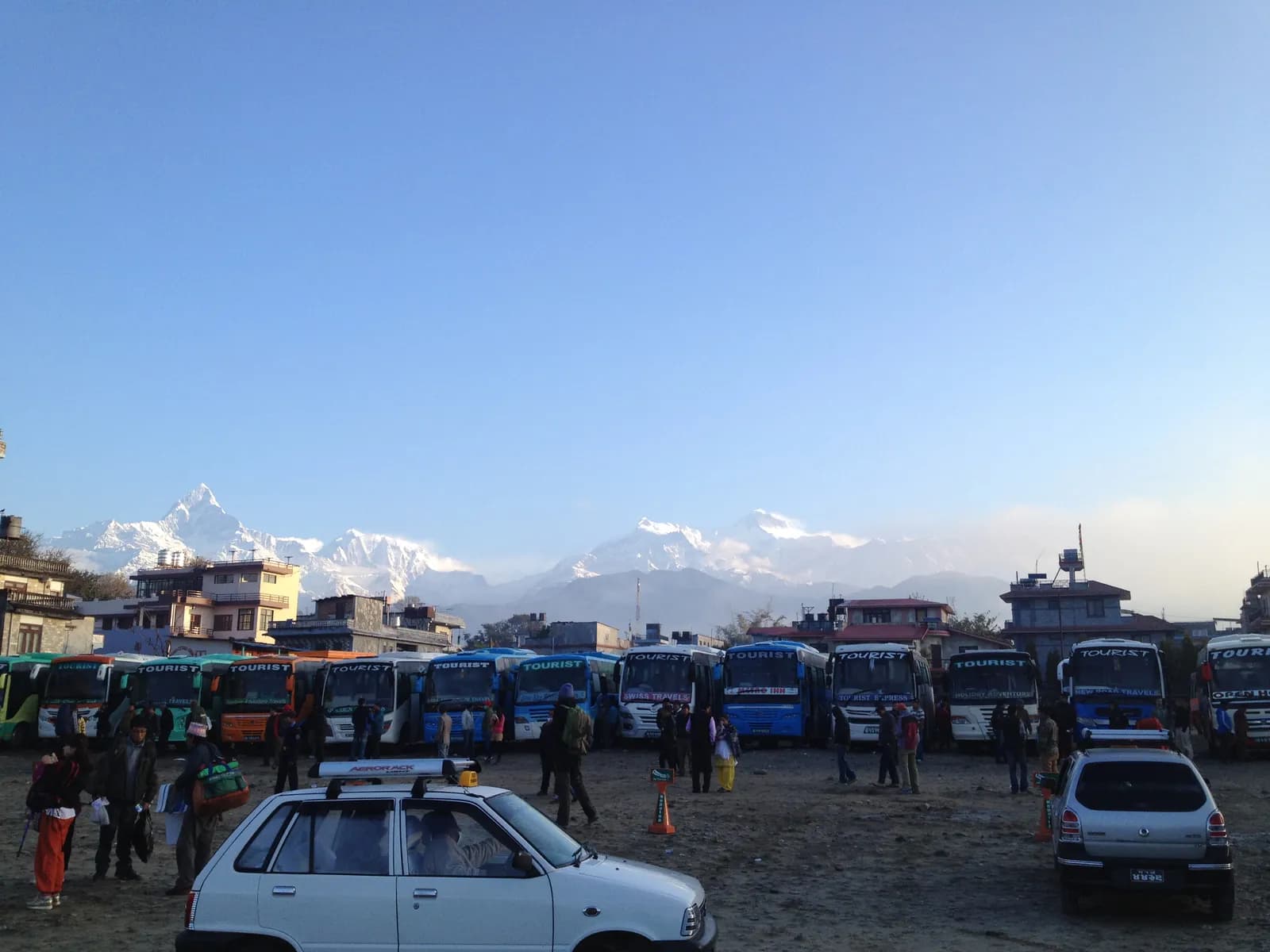
Road and jeep safety in Nepal for trekkers
The road to the trailhead is often the riskiest part of a Nepal trek. This guide covers how to choose a vehicle and driver, monsoon landslides on the Langtang, Manaslu and Rolwaling roads, what to do on the road and how to build slack into the plan.
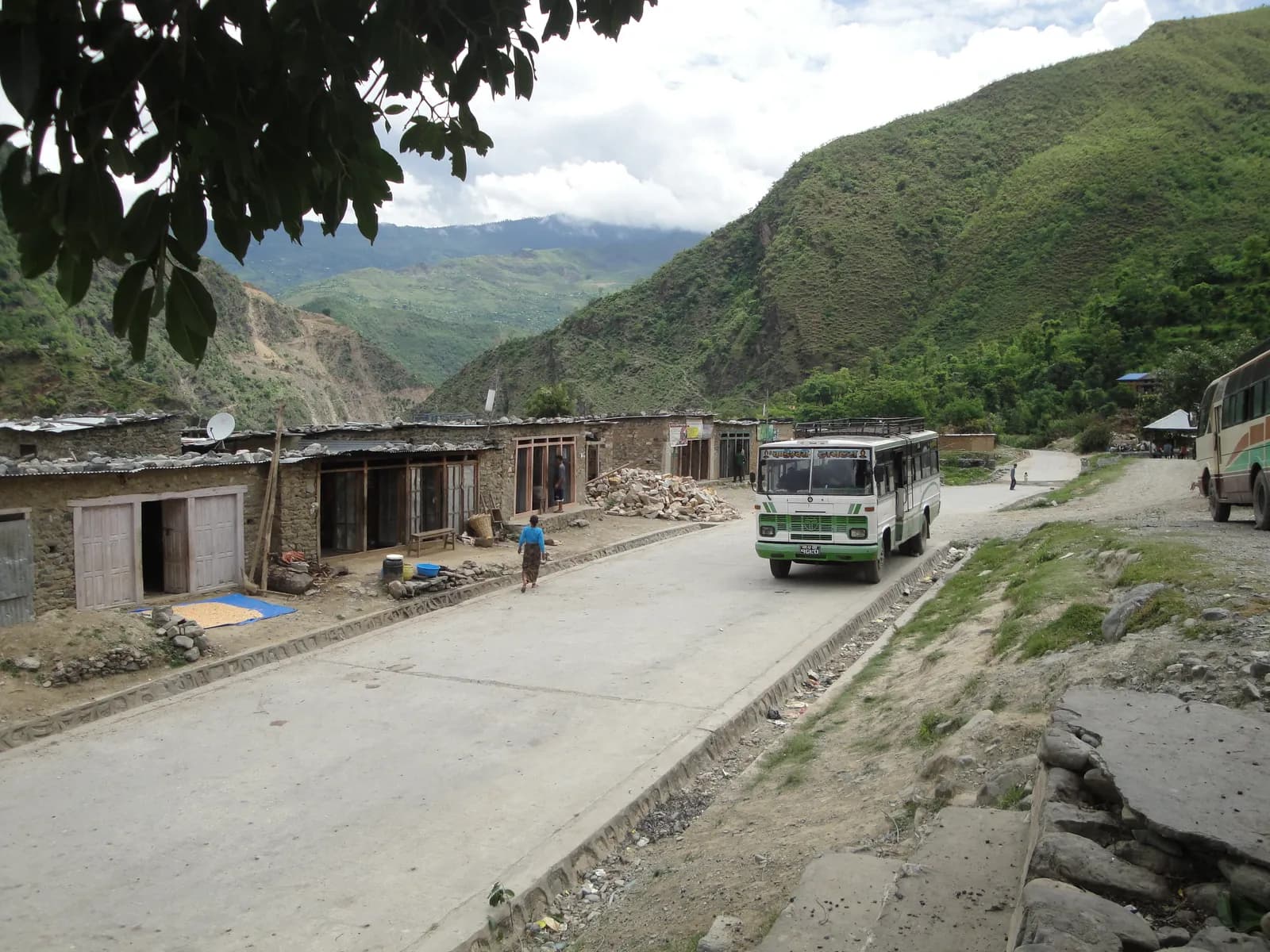
For many trekkers the most hazardous hours of a Nepal trip are on the road to the trailhead, not on the trail, and the habits that cut the risk are choosing the vehicle and driver with care, travelling in daylight, never riding on a roof and building enough slack into the plan that nobody has to rush. Hill roads are narrow and winding, some are unsurfaced and landslides close them in the monsoon. This guide does not quote crash statistics, because we have no verified figures; it gives practical rules, the road conditions recorded on our region pages and a method for deciding between vehicles. For official advice, read the UK Foreign, Commonwealth and Development Office safety page for Nepal.
Facts about specific roads come from our region notes, verified 19 October 2026.
טיולים פתוחים בLangtang Valley Trek
טיולים אמיתיים שפרסמו מטיילים שמחפשים שותפים.
Roads and what our region notes say
| Road | Route it serves | What our notes record |
|---|---|---|
| Kathmandu to Syabrubesi | Langtang, Gosaikunda, Tamang Heritage | About 117 km, 7 to 8 hours by jeep and 8 to 10 by bus via Trishuli and Dhunche; prone to landslides in the monsoon |
| Kathmandu to Machha Khola | Manaslu, Tsum | 8 to 9 hours, rough road via Arughat and Soti Khola |
| Kathmandu to Chetchet | Rolwaling | About 8 to 9 hours via Charikot and Singati, rough in the last stretch; may be blocked in the monsoon |
| Kathmandu to Taplejung area | Kanchenjunga | After a flight to Bhadrapur, 9 to 10 hours to Taplejung; landslides can close it in the monsoon |
| Dhangadhi to Gokuleshwar | Api Base Camp | About 8 hours; the return takes 8 to 9 hours and monsoon landslides regularly cut the road |
| Kathmandu to Chhimti or Chautara | Panch Pokhari, Jugal Himal | 5 to 6 hours or about 5 hours; landslides can close roads in the monsoon |
These are long days on difficult roads. For comparisons of costs and vehicle types, see jeep and bus costs, and for the roads themselves read the guides for Syabrubesi and Soti Khola.
Choosing the vehicle and driver
You usually cannot inspect a driver's record, but you can look at the signs.
- The vehicle. Look at the tyres, the windscreen and the seatbelts. A vehicle with bald tyres or a cracked windscreen is a warning.
- The load. Do not board a vehicle with people hanging off it or on the roof; the photos on this page show how common overloading can be.
- The driver. Ask your hotel or agency for a driver they use regularly. Do not hire a stranger from the street for a long mountain road.
- Your agency. If your trek includes transport, ask who drives, how many hours a day, and what the policy is on night driving and on bad weather.
- Seatbelts. Wear one if there is one.
A private jeep is not safer by default. It is only safer if the driver is good, the vehicle is sound and the plan allows a calm pace. Our shared jeep versus private jeep versus bus guide compares them on cost and comfort.
Rules on the road
- Travel in daylight. Start early and arrive before dusk. Avoid night driving on hill roads.
- Never ride on the roof. Even if locals do.
- Sit where you can see. A front seat reduces motion sickness, and your own view of the road helps you judge speed.
- Speak up politely. If the driver is going too fast, ask him to slow down. Most will.
- Take breaks. Stops at roadside tea shops are part of the journey; use them to stretch and to refill water.
- Keep your daypack with you, with documents, water, a warm layer and medication, not in the luggage rack.
- Be careful at roadside stops, with traffic and with unfamiliar food on a first day.
Landslides and the monsoon
Landslides are the specific hazard that shapes the schedule. Our region notes record that the Langtang road is prone to landslides in the monsoon, that the Rolwaling and Kanchenjunga roads can be blocked, and that Api's road is regularly cut. That is why we advise against the monsoon on most routes; see monsoon trekking in Nepal for the rain-shadow exceptions. If you travel in a wet spell:
- Check the road the day before with your hotel, agency or driver.
- Do not cross a damaged road on foot or by vehicle against advice.
- Be ready to wait. A cleared road may reopen in hours or days.
- Carry water, snacks and warm clothes for a long delay in a stalled vehicle.
- Keep a spare day or two in the plan, so a delay does not cost you a flight home.
Our buffer days guide explains how to build slack.
If something goes wrong
If there is an accident, move to safety, call for help and tell your guide, agency and insurer. Keep the insurer's number on paper and in your phone; see the trekking insurance guide for what to check. Do not sign anything you do not understand, and do not agree to pay anyone on the spot without taking advice; our trekking scams guide lists pressure tactics. For first aid and health basics follow the CDC Yellow Book, the Wilderness Medical Society and the NHS.
Fatigue and motion sickness
A long road day wears you down, and a trekker who arrives exhausted at a trailhead starts the trek behind. Sit towards the front, take your own remedy for motion sickness, eat lightly and drink water. Do not plan a hard first day after a long drive; our Langtang itinerary shows how the first days are paced.
Make the plan safer
- Choose the shortest road leg your route allows, or fly where flights exist, understanding that flights have their own risks and delays.
- Book transport through an agency or hotel you trust.
- Ask your driver to confirm the route and the time.
- Do not stack a road day against a flight home.
- Tell someone at home your plan.
On route pages, Langtang Valley, Manaslu Circuit and Rolwaling Tsho Rolpa all start with a long road day. Our getting to Nepal trailheads guide covers the others.
Sharing the journey
Agree with your partners how the road day will run: departure time, stops, who sits where and what to do if there is a delay. Our trekking partner hub explains how to find partners and what to agree before you book lists the points, including what to do if one of you wants to stop. Sharing a private vehicle also cuts its cost per person.
A pre-departure checklist
The evening before a long road day, run through a short list. Confirm the departure time and the pickup point. Check the weather and the road status with your hotel or agency. Charge your phone and power bank. Pack water, snacks, a warm layer, a rain layer, sun protection and your own motion-sickness remedy. Keep your passport, permits, cash and insurance details in your daypack and not in the luggage rack. Tell someone your route and expected arrival time. Check that your insurance covers road travel, as in our insurance guide.
What to tell the driver
Drivers respond to polite, clear requests. Say where you are going and when you must arrive, but do not ask the driver to hurry. Ask him to stop at a safe place if anyone feels sick. If you are uncomfortable with speed or overtaking, say so calmly and early, not after a frightening moment. Thank him at stops. If the driver is clearly tired, ask to take a break; a rest at a tea stop is better than a crash.
Group habits that reduce risk
On a shared road day, agree in advance that anyone can ask for a stop or a change of pace, that nobody sits on the roof and that you will not travel at night. If the vehicle is overloaded or the driver seems impaired, get out and wait for another, even if it costs time. Check that everyone has seatbelts where fitted. These agreements are easy to make with partners in advance, and our what to agree guide includes them in the safety section.
The road end is not the trail
The last stretch of a trailhead road is often the worst, with loose surface, steep drop-offs and river crossings. If you are told the vehicle cannot go further, accept it; walking the last section is safer than forcing a vehicle through. If a river is high after rain, wait. Our region notes for Manaslu and Rolwaling both describe rough final stretches, and the Manaslu itinerary and Rolwaling itinerary show how those roads connect to the first day of walking.
Fatigue after the road
Arrive with a margin of daylight and energy. A trekker who steps out of a vehicle after nine hours and starts walking uphill makes poor decisions. Plan the first night at or near the roadhead if the day is long, eat, drink water and start the walk the next morning. Altitude is a separate issue: our acclimatisation guide explains why a slow start matters, and a gentle first day is a good habit on any route.
More guides are in the transport and logistics hub. Conditions change quickly; confirm road status locally and follow official advice.