

Khumbu Pasang Lhamu local permit explained
The Khumbu Pasang Lhamu trek card: what it is, the fee we hold on record, where it is issued, why TIMS is not required on the Everest route and where sources conflict on the fee, dated October 2026.
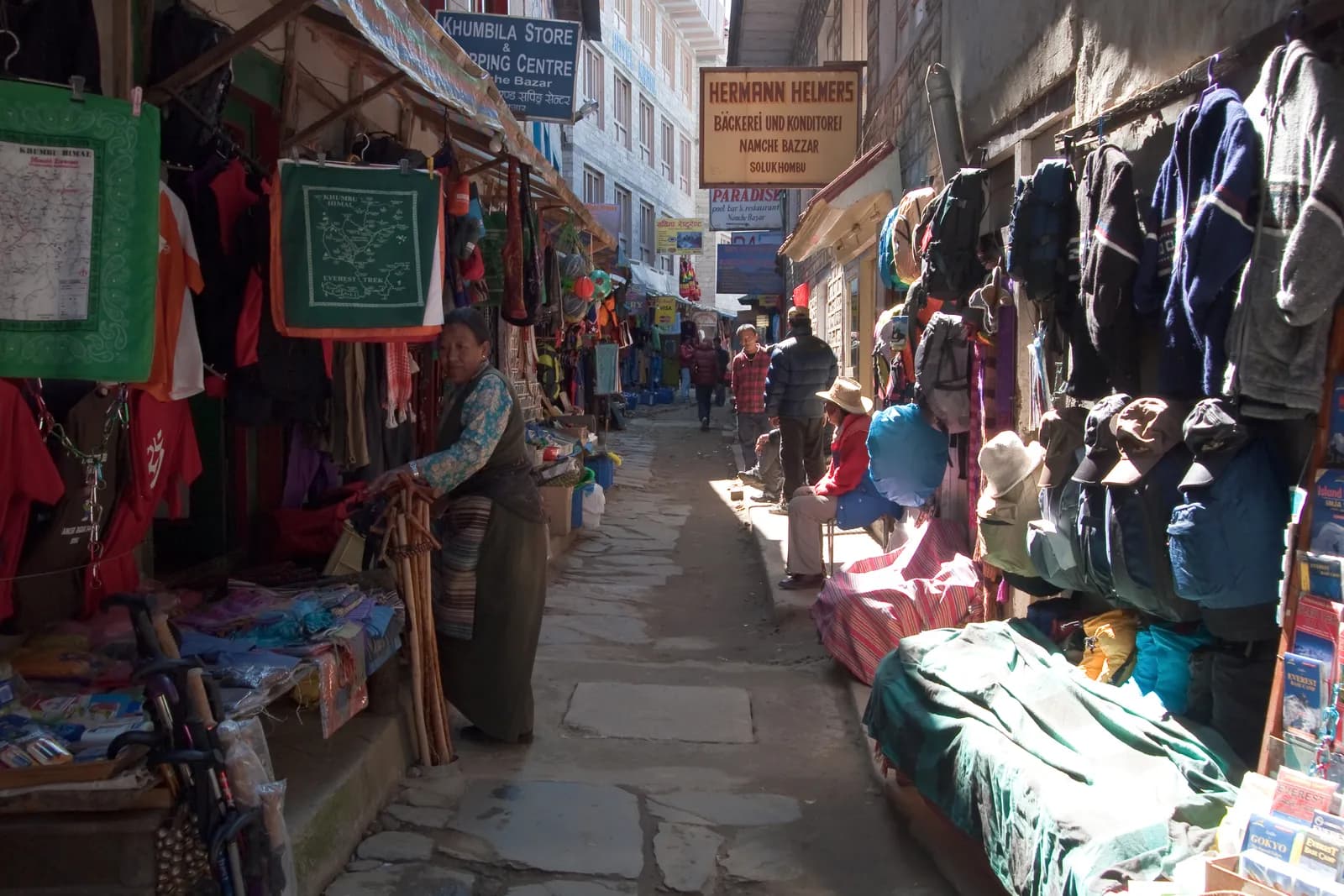
The Khumbu Pasang Lhamu permit, also called the trek card, is the local entry fee charged by the rural municipality that covers the Everest trails around Lukla, Namche and Gokyo. Our permit data holds NPR 3,000 for foreigners and NPR 2,000 for SAARC countries and China, from the municipality's own page as archived on 13 June 2026; the page itself was unreachable when we checked in October 2026, and two operator guides give NPR 2,000 or 2,500. It is separate from the Sagarmatha National Park permit, which is NPR 3,000 for foreigners. Buy it in the Khumbu, near Lukla or at Monjo, with your passport and a photo. You do not need TIMS on the Everest route. Confirm the card fee with your agency. Checked 25 October 2026.
رحلات مفتوحة في Everest Base Camp Trek
رحلات حقيقية نشرها متنزهون يبحثون عن شركاء.
What is the Khumbu Pasang Lhamu permit?
It is an entry fee set by the Khumbu Pasang Lhamu Rural Municipality, the local government for the Khumbu part of Solukhumbu district. The Himalayan Times reported on 3 October 2017 that the municipality began collecting NPR 2,000 per foreign tourist on 1 October that year and removed the TIMS check post at Monjo the same day. The article says the Nepal Tourism Board and the Trekking Agencies' Association of Nepal had collected the same NPR 2,000 through TIMS cards for 11 years. The municipality's chairman said it set the fee under its constitutional right, citing a lack of tourism promotion in the Khumbu.
So the card started life as a replacement for TIMS on this route, which is why guides still link the two. Today it sits beside the park permit. Our permits overview lists both, and the Everest region guide places them on the trail.
How much does it cost?
| Source | Figure | Date |
|---|---|---|
| Municipality trek-card page, archived copy (our permit data) | NPR 3,000 foreigners; NPR 2,000 SAARC and China | Archived 13 June 2026; checked 18 October 2026 |
| Himalayan Times | NPR 2,000 per foreign tourist, when collection began | 3 October 2017 |
| Best Heritage Tour | NPR 2,000 for the first four weeks, NPR 2,500 beyond four weeks | 6 April 2025 |
| HopNepal | Gives NPR 2,500, NPR 2,000, and NPR 2,000 plus NPR 1,000 on the same page | Updated 12 December 2025 |
We use NPR 3,000 for foreigners because it comes from the issuing body. The municipality page returned an error on 18 October 2026 and could not be reached on 25 October, so the figure rests on the archived copy, and we cannot rule out a change since June. Operator blogs are older or inconsistent. For budgeting, our Everest Base Camp cost breakdown treats the park permit and trek card together as NPR 6,000, about USD 45, for foreigners. Nepali citizens are covered in the EBC cost for Nepali citizens.
Where do you buy it?
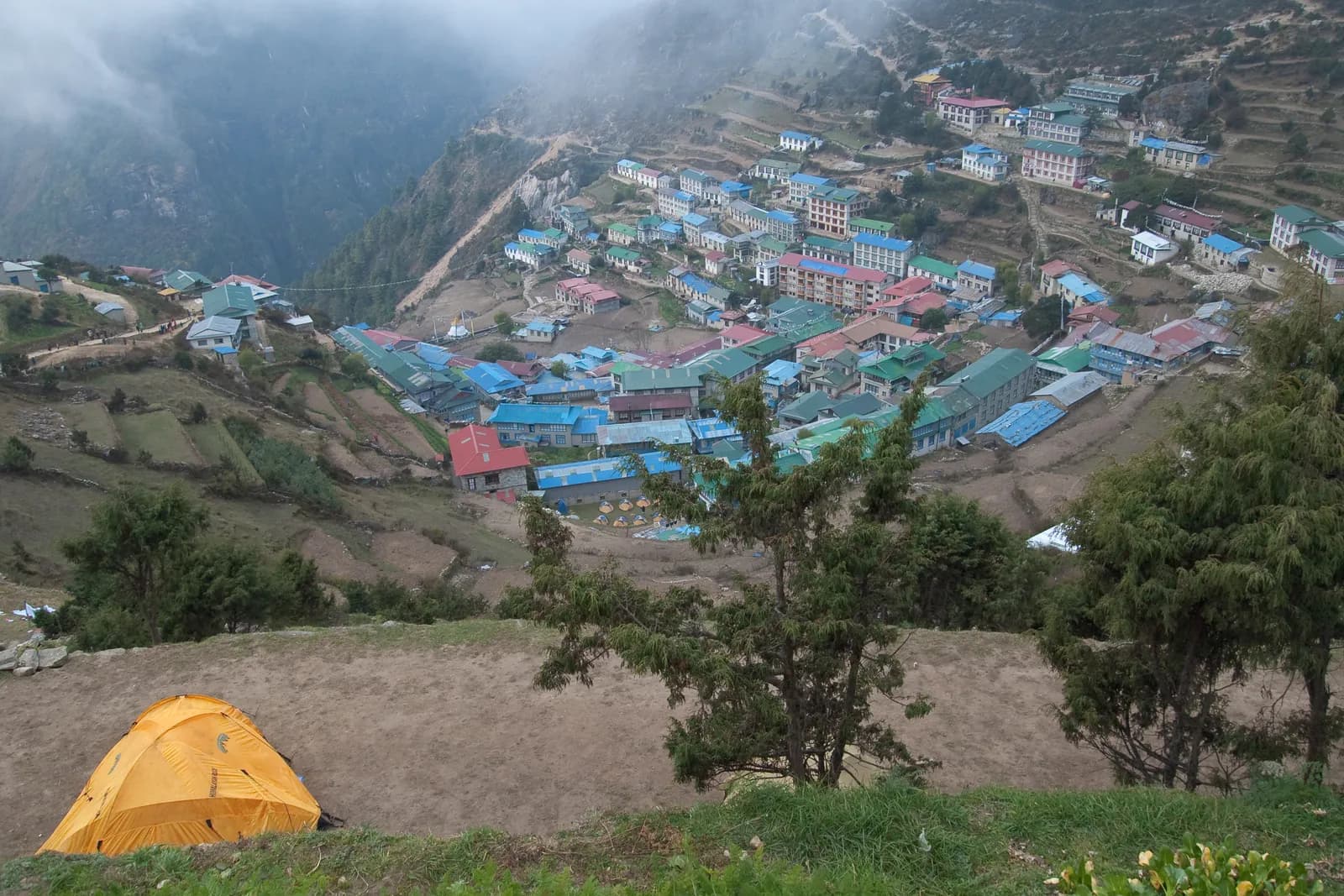
Sources agree it is a Khumbu purchase. Best Heritage Tour says to get it at Lukla at the municipality's checkpost. HopNepal says Lukla is the fallback if you forgot to buy it in Kathmandu, and also says the Nepal Tourism Board is a place to get it, which no other source supports; we could not confirm it. Our permit notes say the card is collected on the trail near Lukla, with the Monjo checkpoint also named, and our where to buy permits guide suggests buying the park permit first and the card at Lukla.
Bring your passport and a passport photo, the municipality data lists both, and pay in rupees. If you fly in, allow time on arrival at Lukla before the walk; read the Kathmandu to Lukla flight guide. Keep the receipt, because checkpoints later on the trail may ask for it; see permit checkpoints: what to expect.
Is it the same as the park permit?
No, and mixing them up is the commonest mistake. The Sagarmatha National Park permit is issued under the national park rules and the Nepal Tourism Board fee page lists NPR 3,000 for foreigners. The Khumbu card is a local government fee. You need both on the standard Everest Base Camp, Gokyo and Three Passes routes, according to our permit data. See the Everest region page, the Everest Base Camp route, and the Three Passes comparison if your plan differs.
Does TIMS still apply in the Everest region?
No. TIMS is not required on the Everest route. Our permit data records, from 2026 operator reports, that TIMS is not used in Khumbu, where the municipality issues its own trek card instead.
- Why the two are linked. The municipality began collecting its own fee in October 2017 and removed the TIMS check post at Monjo, as the 2017 report above describes, so guides still link the card to TIMS.
- Older operator wording. HopNepal says that as of 3 July 2023 the TIMS card is no longer required for the Everest region and that the Khumbu permit is a valid alternative. Best Heritage Tour says the Khumbu permit replaces TIMS but also says TIMS cards are required but not mandatory, so treat that page with care.
- If a quote includes TIMS. Ask the agency why, because you should not pay for a card the Everest route does not need.
Our site's guide rule record, checked 19 October 2026, says the written rule is the April 2023 Nepal Tourism Board announcement and that 2026 operator reports say checkpoints do not enforce it in Khumbu, where the municipality opted out. That is a statement about enforcement, not about the printed rule. We do not claim a guide requirement beyond that record. See the guide rule explained and the guide rule page.
What to do: pay the Khumbu card at Lukla or Monjo, keep every receipt, and ask your agency to show you the receipts for whatever it buys on your behalf.
When should you pay, and in what form?
Pay when you reach the issuing counter, in rupees, and ask for a printed receipt with your name and the date. Cards and dollars are not reliably accepted on this part of the trail, as our ATMs and cash guide explains, so withdraw in Kathmandu before you fly. If your agency arranges the permits, ask them to show you the receipts instead of trusting a bundled price, and check that the price quoted for permits matches the figures above before you agree to it.
What does the card not do?
It does not replace a guide, a porter, or insurance. It does not open restricted areas. It does not cover other regions, so on a different trek check our permit guides by region. And it is not a free pass: if you walk without the right paperwork, see what happens if you trek without a permit. If you are comparing routes, our Everest Base Camp versus Annapurna Circuit guide lists the different permits.
Where sources conflict or are silent
- Fee: NPR 3,000 on our record from an archived municipal page, against NPR 2,000 (2017, and two operator blogs) and NPR 2,500 (beyond four weeks). We could not reach the official page in October 2026.
- TIMS: not required on the Everest route (our permit data, 2026 operator reports); one operator page is internally inconsistent about it, so we do not rely on that page.
- Where to buy: Lukla and Monjo agree across sources; one operator also names the Nepal Tourism Board, which we could not confirm.
- Duration: one operator gives a four-week tier; we found no official validity period.
- SAARC and China: NPR 2,000 appears only in our permit data from the municipal page.
- Whether Nepali citizens pay: see our Nepali-citizens guide, which relies on a 2023 report.
Sort the permits, then find a partner
Sharing costs does not lower the card fee, which is per person, but it lowers the guide, porter and transport bill; see splitting guide and porter costs. Open trips, post a trip or read the trekking partner page. We are a matching platform, not an agency, and we do not sell permits.
خطط لهذه الرحلة
الأسئلة الشائعة
المصادر
- Khumbu Pasang Lhamu Rural Municipality: Trek-Card (archived 13 June 2026)
- Nepal Tourism Board: Park Entry Fees
- Nepal Tourism Board: TIMS Card
- Himalayan Times: Collection of tourist entry fee starts in Khumbu (3 October 2017)
- HopNepal: permits for Everest Base Camp trek (updated 12 December 2025)
- Best Heritage Tour: permits for Everest Base Camp trek (6 April 2025)


