Fatigue and Morale on Long Treks: How to Keep Going
Day 8 of a 14-day trek is when many people hit a wall. Why fatigue and low mood build up on long Nepal treks, how to tell tiredness from altitude illness, and practical ways to keep going and to look after a partner.
Many people hit a low patch on a long Nepal trek somewhere around the middle of a 14-day route, when accumulated fatigue, thin sleep and repetitive food meet the hardest climbing. It is normal, it usually passes with food, rest and a change of routine, and the useful skill is telling ordinary tiredness from altitude illness, which does not pass and needs you to stop climbing. This guide explains what drives the slump, how to separate it from something serious, and what to do about it, alone or with a partner.
It is general information, not medical advice. Read it alongside altitude sickness basics, the acclimatisation schedule and, if you are walking with someone, matching pace and fitness with trekking partners.
رحلات مفتوحة في Manaslu Circuit Trek
رحلات حقيقية نشرها متنزهون يبحثون عن شركاء.

Why the wall comes around the middle
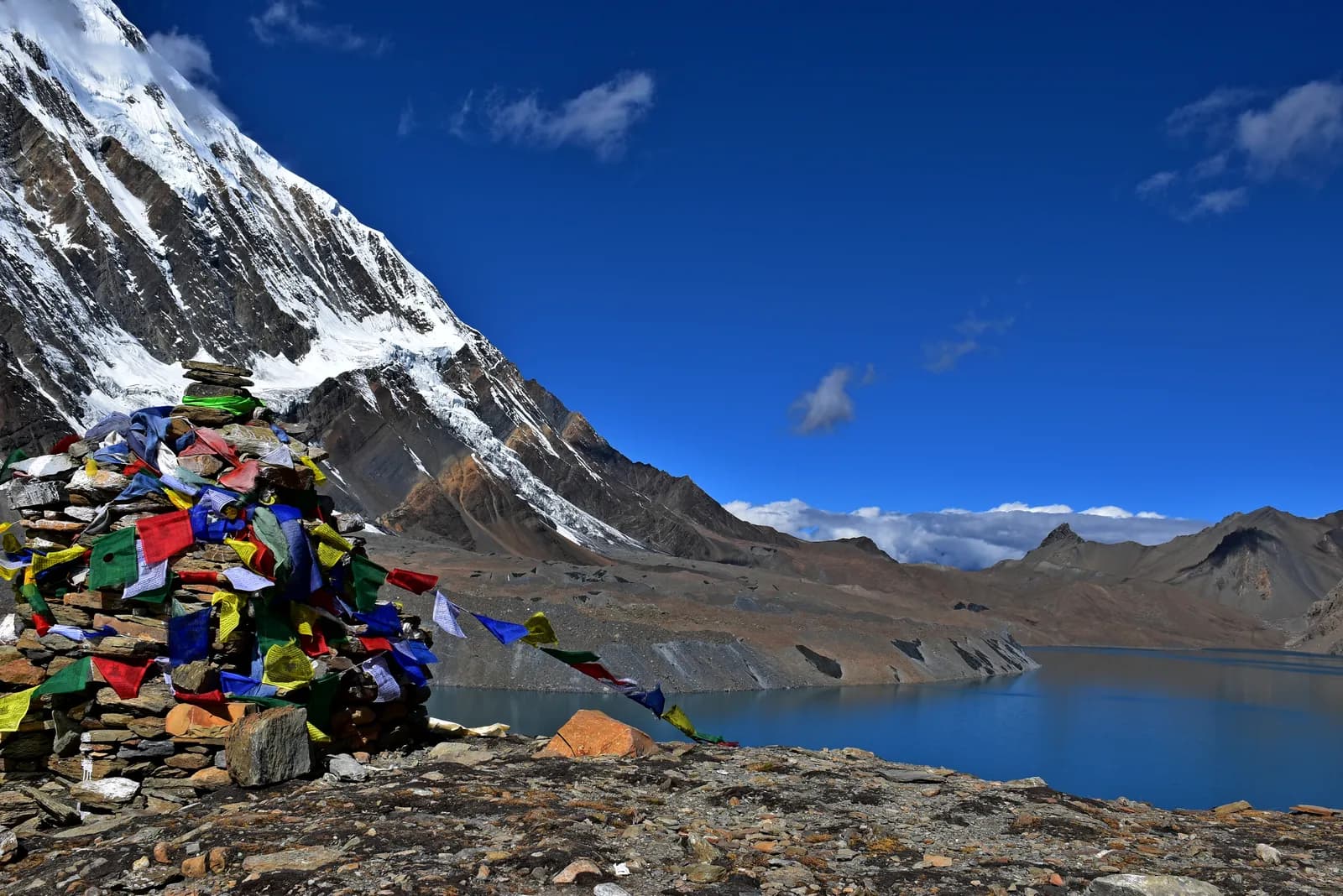
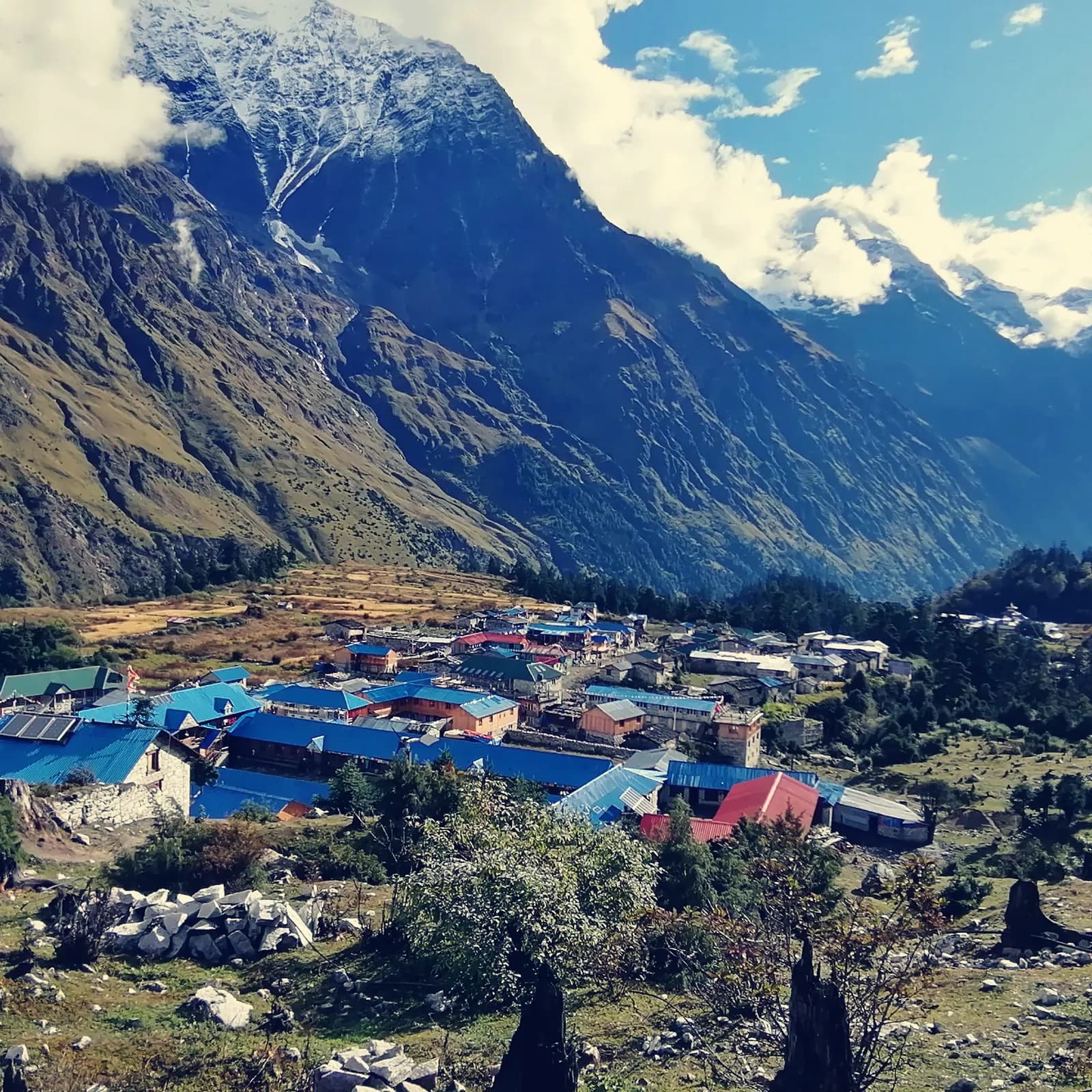
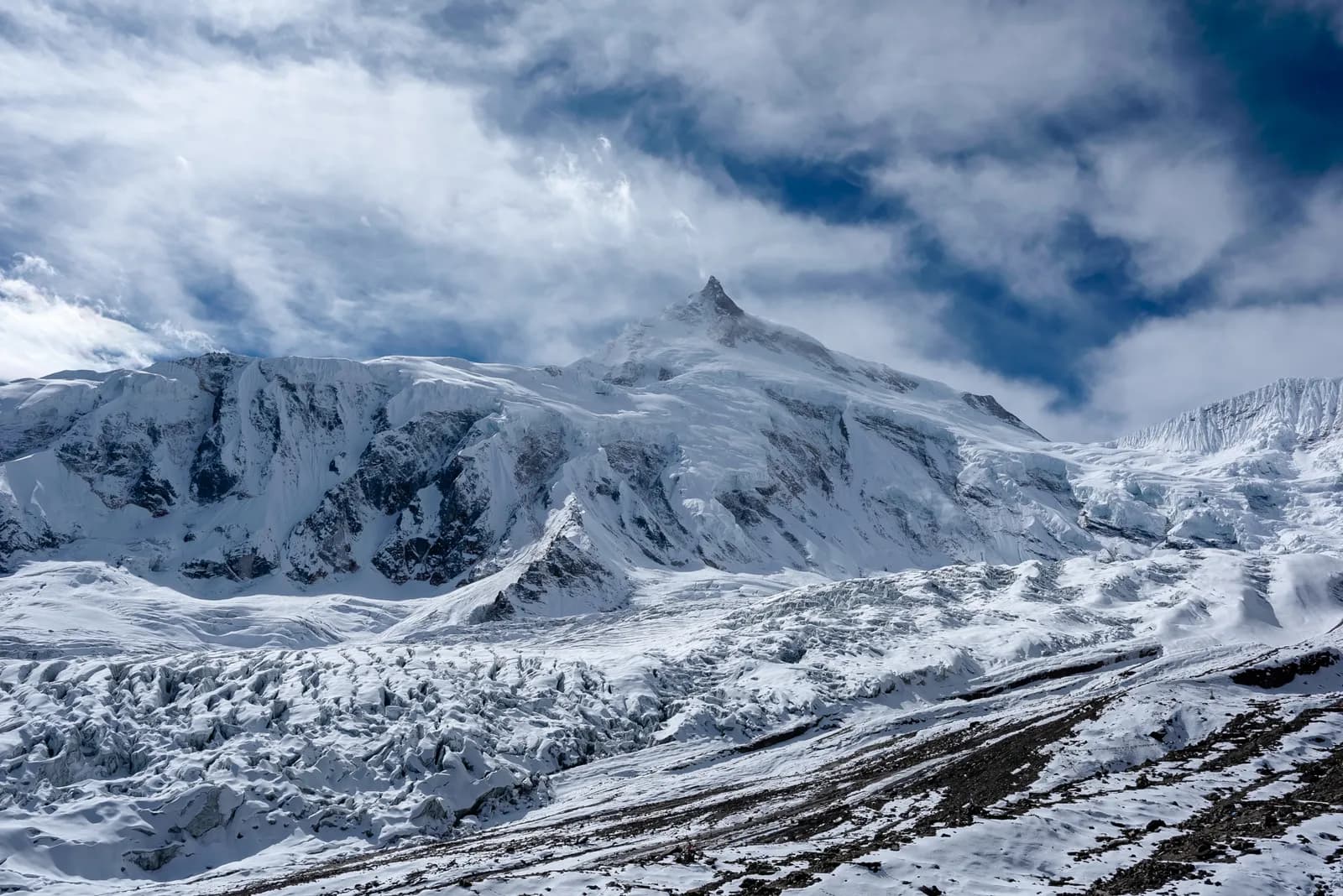
A 14-day trek such as the Manaslu Circuit or the Annapurna Circuit gives you little time off. The Manaslu plan has long days of six to seven hours from Machha Khola (870 m) to Jagat (1,340 m), Deng (1,860 m) and Namrung (2,630 m), then a build-up through Lho (3,170 m) and Samagaun (3,530 m) to a high camp at Dharamsala (4,470 m) before a day of eight to ten hours over the Larkya La, which our route data puts at about 5,106 m. The Annapurna Circuit has its own run of five- to six-hour days past Chame (2,670 m) and Upper Pisang (3,300 m) before the Thorong La day of eight to ten hours.
Several things stack up.
- Sleep. The NHS lists difficulty sleeping among the main symptoms of altitude sickness, and many healthy people sleep badly above 3,000 m. A week of poor nights is tiring on its own.
- Food. Appetite drops at height, menus are repetitive and a diet of rice, noodles and potatoes can feel thin after ten days. Eating less lowers energy and mood.
- Cold and discomfort. Unheated rooms, damp socks and cold mornings use energy and wear down patience.
- No routine. There is no news, exercise pattern, favourite coffee or ordinary day to reset against, and the same view repeats.
- Repetition and distance. By day 8 the novelty has worn off and the goal is still days away.
None of this means something is wrong with you, and none of it is a reason to quit.
Fatigue or altitude illness: how to tell
This is the question that matters, because the answers are opposite. Fatigue is managed by rest and food; altitude illness is managed by stopping and, if it worsens, descending.
| Sign | Ordinary fatigue | Altitude illness |
|---|---|---|
| Tiredness | Improves with food, tea and a night's sleep | Persists or worsens despite rest |
| Headache | Mild, eased by water and food | Persistent, worsening, with nausea |
| Appetite | Low but you can eat something | Loss of appetite with nausea or vomiting |
| Breathing | Puffing on climbs, settles when you stop | Breathless at rest, cough, gurgling |
| Balance and thinking | Normal | Clumsy, confused or unusually drowsy |
The NHS lists headache, loss of appetite, nausea, tiredness, dizziness and poor sleep as the main symptoms of altitude sickness, usually starting six to ten hours after reaching a new height. If you have them, tell someone, rest at the same altitude and do not go higher; mild symptoms usually improve in one to three days. If they worsen or do not improve after a day, go down by around 300 to 1,000 m if you can. Confusion, problems with balance, breathlessness at rest, a frothy or bloody cough, blue or grey lips or being very sleepy need immediate medical help and descent. See HAPE and HACE warning signs and what normal looks like day by day at altitude.
When in doubt, treat it as altitude illness. A spare day costs little; a missed warning can cost a lot.
Practical ways to keep going
Protect the basics. Eat even when you are not hungry, in small amounts if need be, and keep drinking. Sweet tea, soup, porridge and eggs work when dal bhat will not; our guide to dal bhat and the teahouse menu lists options. Keep a few snacks you like, because a favourite biscuit is a better morale tool than you would think.
Break the day into small goals. Instead of "six hours to Namrung", think "the next bridge", "the next village", "tea at the next stop". It works because the brain handles short targets better than long ones.
Protect sleep. Warm socks and a hot water bottle in the sleeping bag, an eye mask and earplugs for noisy lodges, and a clean, dry base layer for the night help. Our sleeping bag temperature ratings guide covers warmth.
Build in rest days and a spare day. A rest day every three to four days above 3,000 m is the NHS guidance, and the Manaslu plan has rest days at Samagaun (3,530 m) and Samdo (3,875 m), and the Annapurna Circuit has one at Manang (3,540 m). These are not wasted days; they are the reason you finish. See rest days: where to acclimatise on EBC and the Annapurna Circuit. A day in hand also gives you room if you are ill or the weather turns; our post on buffer days and itinerary flexibility explains how many to keep.
Change something small. A different route to the next village, a shorter day, a tea shop with a view, a conversation with a local family, a few minutes of writing or photos: small changes reset a flat mood.
Move at your own pace. Many people burn out by chasing a faster partner. Walk at a speed that lets you hold a conversation.
Looking after a partner
If you are walking with someone, you will probably notice their slump before they do. A few habits help.
- Agree the rules in advance. Before the trek, agree that anyone can call a stop, that nobody is teased for asking, and what you will do if one person needs to rest; see what to agree with trekking partners before you book.
- Ask, do not tell. "What would help most right now?" works better than "come on, we're nearly there".
- Offer a smaller goal and a treat. The next village, then tea and something sweet.
- Take turns setting the pace. The slowest person should usually set it, and the fastest can carry a bit more.
- Do not push someone who is ill. If they have symptoms of altitude illness, the plan changes: rest, then descend if they worsen.
- Check yourself. Irritability is contagious. A short silence, a walk alone for ten minutes within sight and a snack often fix a growing argument.
Our trekking partner safety roles and what if your partner cannot continue guides cover the serious end of the same situation. If you have not yet found someone to walk with, how to find a trekking partner safely is the place to start, and the Manaslu Circuit partner page and Annapurna Circuit partner page list people planning those routes.
The role of the guide
A guide has seen the slump many times and will usually spot it first. A good one adjusts the day, finds a better lodge, tells you what is coming and knows when tiredness is more than tiredness. On the Manaslu Circuit, which is a restricted area, a licensed guide through a registered agency is part of the permit; on the Annapurna Circuit, the Nepal Tourism Board rule of April 2023 applies and 2026 operator reports say ACAP checkpoints enforce it (checked 19 October 2026). Either way, tell the guide how you feel honestly, early. See the guide rule explained and guide versus porter roles.
When low mood is more than a slump
A flat patch that lifts with food, rest and company is common. Feelings that are severe, persistent, frightening or accompanied by confusion are different, and are a reason to talk to your guide, your partner and, back at a town, a doctor. Do not hide them to keep the group moving.
The short version
Eat, drink, sleep, take the rest days, shrink the goals, and keep telling the truth about how you feel. If symptoms of altitude illness appear, stop climbing, and go down if they worsen. For other health topics, see the altitude and health category.