First Aid Kit for Nepal Treks: A Practical Checklist
A realistic first aid kit for a Nepal teahouse trek: blisters, stomach, pain, cuts, cold and altitude items, what to discuss with a doctor, what to leave out and how to share a kit between partners.
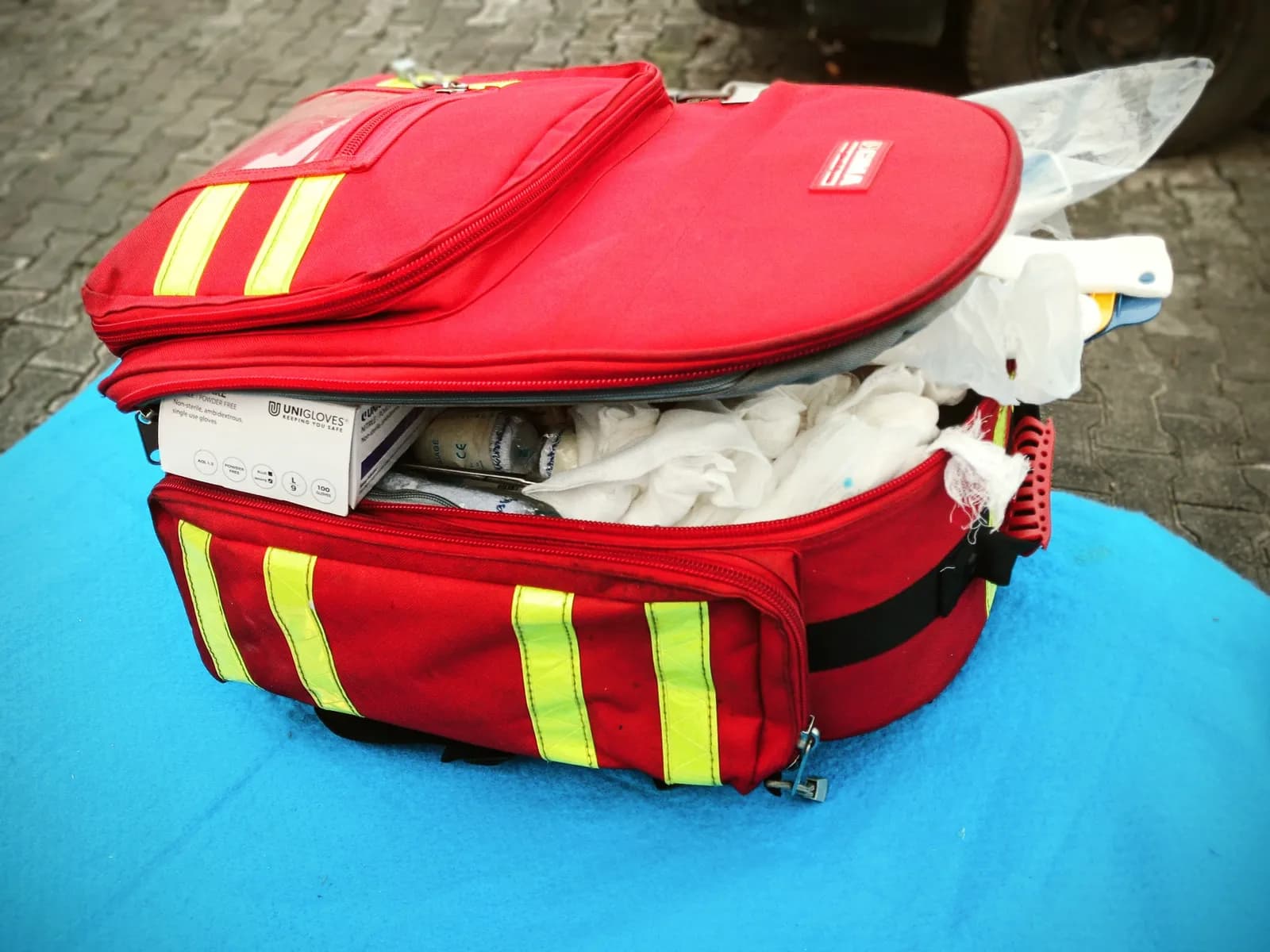
A first aid kit for a Nepal teahouse trek can be small, because lodges and villages are never far, but it should be built around the five things that really go wrong: blisters, stomach trouble, pain and inflammation, small wounds and cold. Carry blister care, oral rehydration salts, simple pain relief, wound dressings, a few personal medicines agreed with a doctor, and a way to keep warm and dry. Leave out heavy medical gear that you cannot use, and put the whole kit in a bag you can reach without unpacking. The rest of this guide goes through the contents, explains what the CDC and NHS say about the items they mention, and suggests how partners can share one kit.
This is general information, not medical advice. Check every item with a doctor, travel clinic or pharmacist, especially medicines, and learn how to use what you carry. For a short list of what else goes in your pack, see the Nepal trek packing list.
Annapurna Circuit Trek的開放行程
由正在尋找夥伴的健行者發布的真實行程。

What goes wrong on a teahouse trek
Most medical problems on routes such as the Annapurna Circuit, Everest Base Camp and Langtang Valley are minor and predictable. Blisters from days of walking in boots. Stomach upsets from unfamiliar food and water. Headaches and poor sleep above 3,000 m. Sore knees on long descents. Cuts and scrapes. Sunburn and chapped lips. Colds and sore throats from dry air. Serious altitude illness and injuries are rarer but far more important, and they are not a first aid kit problem: they need descent, a guide and, sometimes, a helicopter, as described in our emergency guide. The kit's job is to stop small problems becoming big ones.
Feet first: blister care
Blisters end more treks than most people expect. Carry blister plasters or hydrocolloid dressings, tape for hot spots before they blister, a small pair of scissors and a few safety pins or a needle for draining, plus antiseptic wipes. Treat a hot spot the moment you feel it, not at the end of the day. Spare socks and a lightweight foot powder help, and good boots that you have walked in at home matter more than anything in the bag. Our fitness training plan includes a boot-break-in step for this reason.
Stomach and hydration
The CDC calls travellers' diarrhoea the most predictable travel illness and says fluid replacement is key to treatment, using packaged oral rehydration salts mixed into boiled or treated water when fluid loss is severe. Carry several sachets. The CDC also notes that anti-motility drugs such as loperamide are not recommended on their own for bloody diarrhoea or diarrhoea with fever, and that azithromycin is the preferred antibiotic for severe cases, with fluoroquinolone resistance limiting other options. Antibiotics are prescription medicines, so decide with a clinician before you leave whether to carry any. Hand sanitiser with at least 60% alcohol is the CDC's recommendation when soap and water are not available. Our guides to teahouse food hygiene and water purification cover how to avoid the problem in the first place.
Pain, inflammation and headaches
Paracetamol and ibuprofen are the usual pair. The NHS lists both for knee pain, as gel or tablets, and the CDC lists ibuprofen as a drug that may help prevent acute mountain sickness, though less effectively than acetazolamide. None of that replaces a slow ascent, and a headache that gets worse is a symptom to act on, not to mask. Read the label, do not exceed the dose, and ask a pharmacist if you have stomach, kidney, liver or blood-thinning concerns. Our knee guide explains how to use poles and pacing so that you need fewer tablets.
Altitude medicines: talk to a doctor
Acetazolamide (Diamox) is the main drug discussed for altitude illness; the CDC lists a prevention dose for adults and a higher treatment dose, and notes it can also help with disturbed sleep at altitude. It is a prescription drug in many countries, it has side effects and cautions, and it is not a licence to ascend faster. Dexamethasone and other drugs are for treatment under medical direction. Our Diamox guide sets out what the CDC says, and HAPE and HACE warning signs explains why drugs are never a substitute for descent. If a doctor prescribes anything, take the written instructions with you.
Wounds, sun and cold
For cuts and scrapes carry adhesive dressings in several sizes, a few sterile gauze pads, a crepe bandage, medical tape, antiseptic wipes and a pair of gloves. Add a compact elastic bandage for sprains, a pair of tweezers and a small safety pin. For sun, carry high-factor sunscreen, lip balm with sun protection and sunglasses; see sun protection and snow blindness. For cold, the NHS advice on frostbite is to get to shelter, remove rings and wet items, warm the area in warm, not hot, water, and never rub it or use direct heat; a lightweight emergency blanket or bivvy bag and spare gloves earn their weight on high passes. Our cold health guide covers the rest.
Personal medicines and documents
Pack your own prescription medicines in their original packaging, with a doctor's letter if they are controlled in Nepal or if you carry needles or syringes. Carry more than you need, split between two bags, so a lost duffel does not leave you without them. If you have an allergy, carry the antihistamine or adrenaline your doctor prescribes and tell your partners where it is and how to use it. Write your blood group, allergies and conditions on a card with your insurance number, and put it in the kit. For insurance, see travel insurance for high-altitude trekking.
What to leave out
Leave the surgical kit, the splints you do not know how to use, the large quantities of medicines and the dozen products that duplicate each other. A kit is only useful if you know what is in it and can reach it. Kathmandu and Pokhara have pharmacies selling common medicines over the counter, and the larger bazaars on the trails have small ones too, but stock and expiry dates vary, so buy what you need before you leave the cities and check the packaging. Do not buy medicine from a shop you cannot trust, and do not self-treat a high fever, bloody diarrhoea, chest symptoms or any altitude symptom that worsens.
Sharing a kit with partners
Partners can share a kit and save weight. Agree who carries it, keep it in a day bag, and let each person bring their own prescriptions and personal items. Write the contents on a card so that anyone can find things quickly, and check it at the start of every few days, replacing what you use. The partner safety guide lists the other emergency items worth agreeing, and the Annapurna Circuit partner page is a good way to find companions for a long route where a shared kit matters. The altitude and health hub links the rest of the series.
Checking and refreshing the kit on trek
A kit that is never opened fails when it is needed. Before you leave, lay everything out, check expiry dates, read the leaflets of any medicine and put a small card on top with the contents and what each item is for. Seal tablets and sachets in a zip bag so that damp and cold do not spoil them. On trek, look through the kit every few days and replace what you have used from the lodge shop or the next pharmacy; blister dressings, tape and rehydration sachets go first. Keep the kit in a day bag that you can reach quickly, not in the porter's duffel, which may be a day ahead of you. Tell your partners where it is and what it holds, so that anyone can use it if you are the one who needs help. Finally, remember that the kit is for first aid, not for treating serious illness: if you are using it more and more, the right next step is a rest day, a descent or a clinic, not a bigger kit.
Kit by route type
On a short route near Pokhara or Kathmandu, with lodges every hour or two, a very small kit is enough: blister plasters, a few dressings, pain relief and your own medicines. On a standard teahouse route such as the Annapurna Circuit or Everest Base Camp, add rehydration salts, hand sanitiser, tape and the items you discussed with your doctor. On a remote or restricted-area route, where villages are further apart and help is days away, a larger kit and a satellite messenger carried by the guide are worth discussing with your agency. In every case the guide's own kit adds to yours, and it is polite to ask what the guide carries so that you do not duplicate it.