Kanchenjunga permits: restricted area and conservation area
Which permits the Kanchenjunga trek needs, who issues them, how the agency and guide requirements work, what changed in 2026 reports and which official pages to check for the fees.

A Kanchenjunga trek needs three documents: a Restricted Area Permit from the Department of Immigration, a Kanchenjunga Conservation Area entry permit, and a TIMS card where the local office asks for one. You cannot collect them yourself on arrival in Kathmandu in the way you can for some open routes, because the restricted-area permit is applied for through a registered trekking agency, and the same agency must supply a licensed guide who stays with you for the whole trek. That is the rule as recorded on the Kanchenjunga region page and the Kanchenjunga Circuit route page, and it is the first thing to settle before you book flights to Bhadrapur.
This article explains what each document is for, why the details are unsettled, and how to avoid paying for a rule that has already changed. The fees are as of October 2026 (checked on 18 October 2026 on the Nepal Tourism Board pages), but the chargeable days have changed more than once and trekking blogs disagree with each other. The authoritative numbers are those on the Department of Immigration and conservation area pages, or on your agency's written quote.
Chuyến đi đang mở tại Kanchenjunga Circuit
Các chuyến đi thật do người trekking đăng để tìm bạn đồng hành.
The three documents and who issues them
Restricted Area Permit. The Department of Immigration issues it, and a registered agency applies on your behalf. The permit is the reason a guide is compulsory: restricted areas are those where Nepal limits independent foreign travel.
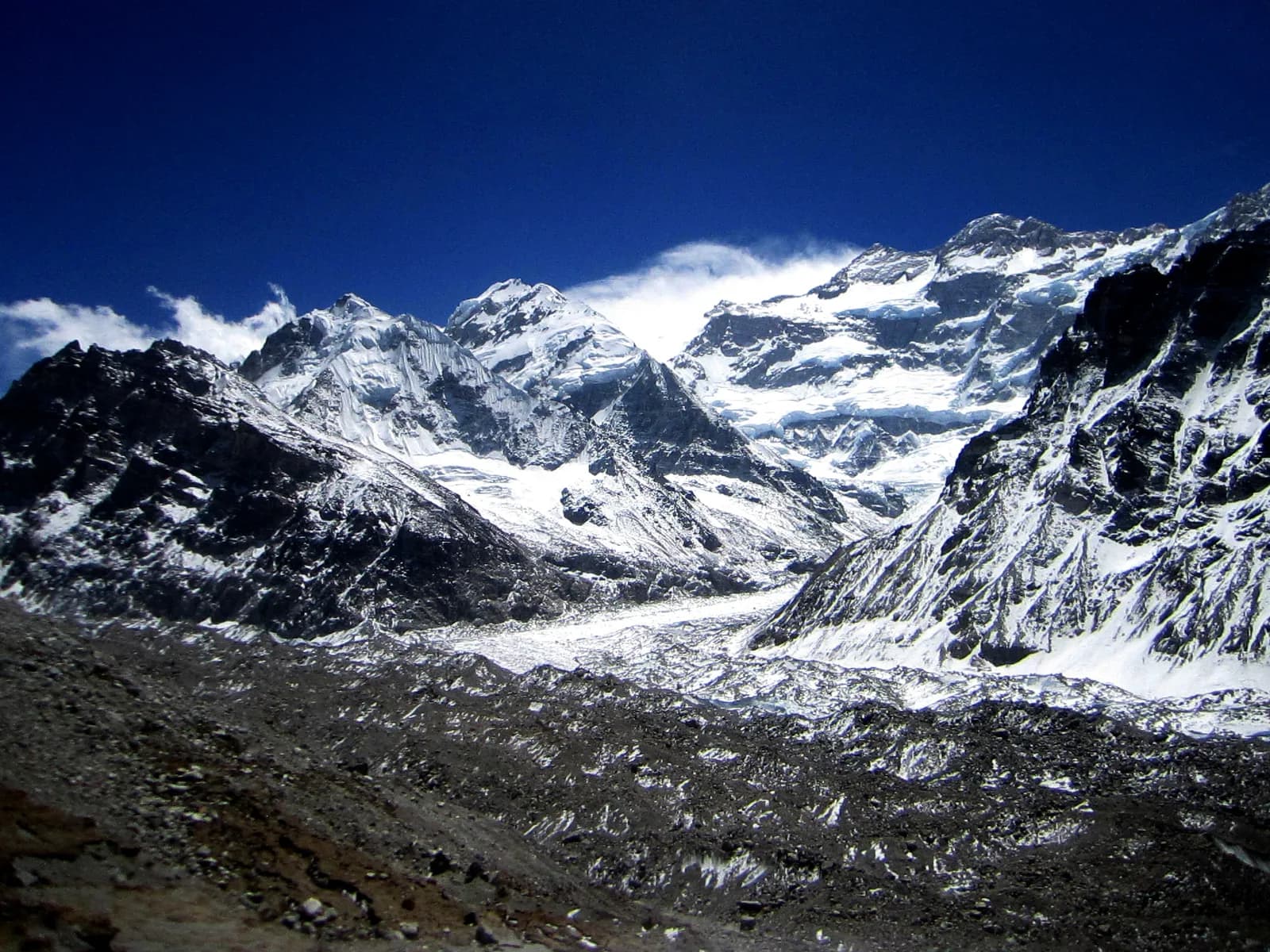
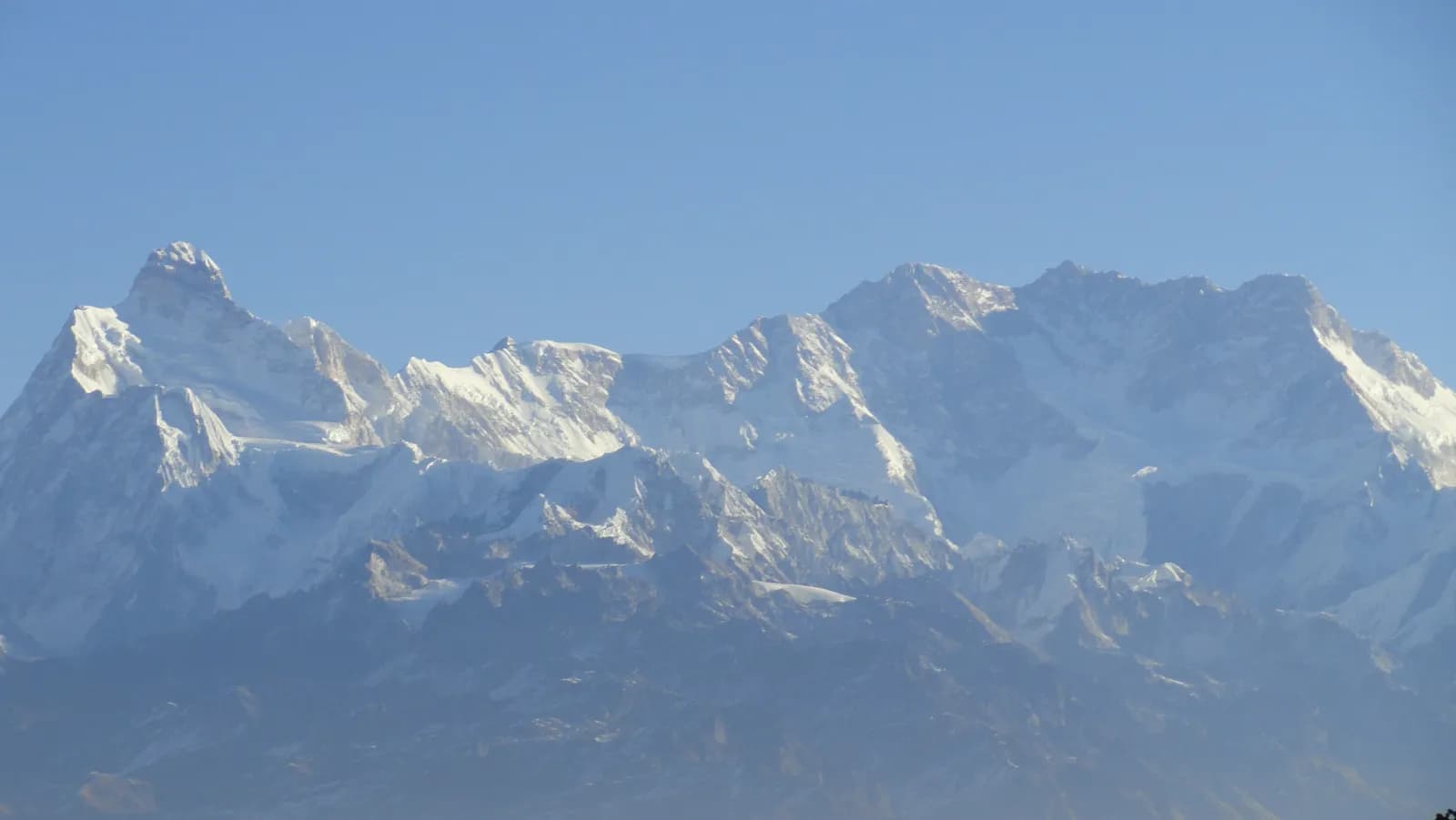
Kanchenjunga Conservation Area entry permit. The conservation area covers about 2,035 km2 along the border with Sikkim and Tibet. The entry permit is separate from the Immigration permit, and the agency normally buys both at the same time. The Department of National Parks and Wildlife Conservation publishes the framework for protected areas at dnpwc.gov.np.
TIMS card. The pack lists it as "where required". It depends on what the local office asks for, so treat it as something to confirm rather than assume.
A practical point: the permits are tied to your passport details and dates, so send your agency a clear scan of the passport page and your arrival date as early as you can. Changes of route after the permit is issued, for example from the full circuit to north base camp only, can cause confusion at check posts if the paperwork does not match.
What changed in 2026, and what we could not confirm
Two pieces of press coverage matter, and both need caution. Reports of a March 2026 notice say that individual foreigners may now apply for restricted-area permits, so the old minimum group of two no longer applies. In those reports the permit still goes through a registered agency, and the guide stays compulsory. Separately, a Kantipur article dated 6 May 2026 is headlined as covering restrictions on trekking for foreigners in controlled areas of 13 districts, with permits mandatory. When we fetched it, the page text showed only the headline and a one-line summary saying the Department of Immigration under the Ministry of Home Affairs aims to make foreign trekking systematic, safe and transparent. It did not name the districts or the effective date in the text we could read.
So the honest summary is that we have not seen the official text of either change. If your agency tells you "solo is now fine", ask which notice they are relying on and for a copy. If they tell you the old two-person minimum still applies, ask the same question. A good agency will answer, because it handles the application.
The guide requirement and what a guide does here
Restricted areas have required licensed guides for years, and the Kanchenjunga region page says a guide is needed "at all times". That is separate from national parks and conservation areas, where the Nepal Tourism Board April 2023 rule requires a guide and 2026 operator reports say checkpoints enforce it (checked 19 October 2026); see our guide rule explainer. On Kanchenjunga the distinction hardly matters, because the restricted-area permit already demands one.
In practice the guide here does more than on a busy route. The circuit has few other trekkers, rarely any signposts, a pass day of 6 to 8 hours between Selele and Tseram, and check posts at Sekathum, Ghunsa and Lhonak where someone has to deal with the paperwork. The helicopter rescue pathway from Ghunsa or Lhonak also depends on a guide who can call it. Ask to see the guide's licence card before you pay, as covered in our licence checking advice.
How to apply, step by step
- Choose the route first. North base camp only, south base camp only, or the circuit. The permit paperwork and the number of days depend on it.
- Pick a registered agency with a physical office and ask for its registration details, the guide's name and licence number, and a written list of what the price includes.
- Send passport scans and dates at least a few weeks before the start, and ask how long the agency expects the Immigration step to take. We give no processing time because none is published on the pages we could read.
- Ask which permits are included in the price and which you must pay on the trail. Do not assume.
- Carry copies. Take the originals plus several copies of your passport and permits for the check posts, as the region page advises.
- Keep spare days. A permit has dates. If the Bhadrapur flight is delayed or the road to Sekathum is blocked by a landslide, ask the agency what happens to the permit period.
Fees as of October 2026
As of October 2026 the numbers are these. Conservation area entry: NPR 2,000 per foreigner per entry. Restricted-area permit for Phantanglung, Mikwakhola and Sirijunga in Taplejung: USD 20 per person per week for the first four weeks and USD 25 per week after that. On the 17 permit days of our Kanchenjunga Circuit plan that is three started weeks, so USD 60 (about NPR 8,000) plus NPR 2,000: roughly NPR 10,000 per person. The permits are the small part of this trek. The Nepal Airlines flight from Kathmandu to Suketar (Taplejung) was quoted at NPR 9,267 in November 2025 and NPR 12,000 in April 2026, runs three days a week and is often cancelled, and guides are quoted at NPR 4,000 to 6,000 a day. The "What it costs" section of the route page adds these up. To check the numbers yourself, the Department of Immigration website lists restricted-area trekking information and notices, and the conservation area entry fee is on the Nepal Tourism Board park fees page. Your agency's quote should break out the permit lines separately so you can compare them. If a quote shows one lump sum for "permits", ask for the split. Our permits explained article shows how the fee categories fit together across Nepal, and the Manaslu restricted-area permit guide is a useful comparison because it uses the same agency-and-guide model.
Sharing the cost with partners
Permit lines are per person and do not fall as the group grows; the guide and agency cost is a group cost and does. That is the main reason to look for partners on a trek this remote. If you meet people through Find Trekking Partner, agree the route, the dates, the agency and who pays whom in writing before anybody transfers money. Our partner safety guide covers what to agree. If the rule on individual permits does turn out to be as the March 2026 reports describe, the saving from sharing is still real, because the guide and agency cost does not shrink for a smaller group.
Common mistakes
- Relying on an undated fee table. Fees are listed on trekking sites with different amounts and dates. Ours are dated October 2026 and sourced; for the final word use an official page or the agency's written quote.
- Assuming the old rule or the new rule without evidence. Ask for the notice.
- Forgetting copies. Check posts do not wait while you look for a printer in Ghunsa.
- Changing the route on the trail. The permit is for the area and dates you applied for.
- Booking tight onward flights. Delays at Bhadrapur or on the Taplejung road are common, and the permit period keeps running.
Where this fits
Permits are one step in the sequence. After them come the road legs described in getting to Kanchenjunga, the day plan in our Kanchenjunga itinerary and the overview in the region trekking guide. For permits across the country, return to the permits and rules hub.
Lên kế hoạch cho chuyến trek này
Ảnh
Câu hỏi thường gặp
Nguồn
- Nepal Tourism Board: Park Entry Fees
- Nepal Tourism Board: Trekking Permit (restricted areas)
- Department of Immigration, Nepal
- Department of National Parks and Wildlife Conservation, Nepal
- Restrictions on trekking for foreigners in controlled areas of 13 districts (Kantipur, 6 May 2026)
- Kanchenjunga Conservation Area (Wikipedia)
- Nepal Tourism Board