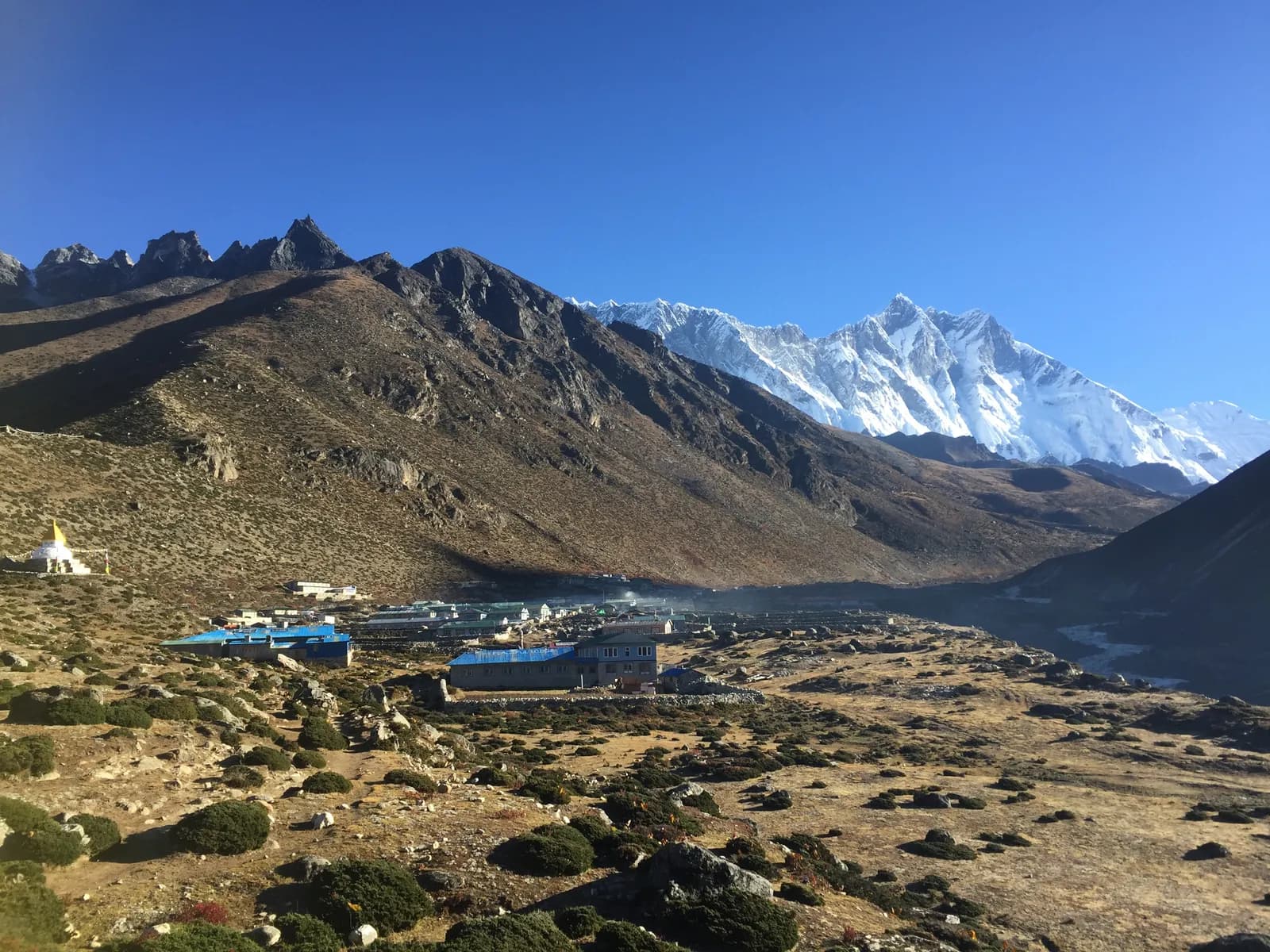
Sleeping Well at Altitude on a Nepal Trek
Why sleep gets worse above 3,000 m, what periodic breathing is, what the CDC says about acetazolamide and sleep aids, practical lodge tips, and when poor sleep is a warning sign.
Most trekkers sleep worse above 3,000 m, and that alone is not a sign of anything wrong. The CDC says that some degree of periodic breathing becomes nearly universal at altitude and can interrupt sleep, so expect lighter sleep, frequent waking and odd dreams, and focus on what helps: a slow ascent, a warm bag, no alcohol, a calm evening routine and, if your doctor agrees, acetazolamide. What matters is the pattern. Poor sleep that eases as you acclimatise is normal; poor sleep with a worsening headache, vomiting, confusion or breathlessness at rest is a warning that needs a rest day or a descent. This guide explains why it happens, what the sources advise and what actually helps in a teahouse.
This is general information, not medical advice. For the symptoms to watch, read altitude sickness basics and what normal looks like day by day at altitude.
ทริปที่เปิดรับใน Everest Base Camp Trek
ทริปจริงที่นักเทรคโพสต์เพื่อหาเพื่อนร่วมทาง

Why you wake at 3 a.m.
At altitude the air has less oxygen, and your body responds by breathing faster. That lowers carbon dioxide in the blood, which dampens the urge to breathe, especially in sleep. The result is cycles of fast breathing, then pauses, then fast breathing again, which is called periodic breathing. The CDC says that some degree of periodic breathing becomes nearly universal at altitude and can interrupt sleep. You may wake with a start, feel a moment of breathlessness and then settle, or you may notice your partner's breathing stop and start. It usually looks worse than it is and fades as you acclimatise, often within a few nights at the same height. A night at a new, higher altitude is the worst; the second night is usually better, which is why rest days at places such as Namche, Dingboche and Manang help sleep as well as walking.
What the sources say about sleep aids
The CDC says acetazolamide helps periodic breathing and can improve night-time oxygen levels, and that alcohol and opiates should not be used as sleep aids at altitude. It notes that certain short-acting sleep medicines, such as zolpidem and zaleplon at low doses, are described as generally safe, with a long gap before activity, but that is a decision for a clinician, not a trekker, and a sleeping pill is not a treatment for altitude illness. The NHS advises not drinking alcohol while travelling or climbing at altitude. Our Diamox guide sets out what the CDC lists on acetazolamide, its side effects and why it does not replace a slow ascent. If you are thinking of taking anything for sleep, ask your doctor before you leave and bring written advice.
What helps in a teahouse
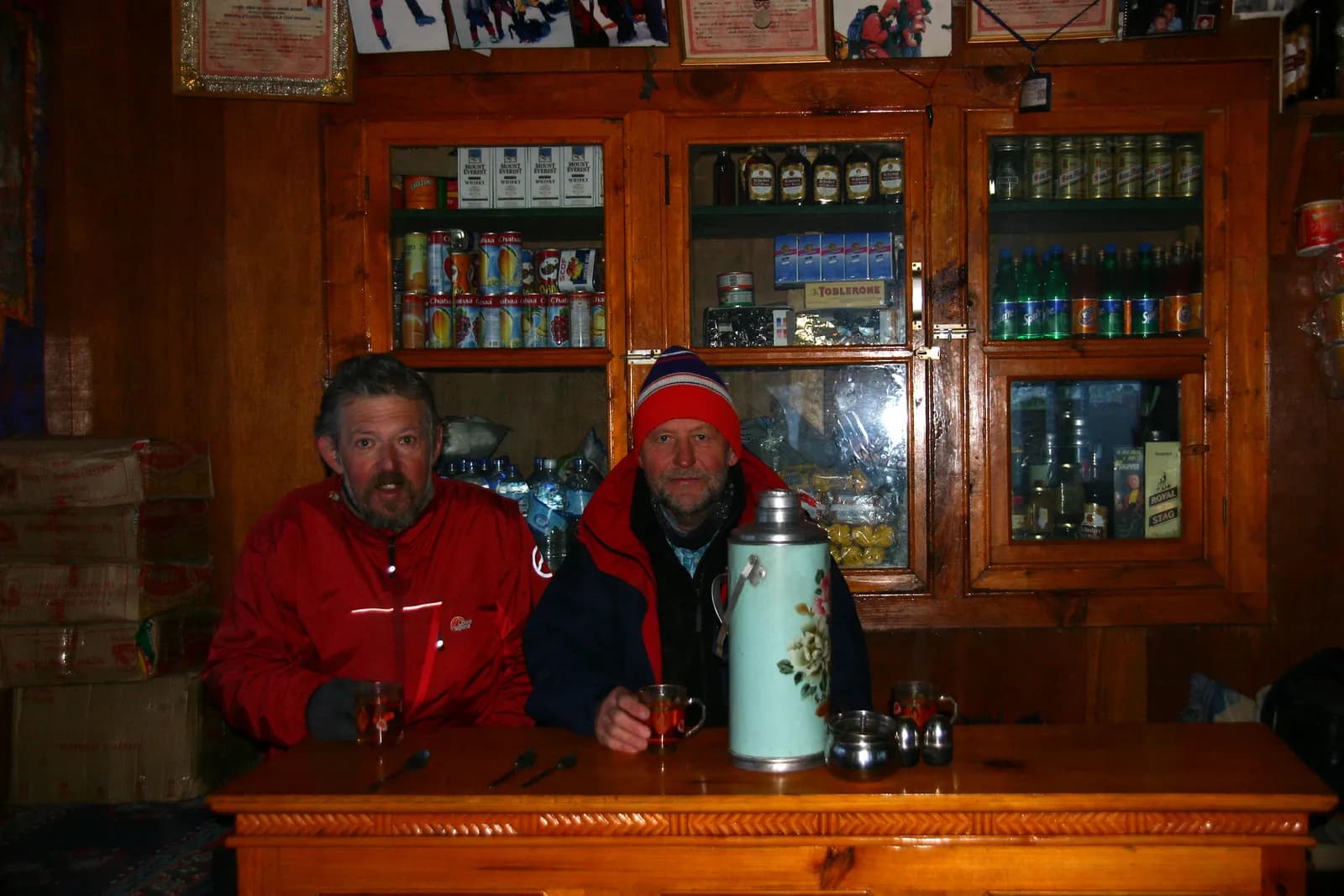
Start with warmth. Teahouse rooms are basic: a bed with a thin mattress, a plywood partition and no heating, so a sleeping bag rated for the lowest night you expect matters; see sleeping bag temperature ratings. Wear a warm hat and dry socks, and fill a metal or hard plastic bottle with hot water and put it at your feet. Bring earplugs, since the walls are thin and others cough and move at night. Eat a warm meal early, drink fluids through the day but taper in the evening so you are not up to the toilet every hour, and have a short walk after dinner if you feel well. Avoid caffeine in the afternoon, and avoid alcohol altogether. Keep a headtorch and your water bottle by your head, so you can find them without fuss.
The room and the bed
Ask for a room on the sunny side, away from the dining room's late noise, if there is a choice. Check that the window closes, and use the extra blanket if the lodge offers one, which most do. Sleeping with your head slightly raised can help a stuffy nose; a rolled jacket does the job. In lodges with an indoor stove, the dining room is warm in the evening and cold the moment the stove goes out; get to bed while it is warm, and keep your clothes for the morning inside your sleeping bag so they are warm when you wear them. If you share a room, agree quiet hours and head-torch etiquette with your partners.
Calming the night
Many trekkers lie awake because they are worried about the symptoms. Knowing what is normal helps: light sleep, vivid dreams, waking for a few breaths and a mild morning headache that eases with fluids and breakfast. A simple routine can help: the same order each evening of washing, brushing teeth, packing for the morning and a few minutes of slow, relaxed breathing, in through the nose and out through the mouth. If you wake breathless, sit up, take slow breaths and give it a minute. If you cannot settle, do not lie there worrying; read a few pages by head-torch and try again. Do not use sleeping tablets or alcohol to push through the problem.
When poor sleep is a warning
Poor sleep is part of the altitude picture, but it is also one of the symptoms of acute mountain sickness. If poor sleep comes with a headache that does not respond to rest and fluids, nausea or vomiting, dizziness, loss of appetite or unusual fatigue, treat it as altitude illness: stay at the same altitude, rest and do not go higher. If you wake with severe breathlessness at rest, a wet cough, a headache that is getting worse, confusion or unsteadiness, treat it as an emergency and descend, with help. Our HAPE and HACE warning signs guide lists the signs, and the NHS says that if symptoms worsen or do not improve after a day you should go to a lower altitude, around 300 to 1,000 m lower if you can.
Using the itinerary to protect sleep
The best sleep aid is the schedule. Our 300 m rule guide shows the night-by-night gains on the Everest Base Camp and Annapurna Circuit plans, and notes where the sleeping altitude jumps most: for example Dingboche at 4,410 m, Lobuche at 4,940 m and Gorak Shep at 5,164 m, or Yak Kharka at 4,050 m and Thorong Phedi at 4,540 m. Those are the nights when sleep is worst, so make them as comfortable as you can: arrive early, eat well and go to bed warm. Rest days at the same altitude every 3 to 4 days, as the NHS advises, give your body time to adapt. Rest days on EBC and the Annapurna Circuit explains what to do on them.
Sharing a room with partners
Partners sharing a room can help each other: you can notice each other's breathing, wake each other if one seems confused and share the cold. Agree before the trek that anyone can say, "I did not sleep and I do not feel right," and that the group will rest. A good night's sleep is one of the signs that the group is acclimatising well; a bad night for everyone is a good reason to stay put for a day. If you are looking for partners with a cautious schedule, see the Everest Base Camp and Annapurna Circuit partner pages. The altitude and health hub links the rest of the series.
A simple evening routine
Try the same order each night: wash and brush teeth early, before the dining room cools, put tomorrow's clothes inside your sleeping bag foot, fill the bottle with hot water, set out the headtorch and the water bottle by your head, and then spend ten quiet minutes with a book or a slow breathing exercise. A routine tells the body that the day is over, and it also gives you a checklist that stops you lying awake wondering whether you have forgotten something. If you wake in the small hours, do not check the clock; it only feeds the worry. Remember that a night of light sleep at altitude does not make you ill, and that you can walk well on less sleep than you expect.