Panch Pokhari trek guide: five sacred lakes near Kathmandu
A five-day trek from Chhimti near Melamchi to the five alpine lakes of Panch Pokhari at about 4,100 m: day by day, permits, season, lodging and who it suits.
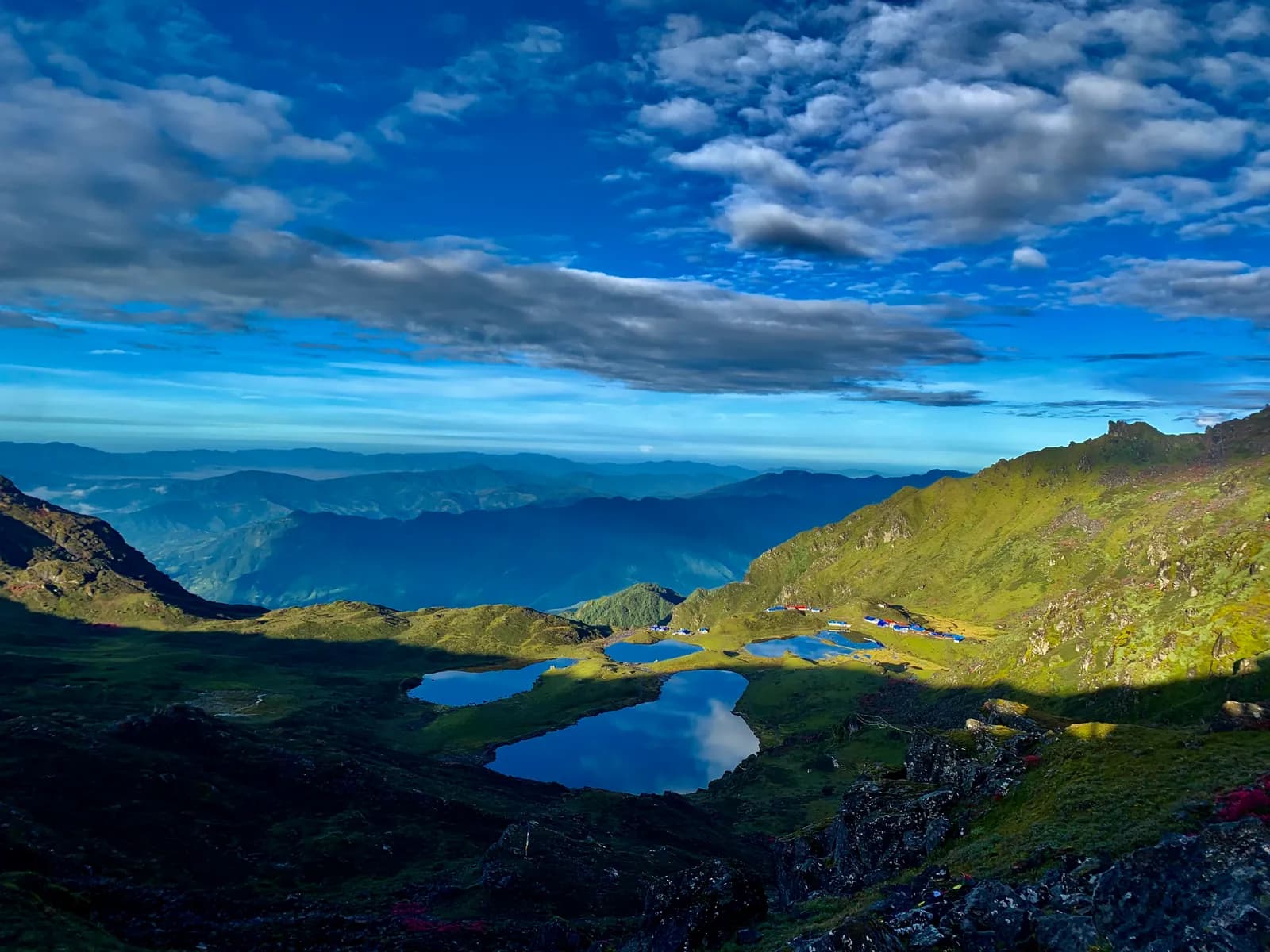
The Panch Pokhari trek is a five-day, out-and-back walk from the road at Chhimti, five to six hours north-east of Kathmandu by road, up to five alpine lakes at about 4,100 m below the Jugal Himal in Sindhupalchok District. It is rated moderate to hard because it climbs about 2,500 m in three days, with nights at about 3,700 m and 4,100 m, but it needs no flight and no restricted-area permit. It suits fit walkers who have trekked before and want a short, quiet route with a pilgrimage lake at the top. The Panch Pokhari route page has the day plan this article follows.
If you have three or four spare days around a Kathmandu stay and want altitude without a flight, this is one of the closest real treks. If you are new to altitude, start with a gentler walk such as Chisapani to Nagarkot and read our short treks from Kathmandu guide first.
ทริปที่เปิดรับใน Panch Pokhari Trek
ทริปจริงที่นักเทรคโพสต์เพื่อหาเพื่อนร่วมทาง
Day by day
Day 1: Kathmandu to Tuppi Danda. Drive to Chhimti through Melamchi, five to six hours depending on traffic and road works. Then start walking: about 6 km and 1,050 m of climbing through forest and terraces to Tuppi Danda in about four hours, where a basic lodge is your first night. Operators give two different heights for Tuppi Danda, so do not worry about the exact figure.
Day 2: Tuppi Danda to Nesyampati. A climb of about 5.7 km and 850 m takes four to five hours by our estimate, through forest past Ratomato and Chokkardada, a ridge at about 3,100 m, to Nesyampati, where a hotel stands at about 3,700 m. Two operators agree on the height, and it is your first night above 3,500 m, so keep a slow pace.
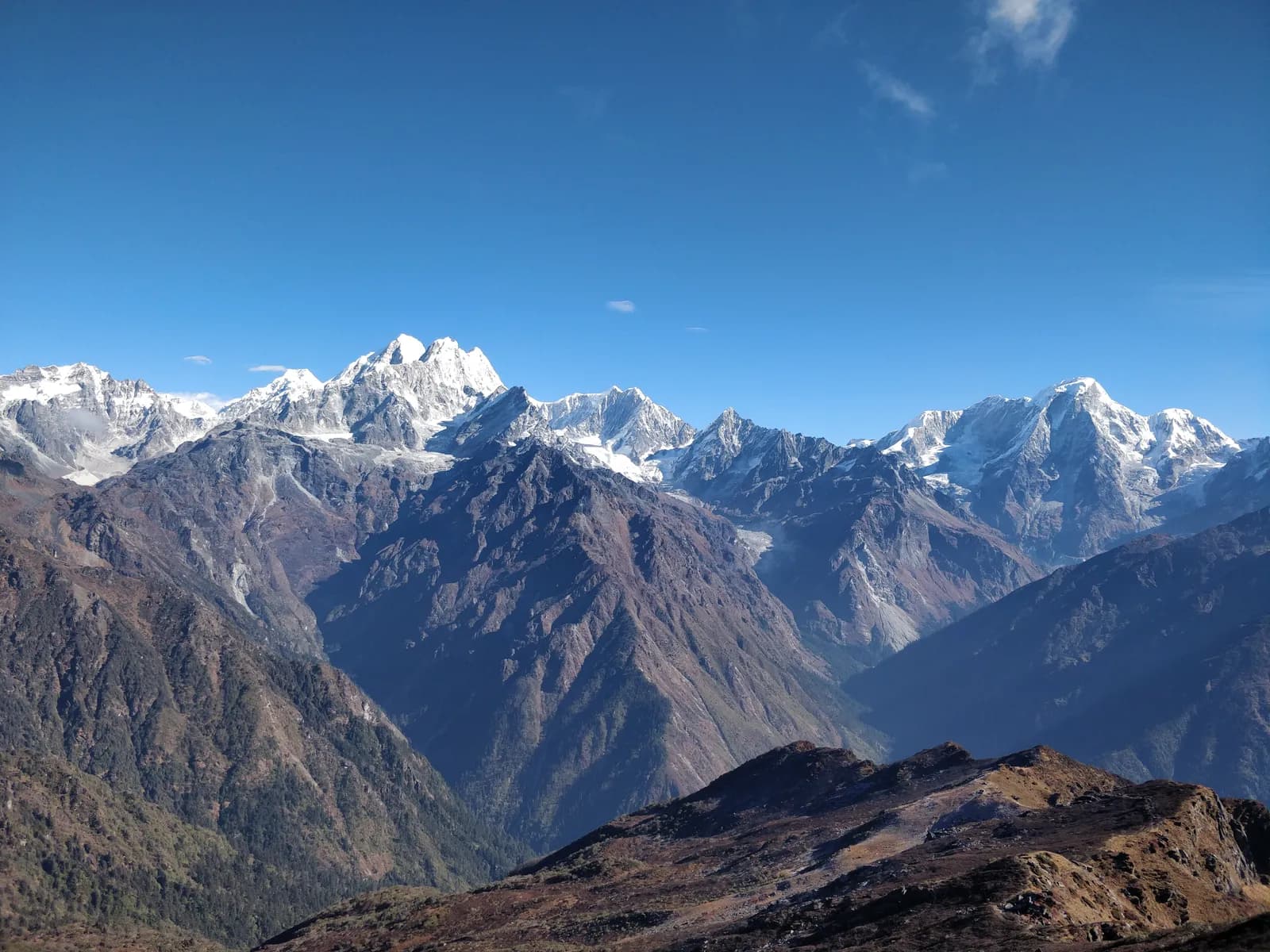
Day 3: Nesyampati to Panch Pokhari. About 4.9 km and 600 m of climbing, four to five hours, through rock and tussock to the lakes at about 4,100 m. Nepal Traveller says four hours and operators say five to six, so allow five. The five lakes lie in a shallow basin under the Jugal Himal, with Dorje Lakpa and Phurbi Chyachu in view, and a hotel stands beside them.
Day 4: lakes to Tuppi Danda. A 30 to 60 minute walk to a viewpoint above the lakes at about 4,300 m is optional at sunrise. Then comes the long descent, about 10.6 km and 1,440 m down to Tuppi Danda, six to seven hours with the viewpoint. It is steep and rocky near the top and hard on the knees lower down, so use poles.
Day 5: Tuppi Danda to Kathmandu. About 6 km, mostly downhill with 1,050 m of descent, takes about two hours to Chhimti, and the road back to Kathmandu takes five to six hours. Keep a margin for landslides and road works in the monsoon, and do not schedule an international flight that evening.
Difficulty and fitness
The pack rates the trek moderate-hard. Three things make it harder than its five days suggest: the climb is steady and unbroken, the altitude gain from about 1,500 m to 4,100 m is quick, and there is no rest day in the plan. Sleeping at about 3,700 m and then at 4,100 m on consecutive nights is where headaches start for some people. If you feel unwell at the lakes, descend rather than wait: the way down is the way you came, and it is only 1,440 m to Tuppi Danda. Our altitude sickness basics cover the warning signs, and the acclimatisation schedule guide explains why a spare night helps. Many people add one day at Nesyampati to be safe, and the route works well that way.
Permits and the guide question
The area is not on the Nepal Tourism Board restricted-area list, so you do not need a Department of Immigration permit. Wikipedia places the lakes near Langtang National Park, and we found no official page that sets a fee for this trek, so ask your agency what permits it has arranged. A TIMS card may be requested. For the general picture see our permits overview.
On the guide: for national parks and conservation areas the written rule is the Nepal Tourism Board announcement of April 2023 (we found no separate Department of Immigration or DNPWC notice), and 2026 operator reports say checkpoints enforce it in Annapurna (ACAP) and Langtang, the strictest, and most other parks, but not in Khumbu (checked 19 October 2026). We found no checkpoint report specific to this route. The trails above Tuppi Danda are lightly marked and some sections of longer plans have no villages, so most trekkers go with an agency or a local guide. See guide rule by region for the dated wording.
Best season and the August pilgrimage
March to May and October to November are the steadiest months, with the best views of Dorje Lakpa. Winter is possible with snow equipment. In August the lakes are sacred to Hindus and Buddhists, and pilgrims come for Janai Purnima to bathe in them, so lodging fills up and the hillside is busy, but the weather is wet. If you want solitude, avoid that week; if you want the festival, book early and bring rain gear. Our monsoon trekking guide covers the wet-season trade-offs.
Lodging, food and costs
There are basic lodges at Tuppi Danda, a homestay and lodge at Nesyampati and a hotel at the lakes, according to Nepal Traveller. Menus are short and carrying snacks is sensible. Nepal Traveller quotes NPR 7,000 to 10,000 per person for the short trek including transport, meals and lodging, which reflects independent budget travel. The pack's dated cost data (checked 18 October 2026) gives a guide day rate of NPR 4,000 to 6,000 and a porter day rate of NPR 2,100 to 3,400, with 5 guide days and 4 porter days on this route, and shows the road fare as a line to check because no price is published in our sources.
The shared items are the guide, a porter and a private vehicle to Chhimti, and a partner cuts all three. The Panch Pokhari partner page lets you post dates, and the trekking partner hub explains how matching works.
Short route or long route
The plan here follows the short route from Chhimti described by Nepal Traveller. A longer route from Chautara takes ten to sixteen days with camping and joins the same trail at Nesyampati, passing sections with no settlement. For most people with a week or less, the short route is the sensible choice. The long routes suit trekkers who want a multi-day wilderness trip with a crew, and they are priced by agencies rather than by lodge, so compare quotes carefully and ask what is included.
What to pack
A warm sleeping bag, down jacket, hat and gloves for nights at 3,700 m and 4,100 m, waterproofs, poles, water treatment and a head torch for the viewpoint. Lodges are basic, so carry snacks. See the Nepal trek packing list.
Getting there and away
Buses and shared jeeps serve Melamchi, and the last stretch to Chhimti is by local jeep or on foot. Landslides can close roads in the monsoon. Longer routes start at Chautara, about five hours from Kathmandu, and join the same trail at Nesyampati. For the wider area see the Jugal Himal region page.
Verdict
Panch Pokhari is a quick, quiet, rewarding trek if you respect the altitude. Go in spring or autumn, add a day for acclimatising if you can, carry poles, and keep a buffer for the roads. For the other short options from the capital, compare Helambu and the Nepal trekking regions guide.