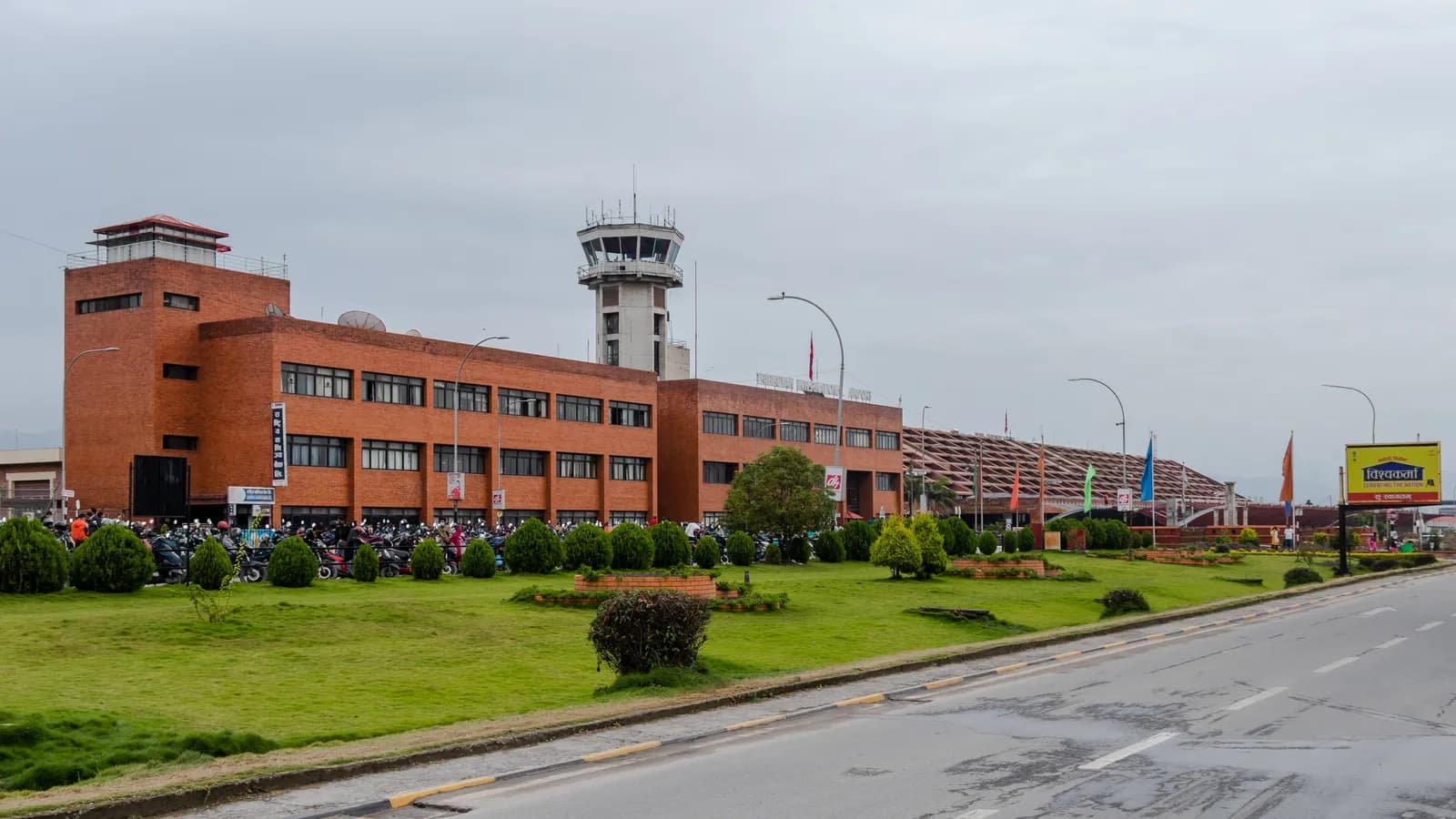
Where to stay in Kathmandu before and after your trek
Where trekkers should stay in Kathmandu: Thamel for gear and agencies, Boudhanath for quiet and Tibetan culture, Patan for a calmer old town, plus how to choose by flight time, how many nights to book and how to check a hotel before you pay.

Most trekkers stay in Thamel because it puts gear shops, trekking agencies, money changers and restaurants within walking distance, but the best base depends on your flight time, how much noise you can tolerate and how many nights you need. Thamel is the practical choice for a short, busy stay; Boudhanath and Patan suit people who want quiet and culture around the practical days. This guide compares the three, explains how many nights to plan, gives a method for checking a hotel before you pay and says why we quote no room prices: they are not in our cost tables, and they vary too much by room type and season for one figure to help.
For the budget side, see Kathmandu and Pokhara pre-trek costs. For the arrival journey, see the Kathmandu airport to Thamel guide.
Trip terbuka di Everest Base Camp Trek
Trip sebenar yang disiarkan oleh pendaki yang mencari rakan.
The three areas
| Area | What it is | Good for | Watch out for |
|---|---|---|---|
| Thamel | The tourist district of Kathmandu, packed with shops, agencies, restaurants and guesthouses | Gear, permits, meeting partners, a short stay | Noise at night, touts, narrow lanes with traffic |
| Boudhanath | The area around the large Buddhist stupa, with monasteries and Tibetan-style cafes | A calmer first or last night, culture | A longer ride to the Thamel gear shops and agencies |
| Patan (Lalitpur) | The old town around Patan Durbar Square, across the river from central Kathmandu | A quieter, historic stay | Further from agency offices; arrange transport |
These descriptions follow the general character of each district, and conditions change from year to year, so check recent reviews.
Thamel: the practical base
Thamel is where most trekking business happens. Rental and gear shops line the lanes, agencies keep offices here and many guides and partners stay nearby, which is why our guide to meeting partners in Kathmandu points to it. If your plan is a day of gear and permits followed by an early start, staying in Thamel saves hours of travel. Our renting versus buying gear guide explains what to do there.
The costs of convenience are noise and hassle. Lanes are busy until late, and sellers will approach you. Choose a room away from the main street and ask for a back-facing room if you are a light sleeper. A hotel with a garden or courtyard, which some Thamel hotels have, gives a quieter retreat.
Boudhanath: calm and culture
The Boudhanath stupa is one of the largest Buddhist monuments in the Kathmandu Valley, and the streets around it have monasteries, shops and cafes. Staying here is a good choice for a last night after a trek, when you want to sit rather than shop, or for a first night if you arrive tired. It is further from Thamel, so decide where your preparation day will happen and book a taxi. Our monastery etiquette guide helps with visiting respectfully.
Patan: the old town
Patan, also called Lalitpur, centres on its Durbar Square, with temples and carved brick buildings. It is calmer than Thamel and has a different feel, but agencies and gear shops are mostly elsewhere, so use it as a rest base rather than a working one. If you plan to see Patan before or after a trek, a stay there saves repeated cross-city rides.
Choose by your flight and schedule
Use your travel plan, not the brochure, to decide.
- Early flight (for example Lukla or Ramechhap): stay close to your pickup point and confirm the departure time. For Ramechhap, the drive is 4 to 5 hours from Kathmandu, so the pickup is before dawn. See the Kathmandu to Lukla flight guide.
- Road departure to a trailhead: ask your agency where the vehicle leaves from. Many leave from Thamel or nearby.
- Return night after a trek: pick the calmest hotel you can, because you will be tired, and keep your international flight at least a day away.
- Longer stay with sightseeing: split nights, with practical days in Thamel and quiet nights in Boudhanath or Patan.
How many nights
A reasonable plan has three kinds of night: arrival and rest, preparation, and buffers. For a flight-dependent trek such as Everest Base Camp, keep one spare night before the flight and one or two after the return. Our buffer days guide explains why, and the Everest region note says to keep one to two spare days for flight delays. For a short walk from the city such as Shivapuri Peak, you can use a hotel in the city as a base for day hikes; see the Kathmandu Valley rim hikes guide.
Check a hotel before you pay
- Read recent reviews from more than one site and look at the lowest ratings, not only the average.
- Ask for the total price, including tax and service charge, in writing.
- Look at the room and the bathroom before you commit to several nights. Test the hot water.
- Ask about luggage storage during your trek and what receipt they give.
- Ask about breakfast, laundry and an early pickup.
- Do not pay a large deposit to a personal account. Pay at the hotel, or through a platform you trust.
- Check how to reach the hotel at night, and whether lanes are open to cars.
For the scams that can start with a hotel booking, see trekking scams and tourist traps.
Sharing a room and the cost
A twin room costs much less than two single rooms, so sharing with a partner is the biggest city saving. Agree who books, how you split a room and what happens if a flight delay adds nights. Our trekking partner hub explains how to find a partner, and what to agree before you book lists the money questions. Contact details stay hidden until both trekkers agree, so you can meet in a public place first.
A short checklist
- Choose the area by flight time and noise tolerance.
- Book the nights with buffers.
- Get the total price in writing.
- Confirm luggage storage and pickup times.
- Keep documents and valuables with you.
- Leave a day between your trek and your flight home.
A sample three-night shape
A common pattern for a flight-dependent trek is to split the nights by purpose. The first night is for recovery and orientation, ideally somewhere you can sleep without a long ride from the airport. The second night, in or near Thamel, is for the practical day: meeting the agency, checking permits, gear and money. The third night is the one before the flight or the road, when you want an early bed and a short ride to the pickup point. After the trek, a calmer area suits the first night back, when you are tired and want to wash, eat and sleep.
If you are flexible, you can make the last night the most comfortable of the stay, since after a trek a hot shower, a quiet room and a proper bed are worth more than convenience. If you are on a tight budget, a simple room in the practical area for the preparation nights and a simple room in a quiet area for the rest costs no more than staying in one place and tends to give better sleep.
A quiet-room checklist
Noise is the most common complaint in the busiest district. When you view a room, ask which way the window faces, how far it is from the nearest bar or main lane, whether there is a courtyard, and whether the walls are thin. Ask about the early morning too, since delivery vehicles and temple bells start early. Test the lock, the hot water and the bed. If you plan to sleep before a pre-dawn pickup, ask whether the front door is staffed at that hour and how the driver will find you. If anything is unclear, ask for a different room before you pay for several nights.
The first night after a trek
Treat the night after a trek as a recovery night. Wash and dry your clothes, repack your duffel, eat something simple and sleep. Avoid scheduling a hard sightseeing day on the morning after a long descent: your legs, feet and stomach may need a day. Photograph your documents again, confirm your onward flight time and tip anyone who helped you. If your trek ended in a delay, tell your insurer and keep receipts for the extra hotel nights, as covered in our insurance guide.
Sightseeing without wasting the buffer
Spare days in Kathmandu are a good time to see the valley, since you cannot control the weather but you can control what you do with a delay. Patan, Boudhanath and the old squares are within a short ride of each other, and walks on the valley rim, such as Shivapuri Peak, give your legs something gentle. Keep sightseeing light before a high trek and plan it for the day after you return, when there is no risk to your schedule. See the Kathmandu Valley region page for the day walks and how they start.
Money and cash
Ask the hotel whether it accepts cards and whether it adds a fee, and carry enough rupees for taxis, small meals and tips. Change money at licensed counters and keep the receipt. Cash is scarce on the trail, so withdraw what you need before you leave the city, in small notes. For the cash side of a trek budget, see our package price guide and the costs hub.
More logistics guides are in the transport and logistics hub. Conditions and prices change; confirm everything with the hotel before you pay.