How to vet a trekking partner: a step-by-step checklist
A practical checklist for vetting a Nepal trekking partner before you commit: profile checks, a first call, a public meeting, a shared walk, money rules, agency and guide checks, and your exit plan.

To vet a trekking partner in Nepal, work through seven steps in order and stop at the first that fails: read the profile, hold a first call, meet in a public place, try a short walk together, agree the money in writing, check the agency, the guide and the insurance, and agree an exit plan. Each step costs little time, and together they catch most of the mismatches that ruin trips. The steps apply to a stranger from a trekking-partner site, a friend of a friend and a hostel acquaintance alike.
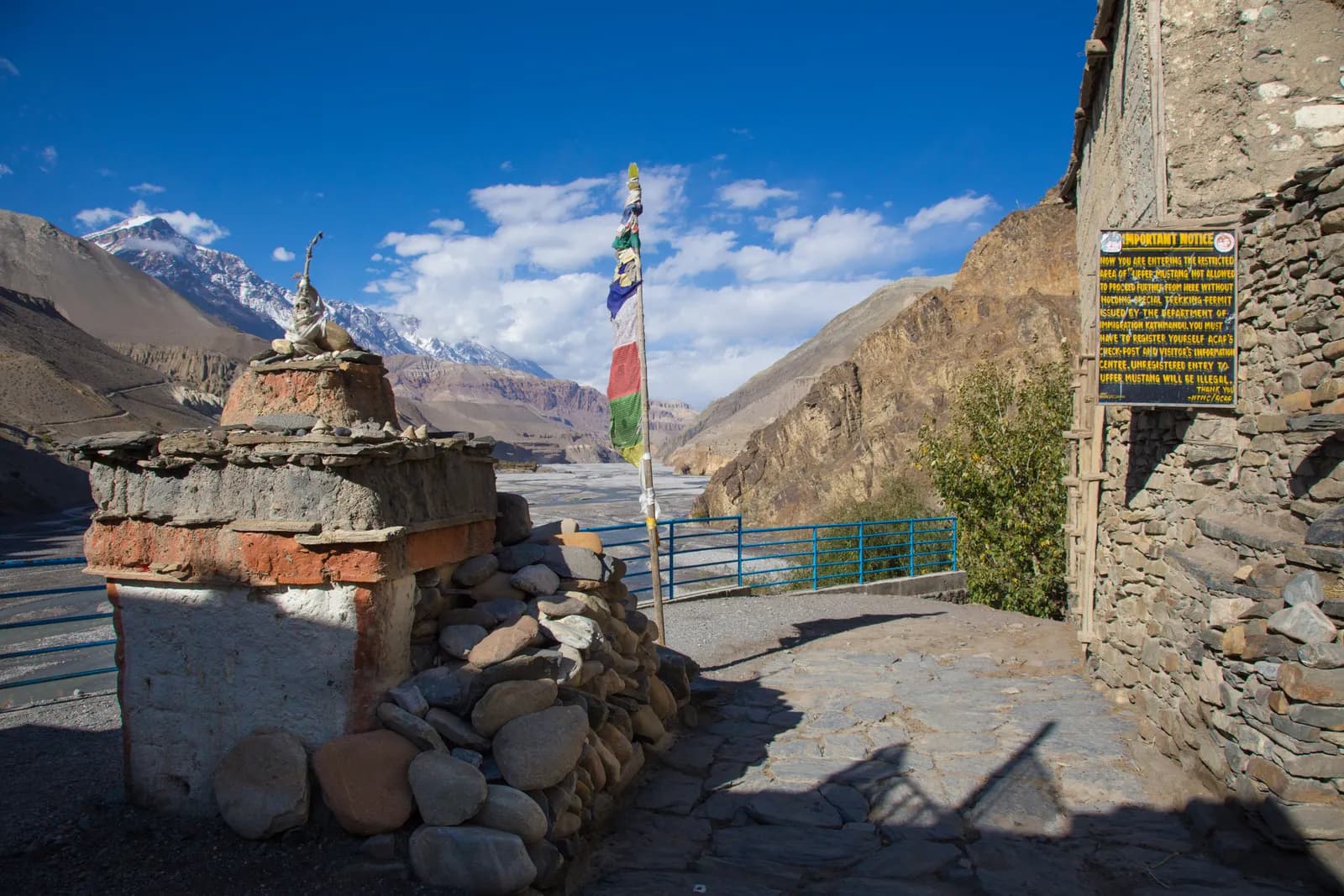
The stakes are real on remote and restricted-area treks such as Manaslu and Upper Mustang, where the agency's licensed guide is a shared cost (the permits stay per person) and you cannot easily swap partners mid-trek. UK government travel advice also says not to trek alone and to use a reputable agency or guide, which makes a reliable partner more valuable. Our safe partner-finding guide explains why to trek with others, and our red flags article lists the warning signs. This is the sequence for checking them.
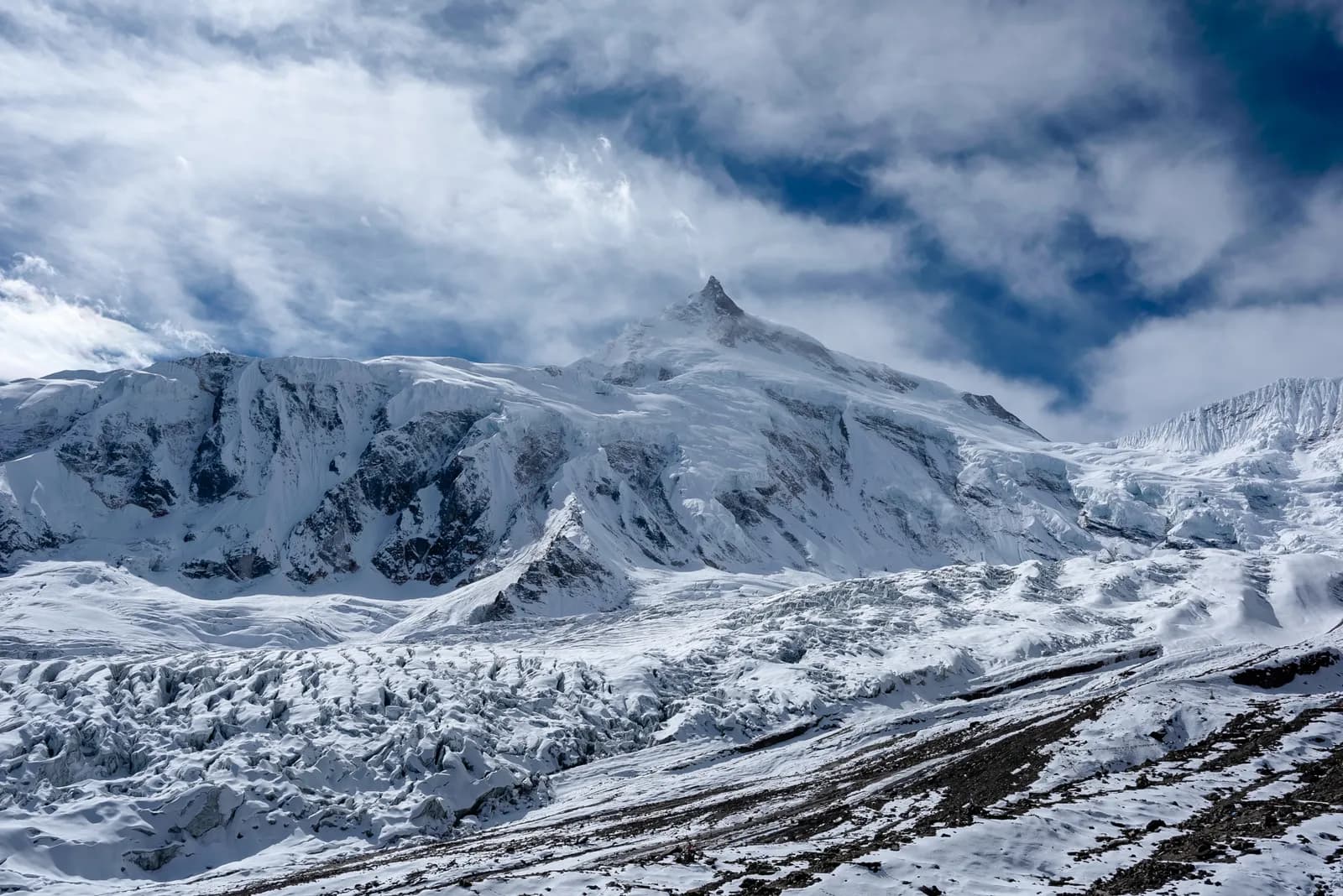
Trip terbuka di Manaslu Circuit Trek
Trip sebenar yang disiarkan oleh pendaki yang mencari rakan.
Step 1: read the profile critically
Read the whole profile, not the headline. Look for consistency: dates that match their message, a trek history that fits the experience they claim and a stated pace that matches the route you plan. A profile that is brand new is not a problem, but one that contradicts itself is. Check whether they have said which route, which agency and which budget style they want. If it is thin, ask for more rather than assuming.
Step 2: hold a first call
Use a video call or a coffee for twenty minutes and cover these topics.
| Topic | What to ask |
|---|---|
| Dates | Which days are fixed and how many spare days does each person have? |
| Route | Which route and variations, and are we willing to shorten if someone struggles? |
| Pace | How many hours a day do you like to walk, and how do you handle altitude? |
| Money | Who pays the agency, and how do we settle shared costs afterwards? |
| Health | Any conditions, medication or past altitude problems the group should know about? |
| Exit plan | What happens if one of us has to turn back? |
Listen to how they answer, not just what. Someone who gets irritated at ordinary questions will be harder at 4,500 m. Notice whether they ask you questions too.
Step 3: meet in public
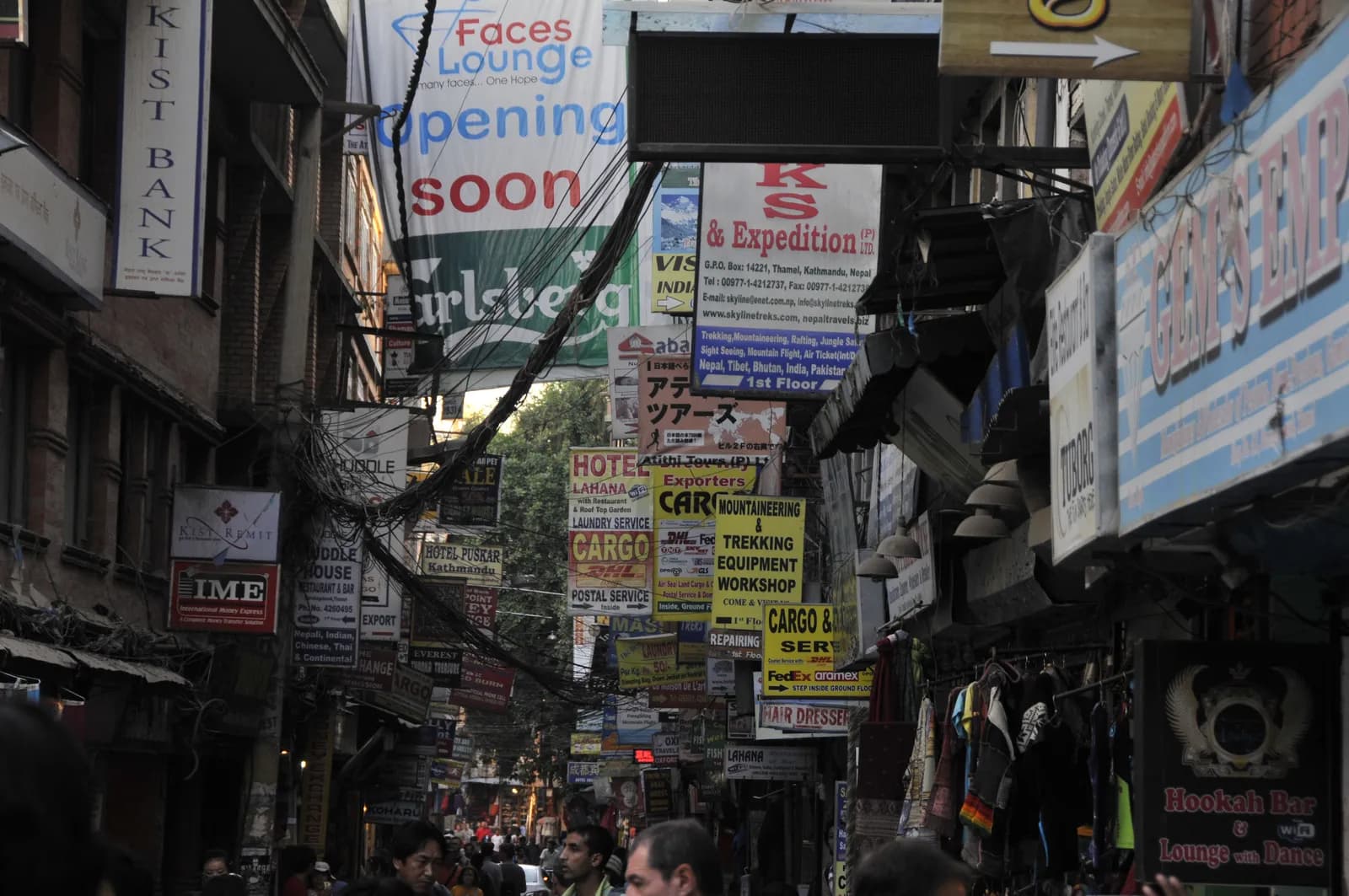
Meet in a public place such as a cafe in Thamel or Lakeside Pokhara, before the day you leave, and tell someone where you are going. Do not agree to a private location for a first meeting. If you are overseas and cannot meet, extend the video calls and keep all payments with the agency until you can. If anyone refuses both a call and a meeting, stop here.
Step 4: try a short walk
A day walk or a short trek together reveals what a call cannot: whether your paces match, how each person behaves when tired, who carries what, and how decisions get made. A short Poon Hill or Mardi Himal style trek is a good trial before a long one, and our Poon Hill versus Mardi Himal comparison can help you pick one. Afterwards, talk honestly about what worked. If you cannot manage a few days together, a three-week trek will not improve it.
Step 5: agree the money in writing
Before anyone transfers money, write down the guide day rate (or the agency quote), the permits, transport, accommodation assumptions, who pays the agency, how shared costs are settled and by what date. Never send money in advance to someone you have not met, for permits, jeeps or deposits. Pay agencies and guides directly, ideally at a registered office. Remember which lines are per group and which per person: the guide is normally a group cost, while permits and rooms are per person, as our cost guide explains.
Step 6: check the agency, the guide and the insurance
On restricted-area treks the permit is applied for through a registered agency and a licensed guide is compulsory. Elsewhere the Nepal Tourism Board April 2023 rule requires one in parks and conservation areas and checkpoints enforce it in Annapurna and Langtang (checked 19 October 2026), as our guide rule explainer sets out, but UK advice says foreign independent trekkers must use a local guide or porter in national parks and protected areas. Ask the agency for its registration details and physical office, the guide's name and licence number and see the card. Verify these yourself, not only through your partner. Then ask each person to confirm their insurance covers mountain rescue and helicopter costs and that the altitude limit matches your route. UK health advice says helicopter evacuation usually costs 1,000 to 2,000 pounds or more per flying hour, so a gap here is expensive. Keep a copy of everyone's policy number and emergency contact.
Step 7: agree an exit plan
Decide before you leave what happens if someone must turn back, falls ill or simply does not get on with the group. Agree that anyone can call a rest day or descend with no pressure, and that the guide's safety call settles route disputes. Agree that you will part ways at a village with a road or a lodge, that a guide or porter will go with whoever leaves and how prepaid costs are split. Raise problems early and politely. The acclimatisation schedule guide gives the rules to point to when someone wants to push on.
If you are vetting from abroad
Many partners connect weeks before they reach Nepal. In that case do the first three steps remotely: a longer profile exchange, at least one video call each with every person in the group, and a message thread that records the plan. Keep the money rule even stricter. Nobody pays anybody until you have met, and the agency is paid by each person directly, not through one organiser. When you arrive, plan one or two days in Kathmandu to meet before the trek, and use the time to visit the agency's office together. A group that cannot find an hour in the capital to meet is telling you something about the trek.
Use the first days as a final check
Vetting does not end when you leave Kathmandu. The first two walking days on most routes are shorter and lower, for example 4.5 to 6 hours on the first walking day of the Kanchenjunga plan or 2 to 3 hours on day 2 of Rolwaling, and they are good tests of pace and group habits. Hold a five-minute check-in each evening: how is everyone's headache, appetite and sleep, and is the pace right for tomorrow? Notice who volunteers to take the slowest position, who pushes on, and who goes quiet when something is wrong. If an issue appears early, raise it early, at a village with a lodge, and use the exit plan you agreed.
What a guide adds to your vetting
A licensed guide through a registered agency is the part of the group that is accountable. Ask the guide in the first conversation how they handle a partner who wants to go faster than the rest, and how they decide about rest days. A good answer mentions the altitude rules and the safety call. A poor answer is "we will see". On restricted-area treks the guide is compulsory, and on other routes UK government advice says independent foreign trekkers must use a local guide or porter in protected areas, so the guide is part of your group whichever route you choose. Your vetting of the human partner and of the guide should be equally careful.
A one-page summary
Before you commit, you should be able to answer yes to each of these.
- I have read the profile and it is consistent.
- We have had a call and covered dates, route, pace, money, health and exit plan.
- We have met in public, or I have a good reason and a safe alternative.
- We have walked together, or we have a plan to test compatibility.
- The costs are written down and nobody has paid anyone I have not met.
- I have checked the agency, the guide's licence and my own insurance.
- We have an exit plan.
If any answer is no, fix it or walk away. You can always find another partner, and the cost of changing your mind before the trek is far lower than the cost of changing it on day nine.