Meeting trekking partners in Kathmandu: hostels, forums and online
Where to meet trekking partners in Kathmandu and online, how each option compares, how to vet a stranger before you commit, a trial walk plan and the agreements to write down before booking.

The easiest places to meet a trekking partner in Kathmandu are the hostels, guesthouses and cafes of Thamel, where trekkers gather before and after their routes, and online, on forums, social-media groups and platforms such as FindTrekkingPartner. Either way, treat a first meeting as an interview in both directions: talk, meet in a public place, check experience and plans, take a short trial walk and agree the rules in writing before any money moves. This guide compares the options and gives a protocol you can follow in a few days. FindTrekkingPartner is free and privacy-first, contact details stay hidden until both trekkers agree, and it is not an agency; the trekking partner hub explains how matching works.
Trip terbuka di Shivapuri Peak Day Hike
Trip nyata yang diposting trekker yang mencari teman.

Where partners are found
Hostels, guesthouses and cafes in Thamel. The advantage is that you meet people face to face and can judge them immediately. Some guesthouses have notice boards, and the dining rooms fill with trekkers who have just come down or are about to go up. The disadvantage is that you have little time: if your dates are fixed, you may not find someone with the same route in the days you have, and you only learn about their experience from conversation. Treat a stranger you meet over breakfast as a candidate, not a partner.
Forums and social-media groups. They give you reach: many people post their routes and dates. The quality varies, the threads are often old, and claims are unverified. Use them to find candidates, then move to a call and an in-person meeting. Never share your passport, payment details or your hotel room number in a public thread.
FindTrekkingPartner. You post your trip with dates, pace, budget and the route, and browse open trips by region, dates and level. Matches are private until both of you agree to share contact details. The platform does not sell treks, employ guides or handle money, so you hire a licensed guide through a registered agency and pay it directly. The route pages, such as the Poon Hill partner page, show open trips per route.
On the trail. Many partnerships start in a lodge on day two. The dining room is where plans are compared. If you meet someone this way, walk a day together before you decide, and agree the basics.
How to vet a stranger
Start with the facts. Ask about previous treks and altitude: have they slept above 3,500 m, how did they feel, did they use rest days? Ask about dates and spare days, budget style and how they feel about a guide and porter. Ask how they handle disagreements. Then check consistency: does their story match their profile, and are they willing to put the agreement in writing? Do not share money, passports or itinerary details before you have met. Our partner vetting checklist, safe partner-finding guide and red flags guide go into detail, and a few red flags are worth repeating here: pressure to pay quickly, vagueness about experience, reluctance to meet or to write anything down, and a plan that skips acclimatisation.
A trial walk
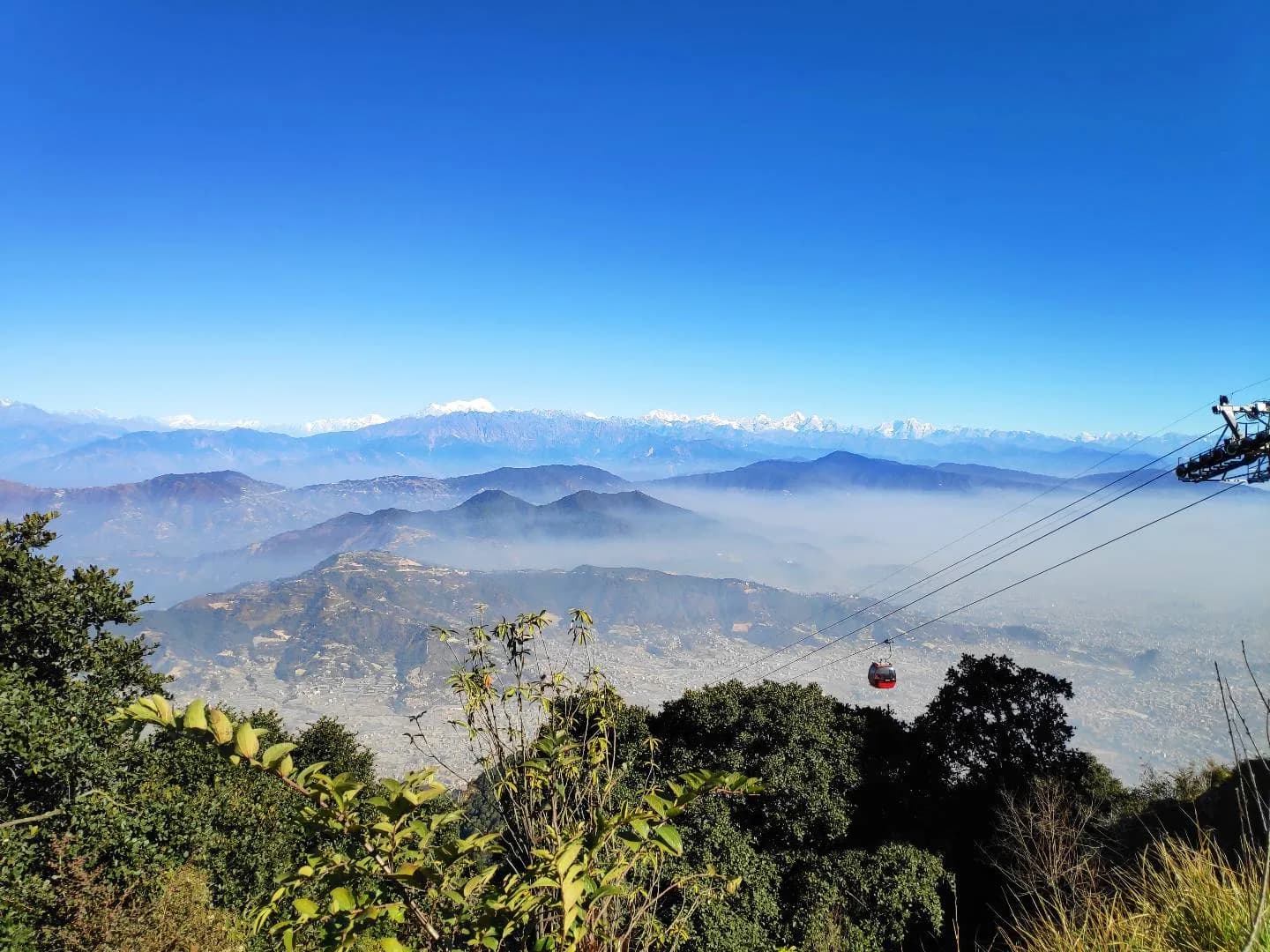
The best test is a short walk. Near Kathmandu, Shivapuri Peak is a six-to-seven hour day that shows pace and stamina, and Nagarjun to Jamacho is an easy four-to-five hour option. The park entry fee for foreigners is NPR 1,000 (NPR 600 for SAARC nationals), per the Nepal Tourism Board, and no guide check is reported on these routes (checked 19 October 2026). In Pokhara, the Sarangkot sunrise or Poon Hill is a good test before a long route. Notice how each of you handles a steep climb, how often you stop, how you decide where to eat and how you deal with a small mishap. See our Kathmandu rim hikes guide.
Staying safe at the first meeting
Meet in a busy public place, in daylight, such as a cafe in Thamel, and tell a friend or your hotel who you are meeting and when. Bring your own phone and do not hand over your passport, your bank details or your money, even for a small deposit. Ask to see ID if the person wants to see yours, and do not feel pressured to decide at the first meeting. If you plan a trial walk, share the route, the start time and the name of the person with someone you trust, and carry your own water, map and head torch. If anything feels wrong, leave. A good partner will understand all of this and will do the same.
A one-week plan before a short trek
If you are in Kathmandu with a week and want a partner for a short route such as Poon Hill, a workable sequence is simple. On day one, post your trip with your dates and route. On days two and three, talk to two or three candidates by message and then in person. On day four, take the trial walk with the best match. On day five, agree the plan in writing: dates, the guide and who books, the split, the rest-day plan and what happens if one of you turns back. On day six, book the agency and transport, buying permits ahead where you can. On day seven, rest, pack and go. For longer routes that need flights or a restricted-area permit, stretch the same sequence over weeks, and allow the agency time to book. Our Poon Hill itinerary and short treks from Pokhara guide help you choose.
The agreement to write down
Before you book flights or an agency, agree in writing: dates and spare days; the route and the variations; the rest-day plan; who may call a descent and what happens if one of you turns back; how the guide, porter and vehicle are split; who pays the agency and when; and how you part if it does not work. Our what to agree with trekking partners checklist covers each, and the cost split guide shows the arithmetic.
The guide rule still applies
A partner does not remove the need for a guide. For national parks and conservation areas the written rule is the Nepal Tourism Board announcement of April 2023 (we found no separate Department of Immigration or DNPWC notice), and 2026 operator reports say checkpoints enforce it in Annapurna (ACAP), Langtang, the strictest, and most other parks, but not in Khumbu (checked 19 October 2026). In restricted areas a licensed guide through a registered agency is part of the permit. See the guide rule by region and the guide rule explainer.
Meeting in Pokhara instead
Pokhara is the other natural meeting point, because Poon Hill, Mardi Himal and Annapurna Base Camp all start by road within about an hour or two of the lake and need no flight. The same steps apply: meet in a public place, take a trial walk, agree the plan in writing and let the agency book the guide. A short day hike such as the Sarangkot sunrise is a cheap way to test pace before a multi-day trek, and our Pokhara day hikes roundup lists the options.
Timing and next steps
Start looking two to three months ahead for a peak-season route that needs flights or a permit, and a few days ahead for a short trek. Post your trip, shortlist two or three candidates, meet each in public, take a trial walk with the best match and then agree the plan. Whether you choose a hostel or an online match, the steps are the same. For route-specific advice see finding a partner for Everest Base Camp, Annapurna Base Camp, the Annapurna Circuit and the Manaslu Circuit.