Buffer Days and Itinerary Flexibility on Nepal Treks
How many spare days a Nepal trek needs and where to put them: Lukla, Jomsom and Nepalgunj flights, landslide roads, passes and restricted-area permits, what a lost day costs and what to cut when the buffer is gone.
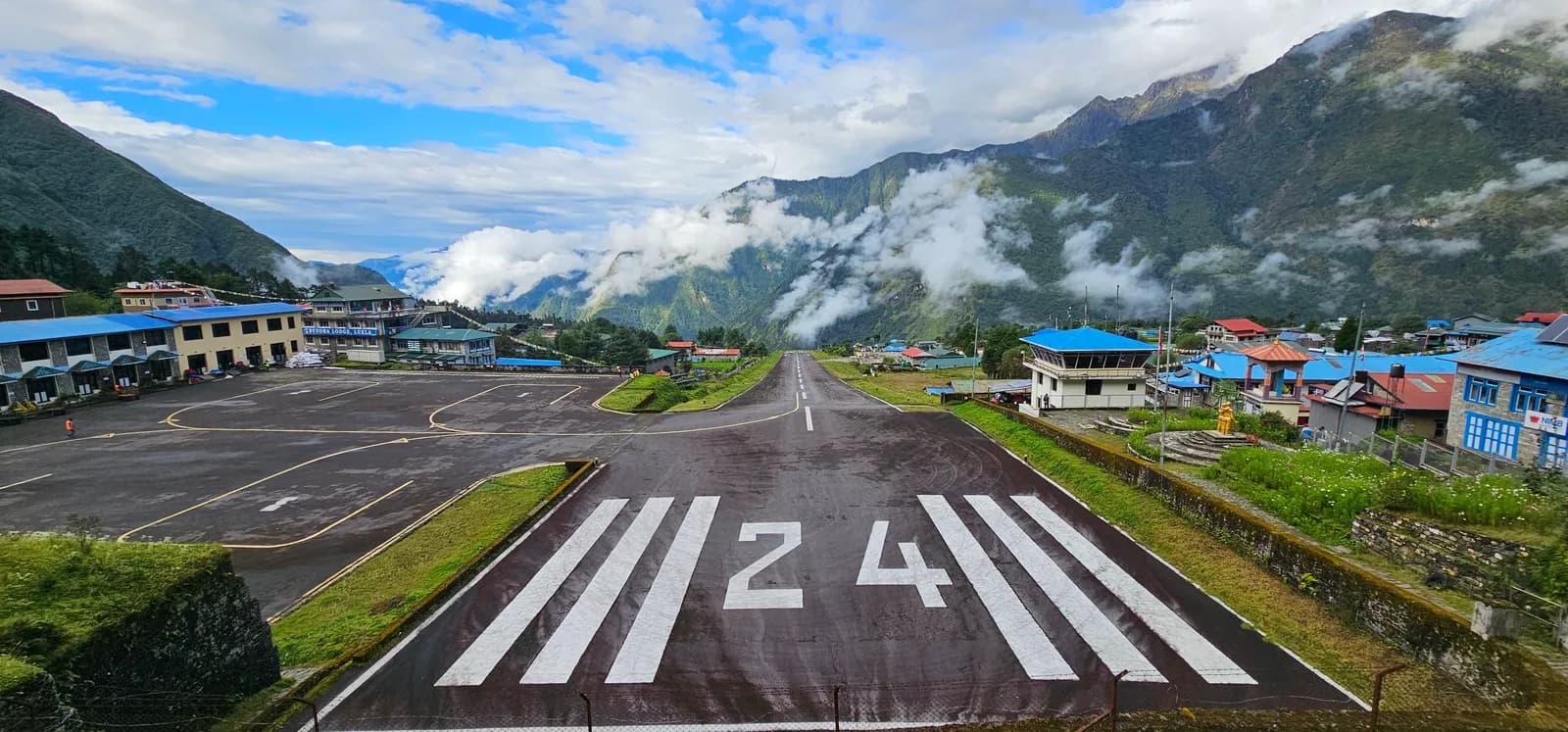
A Nepal trek runs on flights that wait for weather, roads that landslides close and passes that snow can shut, so the most useful thing you can add to an itinerary is not a viewpoint but an empty day. Plan one buffer day before your trek starts, one or two at the end before your international flight, and an extra day built into any pass, flight or restricted-area permit that can slip. Nothing about it is glamorous, and it is the difference between a delay that costs a hotel night and one that costs you a flight home.
This guide shows where delays actually occur on the routes we cover, how many spare days each needs, what a buffer day costs, how to protect permits and onward flights, and how to decide what to cut if the buffer gets used. The numbers come from our route and region pages and our dated cost data, as of October 2026.
Trip terbuka di Everest Base Camp Trek
Trip nyata yang diposting trekker yang mencari teman.

Where delays happen
Every classic route has at least one weak link. Our route pages name them:
| Route | The weak link | Source in our pages |
|---|---|---|
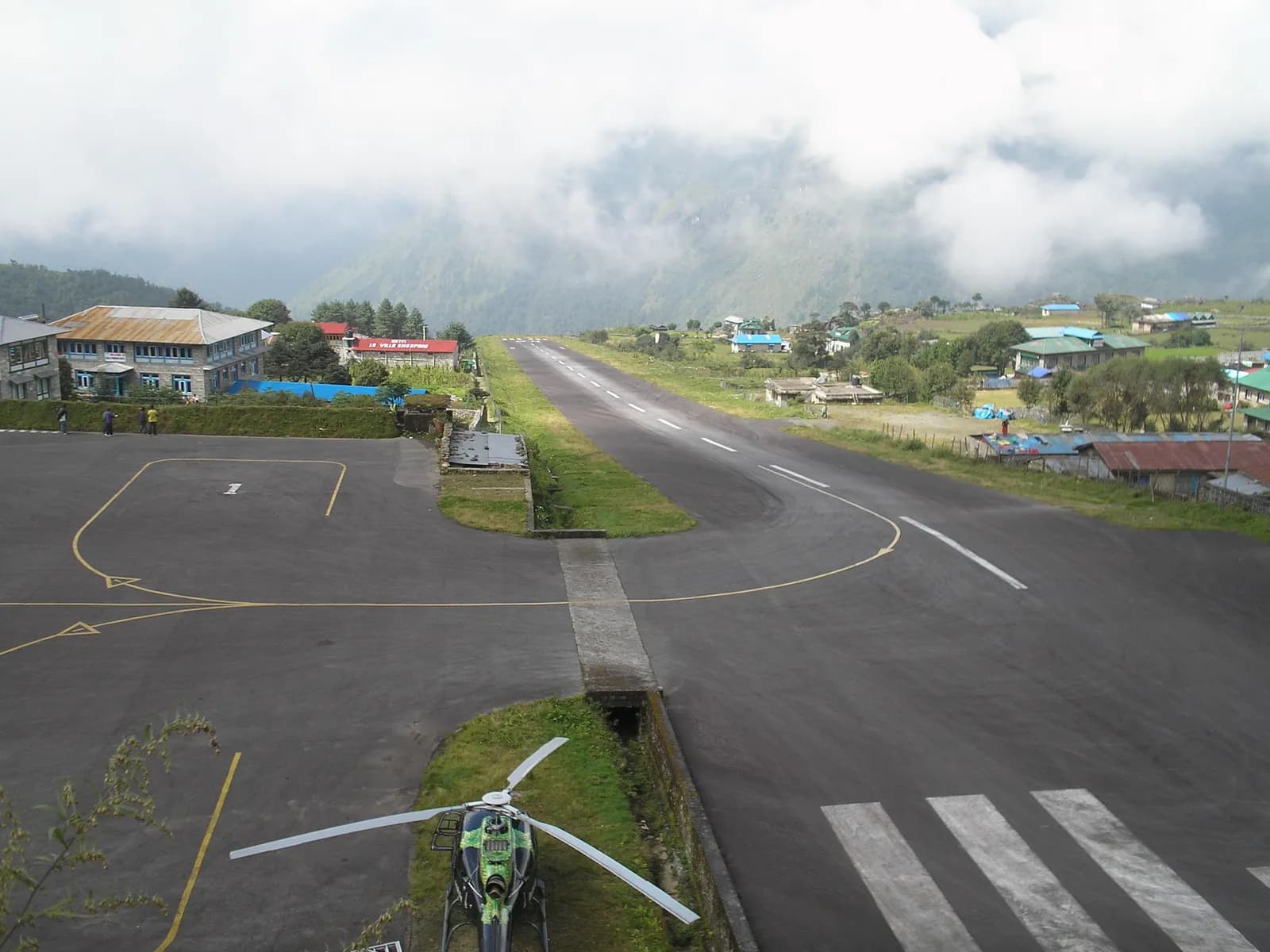
| Everest Base Camp | Lukla flights, which wait for cloud to clear | Region and route notes; the Gokyo plan includes a buffer day for delayed Lukla flights |
| Annapurna Circuit | A 9 to 10 hour first-day drive, and the 5,416 m Thorong La pass day | Route day plan |
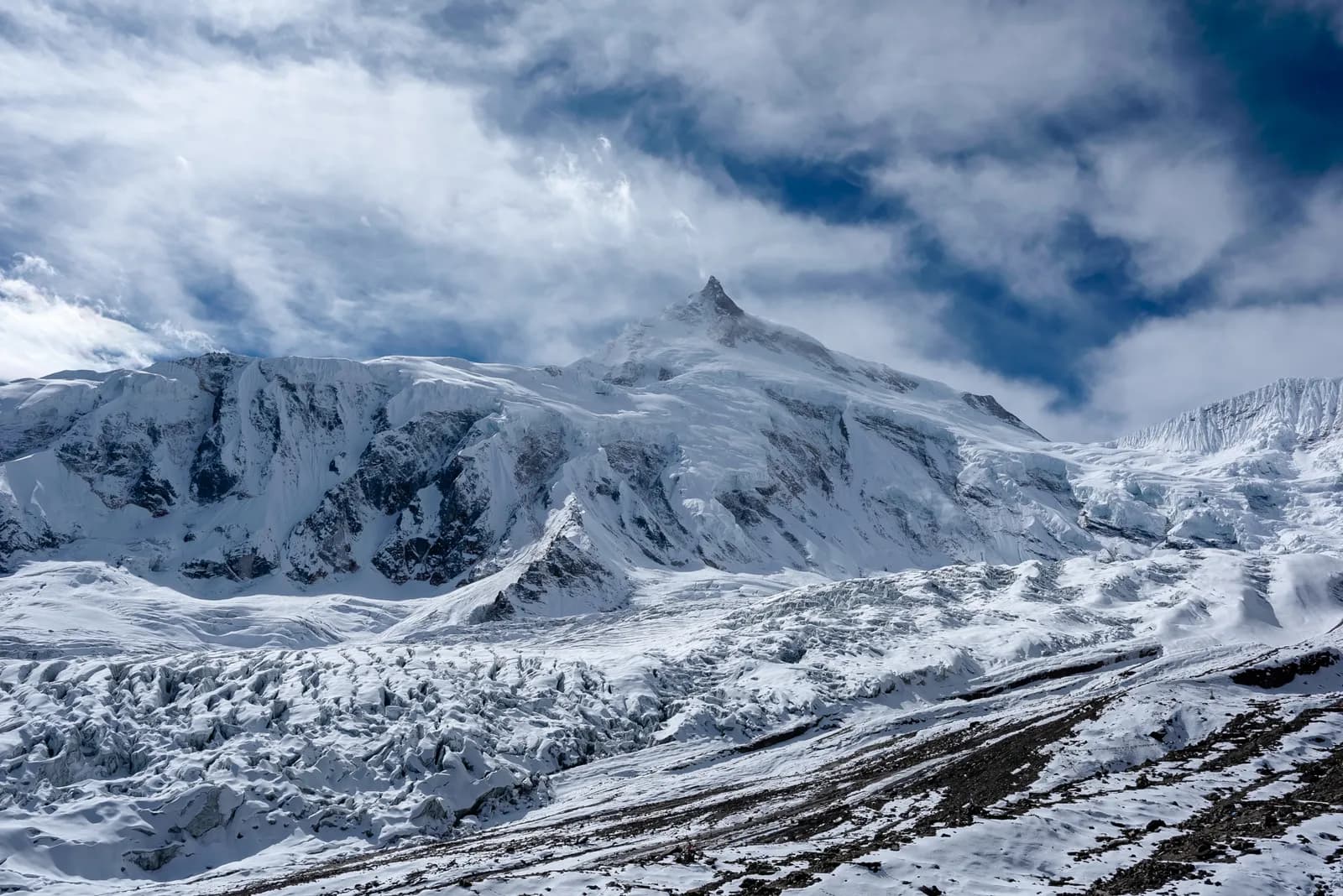
| Manaslu Circuit | The rough Machha Khola road, and Larkya La at 5,106 m | Region page: landslides in the monsoon, weather can close the pass |
| Langtang Valley | The Trishuli road to Syabrubesi | Region page: closures in the monsoon |
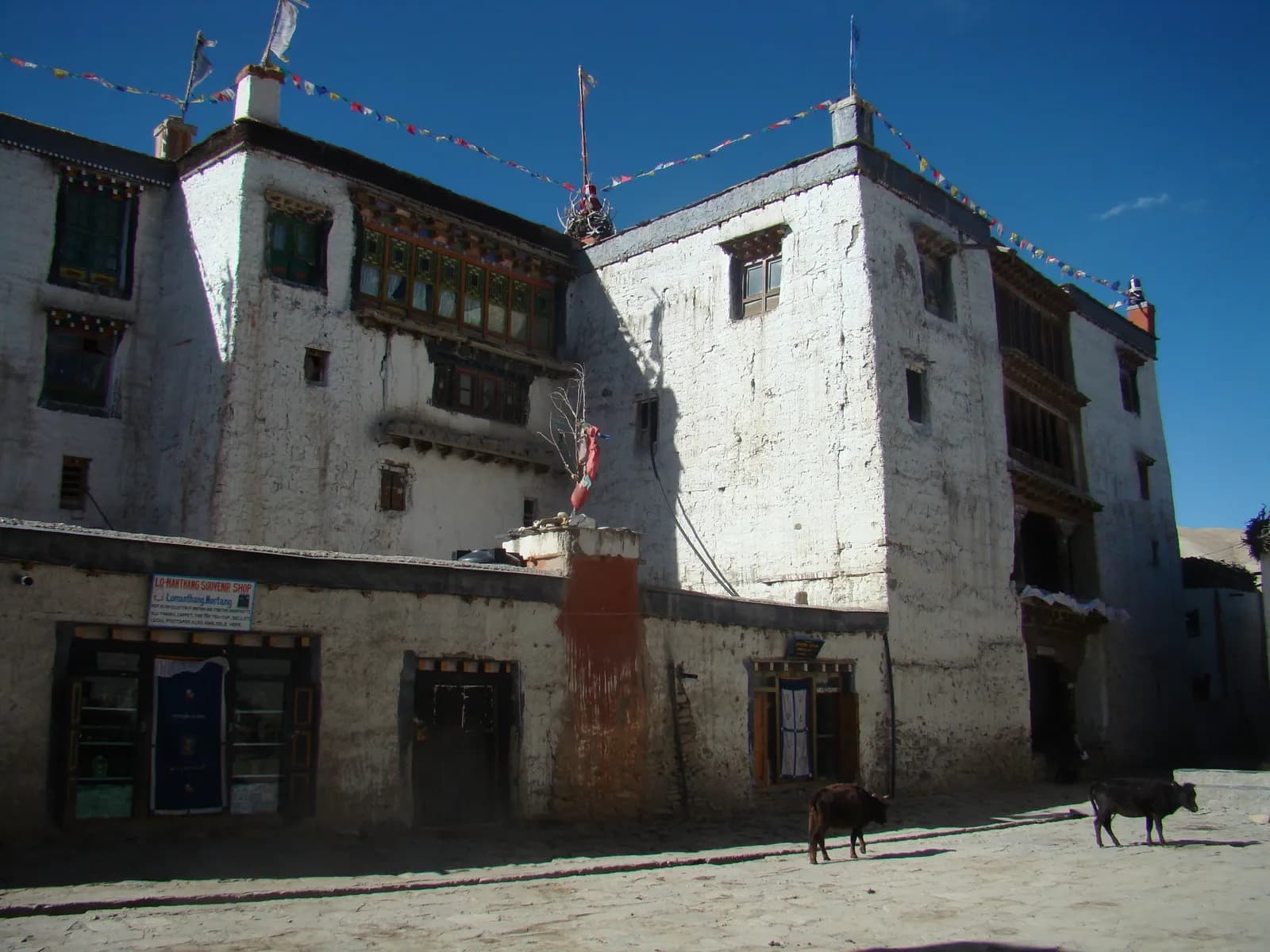
| Upper Mustang | The Jomsom flight | Route page: flights may be disrupted |
| Rara Lake and Dolpo | Nepalgunj, Jumla and Juphal flights | Region pages: weather dependent and often delayed; plan an extra day at each end |
The pattern is clear. The trail itself rarely causes the delay. The legs that depend on weather or on a single road do. That tells you where to put the spare days: at the start and end, not in the middle of the walk.
How many buffer days
There is no universal number, but our pages give a guide.
- Lukla and Jomsom flights: One spare day at the start and one or two at the end. The Lukla flight guide advises leaving at least a day and preferably two between your last Lukla flight and your flight home, and the Gokyo plan on our route page already includes a buffer day at the end for delayed Lukla flights.
- Nepalgunj, Juphal, Jumla and Talcha flights: Our Dolpo page advises an extra day at each end, because Juphal flights stop in heavy cloud or wind and Nepalgunj can be extremely hot in the monsoon.
- Long road days: One spare day at each end in the monsoon. The Manaslu and Tsum routes both advise keeping a spare day in case landslides block the road, and the Manaslu route says not to schedule an international flight for the evening of the final drive.
- Pass days: A day in hand around Thorong La or Larkya La. Weather can close a pass, and the pass day itself starts before dawn.
Rest days are not buffers. The acclimatisation days at Namche, Dingboche, Manang and Samagaun exist for your body, and spending them on a delay means you reach altitude without the adaptation. Our acclimatisation schedule explains the difference.
What a buffer day costs
A lost day on the trail costs a night of lodging and food, plus the guide's wage if you have one. Our dated cost data gives the scale. On the Everest route, lodging, food and extras at mid-range prices run about NPR 5,300 to 7,600 per night between 2,500 and 3,800 m and NPR 6,300 to 9,000 above 3,800 m, and a guide is quoted at NPR 3,400 to 4,700 a day. A group splits the guide, so a pair pays roughly half the guide's day each. For one trekker, a day's delay at altitude therefore costs about NPR 8,700 to 13,700 including the full guide wage, and for two sharing, about NPR 7,000 to 11,350 each, before any hotel night in Kathmandu. In the Annapurna region, nights cost NPR 3,800 to 5,600 in the middle band and guides NPR 2,700 to 4,000 a day.
Those are modest sums against a missed international flight or a lost permit day, so budget them as insurance. A common approach is to add two days of costs to your total and treat them as contingency, not as a surprise. See our Everest cost breakdown and the cost guide for the lines.
Permits and buffer days
Open-area permits are per entry and not tied to day counts in our data, but restricted-area permits are. As of October 2026 the Upper Mustang permit is USD 50 per person per day, and Upper Dolpo is USD 50 a day, so each extra day inside the area adds to the bill. Manaslu's permit adds USD 15 a day after the first week from September to November and USD 10 a day from December to August, and the Tsum permit USD 7 a day. A delay before you enter the area costs nothing in permit days, and a delay inside it does. Ask your agency in advance how it counts days and what happens if weather pushes you past the declared dates. Our Upper Mustang permit guide and Dolpo permit guide explain the effect.
Onward flights and insurance
Do not book a tight international connection. Allow at least a full day, and preferably two, between your last domestic leg and your flight home. Check your travel insurance for delay cover and for what it requires, such as a written statement from the airline. Keep passport, tickets and cash reachable, since rebooking happens at the counter.
Choosing what to cut when the buffer is used
Sometimes the buffer is already gone. If a delay eats your spare days, cut in this order:
- Side trips and viewpoints. A day hike to a lake or a ridge is the cheapest thing to drop.
- Easy extra days at the end, such as a sightseeing day.
- Distance, by taking a jeep over a road section where one exists.
- Never the acclimatisation days or the safety margin. The CDC guidance cited in our altitude pages is a sleeping-altitude gain of no more than 500 m a night above 3,000 m with an extra night for every 1,000 m gained.
If you are in a group, agree this order before you go.
A worked example for Everest Base Camp
Our Everest Base Camp plan is 12 days, from the Lukla flight on day 1 to the flight back on day 12. Add a buffer night in Kathmandu before the flight, so that a late arrival or a rescheduled departure does not cost you the first day, and two spare days at the end, so that a cancelled return flight, which can leave you waiting a day or more, does not collide with your international flight. That makes a 15-day block for a 12-day trek. If the outbound flight is delayed by a day, you use a Kathmandu night, and the trek itself still has its two rest days at Namche and Dingboche intact. If the return is delayed, you spend a night at Lukla or Kathmandu, and you still have a day in hand. Only if both slip do you start to cut, and the order above tells you what goes.
The same shape works for the Annapurna Circuit. The 14-day plan starts with a 9 to 10 hour drive and ends at Pokhara, and a spare day at each end covers a landslide on the road and a bad weather day on Thorong La. In each case the principle is to put the slack where the risk is.
Flexibility with partners
Partners add flexibility and friction. A group can share a charter or a jeep when a flight stops, and can split the cost of an extra night. But different people have different deadlines, so agree up front what the group does if the plan slips: who has hard constraints, who will stay, and how costs are shared. Our partner agreement guide covers it.
A simple buffer plan
- Before: one night in Kathmandu or Pokhara before any flight, and the permits sorted.
- During: a spare day around each pass or weather-dependent leg.
- After: two nights before your international flight.
- Money: a contingency of two days of lodging, food and guide cost.
- Paper: the flight rebooking terms and the insurance delay clause in your daypack.
A trek with these margins is one you can enjoy even when the weather does not cooperate. Read the Lukla flight guide and getting to Nepal's trailheads for the specific legs.
Rencanakan trek ini
- Panduan wilayah Everest (Khumbu)
- Panduan wilayah Annapurna
- Panduan wilayah Langtang
- Panduan wilayah Manaslu
- Panduan wilayah Dolpo
- Trekking partner for Everest Base Camp Trek
- Trekking partner for Annapurna Circuit Trek
- Find someone to trek Manaslu Circuit Trek with
- Find someone to trek Langtang Valley Trek with
- Trekking partner for Upper Mustang Trek (Lo Manthang)
- Itinerari Everest Base Camp Trek
- Itinerari Annapurna Circuit Trek
- Itinerari Manaslu Circuit Trek
- Itinerari Langtang Valley Trek
- Itinerari Upper Mustang Trek (Lo Manthang)