Teahouse Food Hygiene and Stomach Bugs on Nepal Treks
How to eat safely in Nepal teahouses and what to do if you get a stomach bug: what the CDC says about food rules, rehydration and warning signs, what to order, and how it differs from altitude illness.
Most stomach trouble on a Nepal trek is avoidable, and most of what is not avoidable passes in a day or two if you rehydrate and rest. Eat food that is cooked fresh and served hot, treat all water, wash your hands before eating, and rehydrate early if you get diarrhoea; if you have blood in the stool, a fever or cannot keep fluids down, get help. The CDC calls travellers' diarrhoea the most predictable travel illness and says that bacteria cause most cases, and it also admits that simple rules such as "boil it, cook it, peel it or forget it" do not fully prevent illness. This guide turns that honest picture into habits you can follow in teahouses, and explains how to tell a stomach bug from altitude illness.
This is general information, not medical advice. For the kit that goes with it, see the first aid kit guide; for water, water purification on the trail.
Annapurna Circuit Trek के ओपन ट्रिप
पार्टनर खोज रहे ट्रेकर्स के असली ट्रिप।

How common is it, really?
The CDC's chapter on travellers' diarrhoea describes it as the most predictable travel-related illness, with attack rates that vary by destination and season, and puts weight on poor hygiene in restaurants and weak sanitation as the biggest drivers. It also says that some factors, such as how a kitchen handles food, are beyond a traveller's control, and that behaviour advice alone may not cut the risk much. In other words: you can lower your odds, but you cannot be sure of staying healthy, so plan for a day off. Build that day into your itinerary, as our buffer days guide suggests, and do not treat a stomach bug as a personal failure.
What the teahouse kitchen is like
Teahouses on the main routes, such as the Annapurna Circuit, Everest Base Camp and Langtang Valley, are family-run lodges with a wood or gas stove, a small menu and fuel that is carried in. The menu looks long, but it is built from a few ingredients: rice, lentils, potatoes, noodles, eggs and seasonal vegetables. Dishes are cooked to order, which helps, but the kitchen is small, water may be stored in open containers and the person who cooks may also carry wood or feed animals. None of that is a reason to worry, only to choose well. Our dal bhat and teahouse menu guide explains each dish, and what is a teahouse trek describes how lodges work.
What to order
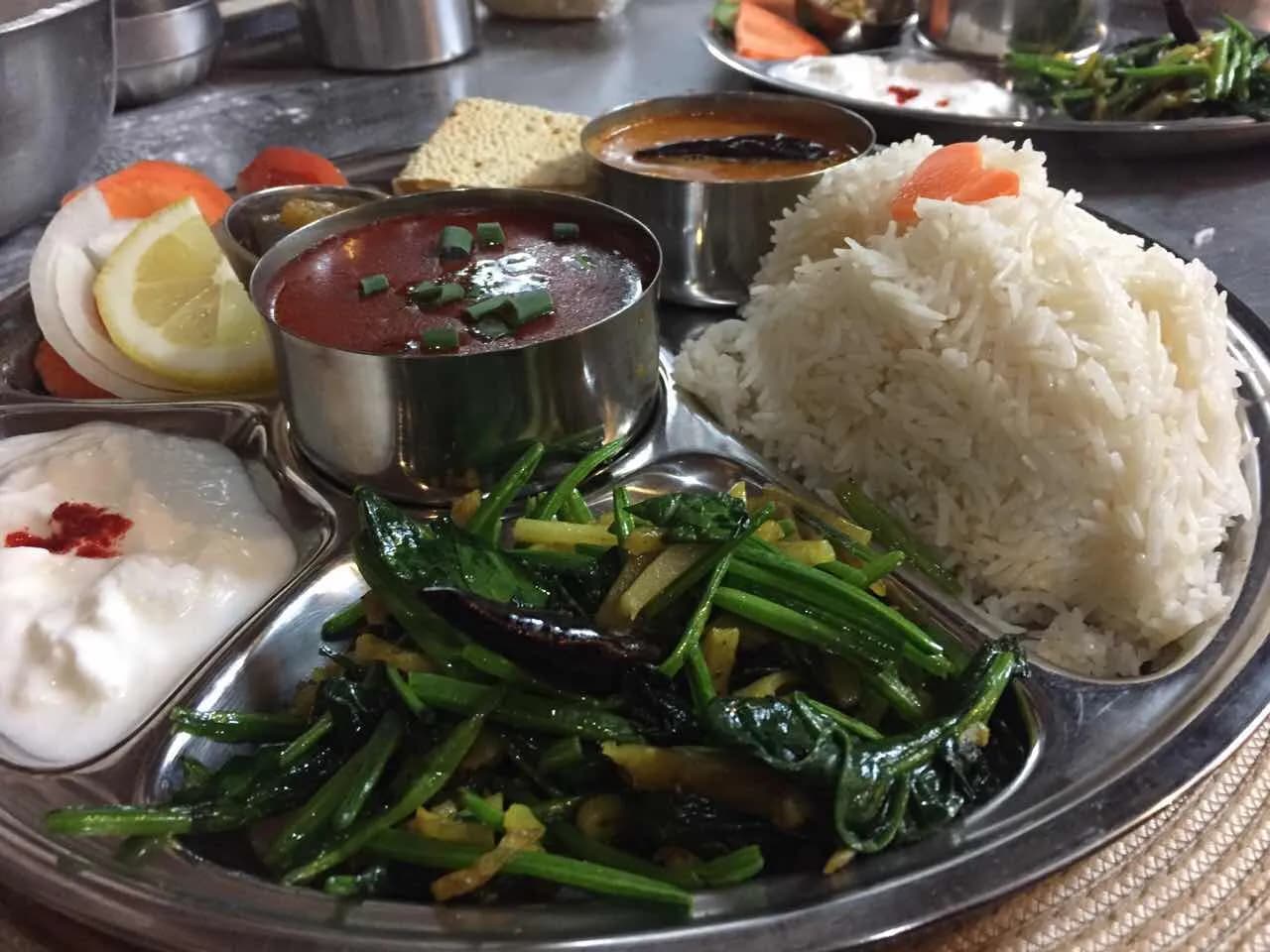
Dal bhat, the lentil soup with rice and vegetable curry, is the most popular order for good reasons: it is cooked fresh, served hot, usually refilled free and gives you a lot of carbohydrate. Other safe choices are boiled or fried eggs that are fully cooked, noodle soup that arrives steaming, fried rice and potatoes cooked through, and hot porridge. Be careful with salads and raw vegetables, which may have been washed in untreated water, with fruit you cannot peel yourself and with cold or reheated dishes. Many guides and operators advise vegetarian meals on remote routes, because meat is carried without refrigeration. That is a precaution, not a CDC rule, but it is cheap insurance. Drink hot tea and boiled or treated water, and be wary of ice and unsealed drinks. Check the seal on bottled water and the date on packaged snacks.
Hands, plates and habits
Wash your hands with soap and water before eating, and use hand sanitiser with at least 60% alcohol when soap is not available, as the CDC advises. Carry a small bottle and use it before every meal and after the toilet. Use your own spoon or a freshly washed one, and avoid sharing dishes in a way you would not at home. Do not eat food that has been sitting out, and eat when the food is hot. Use treated water for brushing teeth and for mixing any powders. Keep your own cup for tea; lodges wash dishes in cold water at altitude, and a cup you wash yourself with boiled water is safer. None of these steps is dramatic, but together they cut the number of ways that germs get from a stranger's hands or a stream into your mouth.
If you get sick: the first 24 hours
Stop, rest and drink. The CDC calls fluid replacement key to treatment, with packaged oral rehydration salts mixed into boiled or treated water when fluid loss is severe. The NHS notes that if you feel sick you should start with small sips and increase gradually, that water or diluted sugar-free squash are good choices and that caffeine and alcohol make dehydration worse. Eat bland food when you can, such as plain rice, soup or toast. Tell your guide and partners. Do not ascend while you have diarrhoea and vomiting, because dehydration makes altitude symptoms harder to read and harder to bear. If you have a hot day, a rest day or a shorter walk to a lower village is better than pushing on.
Medicines and when to seek help
The CDC says that antimotility agents such as loperamide are not recommended alone for bloody diarrhoea or for diarrhoea with fever, that azithromycin is the preferred antibiotic for severe cases and that dysentery should be treated as severe. These are prescription decisions: talk to a doctor or travel clinic before you leave about whether to carry anything. Get help from a clinic, aid post or your guide if you have blood in the stool, fever with diarrhoea, severe or worsening symptoms, confusion, signs of dehydration that do not improve with fluids, or an illness that lasts more than a couple of days. In the Everest and Annapurna regions the aid posts at Pheriche and Manang can help; see our clinics guide.
Stomach bug or altitude sickness?
At altitude it is easy to confuse the two, and the difference matters. A stomach bug usually brings diarrhoea, cramps, vomiting and sometimes fever, often after a meal in the past day or two. Altitude illness brings headache, poor sleep, loss of appetite, dizziness and nausea after a gain in sleeping altitude, and often gets worse at night. They can happen together, and dehydration from a bug can make you feel worse at height. The safe rule is simple: if you are unwell above 3,000 m, do not go higher until you feel better, and descend if you get worse. Read altitude sickness basics and what normal looks like day by day at altitude for the symptoms to watch.
Eating with partners
Partners who share a guide often share dishes, and that is where a bug spreads. Agree a few simple habits: no shared spoons or cups, everyone washes before meals, and anyone who feels ill says so early so the group can adjust. If one of you is sick, the plan may need a rest day, and the group should agree in advance how shared costs for a lost day are settled. Our what to agree before you book checklist covers it, and what if your partner cannot continue covers the harder cases.
Packing for the stomach
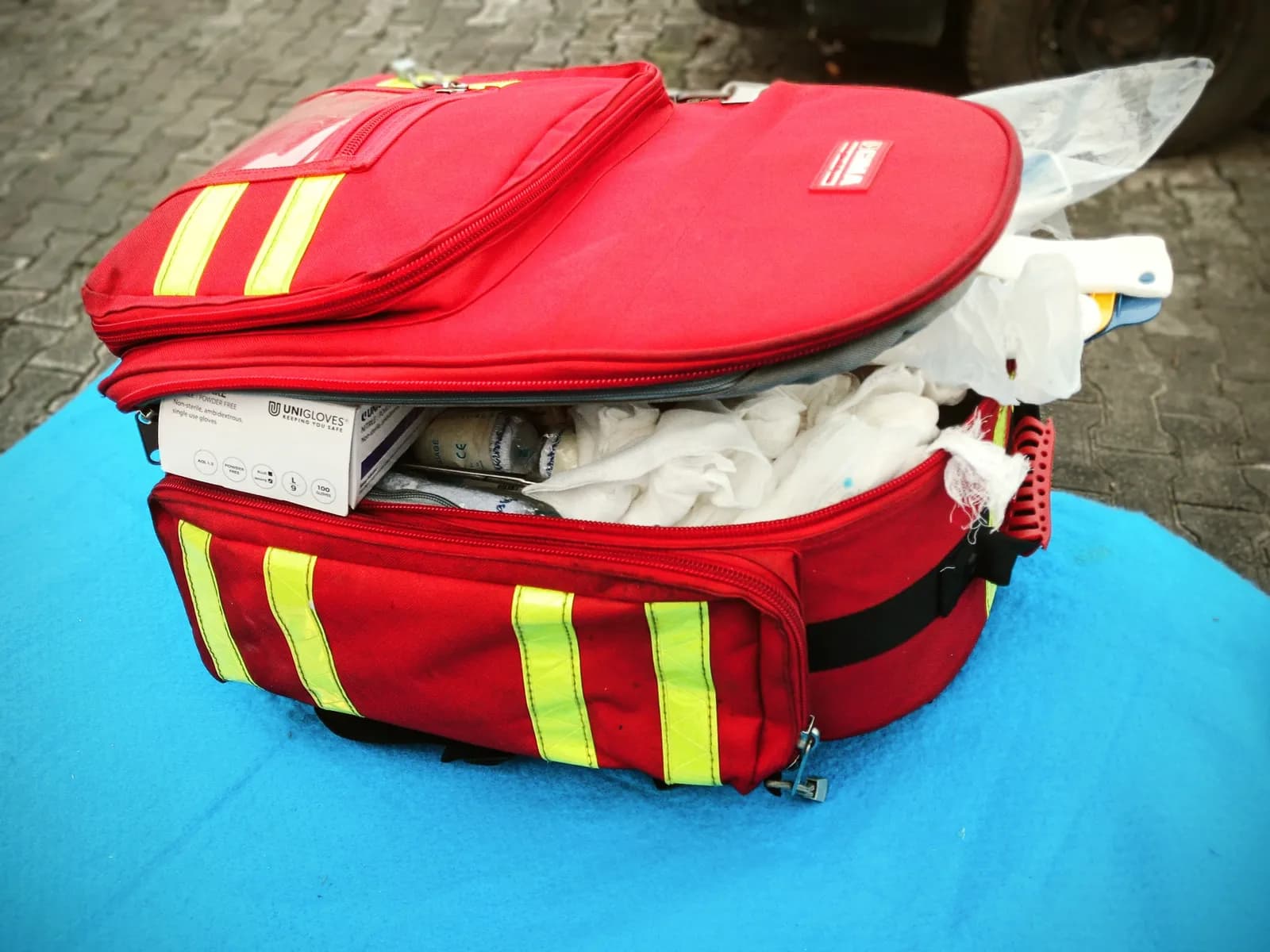
A small set of items covers most situations: oral rehydration sachets, hand sanitiser, a personal cup and spoon, a few plain biscuits or crackers, tablets or a filter for water, and any prescription your doctor suggests. Pharmacies in Kathmandu and Pokhara sell oral rehydration salts, so you can buy them on arrival. Our packing list fits these into a larger plan, and the Everest Base Camp partner page is a good place to find people who want to share the kit. The altitude and health hub lists the rest of the series.
इस ट्रेक की योजना बनाएँ
- Everest (Khumbu) क्षेत्र गाइड
- Annapurna क्षेत्र गाइड
- Langtang क्षेत्र गाइड
- Trekking partner for Annapurna Circuit Trek
- Trekking partner for Everest Base Camp Trek
- Find someone to trek Langtang Valley Trek with
- Annapurna Circuit Trek यात्रा-कार्यक्रम
- Everest Base Camp Trek यात्रा-कार्यक्रम
- Langtang Valley Trek यात्रा-कार्यक्रम