Upper Mustang restricted area permit guide
What you need to enter Upper Mustang beyond Kagbeni, why an agency and guide are required, how the permit period works, the Kagbeni checkpoint and what to ask before you book.
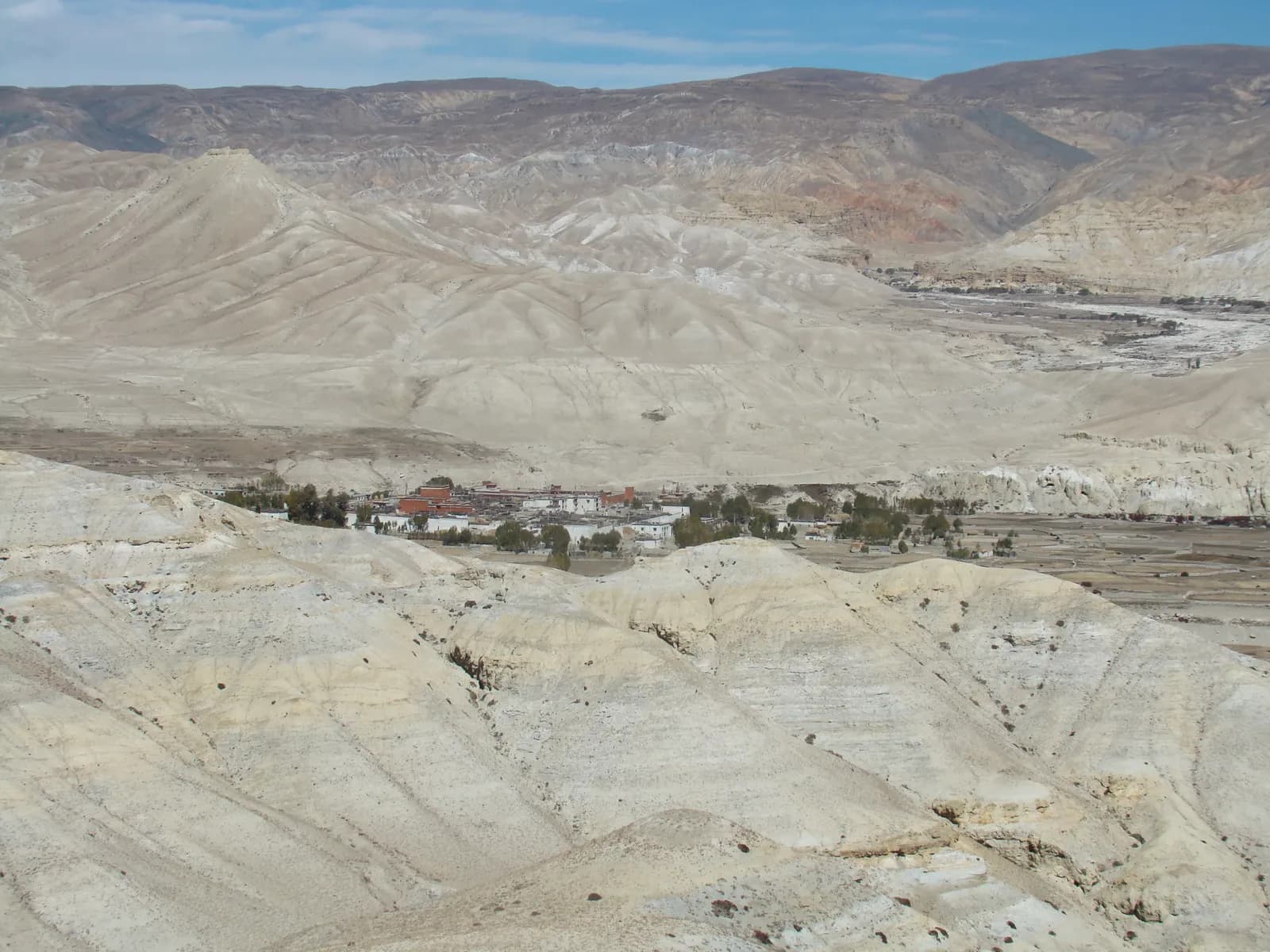
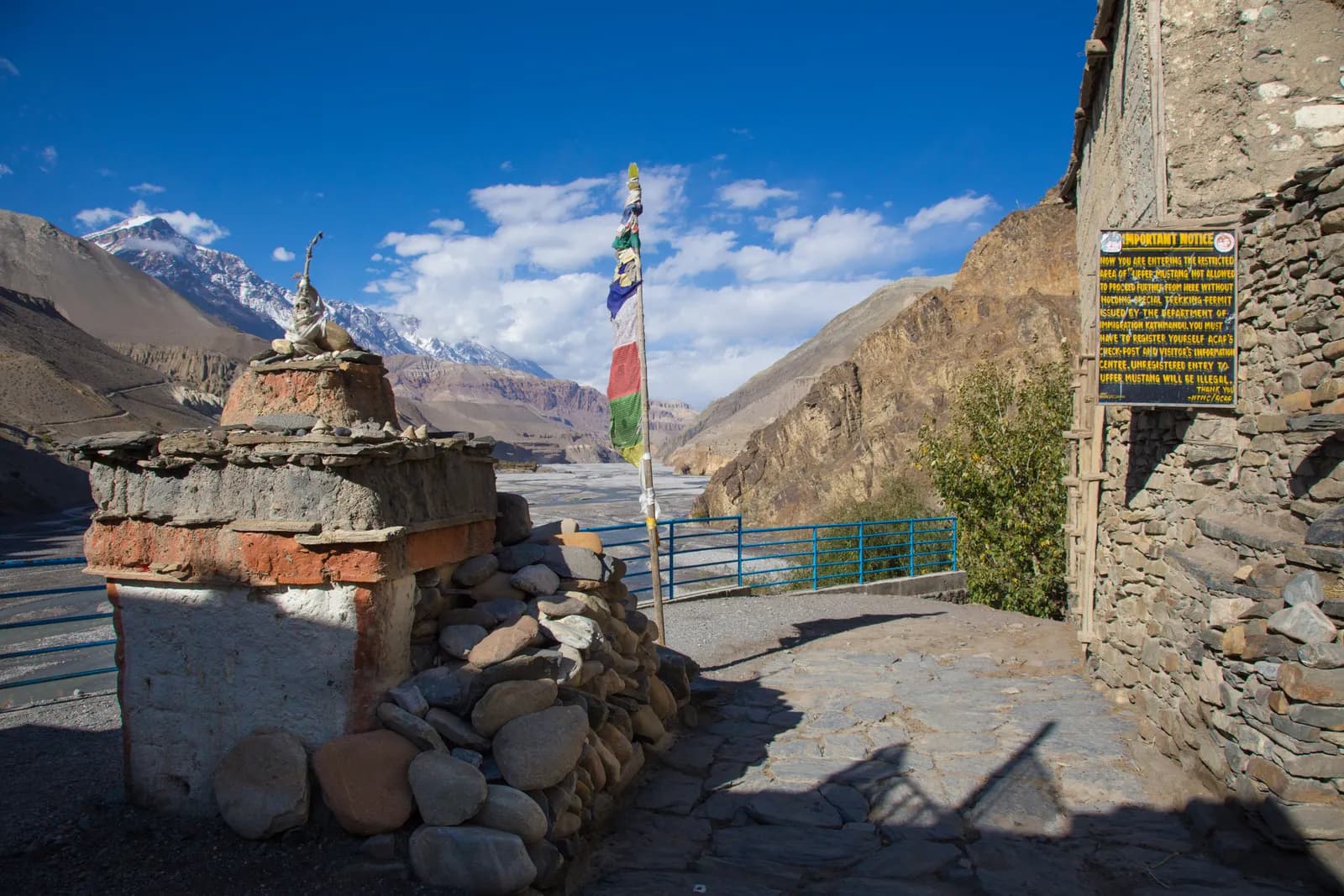
Upper Mustang, the old Kingdom of Lo north of Kagbeni, is a restricted area. To enter it you need a Restricted Area Permit from the Department of Immigration, issued through a registered trekking agency with a licensed guide, plus the Annapurna Conservation Area permit. The restriction starts at Kagbeni and ends when you return there, so Lower Mustang, Jomsom and Muktinath are open on the ordinary ACAP permit.
This guide explains how the permit works in practice, where it is checked and how to avoid the common booking mistakes. As of October 2026 (checked on 18 October 2026) the Nepal Tourism Board lists the Upper Mustang permit at USD 50 per person per day for Lomanthang, Lo-Ghekar Damodarkunda and Baragung Muktichetra. The trade body TAAN instead lists USD 500 for the first 10 days and USD 50 for each extra day, which is the same total for a 10-day stay. Add the Annapurna Conservation Area entry permit at NPR 3,000 per foreigner (about USD 22). Our permits page keeps the current table and the "What it costs" section of the Upper Mustang route page adds these to flights, lodging and a guide. Confirm every figure with your agency and the Department of Immigration.
טיולים פתוחים בUpper Mustang Trek (Lo Manthang)
טיולים אמיתיים שפרסמו מטיילים שמחפשים שותפים.
Why the area is restricted
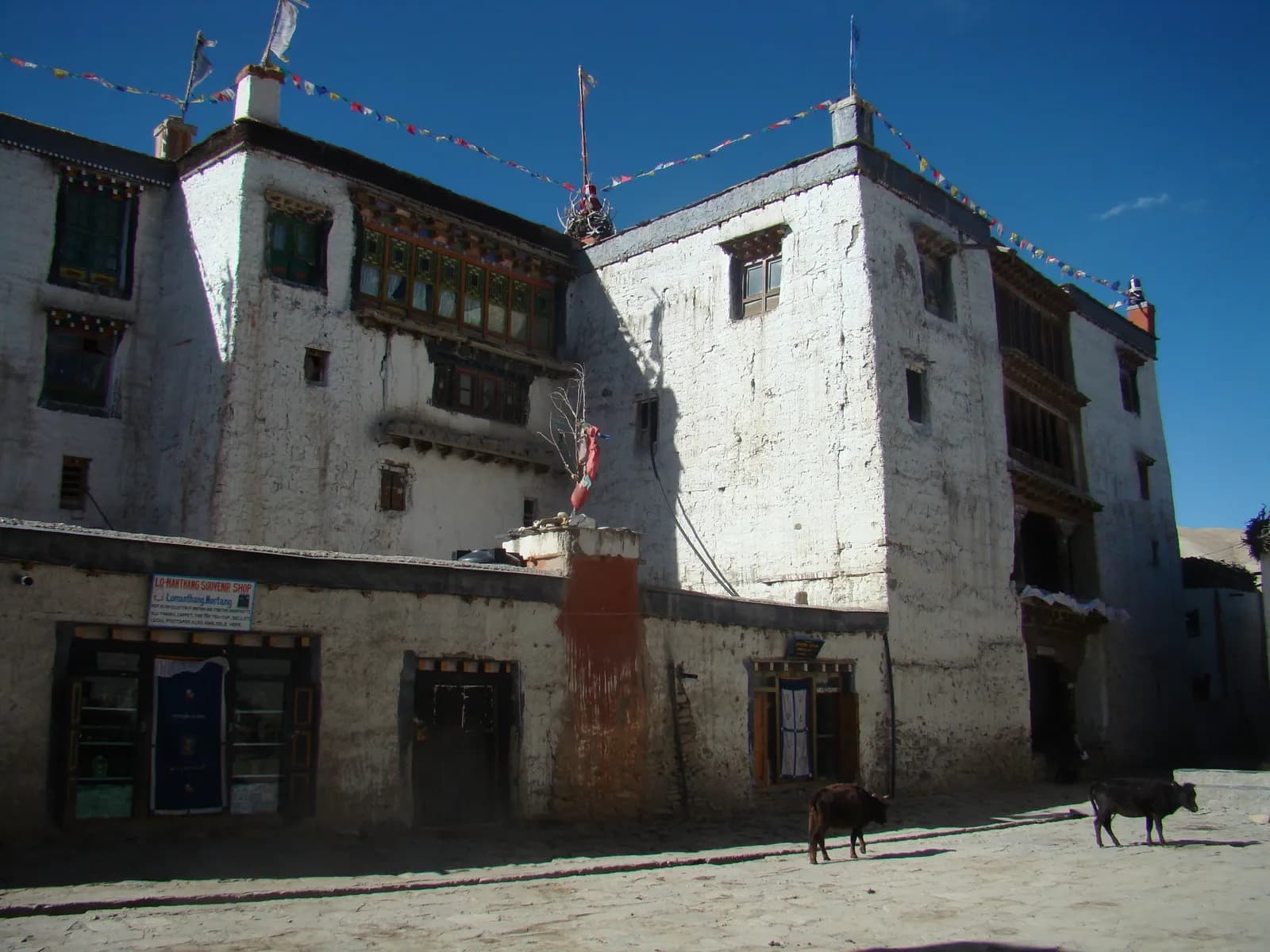
Mustang was closed to foreigners until 1992, according to the standard references, and entry remains controlled because of its position on the Tibetan border and its fragile culture. The restriction regulates numbers, directs income to the region and requires a registered agency to look after visitors. The Upper Mustang region page describes the geography, and the itinerary lays out the walk.
What you need
| Item | Detail |
|---|---|
| Restricted Area Permit | Issued by the Department of Immigration to a registered agency on your behalf |
| ACAP entry permit | The conservation area covers the route; see the ACAP guide |
| Registered agency | Applies for the RAP and takes responsibility for you on the trail |
| Licensed guide | Required to accompany you throughout the restricted section |
| Minimum group | One trekker since 22 March 2026 (was two); a licensed guide through a registered agency is still required; verify the current rule |
The permit lists your route, your start date and the number of days. It is not transferable, and it needs to match the people actually walking.
The permit period
As of October 2026 the Nepal Tourism Board lists the permit at USD 50 per person per day, while TAAN lists USD 500 for the first 10 days plus USD 50 per extra day. The two agree for a 10-day stay (USD 500) and differ for shorter ones, so ask which basis your agency uses. Plan the schedule first, then check the permit period against it:
- A jeep-and-walk itinerary can be compressed to five or six days in the restricted area.
- A full walking itinerary, with side trips to Ghar Gompa and Drakmar, needs closer to ten days beyond Kagbeni.
- If weather or health forces you to add a day, you will need to extend the permit, and the Kagbeni checkpost is where that is dealt with.
Ask the agency to show the permit period in the itinerary, with a buffer. The walking schedule and distances are in the Upper Mustang itinerary guide.
Where the permit is checked
The main checkpoint is at Kagbeni (about 2,810 m), the last village before the restricted area. The guide registers your permit there. Further checks occur at villages such as Chhusang, Chele, Ghami, Charang, Tsarang and Lo Manthang (about 3,840 m), where police record details. You should expect to hand over a copy of the permit and your passport details at several of them.
Keep copies of your passport and permit in separate bags. If you split from your guide for any reason, such as staying in a village for a rest day, tell them where you are.
Getting to Kagbeni first
Kagbeni is roughly 10 km north of Jomsom. You reach Jomsom by air from Pokhara or by jeep along the Kali Gandaki valley; the flight versus jeep comparison covers that decision. Many itineraries add a night at Kagbeni or Muktinath to acclimatise before going north, since Lo Manthang is above 3,800 m.
Documents
- Passport with at least six months' validity and photocopies.
- Visa copy.
- Passport photos.
- Insurance policy details that cover trekking above 3,500 m and evacuation.
- Your itinerary dates.
The agency usually asks for scans in advance. Send them early; applications are processed at the Department of Immigration in Kathmandu and may not be possible on public holidays.
Timing and the Tiji festival
The best months for the trek are covered in best time for Upper Mustang. Upper Mustang lies in the rain shadow, so the monsoon matters less than elsewhere. The Tiji festival in Lo Manthang, held in spring according to the lunar calendar, brings the largest crowds of visitors and local pilgrims. If you want to be there, ask an agency for the date and book a year ahead for rooms.
What to ask the agency
- What does the quoted price include: permit, ACAP, guide, jeep, lodging and meals?
- What is the permit period and what happens if I need an extra day?
- Do you require a second trekker, and what happens if my partner cancels?
- Which route will we walk and where will we sleep each night?
- What is your policy for weather delays on the Jomsom flight?
Treat vague answers as a warning. A written itinerary with permit dates is the minimum.
Sharing the cost
Because the permit and guide cost is fixed per permit, finding a partner changes the maths more here than on open routes. Read how to find a trekking partner safely and the permits hub before you commit.
The route and where the permit period goes
It helps to see the days laid out before you ask an agency for a quote. Altitudes are approximate.
| Stage | Village | Altitude | Note |
|---|---|---|---|
| Open area | Jomsom | about 2,720 m | Arrive by flight or jeep; no RAP needed yet |
| Open area | Kagbeni | about 2,810 m | Permit check; the restricted area starts north of here |
| 1 | Chele | about 3,050 m | First night in the restricted area on a classic walk |
| 2 | Syanboche or Ghami | about 3,800 m or 3,520 m | Crosses a series of high passes |
| 3 | Charang | about 3,560 m | Large gompa and a ruined fort |
| 4 | Lo Manthang | about 3,840 m | Walled capital; usually two nights |
| 5 | Day trips | up to about 4,280 m | Choser caves, Namgyal Gompa and the Tingkhar side |
| 6+ | Return via Drakmar or by jeep | various | Different valley on return |
Because the walk follows a jeep road for most of its length, many agencies offer faster options. That does not change the permit rules, but it changes how many days of permit you need. A road itinerary of six or seven days on the permit is common, and a full walking itinerary with side valleys uses more.
Photography and conduct rules
Inside the restricted area there are extra rules besides the permit:
- Photography inside monasteries is often forbidden or requires a fee. Ask the caretaker before you raise a camera.
- Drones need separate permission and are usually not allowed over religious or military sites.
- Behaviour at festivals. Stand back, do not step into the dance area and ask before photographing people. See monastery etiquette.
- Leave no waste. Mustang is dry and cold, and rubbish does not decompose quickly.
When things change
The restricted-area system has been revised repeatedly, and 2026 brought further changes: in March the Department of Immigration reportedly allowed solo foreign trekkers in restricted areas if accompanied by a licensed guide through a registered agency, and in May a press report described a new permit requirement for foreigners in controlled areas of 13 districts. Before you pay a deposit, ask the agency to confirm in an email which permit rules apply to your start date, and check the Department of Immigration's own notices. Keep that email with your permits.
תכננו את הטרק
תמונות
שאלות נפוצות
מקורות
- Nepal Tourism Board: Trekking Permit (restricted areas)
- Nepal Tourism Board: Park Entry Fees
- Department of Immigration, Nepal
- Upper Mustang (Wikipedia)
- Nepal Tourism Board
- National Trust for Nature Conservation (ACAP)
- Solo trekkers allowed in restricted areas (The Himalayan Times, 23 March 2026)
- Trekking restrictions in controlled areas of 13 districts (Ekantipur, 6 May 2026)