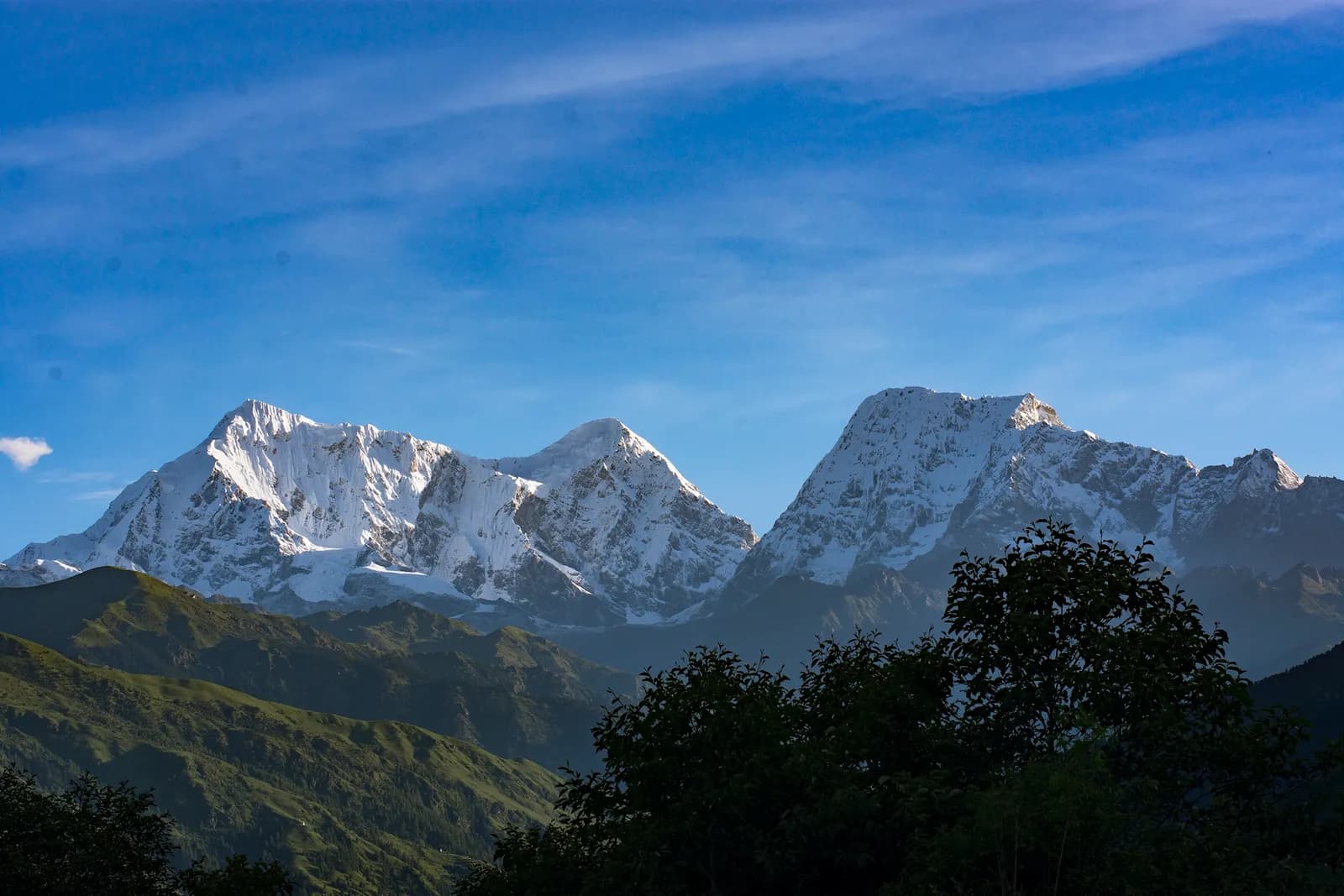
Pikey Peak and Solu region guide
Pikey Peak (4,065 m) and the Solu hills explained: the sunrise over Everest, the six-day route, the road or flight in, permits, seasons and who it suits.
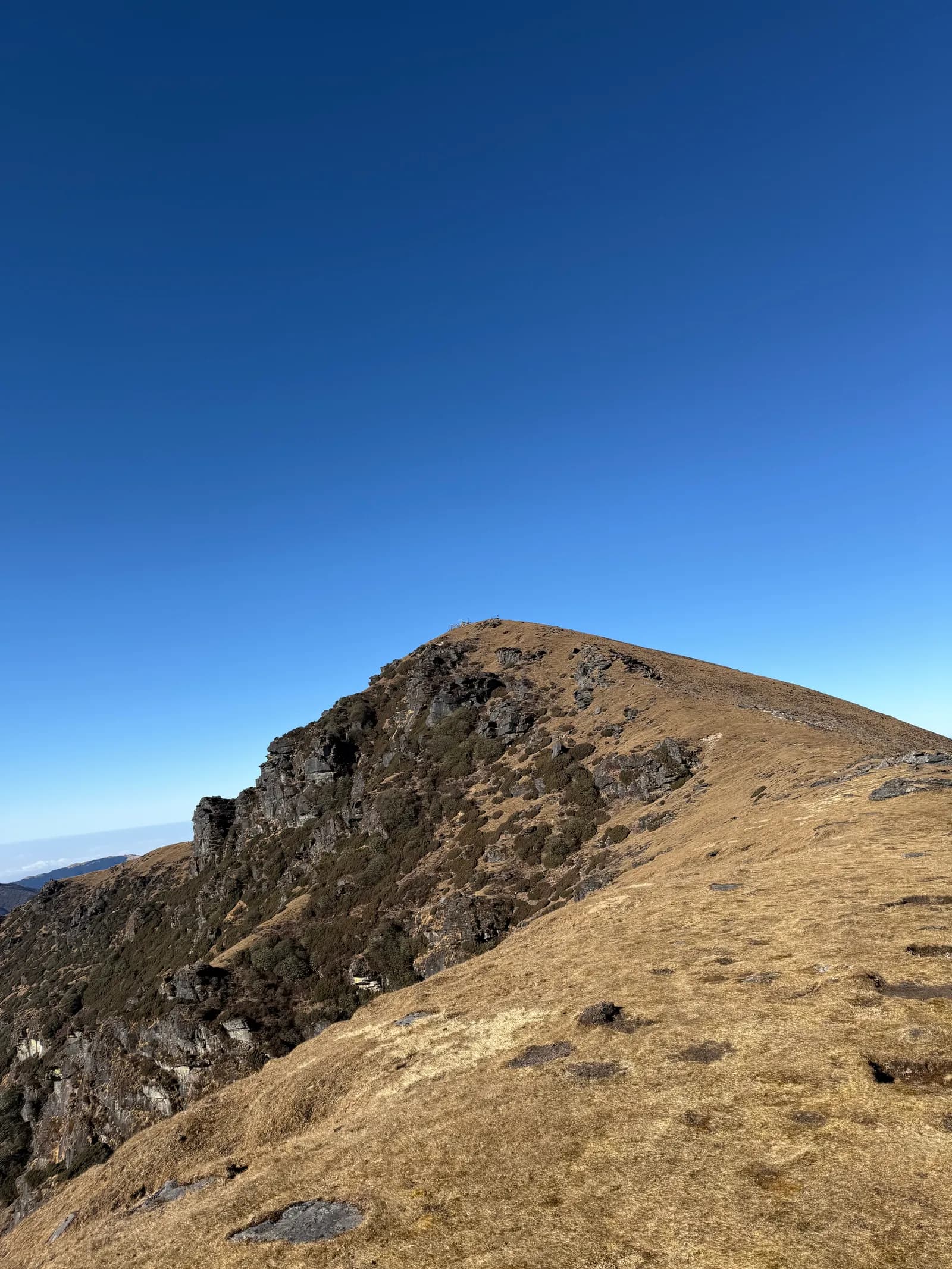
Pikey Peak, at 4,065 m, is the summit above the Solu hills of Solukhumbu from which, on a clear morning, the sun rises over Everest and the Khumbu range, and the Pikey Peak trek reaches it in six days from Kathmandu by road, with four days on foot and no flight needed. It is a moderate trek, it is outside Sagarmatha National Park and needs no restricted-area permit, and it suits fit first-timers who can handle a cold, dark pre-dawn climb. The route runs from Dhap Bazaar through Jhapre and Pikey Base Camp to the summit, down to Junbesi and along the Junbesi Khola to Phaplu.
Solu is the lower, greener half of the district, and the sections below explain how Pikey fits into it, what the days are like and what to organise. The Solu region page holds the reference data, and the same region includes the harder Dudh Kunda trek.
سفرهای باز Pikey Peak Trek
سفرهای واقعی که ترکرهای جویای همراه ثبت کردهاند.
What Solu is
Solukhumbu has two sub-regions. Khumbu is the high valley that holds Namche Bazaar and the Everest Base Camp trail. Solu is the lower hill country to the south, where Rai people are the largest community, Sherpa villages keep monasteries and trekking is less developed. Ridgelines run west to east and top out around 3,000 to 3,500 m, forests are oak and rhododendron at lower levels, and the views are long rather than close. From Pikey the Himalayan wall is seen across ranks of foothill ridges, which is the reason most people come. If you want the classic Everest trek instead, read our Everest Base Camp itinerary.
The route, day by day
Day 1: drive to Dhap Bazaar. Seven to nine hours from Kathmandu, depending on the source and the road, to a ridge settlement at about 2,900 m, with a lunch stop at Ghurmi in one itinerary. Your first night is a teahouse in Dhap.
Day 2: Dhap Bazaar to Jhapre. About 9.4 km in four to five hours through Sigane, mostly on a ridge road. It is the easiest walking day: 220 m of climbing and 370 m of descent. Jhapre is at about 2,815 m.
Day 3: Jhapre to Pikey Base Camp. 13 km and 870 m of climbing, five to seven hours, along the ridge through rhododendron and yak pasture to about 3,640 m. One itinerary lists lunch at Lhamuje. Nights at the base camp are cold.
Day 4: summit and down to Junbesi. Rise before dawn for about 3 km and 400 m to the summit at 4,065 m, 1.5 to 2 hours in the dark with a headlamp by our estimate. At sunrise Everest and the Khumbu peaks stand above the ridges. Return for breakfast, then a long descent of about 12 km to Junbesi (about 2,680 m), the longest day of the trek at seven to eight hours.
Day 5: Junbesi to Phaplu. About 11 km and four to five hours, mostly downhill along the Junbesi Khola. Phaplu is at about 2,400 m. If you have spare time, the Thubten Choling monastery lies a few kilometres north of Junbesi.
Day 6: Phaplu to Kathmandu. Eight to nine hours by road. Some trekkers fly from Phaplu instead, which saves most of the day, but flights are weather-dependent and often delayed.
How hard is it
The pack rates Pikey moderate, and the numbers agree: a high point of 4,065 m, 2,260 m of climbing across the route and a first walking day that is almost level. The two hard moments are the pre-dawn summit climb in the cold and the descent from base camp to Junbesi, about 15 km and 1,670 m down by the day-plan figures. Good boots and poles help. Because you sleep at about 3,640 m on the night before the summit, headaches are possible; read altitude sickness basics, and descend if symptoms worsen.
Permits, fees and the guide question
No restricted-area permit is needed and Pikey is outside Sagarmatha National Park, so the park entry permit does not apply. Ask your agency whether the local municipality collects any fee or trek card. Our Sagarmatha entry guide explains what does apply inside the park, which you only enter on the Khumbu side.
On the guide: for national parks and conservation areas the written rule is the Nepal Tourism Board announcement of April 2023 (we found no separate Department of Immigration or DNPWC notice), and 2026 operator reports say checkpoints enforce it in Annapurna (ACAP) and Langtang, the strictest, and most other parks, but not in Khumbu (checked 19 October 2026). Pikey is not in a park, and we found no checkpoint report for it. The trails above Taksindu are lightly marked in this region, so most trekkers go with an agency or a local guide. The guide rule by region page keeps the dated wording.
Getting there: road or air
Salleri is eight to twelve hours from Kathmandu by road, depending on the season, and Dhap Bazaar seven to nine. Public buses and shared jeeps run to Salleri, and monsoon landslides can close the road for hours. Phaplu has a short Twin Otter flight from Kathmandu, which depends on weather. Our plan drives both ways and prices road transport only, because we found no published fares. A spare day at the end is wise either way.
Seasons
March to May and September to November. Autumn is clear and dry with the sharpest views; spring has rhododendron in the forest below the ridge. The monsoon brings leeches and cloud and removes the point of a sunrise trek. Compare the months in our best time to trek in Nepal guide.
Costs and sharing them
The pack's dated cost data (checked 18 October 2026) gives a guide day rate of NPR 4,000 to 6,000 and a porter day rate of NPR 2,100 to 3,400, with 5 guide days and 4 porter days on this route, and shows the Dhap Bazaar and Phaplu road legs as lines to check. Lodge prices follow the Nepal-wide band by altitude in our teahouse prices guide. A private vehicle for the two long drives is the main shared cost, so a partner makes the trek noticeably cheaper per person. Post your dates on the Pikey Peak partner page, and see the trekking partner hub for how matching works.
What to pack for the summit morning
A down jacket, hat and gloves for the summit sunrise, a headlamp, rain gear, a warm sleeping bag and water treatment. Lodges give blankets, but nights at Pikey Base Camp, at about 3,640 m, are cold. Start the climb early enough to be on top before the light, wear your warmest layers for the wait, and carry a hot drink in a flask. Keep your camera battery warm inside a pocket, because cold drains it quickly. Our Nepal trek packing list and down jacket rent or buy guide help you decide what to bring.
Culture along the way
Solu is a meeting place of Rai, Sherpa, Tamang and Magar communities. Junbesi has its own monastery, and Thubten Choling is a regular half-day side trip. Walk clockwise around mani walls, remove shoes before entering monasteries and ask before photographing people. Our Sherpa culture guide and monastery etiquette guide go into more detail.
Verdict
Pikey is the best short answer to the question "can I see Everest without flying to Lukla?" It is cheap, quiet and moderate, and the summit sunrise justifies the cold start. Go in autumn, carry a headlamp and a down jacket for the summit, and keep a spare day for the road. For other short routes read our how many days do you need for a Nepal trek guide.