

Kathmandu airport to Thamel: your first 24 hours before a trek
How to get from Tribhuvan International Airport to Thamel and what to do in your first 24 hours before a trek: arranging the ride, cash and SIM, permits and gear, sleep, and the checks that save a day later.
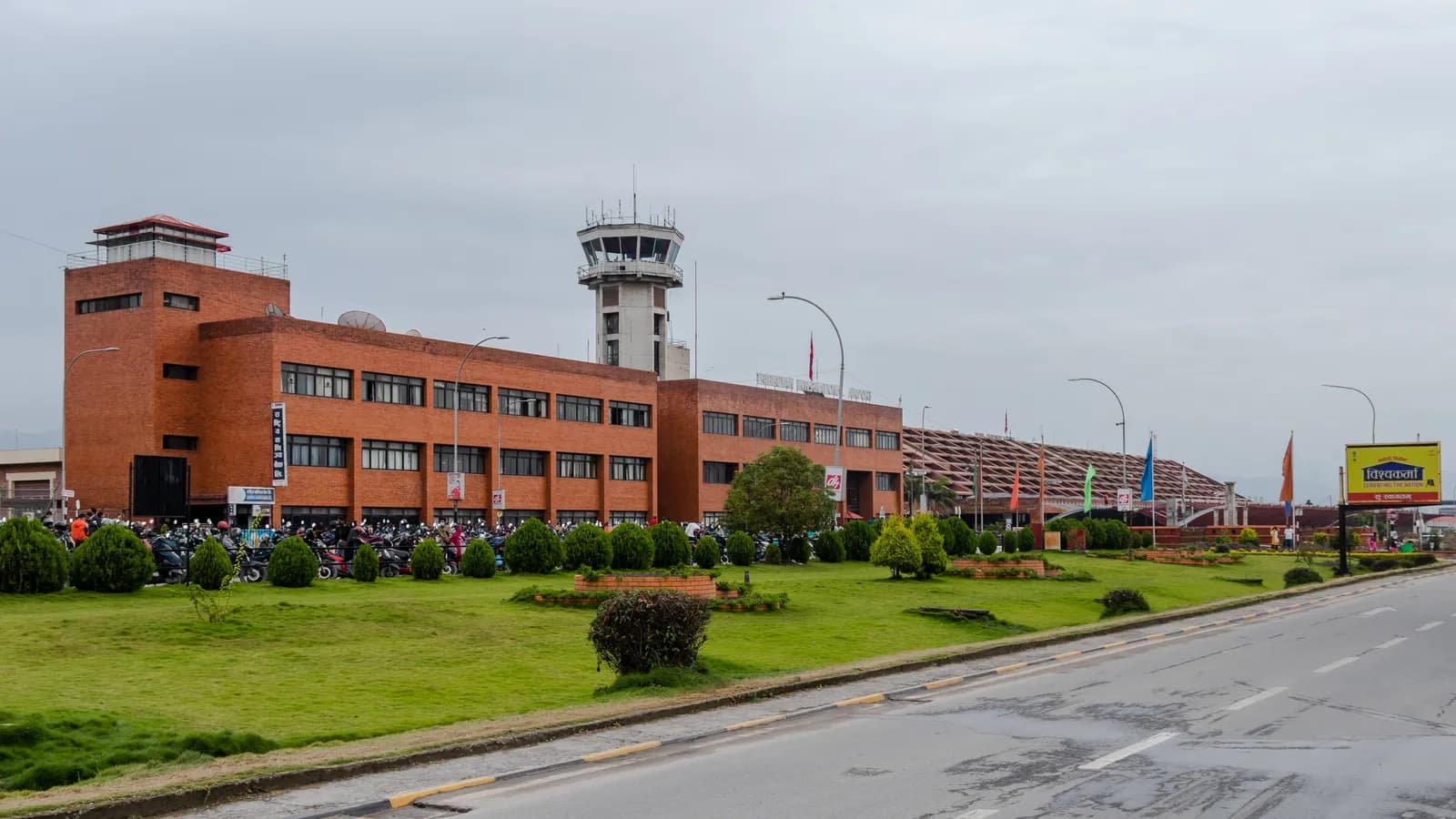
Tribhuvan International Airport lies inside the Kathmandu Valley, and Thamel, the tourist district most trekkers stay in, is a short city drive away, so the practical question is not distance but how you arrange the ride and what you do with your first day. We found no verified fare or distance for the transfer in our sources, so this guide does not quote one: it tells you how to book a pickup, how to agree a taxi price, what to do at the airport and, more usefully, how to spend the first 24 hours so that nothing delays your trek. The region and route facts come from our pages, verified 19 October 2026.
If you are building a full plan, the getting to Nepal trailheads guide covers the next step, and the Kathmandu and Pokhara pre-trek costs guide shows how to budget the city nights.
سفرهای باز Shivapuri Peak Day Hike
سفرهای واقعی که ترکرهای جویای همراه ثبت کردهاند.
Before you land
Do these on the plane or the day before:
- Confirm your hotel and pickup. Ask the hotel whether it sends a driver, what it costs and what the driver will hold, such as a sign with your name.
- Check your entry paperwork with the Department of Immigration at immigration.gov.np; visa rules and fees are theirs to state, not ours, and they change.
- Have your trek contacts ready: your agency, guide and partner, with a number that works from a local SIM or wifi.
- Keep your documents and money in your daypack, not in checked luggage.
- Download an offline map of Kathmandu and your hotel's location.
At the airport
After immigration and baggage you reach the arrivals exit, where drivers and touts wait. Practical rules:
- If your hotel sent a driver, look for your name and confirm it before you follow anyone.
- If you are taking a taxi, agree the fare to your hotel before you get in, and say the hotel's name and area. No fixed fare is published in our sources, so ask the hotel what is normal and do not accept a number far above it.
- Do not follow people who offer a free ride or a hotel. Be wary of anyone steering you to a hotel you did not choose; see our trekking scams guide.
- Change a small amount of money for the ride and a first meal, and withdraw more in the city.
- Consider a SIM, if a seller you trust is there; read our SIM card guide.
The ride into the city can be slow when traffic is heavy, and it is noisy, dusty and often a first shock. Wear something light, keep your window closed if the dust bothers you and keep your bag on your lap.
Your first 24 hours
The best use of a first day is to remove risk, not to see sights.
| When | What | Why |
|---|---|---|
| Arrival | Check in, drink water, eat something simple, sleep | Recover from the flight and the journey |
| Next morning | Meet your agency and guide, check permits and flights | Fix problems while there is time |
| Midday | Gear: rent, buy, repair | See renting versus buying gear |
| Afternoon | Change money, buy a SIM, snacks, a power bank | Cash and charging are scarce on the trail |
| Evening | Pack, weigh your bags and go to bed early | Flights often leave very early |
If your trek starts with a Lukla flight, confirm the airport (Kathmandu or Ramechhap) and the time as early as you can; our Kathmandu to Lukla flight guide explains why. If you are going by road, confirm the pickup. Keep one buffer day if you can, which our buffer days guide recommends.
Permits and paperwork in the city
Most routes need paperwork that is easier to arrange in Kathmandu than on the trail. Depending on the route:
- A national park or conservation area permit (for example Sagarmatha National Park NPR 3,000 for foreigners, or Annapurna Conservation Area NPR 3,000).
- A TIMS card issued by an agency, at NPR 2,000 for foreigners (SAARC nationals NPR 1,000) per the Nepal Tourism Board.
- A restricted-area permit through a registered agency for Manaslu, Upper Mustang and Upper Dolpo.
The rules around a guide matter here. As of 19 October 2026, a licensed guide through a registered agency is required in restricted areas and, under the Nepal Tourism Board rule of April 2023, in national parks and conservation areas, where 2026 operator reports say checkpoints enforce it in Annapurna and Langtang but not in Khumbu. Our guide rule page keeps the wording, and Nepal trekking permits explained lists the permits.
Where you will stay and what is nearby
Thamel is the most convenient base: gear shops, agencies, restaurants and money changers are within walking distance, and it is where many trekkers meet partners; see meeting partners in Kathmandu. It is also loud and crowded, so consider a quieter area if you need sleep; our where to stay in Kathmandu guide compares them.
If you have a spare half-day, the Kathmandu Valley has walks that are good for stretching your legs, such as Shivapuri Peak, reachable from Budhanilkantha, but do not tire yourself before a major trek. Our Kathmandu Valley rim hikes guide lists the options.
Safety and sensible habits
Keep valuables out of sight, use a hotel safe where possible, drink bottled or treated water, and be cautious with food on the first night. The UK Foreign, Commonwealth and Development Office publishes safety guidance for Nepal. Do not carry large amounts of cash, and do not leave your passport as a deposit if you can avoid it. For health matters, follow the CDC Yellow Book, the Wilderness Medical Society and the NHS.
If you are meeting partners
If you have found a trekking partner through our trekking partner hub, the first day is when you meet them in person. Do it in a public place, agree the plan in writing and check each other's insurance and plans; our guides on how to vet a trekking partner and how to find a trekking partner safely explain how. Contact details stay hidden until both of you agree, so you can take it at your own pace.
A short checklist
- Pickup confirmed or taxi fare agreed.
- Documents, cash and phone in your daypack.
- Agency, guide and flights confirmed within 24 hours.
- Gear sorted on the first full day.
- Cash in small notes and a working SIM or wifi.
- An early night before any early flight.
A sample first evening
After you check in, shower and eat, resist the urge to explore far. A sensible first evening is a short walk to find a meal and a pharmacy, a stop at a money changer for small notes, and an early night. If you are meeting your guide or partner, do it the next morning in daylight, in a public place. If you have an early flight to Lukla the following day, skip everything that is not essential and pack. Fatigue, a new city and a change of food are enough to deal with on the first night.
What to keep on you
In your daypack carry your passport and a photocopy, your insurance details, the contact details of your hotel, agency and guide, some cash in small notes, a phone with a working number or wifi, any medication and a warm layer. Leave the rest in the hotel safe or locked in your bag. Do not carry large amounts of cash or flash valuables in busy lanes. A money belt under your clothes is a sensible habit in a crowded district.
Common first-day problems and fixes
A bag that did not arrive: report it at the airport before you leave, get a reference and give the airline your hotel details. A hotel that has no record of your booking: show your confirmation and ask for a call to the booking source. A taxi that wants more than expected: say you will ask your hotel to settle the fare and wait for a better answer. A stomach upset on day one: rest, drink treated water and follow the NHS and CDC advice; do not go to altitude while unwell. Our everest region page and Annapurna region page explain what the next steps look like for the two busiest regions.
Using the first day to protect your schedule
The most valuable thing you can do on day one is to confirm the items that can fail later: the flight time and airport, the pickup, the permits and the guide. If your plan is to fly to Lukla, ask your agency whether the flight is from Kathmandu or Ramechhap and what time you must leave; our Lukla flight guide explains why this matters. If you travel by road, confirm the vehicle and the departure point. Each confirmation takes a minute and can save a day.
Meeting people in the first 24 hours
Thamel is full of trekkers looking for company, and the first day is a natural time to meet some. Be open but careful: meet in public, do not share your hotel room number early and check your plans before you commit to share costs. Our guide to meeting partners explains where and how. You can also post your dates on a route page, such as the Everest Base Camp partner page, before you arrive.
More logistics are in the transport and logistics hub. Rules and prices change; confirm them with the Department of Immigration, the Nepal Tourism Board and your agency.

